Lately, as I’ve been focusing more on sustainable choices for my home, bamboo flooring has captured my interest. I appreciate its natural beauty, its strength, and its eco-friendly aspects. However, like any flooring material, bamboo requires proper care and maintenance to keep it looking its best and to ensure its longevity. Through my research and some personal experience, I’ve gathered some valuable insights into how to effectively care for and maintain bamboo floors. Let me share what I’ve learned so that you, too, can keep your bamboo floors in top condition.
Regular Cleaning Practices
For me, the foundation of any good floor care routine is consistent, gentle cleaning. With my bamboo floors, I’ve found that regular sweeping or vacuuming is essential to remove loose dirt, dust, and pet hair. These small particles can act like sandpaper over time, potentially scratching the surface of the floor. I make it a habit to sweep or vacuum at least a couple of times a week, paying close attention to high-traffic areas where more debris tends to accumulate. Using a soft-bristled broom or a vacuum cleaner with a soft floor attachment is key to avoiding causing any damage to the bamboo.
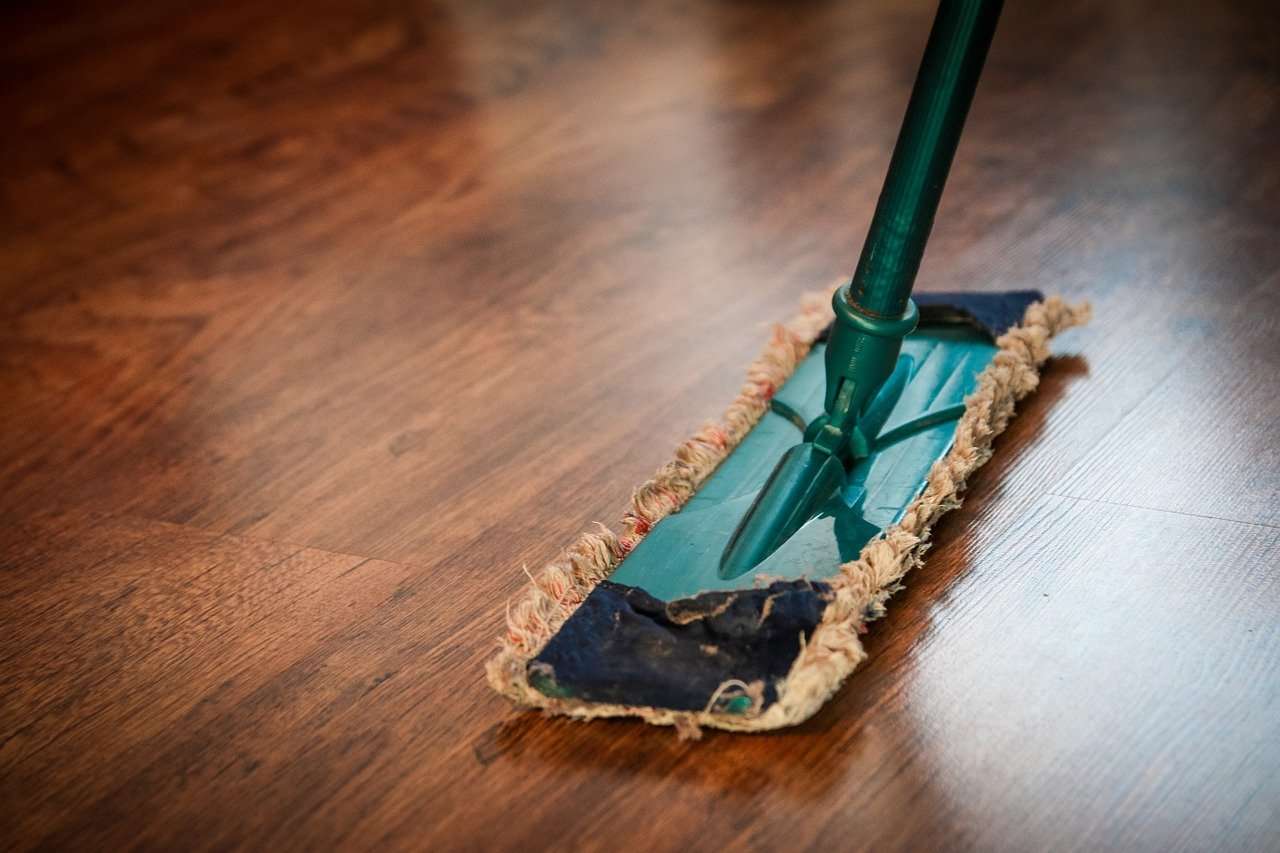
When it comes to deeper cleaning, I’ve learned that less is often more with bamboo. Excessive water can be harmful to the floor, potentially leading to warping or staining. Therefore, I avoid wet mopping. Instead, I prefer to use a slightly damp microfiber mop. I make sure the mop pad is only just moist, not soaking wet, and I wipe the floor in the direction of the bamboo grain. For any spills, I try to clean them up immediately with a soft cloth to prevent them from soaking into the floor’s finish. This prompt action can make a big difference in preserving the floor’s appearance.
I’ve also found that choosing the right cleaning products is crucial. I avoid using harsh chemicals, abrasive cleaners, or polishes that are not specifically designed for bamboo floors. These products can dull the finish or even damage the bamboo itself. Instead, I opt for pH-neutral cleaners that are recommended for hardwood or bamboo floors. A little goes a long way, and I always make sure to follow the manufacturer’s instructions for dilution and application. This careful approach helps me keep my bamboo floors clean without compromising their integrity.
Preventing Scratches and Dents
Given that bamboo, while strong, can still be susceptible to scratches and dents, I’ve made it a priority to take preventative measures. One of the simplest yet most effective things I’ve done is to place rugs or mats in high-traffic areas, such as doorways, hallways, and under furniture. These act as a barrier, catching dirt and grit before they can be tracked across the floor and providing a cushion against potential impacts. I also make sure to choose rugs with backings that won’t scratch the bamboo finish.
Another important step I’ve taken is to use protective pads under all furniture legs. Whether it’s chairs, tables, or sofas, these small felt or rubber pads can make a significant difference in preventing scratches and dents when furniture is moved. I regularly check and replace these pads as they wear out to ensure continuous protection. It’s a small investment that can save me from potential floor damage down the line.
I’ve also adopted a “no shoes” policy inside my home. This simple rule helps to minimize the amount of dirt and grit that gets tracked onto the bamboo floors. For those times when shoes are worn indoors, I encourage the use of soft-soled slippers. Additionally, I’m mindful when moving heavy objects across the floor. Instead of dragging them, which can easily cause scratches, I always try to lift them or use furniture sliders designed for hard floors. These precautions, while seemingly minor, contribute greatly to preserving the pristine condition of my bamboo flooring.
Maintaining Consistent Humidity Levels
I’ve learned that bamboo, being a natural material, is sensitive to extreme fluctuations in humidity. Too much humidity can cause the bamboo to expand, potentially leading to warping or buckling. Conversely, too little humidity can cause it to contract, which might result in gaps between the planks. Therefore, maintaining consistent humidity levels within my home is an important aspect of caring for my bamboo floors.
To help regulate humidity, especially during different seasons, I use a humidifier during dry periods and a dehumidifier when the air is excessively humid. I also monitor the humidity levels with a hygrometer to ensure they stay within the recommended range for bamboo flooring, which is typically between 40% and 60%. This consistent monitoring allows me to make adjustments as needed to protect my floors.
Proper ventilation within my home also plays a role in managing humidity. I make sure to open windows periodically to allow for air circulation, especially in areas where moisture might build up, such as the kitchen and bathrooms. Using exhaust fans in these areas when cooking or showering helps to remove excess humidity and prevent it from affecting the bamboo floors in adjacent rooms.
I’ve also been mindful of potential sources of moisture within my home, such as leaky pipes or excessive condensation on windows. Addressing these issues promptly is crucial to prevent damage to the bamboo flooring. By paying attention to humidity levels and ensuring good ventilation, I can help my bamboo floors remain stable and avoid the problems associated with excessive moisture or dryness.
Protecting Against Sunlight and Heat
Just like many other natural materials, bamboo can be affected by prolonged exposure to direct sunlight and excessive heat. Over time, UV rays can cause the finish on bamboo floors to fade or change color. To mitigate this, I’ve taken steps to protect my floors from direct sunlight. Using curtains, blinds, or window films during the sunniest parts of the day helps to diffuse the light and reduce its impact on the flooring.
I’m also mindful of heat sources within my home. While bamboo itself is quite durable, extreme heat can potentially damage the finish or even the bamboo material itself over extended periods. I make sure to use rugs in areas where there might be heat exposure, such as near fireplaces or heating vents. Additionally, I avoid placing hot items directly on the bamboo floor without proper protection.
By taking these precautions, I aim to minimize the effects of sunlight and heat on my bamboo floors, helping to preserve their original color and finish for longer. It’s a matter of being mindful of the environment within my home and taking simple steps to shield the flooring from these potentially damaging elements. This proactive approach contributes to the long-term beauty and integrity of my bamboo floors.
Addressing Scratches and Minor Damage
Despite my best efforts to prevent scratches and dents, minor damage can sometimes occur. When I notice a small scratch, I try to address it promptly to prevent it from becoming more noticeable or leading to further damage. For light surface scratches, I’ve found that using a touch-up pen or a floor repair kit specifically designed for bamboo or hardwood floors can be effective in concealing the blemish. I carefully follow the instructions on the product for the best results.
For slightly deeper scratches, I might use a wood filler stick that matches the color of my bamboo flooring. I gently rub the filler into the scratch, making sure to remove any excess, and then allow it to dry completely. Afterward, I might lightly buff the area to blend it in with the surrounding floor. It’s important to choose a filler that is compatible with the finish of my bamboo floors.
In the event of more significant damage, such as a deep gouge or a damaged plank, it might be necessary to consult a professional floor repair specialist. Depending on the extent of the damage, they might be able to repair the affected area or replace the damaged plank. It’s always best to address significant damage promptly to maintain the integrity and appearance of the entire floor. While I hope to avoid major damage through careful maintenance, knowing how to handle minor issues helps me keep my bamboo floors looking their best.

Periodic Refinishing Considerations
While bamboo flooring is known for its durability, the finish on the surface will eventually show signs of wear and tear over time, especially in high-traffic areas. When this happens, refinishing the floors might be an option to restore their original luster. However, I’ve learned that not all types of bamboo flooring can be refinished, and the process can be different from refinishing traditional hardwood floors.
Strand-woven bamboo, which is known for its exceptional hardness, can often be sanded and refinished multiple times, similar to hardwood. However, horizontal and vertical grain bamboo, which are softer, might have a thinner wear layer and may only be able to be refinished once or twice, or in some cases, not at all. It’s crucial to know the type of bamboo flooring you have and to consult with a flooring professional before attempting any refinishing.
The process of refinishing bamboo floors typically involves sanding down the old finish, repairing any significant damage, and then applying new coats of finish. This is a significant undertaking that requires specialized equipment and expertise. Therefore, I would likely hire a professional for this task to ensure a high-quality result and to avoid damaging the floors. While I hope to postpone the need for refinishing through diligent care and maintenance, it’s good to know that it’s an option for extending the life and beauty of my bamboo floors in the long run.
What are the most important things to avoid when cleaning bamboo floors to prevent damage?
When cleaning bamboo floors, it’s crucial to avoid using excessive water, as this can seep into the seams and cause warping or staining. Steam mops should also be avoided due to the high moisture content they produce. Harsh chemicals, abrasive cleaners, and ammonia-based products can dull or damage the finish of the bamboo, so it’s best to stick to pH-neutral cleaners specifically designed for hardwood or bamboo. Additionally, avoid using stiff-bristled brushes or scouring pads that can scratch the surface of the floor. Gentle cleaning methods are always the best approach for maintaining bamboo floors.
How can I effectively protect my bamboo floors from scratches caused by furniture and pets?
To protect bamboo floors from scratches caused by furniture, it’s essential to use felt or rubber pads under all furniture legs, including chairs, tables, and sofas. These pads create a barrier and allow furniture to be moved without directly scratching the floor surface. For pets, keeping their nails trimmed regularly can significantly reduce the risk of scratches. Placing rugs or mats in high-traffic areas and under furniture can also provide an extra layer of protection against both furniture movement and pet activity. Encouraging a “no shoes” policy indoors can further minimize the introduction of dirt and grit that can lead to scratches.

What is the ideal humidity range for a home with bamboo flooring, and how can I maintain it?
The ideal relative humidity range for a home with bamboo flooring is typically between 40% and 60%. Maintaining this range helps to prevent the bamboo from expanding or contracting excessively, which can lead to warping, buckling, or gaps between the planks. To maintain consistent humidity levels, you can use a humidifier during dry winter months and a dehumidifier during humid summer months. Monitoring the humidity levels with a hygrometer will help you make necessary adjustments. Ensuring good ventilation throughout your home by opening windows periodically and using exhaust fans in kitchens and bathrooms can also help regulate humidity.
How should I handle spills on my bamboo flooring to prevent staining or damage?
When spills occur on bamboo flooring, it’s crucial to act quickly. Blot the spill immediately with a clean, dry cloth or paper towel, working from the outside of the spill inward to prevent it from spreading. Avoid wiping, as this can push the liquid into the seams between the planks. For sticky spills, you can use a slightly damp cloth to gently wipe the area, followed by a dry cloth. If a stain persists, use a pH-neutral cleaner specifically recommended for bamboo floors, applying it sparingly to a cloth and gently dabbing the stain. Always avoid letting liquids sit on the bamboo surface for extended periods.
Are there any specific types of rugs or mats that are best or worst to use on bamboo flooring?
When choosing rugs or mats for bamboo flooring, opt for those with backings that are non-abrasive and won’t trap moisture. Natural fiber rugs like cotton or wool with a breathable backing are generally good choices. Avoid rugs with rubber or plastic backings that can sometimes trap moisture and potentially damage the finish over time or even cause discoloration. It’s also a good idea to periodically lift and air out rugs, especially in areas prone to moisture. Using rug pads specifically designed for hard floors can provide cushioning and prevent the rug from slipping without damaging the bamboo surface.
Can bamboo floors be refinished if they become worn or scratched over time, and what does this process involve?
Whether bamboo floors can be refinished depends on the type and thickness of the bamboo. Strand-woven bamboo, being very hard, can often be sanded and refinished multiple times, similar to hardwood. However, horizontal and vertical grain bamboo may have a thinner wear layer and might only be refinishable once or twice, or not at all. The refinishing process typically involves sanding down the existing finish to the bare bamboo, repairing any significant damage, and then applying several new coats of a durable finish. This is a significant process that requires specialized equipment and expertise, so it’s usually best to hire a professional flooring contractor for the job. Knowing the type of your bamboo flooring is essential before considering refinishing.

Cleaning Tips for Bamboo Floors
Easy Ways to Make Bamboo Floors Shine

Dirty Bamboo Floors – Can I Use A Steam Mop To Clean?
How to Clean Bamboo Floors Gently, but Effectively LoveToKnow

Related Posts: