A well-painted garage floor not only improves the appearance of your space but also protects the concrete from stains, oil spills, and wear. Choosing the right paint and applying it correctly ensures durability and easier maintenance. Today we will cover everything you need to know about garage floor paint, from types and preparation to application and maintenance.
Types of Garage Floor Paint
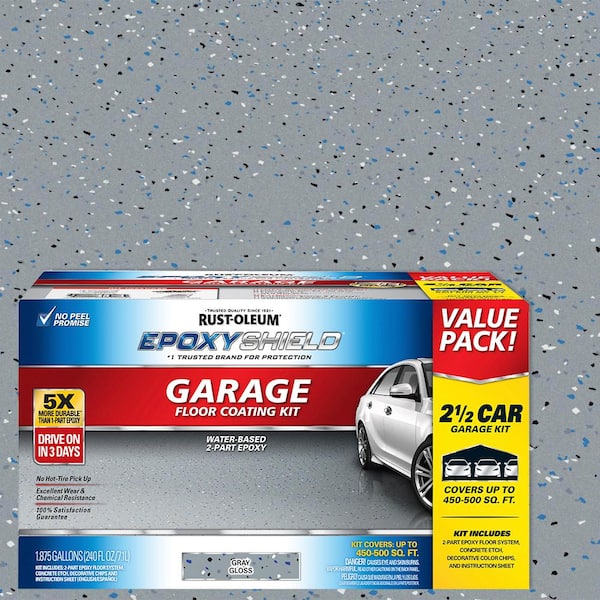
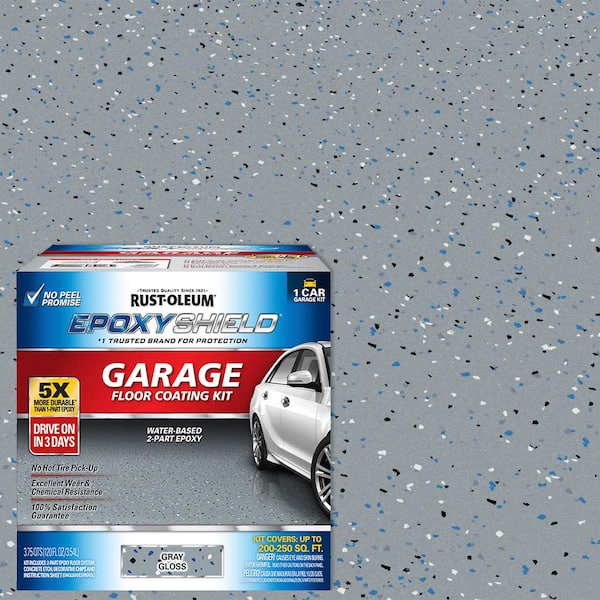
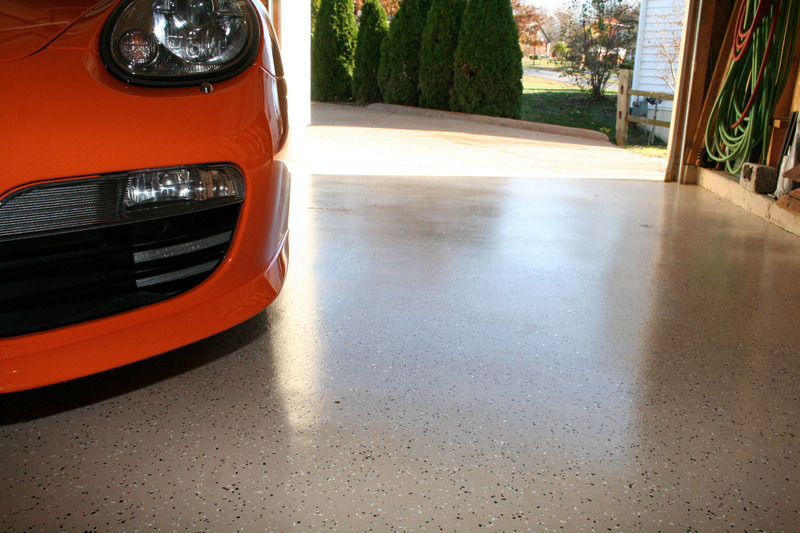
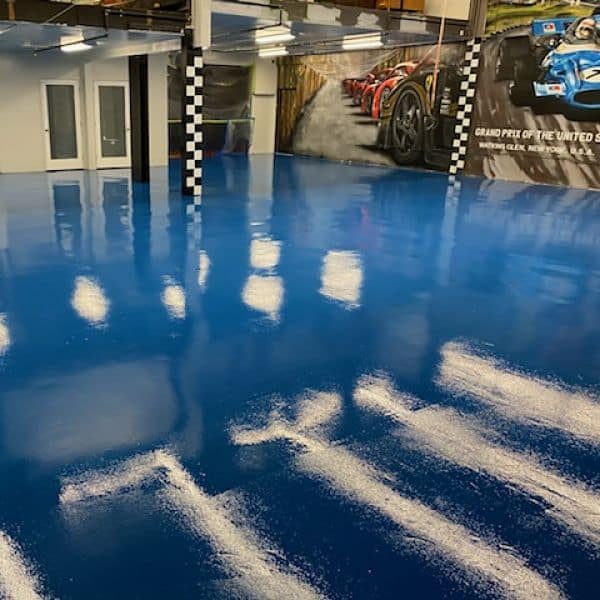
Epoxy paint is the most popular choice for garage floors due to its durability and resistance to chemicals, stains, and abrasion. It forms a thick, glossy coating that can last for years with proper application. Water-based epoxy is easier to apply and has lower fumes, while solvent-based epoxy offers stronger adhesion and longevity. Both types require thorough surface preparation for optimal results.
Acrylic latex paint is a budget-friendly option that provides decent protection for light to moderate garage use. It dries quickly and is easy to apply, making it suitable for DIY projects. However, it lacks the durability of epoxy and may require frequent touch-ups, especially in high-traffic areas. This type works best for garages used primarily for parking rather than heavy workshop activities.
Polyurethane and polyaspartic coatings are high-performance options for extreme durability and UV resistance. Polyurethane is often used as a topcoat over epoxy for added protection against yellowing and scratches. Polyaspartic coatings cure faster and can be applied in colder temperatures, making them ideal for professional use. These premium options are more expensive but offer superior longevity.
Preparing the Garage Floor for Painting
Proper surface preparation is crucial for paint adhesion and longevity. Start by cleaning the floor thoroughly to remove dirt, grease, and oil stains. A degreaser and pressure washer work well for deep cleaning. Any existing paint or coatings should be removed using a grinder or chemical stripper if necessary. A smooth, clean surface ensures the new paint bonds effectively.
Repair cracks and imperfections before painting to prevent future damage. Use a concrete patching compound to fill small cracks and holes. For larger cracks, consider a professional repair or epoxy filler. After repairs, lightly etch the concrete with an acid solution or mechanical grinder to create a rough texture for better paint adhesion. Skipping this step can lead to peeling and flaking over time.
Allow the floor to dry completely before painting, as moisture can ruin the finish. Test for moisture by taping a plastic sheet to the floor for 24 hours—if condensation forms, wait longer or use a dehumidifier. Proper ventilation is also important, especially when using solvent-based paints. Taking time to prepare the floor correctly ensures a smooth, long-lasting finish.
Applying Garage Floor Paint Correctly
Begin by applying a primer if recommended for your chosen paint type. Primers improve adhesion and help the paint last longer. Use a roller with a thick nap for even coverage, and work in small sections to avoid lap marks. For epoxy paints, mix the resin and hardener thoroughly just before application to prevent curing issues. Follow the manufacturer’s instructions for drying times between coats.
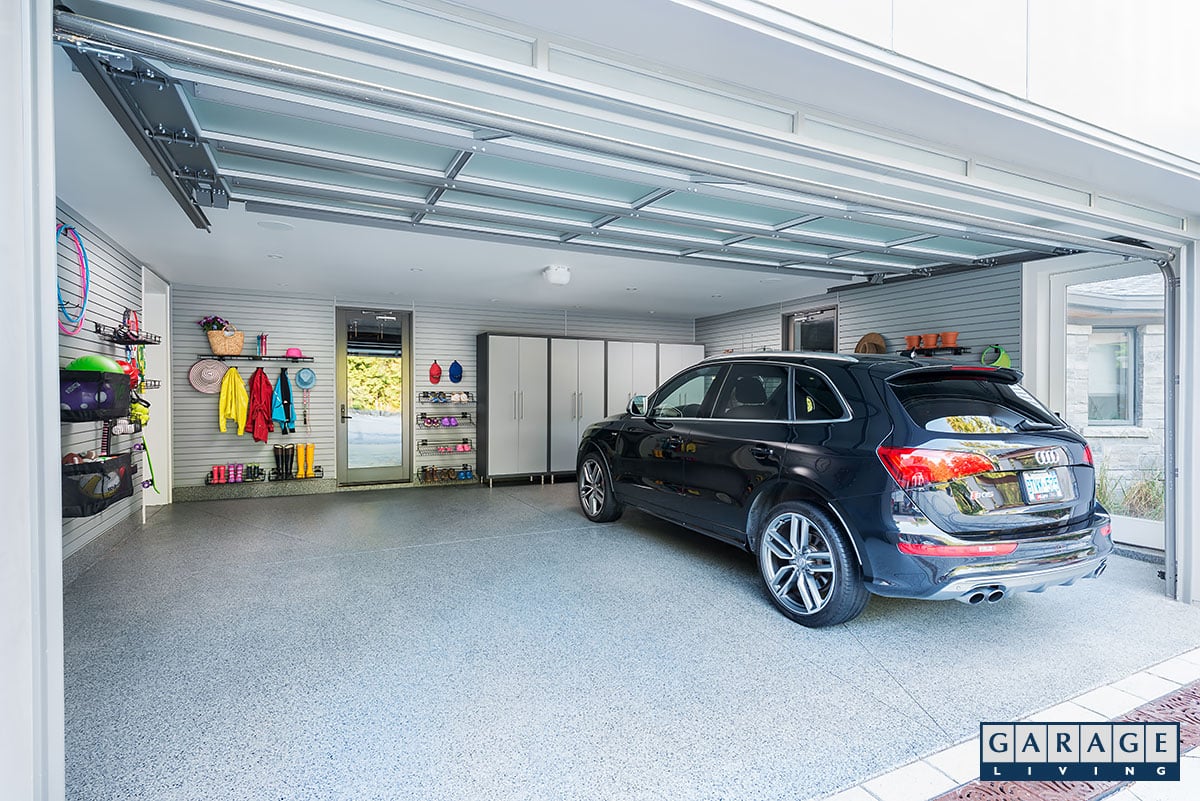
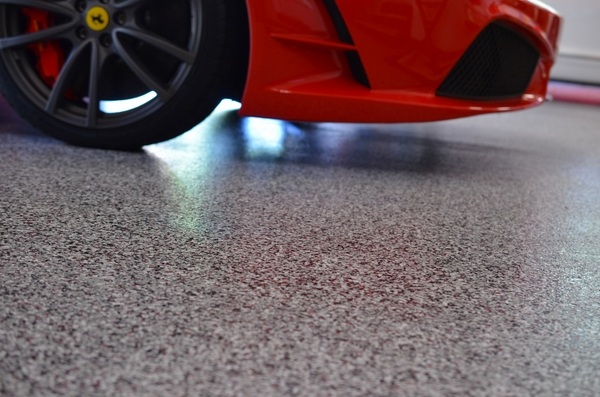
Apply the first coat evenly, making sure to cover all areas, including edges and corners. A second coat is usually necessary for full coverage and durability. Allow the first coat to dry completely before adding the next. Some epoxy paints require a clear topcoat for extra protection and shine. If using flakes or decorative chips, sprinkle them while the paint is still wet for a textured, slip-resistant finish.
Maintain proper ventilation during and after painting to help fumes dissipate. Avoid walking or placing heavy objects on the floor for at least 24-48 hours. Full curing can take up to a week, depending on temperature and humidity. Be patient—rushing the process can lead to premature wear and damage. Proper application ensures a professional-looking, durable garage floor.

Maintaining Painted Garage Floors
Regular cleaning keeps the painted surface looking fresh and prevents buildup of dirt and chemicals. Sweep or vacuum debris frequently, and mop with a mild detergent as needed. Avoid harsh cleaners or abrasive tools that can scratch the finish. For oil spills, wipe them up immediately to prevent staining. A well-maintained floor retains its appearance and protection for years.
Reapply a topcoat or sealer every few years to maintain durability, especially in high-traffic areas. Epoxy and polyurethane coatings may show wear over time, but a fresh topcoat can restore their shine and protection. Inspect the floor periodically for chips or peeling, and touch up damaged spots promptly. Proper maintenance extends the life of the paint and keeps the garage looking professional.
Use mats or rugs in high-impact zones, such as under workbenches or car tires, to reduce wear. Avoid dragging heavy objects across the floor to prevent scratches. If the paint does chip, sand the area lightly and apply a matching touch-up paint. With consistent care, a painted garage floor can remain functional and attractive for a decade or more.
Benefits of Painting Your Garage Floor
A painted garage floor resists oil, grease, and chemical spills, making cleanup easier. Unlike bare concrete, which absorbs stains, a sealed surface allows spills to be wiped away quickly. This is especially useful for car enthusiasts or those who use the garage as a workshop. The protective layer also prevents concrete dust and reduces moisture penetration.
Enhanced safety is another advantage, as many garage floor paints include anti-slip additives. This reduces the risk of accidents, especially in wet conditions. Reflective finishes can also brighten the space by improving light distribution. A well-painted floor contributes to a cleaner, more organized garage environment.
Increased home value is a long-term benefit, as a finished garage floor adds appeal to potential buyers. A professionally painted floor suggests care and functionality, making the garage a more usable space. Whether for personal use or resale, investing in quality garage floor paint pays off in durability and aesthetics.
Common Mistakes to Avoid
Skipping surface preparation is the biggest mistake, leading to poor adhesion and peeling. Even high-quality paint will fail if applied to a dirty, oily, or uneven surface. Always clean, repair, and etch the concrete before painting. Rushing the process or cutting corners will result in a subpar finish that requires early redoing.
Using the wrong type of paint for your needs can cause disappointment. Epoxy is ideal for heavy-duty use, while acrylic may suffice for light parking. Avoid cheap, low-quality paints that chip or fade quickly. Research and select a product that matches your garage’s usage and climate conditions for the best results.
Applying paint in poor weather conditions affects drying and curing. High humidity or cold temperatures can prevent proper adhesion and curing. Always check the manufacturer’s recommended temperature range before starting. Planning the project for optimal weather ensures a smooth, durable finish that lasts.
How long does garage floor paint last?
High-quality epoxy paint can last 5-10 years with proper application and maintenance. Acrylic paints may need recoating every 2-3 years due to lower durability. Factors like traffic, weather, and preparation impact longevity. Regular cleaning and occasional touch-ups help extend the life of the paint. Investing in premium coatings like polyurethane can provide even longer-lasting results.
Can I paint a garage floor myself?
Yes, painting a garage floor is a manageable DIY project with the right preparation. Follow all steps carefully, including cleaning, repairing, and etching the concrete. Use appropriate tools like rollers with extendable handles for even coverage. Epoxy kits designed for homeowners simplify the process, but patience and attention to detail are key for professional results.
How soon can I park my car on a newly painted floor?
Most paints require at least 24-48 hours before light use, but full curing can take up to a week. Avoid parking heavy vehicles or placing sharp objects on the floor during this time. Check the manufacturer’s guidelines, as some high-performance coatings may have longer curing periods. Premature use can dent or damage the finish.
What’s the best temperature for painting a garage floor?
Ideal temperatures are between 50-90°F (10-32°C) with low humidity. Cold or damp conditions slow drying and curing, leading to adhesion problems. If painting in cooler weather, consider polyaspartic coatings, which cure faster in lower temps. Always ensure proper ventilation to help the paint set correctly.
Do I need a topcoat for my garage floor paint?
A topcoat is recommended for epoxy floors to enhance durability and shine. Polyurethane or polyaspartic topcoats provide extra protection against UV rays, chemicals, and abrasion. Some epoxy kits include a clear topcoat, while others require a separate purchase. Adding a topcoat extends the life of the paint and maintains its appearance.
How do I remove old paint before repainting?
Use a concrete grinder or chemical paint stripper to remove old, peeling paint. A pressure washer can help with water-based paints, but stubborn coatings may need mechanical removal. Ensure the surface is clean and smooth before applying new paint. Proper removal prevents adhesion issues and ensures a long-lasting finish.
Awesome Garage Flooring Designs Garage floor paint, Garage

Epoxy Low Temp 2 part 100% solids 45F Commercial Grade
How to Pick the Right Epoxy Color For Your Garage or Bas

How to choose the best garage floor coating
Related Posts: