When it comes to flooring options, epoxy floor tiles stand out as a versatile and practical choice. I’ve seen them transform garages, basements, and even commercial spaces with their durability and sleek appearance. Unlike traditional flooring materials, epoxy tiles combine strength with aesthetics, making them ideal for high-traffic areas. Whether you’re looking for an easy-to-install solution or a long-lasting finish, epoxy tiles offer a balance of functionality and style that’s hard to beat.
What Are Epoxy Floor Tiles?
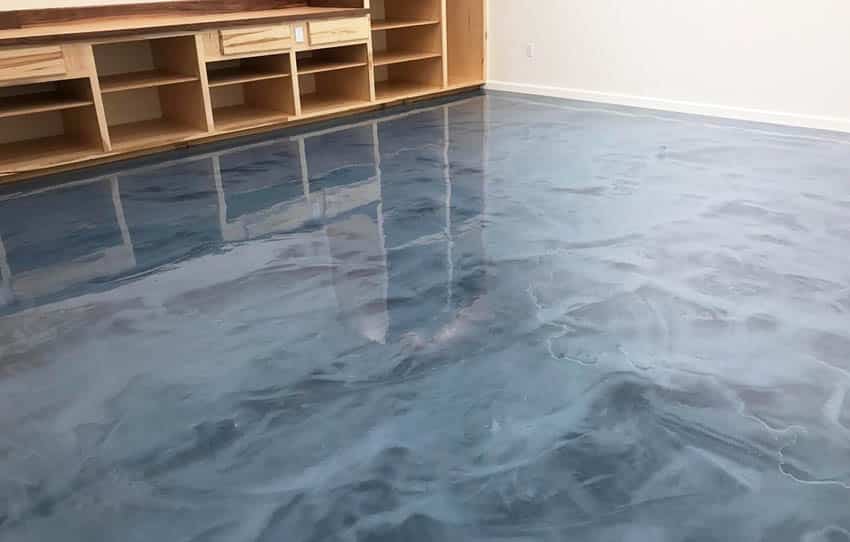
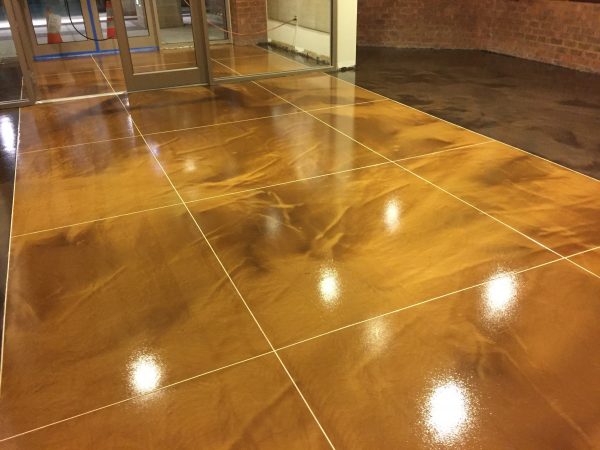
Epoxy floor tiles are interlocking tiles made from a durable polymer material, often reinforced with additives for extra strength. I’ve noticed they come in various designs, including finishes that mimic polished concrete, metallic epoxy, or even decorative patterns. These tiles are resistant to chemicals, stains, and heavy impacts, making them perfect for garages, workshops, and industrial spaces.
One of the biggest advantages I’ve found with epoxy tiles is their ease of installation. Unlike poured epoxy, which requires professional application, these tiles can be laid down as a DIY project. They interlock seamlessly, eliminating the need for adhesives in many cases. This makes them a great option for homeowners who want a high-end look without the hassle of a complex installation process.
Another benefit is their low maintenance. A simple sweep or mop is usually enough to keep them clean. I’ve used them in my own garage, and even after years of heavy use, they still look as good as new. Their resistance to oil, grease, and tire marks makes them a practical choice for anyone needing a tough yet attractive flooring solution.
Why Choose Epoxy Floor Tiles Over Other Options?
Compared to traditional flooring like ceramic tiles or vinyl, epoxy floor tiles offer superior durability. I’ve seen ceramic tiles crack under heavy weight, and vinyl can peel over time, but epoxy tiles hold up exceptionally well. Their interlocking design also means no grout lines, which are often a weak point in other flooring types.
Cost is another factor worth considering. While poured epoxy floors can be expensive due to labor costs, epoxy tiles provide a similar look at a fraction of the price. I’ve helped friends install them in their basements, and they were amazed at how affordable they were compared to other premium flooring options.
Additionally, epoxy tiles are highly customizable. Whether you want a glossy finish, a matte look, or a textured surface for slip resistance, there’s an option available. I’ve even seen them used in retail spaces where aesthetics matter just as much as durability. This flexibility makes them a top choice for both residential and commercial applications.
Where Can You Use Epoxy Floor Tiles?
Garages are one of the most common places I’ve seen epoxy tiles used, and for good reason. They handle vehicle traffic, oil spills, and heavy tools without showing wear. I installed them in my own garage, and the difference in both appearance and functionality was immediate.
Basements are another great application. Since moisture can be an issue, epoxy tiles provide a waterproof barrier that prevents mold and mildew. A friend of mine used them in his basement gym, and they’ve held up perfectly despite constant equipment movement and sweat exposure.
Commercial spaces like workshops, showrooms, and even restaurants can benefit from epoxy tiles. Their resistance to stains and ease of cleaning make them ideal for high-traffic areas. I’ve seen them in auto shops where chemical resistance is crucial, and they perform exceptionally well under tough conditions.

How to Install Epoxy Floor Tiles
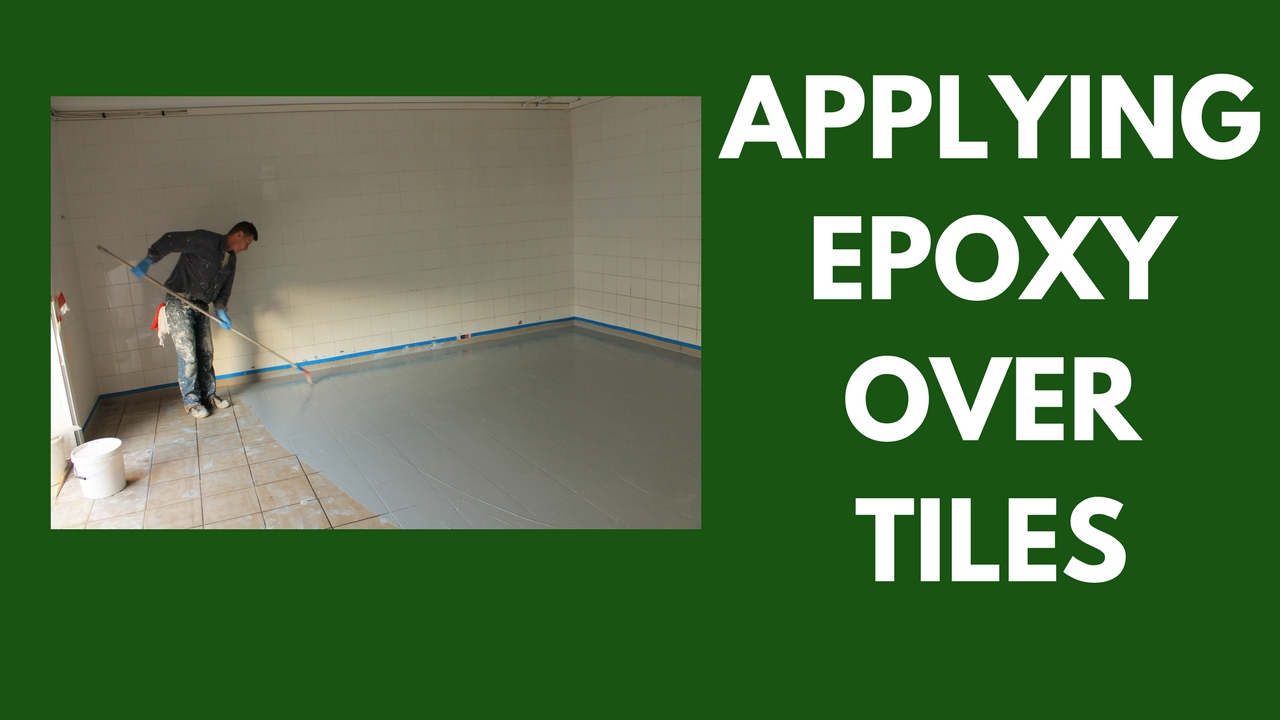
The first step in installing epoxy tiles is preparing the surface. I always make sure the floor is clean, dry, and level before starting. Any cracks or uneven spots should be repaired to ensure a smooth installation. A quick sweep and mop are usually enough for most surfaces.
Next, I lay out the tiles to plan the layout. Starting from one corner, I interlock them row by row. Some tiles may need trimming at the edges, but a utility knife makes this easy. Unlike traditional flooring, there’s no need for glue in many cases, which speeds up the process significantly.
Once all tiles are in place, I double-check for gaps or misalignments. A rubber mallet can help snug them together tightly. The final result is a seamless, professional-looking floor that’s ready for use immediately. I’ve done this in a weekend, and the transformation was impressive.
Maintenance and Longevity of Epoxy Floor Tiles
Keeping epoxy tiles clean is effortless. I usually sweep regularly to remove dirt and occasionally mop with a mild cleaner. Unlike carpets or hardwood, there’s no need for special treatments or waxing. This low-maintenance aspect is one of the reasons I recommend them to busy homeowners.
Over time, epoxy tiles resist fading, even in areas with heavy sunlight exposure. I’ve had mine for years, and they still look vibrant. If a tile ever gets damaged, replacing it is simple since they’re modular. This is a huge advantage over poured epoxy, where repairs can be complicated.
For added protection, some people use a sealant, though it’s not always necessary. I’ve found that the tiles themselves are tough enough to withstand daily wear. Whether in a home or business, they maintain their appearance with minimal effort, making them a smart long-term investment.
Final Thoughts on Epoxy Floor Tiles
After using epoxy floor tiles in multiple projects, I can confidently say they’re one of the best flooring solutions available. Their durability, ease of installation, and stylish options make them suitable for almost any space. I’ve seen them outperform traditional materials time and again.
For anyone considering a flooring upgrade, epoxy tiles offer a balance of practicality and aesthetics. Whether it’s a garage, basement, or commercial area, they deliver lasting performance without the high cost or maintenance of other options. I wouldn’t hesitate to use them again in future projects.
If you’re looking for a floor that combines strength, style, and simplicity, epoxy tiles are worth serious consideration. From personal experience, I can say they’ve exceeded my expectations in every way, proving to be a reliable and attractive choice for any setting.

Are epoxy floor tiles slippery when wet?
Epoxy floor tiles can be slippery when wet, but many come with textured or anti-slip finishes. I’ve used them in my garage, and even with water spills, the textured surface provides enough grip. If slip resistance is a concern, look for tiles specifically designed with this feature. Adding a sealant with grit can also improve traction, making it safer for areas prone to moisture.
Can epoxy tiles be installed over existing flooring?
Yes, epoxy tiles can often be installed over existing flooring, as long as the surface is stable and level. I’ve placed them over concrete and even old vinyl without issues. However, it’s important to ensure the base floor isn’t damaged or uneven, as this could affect the final result. A proper underlayment may be needed in some cases.
How long do epoxy floor tiles last?
With proper care, epoxy floor tiles can last 10 to 20 years or more. I’ve had mine for nearly a decade, and they still look new. Their resistance to wear, chemicals, and UV fading contributes to their longevity. Unlike other flooring types, they don’t require refinishing or extensive upkeep to maintain their appearance.
Can epoxy tiles withstand heavy machinery or vehicles?
Absolutely. Epoxy tiles are designed to handle heavy loads, including vehicles and machinery. I’ve seen them used in auto shops where cars are constantly driven over them, and they hold up perfectly. Their durable polymer construction prevents cracking or damage, even under extreme weight.
Are epoxy floor tiles resistant to chemicals?
Yes, one of the biggest advantages of epoxy tiles is their chemical resistance. I’ve tested them with oil, grease, and cleaning agents, and they show no signs of damage. This makes them ideal for garages, workshops, and industrial spaces where spills are common. They won’t stain or degrade like some other flooring materials.
Can epoxy tiles be used outdoors?
While epoxy tiles are primarily designed for indoor use, some UV-resistant varieties can work outdoors in covered areas. I’ve seen them used in patios and carports, but direct sunlight and extreme weather can affect their lifespan. For full outdoor use, it’s best to check with the manufacturer for tiles specifically rated for exterior conditions.
Epoxy Vs. Modular: Which Type of Garage Flooring Is Easier to Clean?
Related Posts: