When creating sleek and durable flooring solutions, epoxy flooring has been gaining significant attention. Epoxy is a versatile material that offers a range of benefits, but like any choice, it comes with its share of downsides. Let’s dive into the advantages and disadvantages of epoxy flooring, helping you make an informed decision for your next flooring project.
Advantages of Epoxy Flooring
Durability: Epoxy flooring is renowned for its exceptional durability. It’s resistant to impact, chemicals, and heavy foot traffic, making it an ideal choice for commercial and industrial spaces that face constant wear and tear.
Aesthetic Appeal: The glossy finish of epoxy flooring adds a modern and sophisticated touch to any space. It can be customized with various colors, patterns, and even 3D effects, allowing you to create a unique and eye-catching design.
Easy Maintenance: Cleaning epoxy flooring is a breeze. Its seamless and non-porous surface doesn’t allow dirt, dust, or liquids to penetrate, making it simple to sweep, mop, or even use a machine scrubber.
Chemical Resistance: Epoxy’s resistance to chemicals, oils, and stains makes it a preferred choice for garages, laboratories, and industrial facilities where spills are a common occurrence.
Longevity: With proper installation and maintenance, epoxy flooring can last years without showing signs of deterioration, making it a cost-effective investment in the long run.

Disadvantages of Epoxy Flooring
Installation Complexity: While epoxy flooring is durable, its installation requires careful preparation and professional expertise. Improper installation can lead to bubbling, peeling, or an uneven finish.
Slippery When Wet: Epoxy flooring can be slippery, especially when wet. Adding slip-resistant additives can mitigate this issue, but it’s a consideration for spaces prone to moisture.
UV Sensitivity: Direct sunlight exposure can cause the epoxy to turn yellow and degrade over time. This makes it less suitable for outdoor applications or areas with abundant natural light.
Temperature Sensitivity: Extreme temperature fluctuations can impact the performance of epoxy flooring. It may crack or peel in environments with significant temperature variations.
Preparation Time: The installation process of epoxy flooring requires thorough surface preparation, including cleaning, repairing cracks, and ensuring proper adhesion. This preparation phase can prolong the installation timeline.
Epoxy flooring offers a balance of strengths and weaknesses, making it suitable for various applications. Its durability, aesthetic versatility, and easy maintenance are attractive, especially for high-traffic and industrial spaces. However, its installation complexity, potential slipperiness, and sensitivity to UV and temperature changes should be carefully considered. As with any flooring decision, it’s crucial to assess your specific needs and preferences to determine whether epoxy flooring aligns with your goals for a functional and visually appealing space

Understanding the Pros and Cons of Epoxy Floors
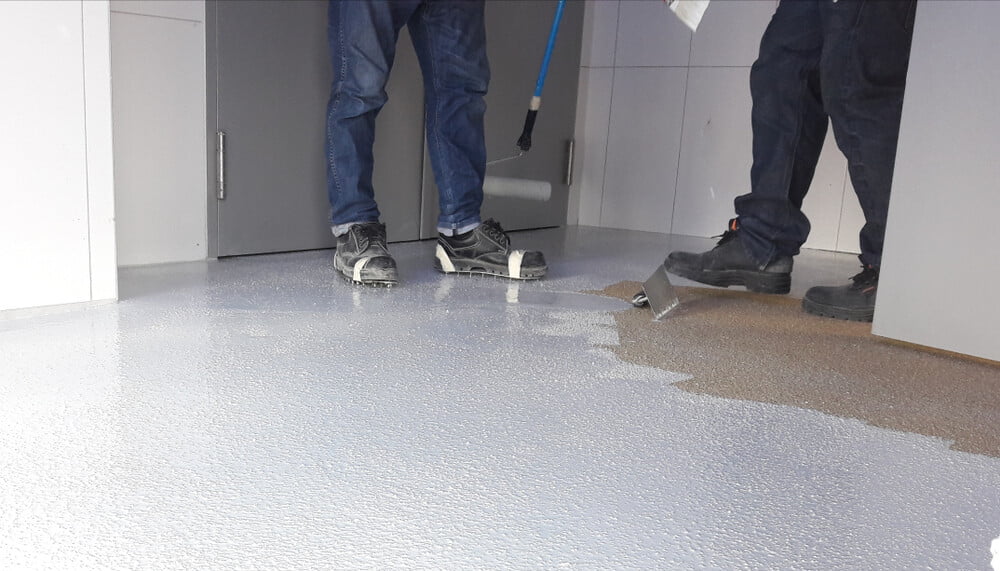
Understanding The Pros and Cons of Epoxy Flooring – Floorcube

7 Factors that cause Epoxy Floors to FAIL

Epoxy Flooring – Types, Uses, Advantages u0026 Disadvantages – Civil Lead

What are the drawbacks of having garage epoxy flooring? – Rep House
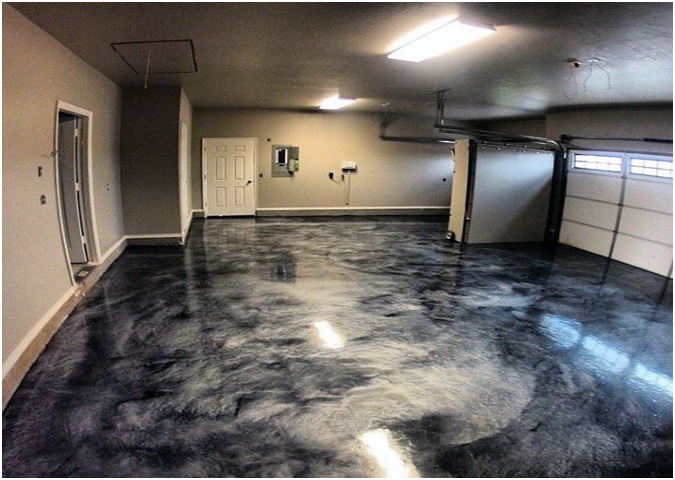
Pros And Cons Of Epoxy Flooring Epoxy Flooring Detroit, MI
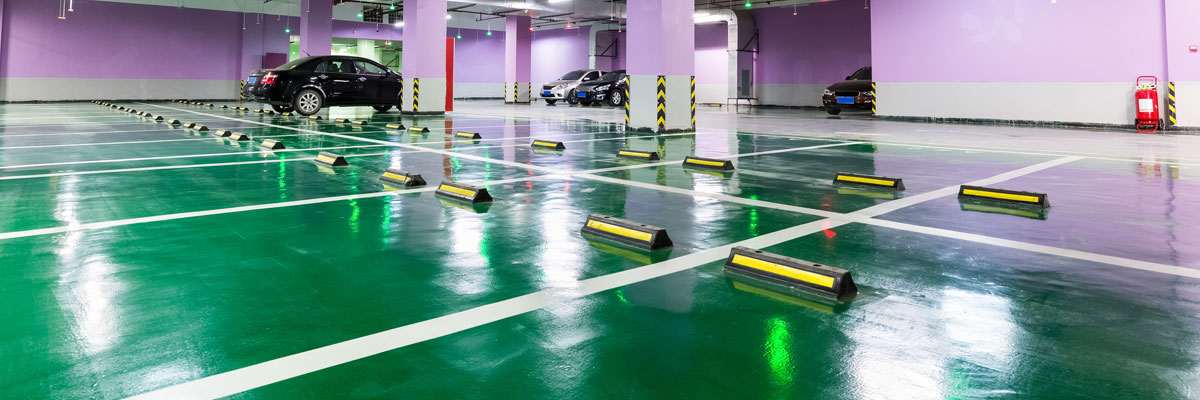
Epoxy Flooring Epoxy Flooring India Epoxy Flooring Advantages Disadvantages Cost
 Related Posts:
- Epoxy Flooring Advantages Disadvantages
- Metallic Epoxy Bathroom Floor
- Sherwin Williams Epoxy Floor
- High Gloss Epoxy Flooring
- Epoxy Flooring Interior Design
- Metallic Epoxy Floor Coating
- Epoxy Floor Coating
- Epoxy Kitchen Floor
- Epoxy Basement Floor
- Epoxy Resin Garage Floor