Maintaining marble floors has been one of the most rewarding yet challenging aspects of owning a home with these stunning natural stone surfaces. When I first moved into my house with beautiful Carrara marble floors, I thought regular mopping would be sufficient to keep them looking pristine. I quickly learned that marble requires specialized care and attention that differs dramatically from other flooring materials. Through years of trial and error, research, and consultation with stone care professionals, I’ve developed a comprehensive maintenance routine that keeps my marble floors looking as beautiful as the day they were installed. This journey has taught me that proper marble care is both an art and a science, requiring patience, the right products, and consistent attention to detail.
Understanding Marble’s Unique Properties
My education about marble began with understanding its fundamental composition and why it behaves differently from other stone materials. Marble is primarily composed of calcium carbonate, which makes it susceptible to acid damage from common household substances like lemon juice, vinegar, and even some cleaning products. I learned this lesson the hard way when I accidentally spilled orange juice on my kitchen marble and left a permanent etch mark that required professional restoration. This experience taught me that marble’s beauty comes with inherent vulnerabilities that must be respected and protected.
The porous nature of marble became another crucial factor in my maintenance routine. Unlike ceramic tiles or sealed concrete, marble naturally absorbs liquids, making it prone to staining if spills aren’t addressed immediately. I discovered that even water can leave marks on marble if allowed to sit and dry repeatedly, creating mineral deposits that gradually build up over time. This porosity also means that marble requires regular sealing to create a protective barrier against stains and moisture penetration, a process I initially overlooked but now consider essential.
Temperature sensitivity presented yet another challenge in my marble maintenance journey. I noticed that my marble floors felt noticeably cooler than other surfaces in my home, which, while pleasant in summer, could be uncomfortable in winter months. More importantly, I learned that extreme temperature changes can cause marble to expand and contract, potentially leading to cracks or separation at seams. This knowledge influenced my approach to heating and cooling my home, ensuring gradual temperature changes to protect my investment in these beautiful floors.
Daily Cleaning Techniques and Best Practices
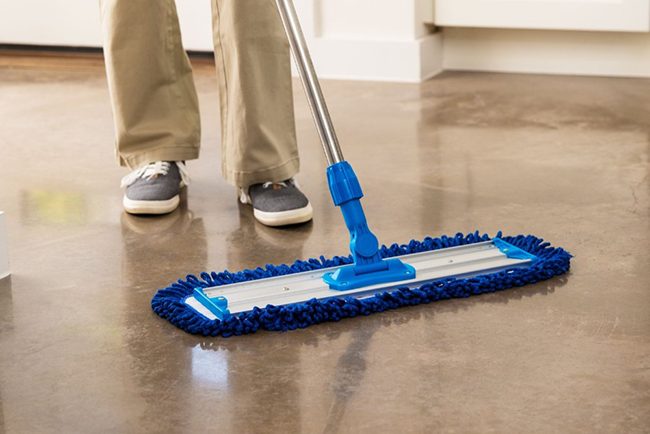
My daily marble maintenance routine centers around prevention and gentle cleaning methods that preserve the stone’s natural beauty. I start each day by sweeping or dust mopping to remove sand, dirt, and debris that could scratch the marble surface during foot traffic. I use a microfiber dust mop that effectively captures particles without the need for chemical cleaners, which helps maintain the marble’s natural luster. This simple daily practice has prevented countless micro-scratches that would otherwise accumulate and dull the surface over time.
When wet cleaning becomes necessary, I use only pH-neutral cleaners specifically designed for natural stone. I learned through expensive mistakes that common household cleaners, even those labeled as “natural” or “gentle,” can damage marble’s surface through chemical reactions. My go-to cleaning solution is a mixture of warm water and a few drops of stone-specific cleaner, applied with a soft microfiber cloth or mop. I always rinse thoroughly with clean water and dry immediately to prevent water spots and mineral buildup.
Spill management has become second nature in my marble maintenance routine. I keep absorbent cloths strategically placed throughout my home for immediate spill cleanup, as timing is crucial with marble floors. For liquid spills, I blot rather than wipe to prevent spreading, then clean with my pH-neutral solution if needed. For sticky substances, I use a plastic scraper to gently remove the material before cleaning. This proactive approach has saved me from numerous potential staining incidents and maintains my floors’ pristine appearance.

Periodic Deep Cleaning and Restoration
Monthly deep cleaning sessions have become essential for maintaining my marble floors’ appearance and protecting their long-term integrity. I use a stone-specific deep cleaner that removes built-up residue and grime that daily cleaning might miss. This process involves applying the cleaner according to the manufacturer’s directions, allowing appropriate dwell time, then thoroughly rinsing and drying. I’ve found that consistent monthly deep cleaning prevents the accumulation of soil and residue that can make marble appear dull and lifeless over time.
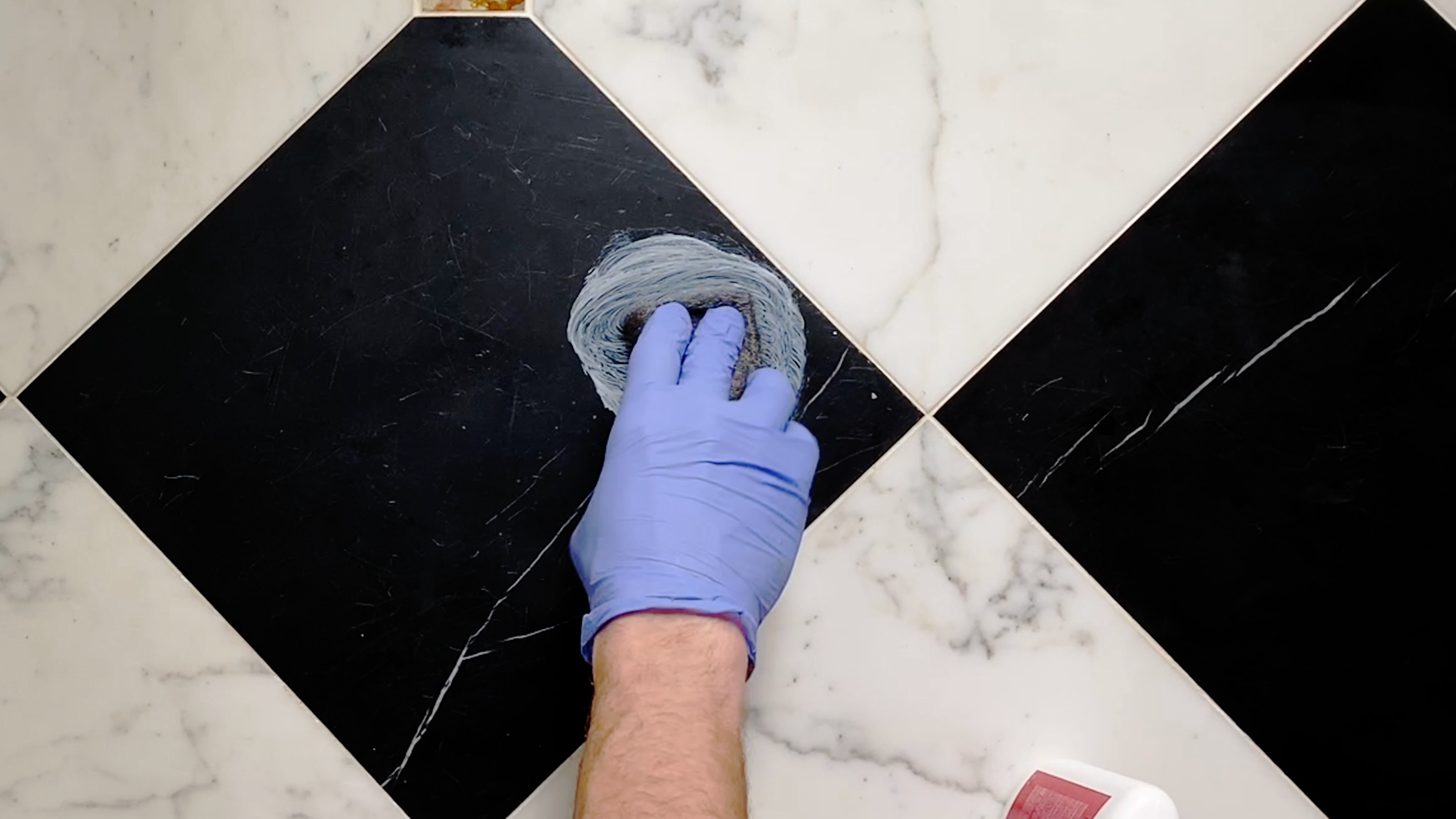
Polishing has become a quarterly ritual that restores my marble floors’ natural shine and smooths minor surface imperfections. I use a marble polishing compound and either hand-polish small areas or rent a buffer for larger spaces. The process requires patience and proper technique, as over-polishing can damage the surface. I learned to work in small sections, apply light pressure, and check progress frequently. This regular polishing has kept my floors looking showroom-new despite years of daily use and occasional mishaps.
Professional restoration services have become necessary every few years to address deeper issues that home maintenance cannot resolve. I schedule professional grinding and polishing when I notice widespread etching, deep scratches, or significant dullness that my regular maintenance routine cannot improve. These professionals use specialized equipment and compounds that achieve results impossible with consumer-grade products. While expensive, professional restoration has proven worthwhile for maintaining my marble floors’ value and appearance over the long term.

Sealing and Protection Strategies
Learning about marble sealing transformed my approach to floor protection and maintenance. I initially assumed that marble floors came pre-sealed and ready for use, but I discovered that sealing is an ongoing maintenance requirement that varies based on marble type, usage, and environmental conditions. My first sealing project was intimidating, but I found that modern sealers are relatively easy to apply with proper preparation and technique. The key is choosing the right sealer type for my specific marble and usage patterns.
Testing for sealer effectiveness became part of my regular maintenance routine. I learned to perform simple water tests by placing drops of water on the marble surface and timing how long they take to absorb. If water penetrates quickly, it’s time to reseal. I also watch for signs like increased staining susceptibility or water spots that indicate compromised sealer protection. This proactive monitoring helps me maintain optimal protection without over-sealing, which can create its problems.
Application technique proved crucial for achieving even, effective sealer coverage. I clean the marble thoroughly and allow it to dry completely before applying sealer in thin, even coats using a microfiber cloth or foam applicator. I work in manageable sections, ensuring complete coverage without pooling or streaking. After application, I allow proper curing time before foot traffic, typically 24-48 hours, depending on the product. This careful approach ensures maximum protection and longevity from each sealing application.
Preventing Damage and Staining
My damage prevention strategy focuses on controlling the environment and establishing protective habits that preserve my marble floors’ integrity. I use high-quality doormats both inside and outside entrances to capture dirt and moisture before they reach the marble. I also maintain consistent humidity levels in my home, as extreme dryness or moisture can affect marble’s stability. These environmental controls have significantly reduced maintenance requirements and prevented many potential problems before they could occur.
Furniture protection has become a crucial aspect of my marble maintenance routine. I use felt pads under all furniture legs and replace them regularly as they wear down. For heavy furniture, I use furniture sliders when moving pieces to prevent scratching. I’ve also learned to lift rather than drag any objects across the marble surface, no matter how small. These simple precautions have prevented countless scratches and chips that would have required expensive repairs or professional restoration.
Traffic pattern management helps distribute wear evenly across my marble floors. I occasionally rearrange furniture to change foot traffic patterns, preventing excessive wear in high-traffic areas. I also use area rugs in strategic locations to protect the marble while adding design elements to my rooms. These rugs are easy to clean or replace, making them a cost-effective protection for my valuable marble floors. This proactive approach has kept my floors looking uniform and beautiful despite years of regular use.
Troubleshooting Common Issues
Etching has been the most common issue I’ve encountered with my marble floors, typically caused by acidic substances that chemically react with the calcium carbonate in marble. I’ve learned to identify etching early as dull, rough spots that feel different from the surrounding surface. For minor etching, I use marble polishing powder and elbow grease to restore the surface. Deeper etching requires professional attention, but catching it early has saved me significant restoration costs over the years.
Water spots and mineral deposits present ongoing challenges, especially in areas with hard water. I’ve learned to dry marble surfaces immediately after cleaning to prevent these deposits from forming. When spots do appear, I use a specialized marble cleaner designed to dissolve mineral buildup without damaging the stone. For stubborn deposits, I make a paste with marble polishing powder and water, apply it to the affected area, and gently polish until the spots disappear. This technique has been effective for maintaining a consistent appearance across my floors.
Scratches from daily use are inevitable but manageable with proper care. I assess scratches by running my fingernail across them; if the nail catches, the scratch likely needs professional attention. Surface scratches often respond to marble polishing compounds and careful hand polishing. I work gradually, checking progress frequently to avoid over-polishing. For deeper scratches, I’ve learned that professional restoration is more cost-effective than attempting DIY repairs that might cause additional damage. This balanced approach has kept my floors looking excellent despite normal wear and tear.
How often should I seal my marble floors to maintain proper protection?
Marble sealing frequency depends on several factors, including marble type, traffic levels, and environmental conditions. I typically reseal my high-traffic areas annually and lower-traffic areas every 18-24 months. The water test method helps determine when resealing is needed. If water absorbs quickly, it’s time. Some dense marbles may need sealing less frequently, while softer marbles require more frequent attention. I keep detailed records of sealing dates and products used to maintain consistent protection. Professional assessment can help determine optimal sealing schedules for your specific situation.
What’s the best way to remove stains from marble floors without causing damage?
Stain removal depends on the stain type and how long it’s been present. For organic stains like coffee or wine, I create a poultice using marble polishing powder and hydrogen peroxide, apply it to the stain, cover with plastic wrap, and let it sit overnight. Oil-based stains require poultices made with acetone or mineral spirits. I never use acidic cleaners or abrasive materials that could etch or scratch the marble. For stubborn or unknown stains, professional cleaning is safer than risking permanent damage through inappropriate treatment methods.

Can I use regular household cleaners on my marble floors?
Most household cleaners are too acidic or alkaline for marble and can cause permanent damage. I avoid anything containing vinegar, lemon, ammonia, or bleach, as these will etch the marble surface. Even “natural” cleaners can be harmful if they contain citric acid or other acidic ingredients. I exclusively use pH-neutral cleaners specifically formulated for natural stone. Reading labels carefully and testing new products in inconspicuous areas helps prevent costly mistakes. The investment in proper cleaners is minimal compared to restoration costs from using inappropriate products.
How do I know if my marble floors need professional restoration?
Professional restoration becomes necessary when home maintenance can’t address widespread dulling, deep scratches, or extensive etching. I look for signs like loss of shine across large areas, rough texture, or stains that don’t respond to proper cleaning techniques. If multiple areas show damage or if the marble feels gritty underfoot, professional grinding and polishing are likely needed. I also consider professional service when sealer isn’t penetrating properly or when water spots persist despite proper cleaning. Annual professional assessment helps identify problems early when they’re less expensive to address.

What’s the difference between marble polishing and marble cleaning?
Marble cleaning removes dirt, grime, and surface contaminants using appropriate cleaners and techniques. Polishing, however, actually abrades the marble surface slightly to remove scratches and restore shine through mechanical action. I clean my floors regularly, but polish only when needed to address surface damage or restore luster. Polishing requires special compounds and techniques that differ from cleaning methods. Over-polishing can damage marble, so I use it judiciously and consider professional polishing for significant restoration needs. Understanding this difference helps maintain marble properly without causing inadvertent damage.
Are there specific environmental conditions that affect marble floor maintenance?
Environmental factors significantly impact marble maintenance requirements. High humidity can promote mold growth in grout lines and affect sealer performance, while low humidity can cause marble to contract and potentially crack. I maintain consistent humidity levels between 30-50% using humidifiers or dehumidifiers as needed. Temperature extremes also affect marble, so I avoid rapid heating or cooling that could cause thermal shock. UV exposure can fade some marble types, so I use window treatments in areas with direct sunlight. Controlling these environmental factors reduces maintenance needs and extends marble floor life significantly.
Floor Cleaning Tips for Vinyl, Tiles and Marble Flooring
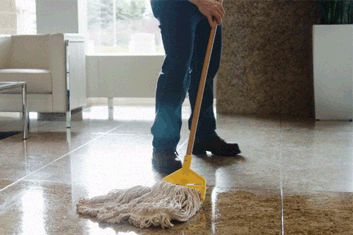
EASY KIT FOR POLISHING MARBLE FLOORS
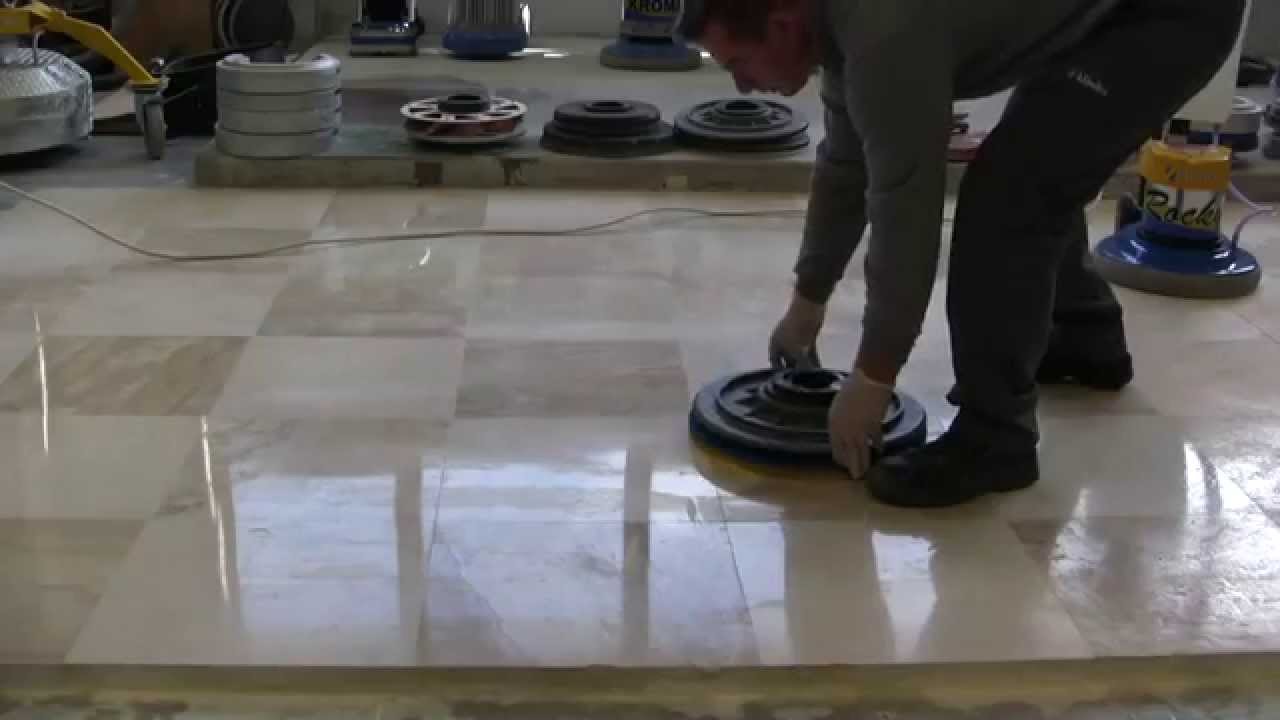
How to Polish Marble Floor? All you need to know! – Wipeout
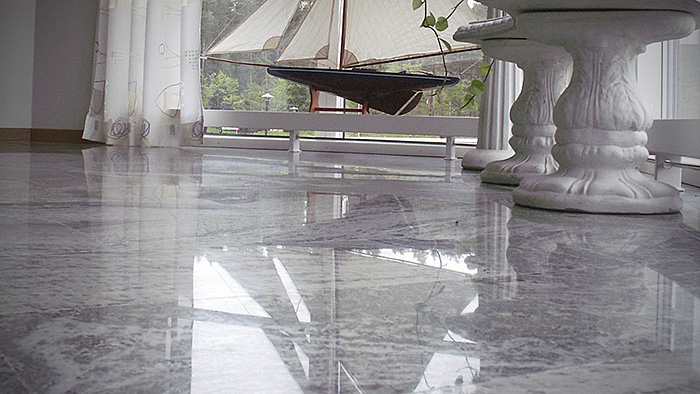
mistakes to avoid when polishing your marble floor
Related Posts: