Mexican floor tiles are a fantastic choice when it comes to adding a vibrant and authentic touch to your kitchen. With their bold colors and intricate patterns, these tiles can transform any kitchen into a lively and inviting space. In this article, I’ll guide you through the beauty and benefits of Mexican floor tiles and address some commonly asked questions.
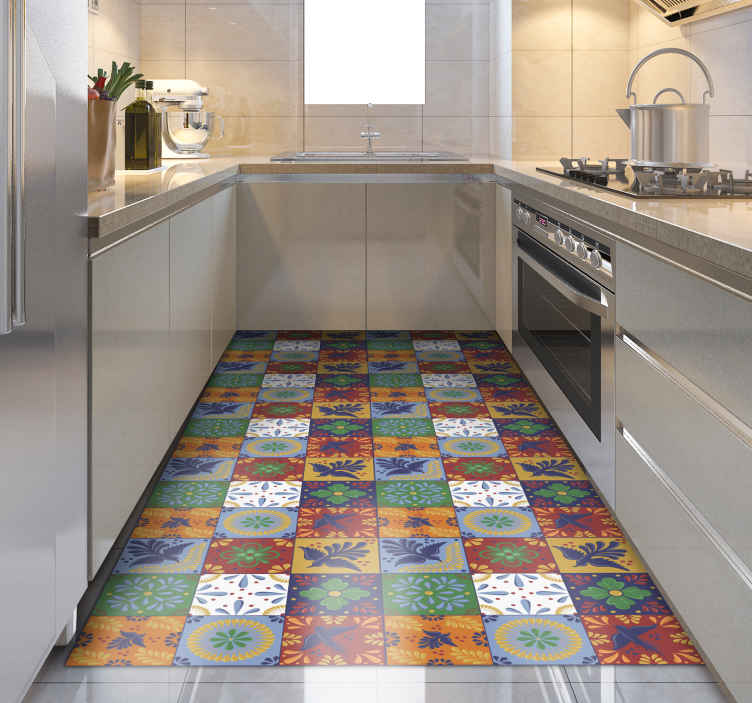
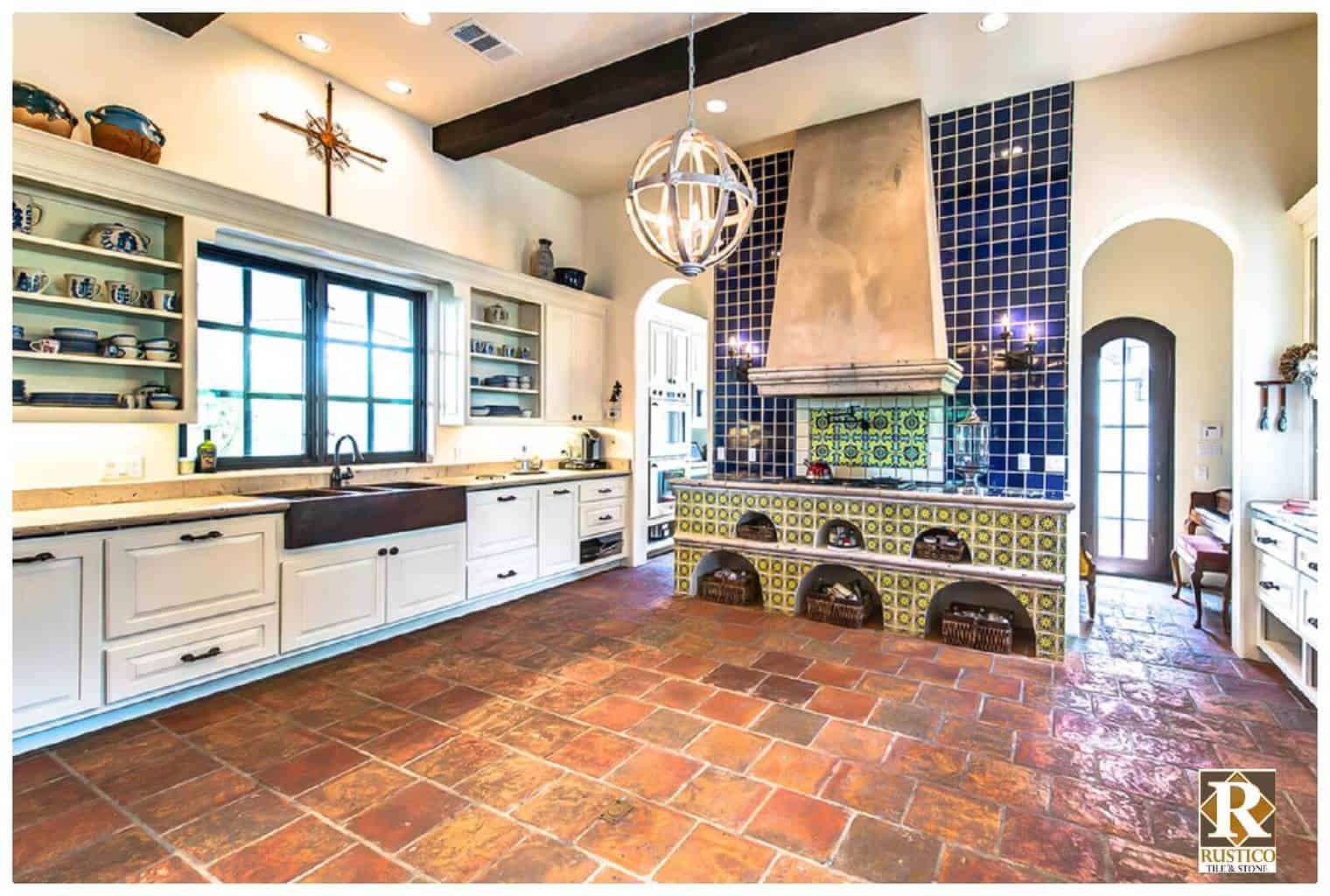
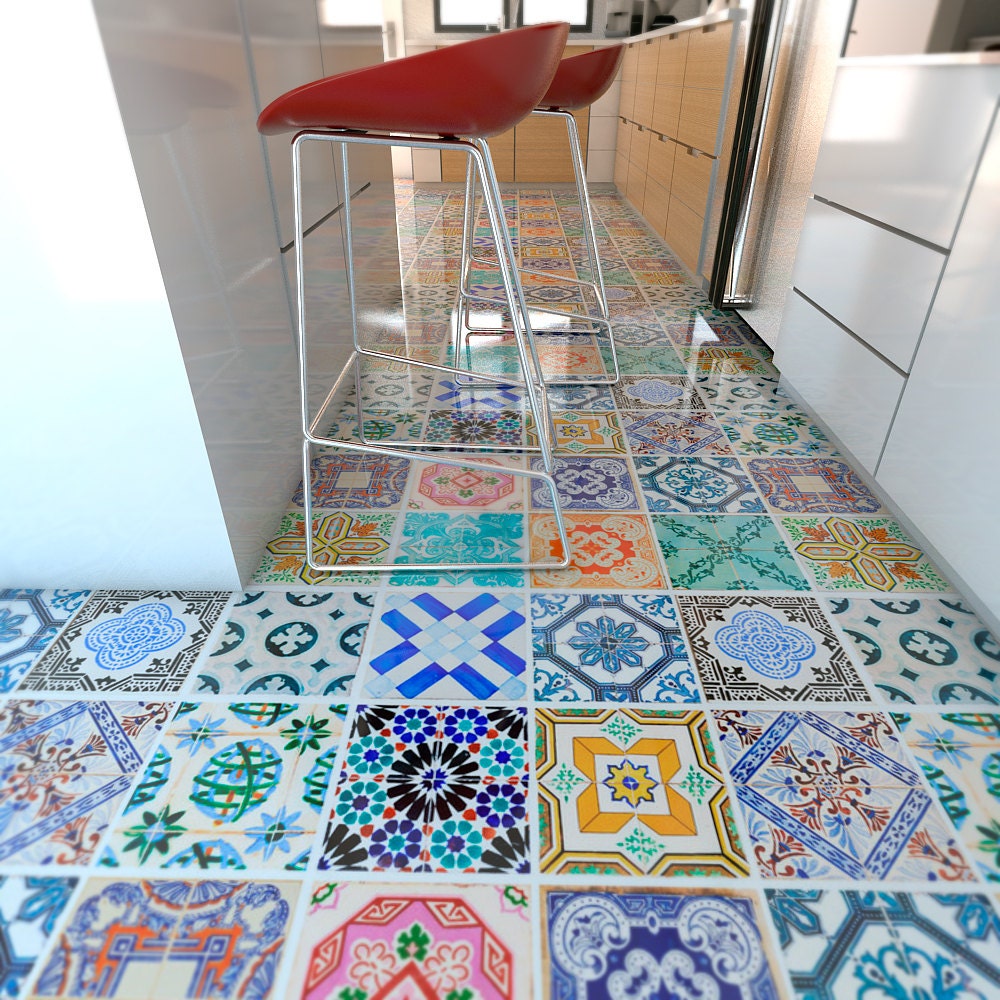
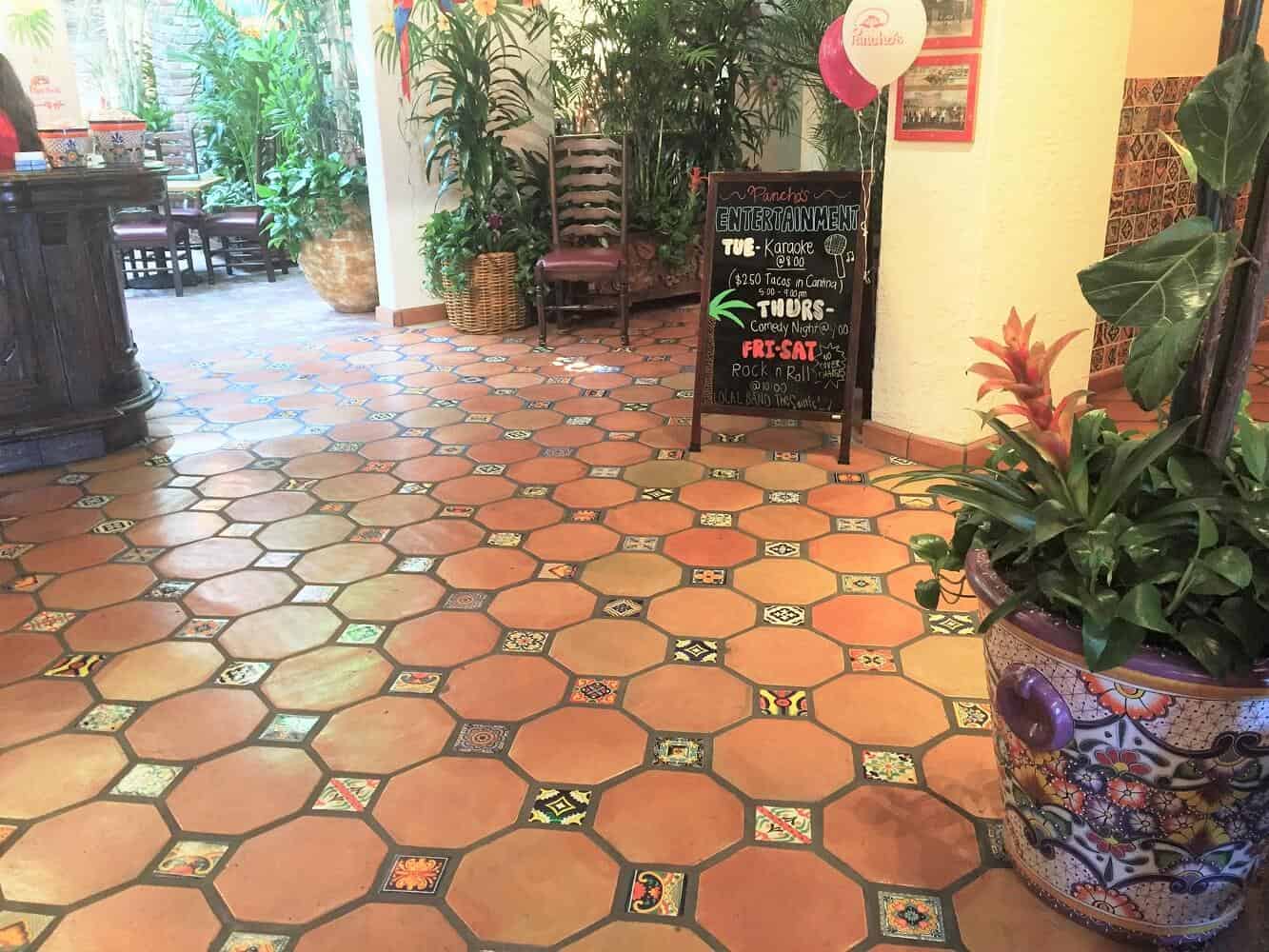
Mexican floor tiles are known for their unique and eye-catching designs. They often feature hand-painted patterns that draw inspiration from Mexican culture and heritage. From geometric shapes to floral motifs, these tiles showcase the rich artistic traditions of Mexico. The vibrant colors, such as terracotta, cobalt blue, and vibrant yellows, create a warm and inviting atmosphere in the kitchen.
One of the key advantages of Mexican floor tiles is their durability. Made from high-quality materials like ceramic or clay, these tiles are built to last. They can withstand heavy foot traffic, spills, and heat, making them an ideal choice for kitchens where accidents and messes are bound to happen. Additionally, the glazed finish on the tiles adds an extra layer of protection, making them easier to clean and maintain.
Mexican floor tiles can bring a vibrant and authentic touch to your kitchen. Their bold colors and intricate patterns add character and charm to any space. With proper care and maintenance, these tiles can withstand the demands of a busy kitchen while providing a unique and visually appealing backdrop. Consider Mexican floor tiles for your kitchen renovation and enjoy the warmth and beauty they bring to your home.
Are Mexican floor tiles suitable for a modern kitchen?
Absolutely! Mexican floor tiles can add a unique and eclectic touch to modern kitchen designs. Their vibrant colors and intricate patterns can create a stunning focal point in an otherwise minimalist or contemporary kitchen. Consider pairing them with sleek countertops and minimalist cabinetry for a harmonious blend of old and new.
How do I clean and maintain Mexican floor tiles?
Cleaning Mexican floor tiles is relatively simple. Sweep or vacuum regularly to remove dirt and debris. For deeper cleaning, use a mild detergent or a specially formulated tile cleaner. Avoid using harsh abrasives that can scratch the glaze. Additionally, it’s a good idea to periodically apply a sealer to protect the tiles and keep them looking their best.
Can Mexican floor tiles be used outdoors?
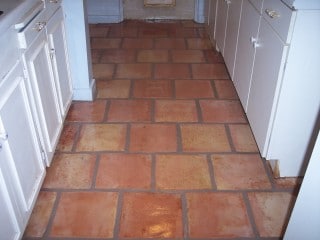
Mexican floor tiles are primarily designed for indoor use. However, certain types of Mexican tiles, such as Saltillo tiles, are suitable for outdoor applications. Saltillo tiles are made from clay and have been used for centuries in Mexican homes. They offer a rustic and earthy charm, making them an excellent choice for outdoor patios or terraces.
Are Mexican floor tiles expensive?
The cost of Mexican floor tiles can vary depending on factors such as the type of tile, the complexity of the design, and the manufacturer. Generally, Mexican tiles are considered affordable compared to other high-end tile options. It’s best to consult with tile suppliers or visit local stores to get a better idea of the price range and options available.
Can Mexican floor tiles be used for kitchen countertops?
Mexican floor tiles are primarily designed for flooring applications. While it’s technically possible to use them for kitchen countertops, it’s not recommended. The glaze on the tiles may not be as durable as a proper countertop material, and they may not provide the same level of resistance to heat and stains. It’s better to opt for dedicated countertop materials such as granite, quartz, or ceramic tiles specifically designed for countertops.
We use cookies on our website to give you the most relevant experience by remembering your preferences and repeat visits. By clicking “Accept All”, you consent to the use of ALL the cookies. However, you may visit "Cookie Settings" to provide a controlled consent.
This website uses cookies to improve your experience while you navigate through the website. Out of these, the cookies that are categorized as necessary are stored on your browser as they are essential for the working of basic functionalities of the website. We also use third-party cookies that help us analyze and understand how you use this website. These cookies will be stored in your browser only with your consent. You also have the option to opt-out of these cookies. But opting out of some of these cookies may affect your browsing experience.
Necessary cookies are absolutely essential for the website to function properly. These cookies ensure basic functionalities and security features of the website, anonymously.
Cookie
Duration
Description
cookielawinfo-checkbox-analytics
11 months
This cookie is set by GDPR Cookie Consent plugin. The cookie is used to store the user consent for the cookies in the category "Analytics".
cookielawinfo-checkbox-functional
11 months
The cookie is set by GDPR cookie consent to record the user consent for the cookies in the category "Functional".
cookielawinfo-checkbox-necessary
11 months
This cookie is set by GDPR Cookie Consent plugin. The cookies is used to store the user consent for the cookies in the category "Necessary".
cookielawinfo-checkbox-others
11 months
This cookie is set by GDPR Cookie Consent plugin. The cookie is used to store the user consent for the cookies in the category "Other.
cookielawinfo-checkbox-performance
11 months
This cookie is set by GDPR Cookie Consent plugin. The cookie is used to store the user consent for the cookies in the category "Performance".
viewed_cookie_policy
11 months
The cookie is set by the GDPR Cookie Consent plugin and is used to store whether or not user has consented to the use of cookies. It does not store any personal data.
Functional cookies help to perform certain functionalities like sharing the content of the website on social media platforms, collect feedbacks, and other third-party features.
Performance cookies are used to understand and analyze the key performance indexes of the website which helps in delivering a better user experience for the visitors.
Analytical cookies are used to understand how visitors interact with the website. These cookies help provide information on metrics the number of visitors, bounce rate, traffic source, etc.
Advertisement cookies are used to provide visitors with relevant ads and marketing campaigns. These cookies track visitors across websites and collect information to provide customized ads.
 Mexican floor tiles can bring a vibrant and authentic touch to your kitchen. Their bold colors and intricate patterns add character and charm to any space. With proper care and maintenance, these tiles can withstand the demands of a busy kitchen while providing a unique and visually appealing backdrop. Consider Mexican floor tiles for your kitchen renovation and enjoy the warmth and beauty they bring to your home.





 Related Posts: