Five years ago, I decided to install natural marble flooring throughout my main living areas, despite warnings from friends about maintenance challenges and costs. What followed was an educational experience that taught me both the breathtaking beauty and demanding nature of this luxurious material. From selecting the perfect slabs to dealing with unexpected staining incidents, my marble floors have been a source of both pride and occasional frustration. Through careful research, professional guidance, and plenty of trial and error, I’ve learned to appreciate marble’s unique character while developing effective maintenance strategies that keep my floors looking spectacular.
Choosing the Right Marble Type
My marble selection journey began at a local stone yard where I was overwhelmed by the variety of natural stones available. Carrara, Calacatta, Emperador, and dozens of other options each offered distinct veining patterns and color variations. I spent hours studying different slabs, learning that no two pieces are identical, which makes marble flooring truly one-of-a-kind in every installation.
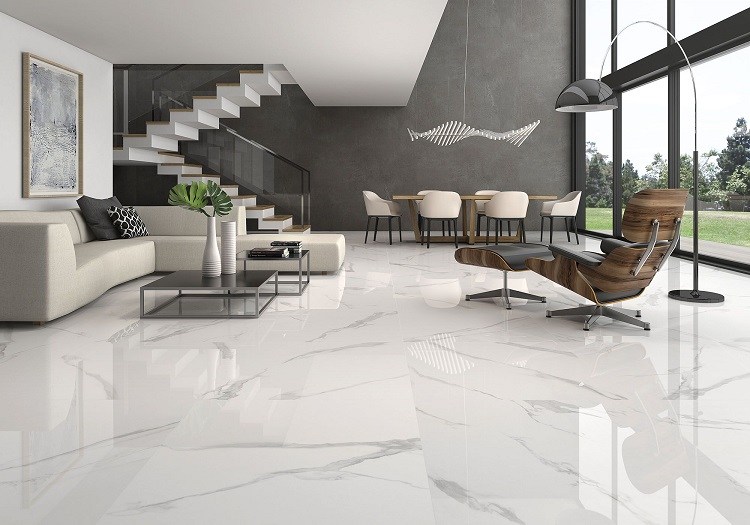
The decision between honed and polished finishes proved more complex than anticipated. Polished marble offers stunning shine and depth but shows every scratch and water spot immediately. Honed finishes provide better slip resistance and hide minor imperfections while maintaining marble’s natural beauty. After extensive consideration, I chose polished Carrara for formal areas and honed Emperador for high-traffic zones.
Understanding marble grading systems helped me make informed decisions about quality and pricing. Grade A marble features consistent coloring and minimal veining irregularities, while lower grades offer more dramatic patterns at reduced costs. I learned that “imperfections” in natural stone often create the most stunning visual interest, so I embraced variation rather than seeking uniformity throughout my spaces.
The Installation Process
Professional installation became non-negotiable after researching marble’s weight and precision requirements. My installer emphasized the importance of proper subfloor preparation, including additional support beams to handle marble’s substantial weight. The subfloor needed to be perfectly level, as any irregularities would telegraph through the stone and potentially cause cracking over time.
Watching the installation taught me about the complexity of marble cutting and fitting. Each piece required precise measurement and cutting with diamond-blade saws to achieve clean edges. The installer used laser levels and spacer systems to ensure consistent gaps for grout lines. Dry-fitting each section before final placement prevented costly mistakes and ensured proper pattern alignment.
The grouting process required specialized techniques and materials designed specifically for natural stone. Standard cement grouts can stain marble, so we used epoxy-based grouts that resist staining and provide superior adhesion. Sealing the marble before grouting prevented grout haze and staining, though this added extra time and complexity to the installation timeline.
Daily Living with Marble
Living with marble floors quickly taught me new household habits and maintenance routines. Acidic substances like lemon juice, wine, or vinegar can etch marble surfaces within minutes, creating permanent dull spots that require professional restoration. I learned to clean spills immediately and use coasters religiously to protect my investment from everyday accidents.
The tactile experience of marble flooring exceeded my expectations in both positive and challenging ways. The cool surface feels wonderful during summer months, but can be uncomfortably cold in winter without radiant heating. I invested in area rugs for comfort while preserving the visual impact of the beautiful stone patterns beneath.
Marble’s acoustic properties surprised me with their ability to amplify sounds throughout the house. Footsteps, dropped items, and conversations echo more than with other flooring materials. While this creates an elegant ambiance reminiscent of European palazzos, it also means being more conscious of noise levels, especially in multi-story homes.
Maintenance Challenges and Solutions
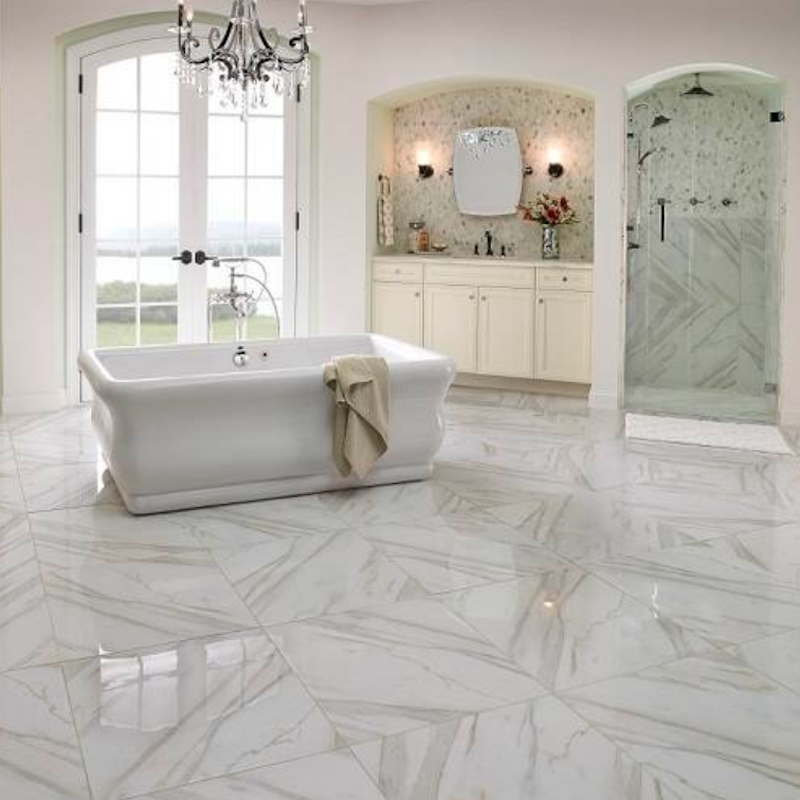
My first major staining incident occurred during a dinner party when red wine soaked into unsealed marble near the dining area. This expensive lesson taught me the critical importance of proper sealing and regular resealing schedules. I now apply penetrating sealers annually and check for water absorption to determine when resealing is necessary.
Developing an effective cleaning routine required abandoning conventional floor cleaners that contain acids or harsh chemicals. I use pH-neutral stone cleaners exclusively and have learned to appreciate the natural patina that develops over time. Weekly deep cleaning with specialized marble cleaners maintains the surface while preserving the stone’s natural characteristics.
Professional restoration became necessary after two years to address minor etching and restore the original polish. This process involved diamond grinding and polishing that removed surface imperfections while renewing the stone’s luster. The cost was significant, but the results justified the investment by returning my floors to their original stunning condition.
Long-Term Value and Appreciation
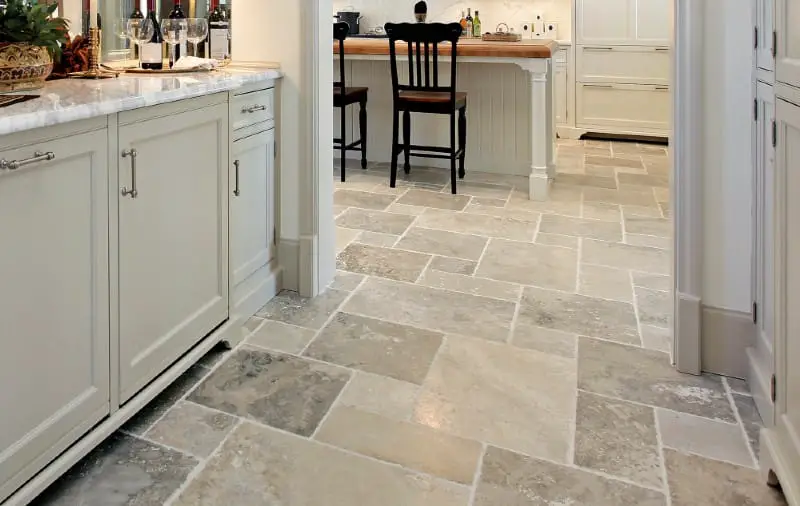
The investment value of natural marble flooring has exceeded my expectations as property values in my neighborhood have increased. Real estate professionals consistently highlight the marble floors as a premium feature that distinguishes my home from others on the market. The timeless appeal of natural stone continues to attract potential buyers and justifies the initial investment.
Marble’s aging characteristics have proven surprisingly appealing as the stone develops a subtle patina that enhances its natural beauty. Small etches and wear patterns tell the story of daily life while adding character that manufactured materials cannot replicate. This natural aging process has taught me to embrace imperfection as part of marble’s authentic charm.
The emotional satisfaction of owning genuine marble floors continues to bring daily pleasure even after five years. Walking barefoot across cool stone on summer mornings, admiring unique veining patterns in changing light, and hosting gatherings where guests consistently compliment the flooring validates every maintenance challenge and expense I’ve encountered.

Lessons Learned and Recommendations
Understanding marble’s limitations before installation would have prevented several costly mistakes and unrealistic expectations. Marble requires lifestyle adjustments, regular maintenance, and acceptance of natural aging that many homeowners aren’t prepared for. However, those willing to embrace these requirements will be rewarded with unparalleled beauty and lasting value.
Professional installation and ongoing maintenance prove essential for long-term satisfaction with marble flooring. Attempting DIY approaches or using inadequate contractors leads to problems that cost far more to fix than doing it right initially. Investing in quality installation and regular professional care protects your investment and maintains the stone’s appearance.
My recommendation for prospective marble floor owners is to start with smaller areas like powder rooms or entryways before committing to whole-house installations. This approach allows you to experience marble’s maintenance requirements firsthand while determining if this beautiful but demanding material suits your lifestyle and expectations.

How much does natural marble flooring typically cost including installation?
Natural marble flooring costs vary significantly based on stone type, finish, and installation complexity. Budget $15-25 per square foot for mid-grade marble like Carrara, while premium stones like Calacatta can reach $40-60 per square foot. Installation adds $8-15 per square foot, depending on layout complexity and subfloor preparation needs. Factor in additional costs for sealing, special adhesives, and potential structural reinforcement for upper floors requiring professional assessment.
What’s the best way to prevent staining and etching on marble floors?
Prevention starts with proper sealing using penetrating sealers applied annually or as needed based on water absorption tests. Clean spills immediately, especially acidic substances like wine, citrus, or vinegar that cause permanent etching. Use pH-neutral cleaners exclusively and avoid conventional household cleaners containing acids. Place protective mats at entrances and use coasters consistently. Regular professional maintenance prevents minor issues from becoming expensive restoration projects.

Can marble floors be installed over existing flooring or do they require special subfloor preparation?
Marble installation typically requires removing existing flooring to properly prepare the subfloor for the stone’s weight and precision requirements. Subfloors must be perfectly level, structurally sound, and capable of supporting 12-15 pounds per square foot. Many installations require additional floor joists or reinforcement, especially on upper levels. Existing concrete slabs may work with proper leveling and moisture barriers, but professional assessment is essential for successful installation.
How do I maintain the shine and appearance of polished marble floors?
Maintaining polished marble requires daily sweeping or vacuuming to remove abrasive particles, weekly cleaning with pH-neutral stone cleaners, and immediate spill cleanup. Use microfiber mops and avoid vinegar, lemon, or acidic cleaners that cause etching. Apply penetrating sealers annually and consider professional polishing every 2-3 years to restore original luster. High-traffic areas may need more frequent professional attention to maintain a consistent appearance throughout your space.
Are marble floors suitable for kitchens and bathrooms with high moisture?
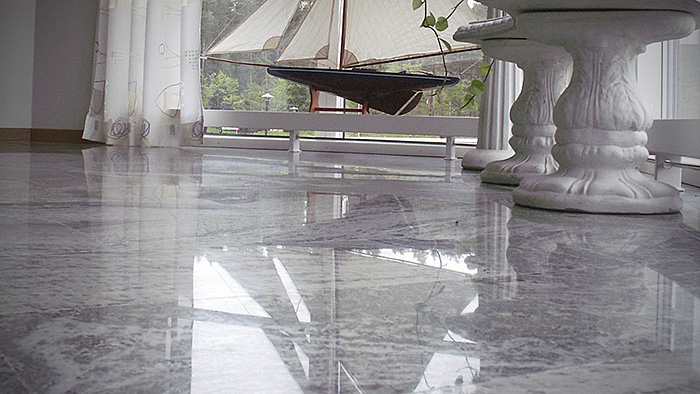
Marble can work in kitchens and bathrooms with proper sealing, ventilation, and maintenance commitment. These areas require more frequent sealing and immediate attention to spills, especially in kitchens where acidic foods pose constant etching risks. Bathrooms need excellent ventilation to prevent water damage and mold growth in grout lines. Consider honed finishes for better slip resistance in wet areas, and budget for more intensive maintenance in these challenging environments.
What are the main differences between marble and other natural stone flooring options?
Marble is softer and more porous than granite or quartzite, making it more susceptible to scratching, staining, and acid etching but easier to repair and restore. Limestone and travertine share marble’s maintenance challenges but offer different aesthetic options. Slate and granite provide superior durability with less maintenance but fewer color options. Marble offers unmatched elegance and veining patterns, but requires the highest maintenance commitment among natural stone flooring choices.

Natural Stone Intex Flooring

All You Need to Know about Artificial Marble and Natural Marble
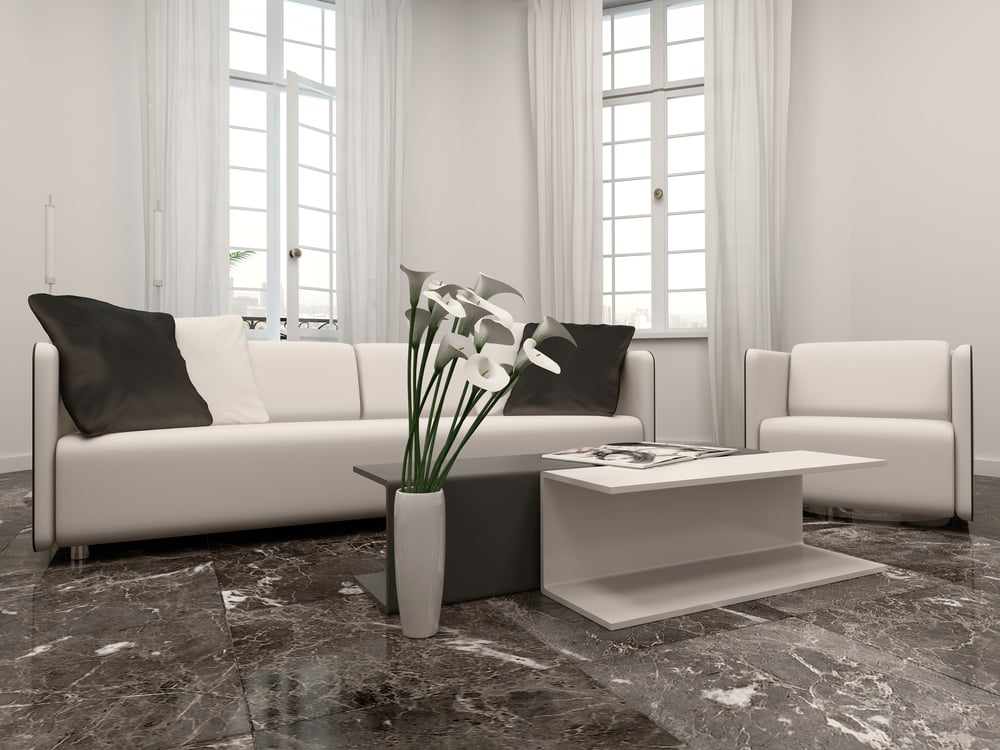
Seventh Avenue Marble Effect Tiles. Realistic alternative to

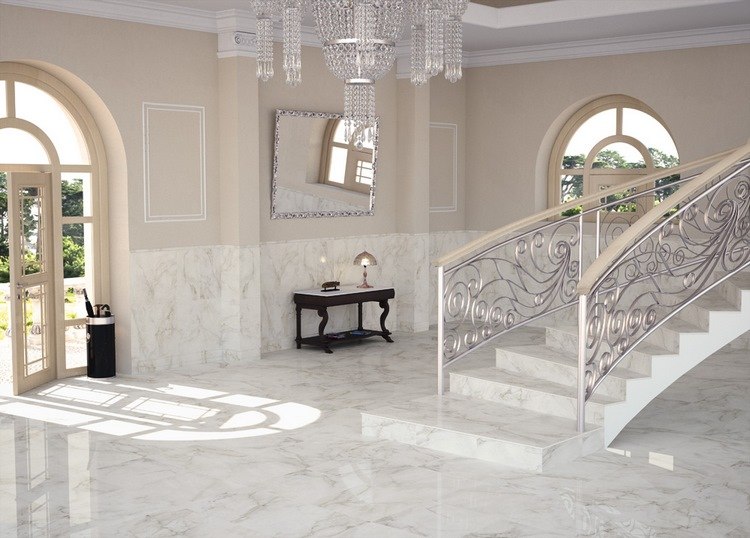
Marble floors – the noble beauty of natural stone in home interiors
Related Posts: