When I first started thinking about upgrading my floors, oak laminate flooring caught my eye because it promised the classic look of oak without the high price tag or maintenance headaches. I wanted something warm, inviting, and practical for everyday life, especially with pets and kids running around. After spending some time figuring out what works and what doesn’t, I’m excited to share my experience and tips to help you decide if oak laminate might be the right fit for your space.
The Charm of Oak Laminate Flooring
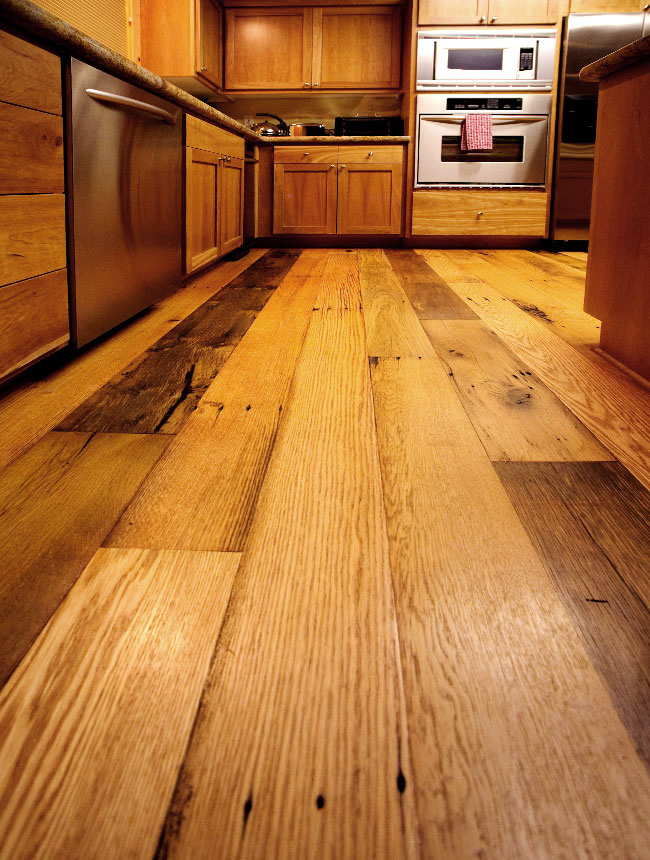
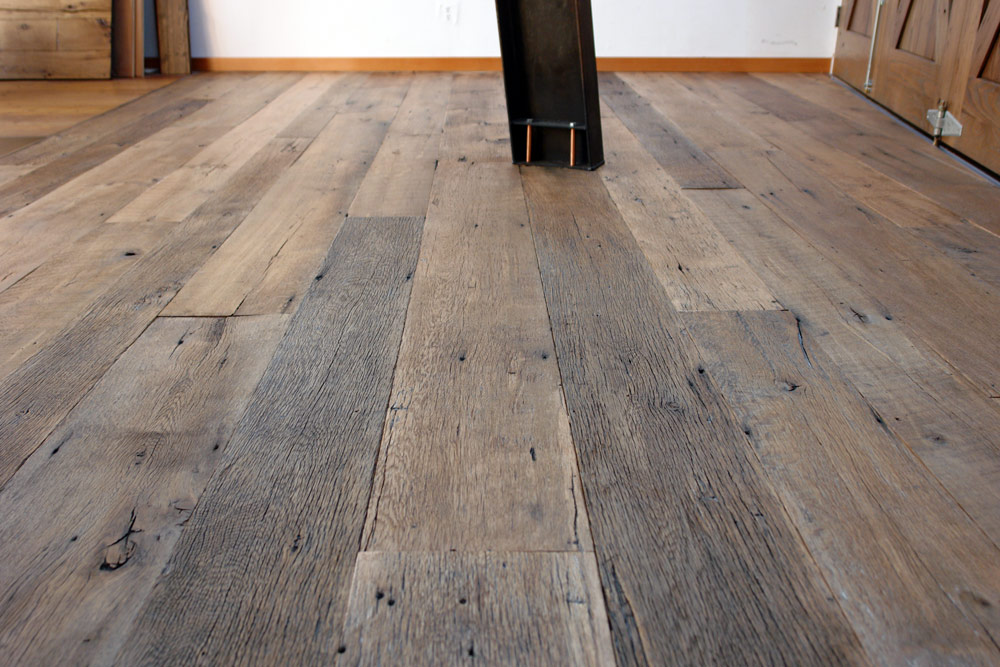
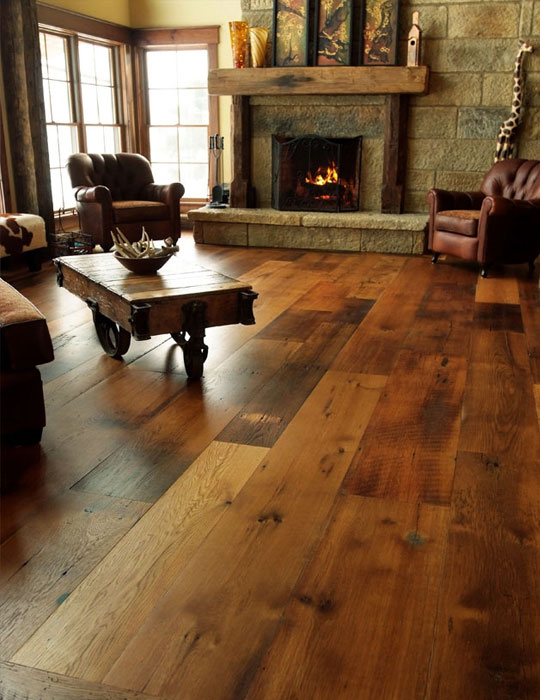
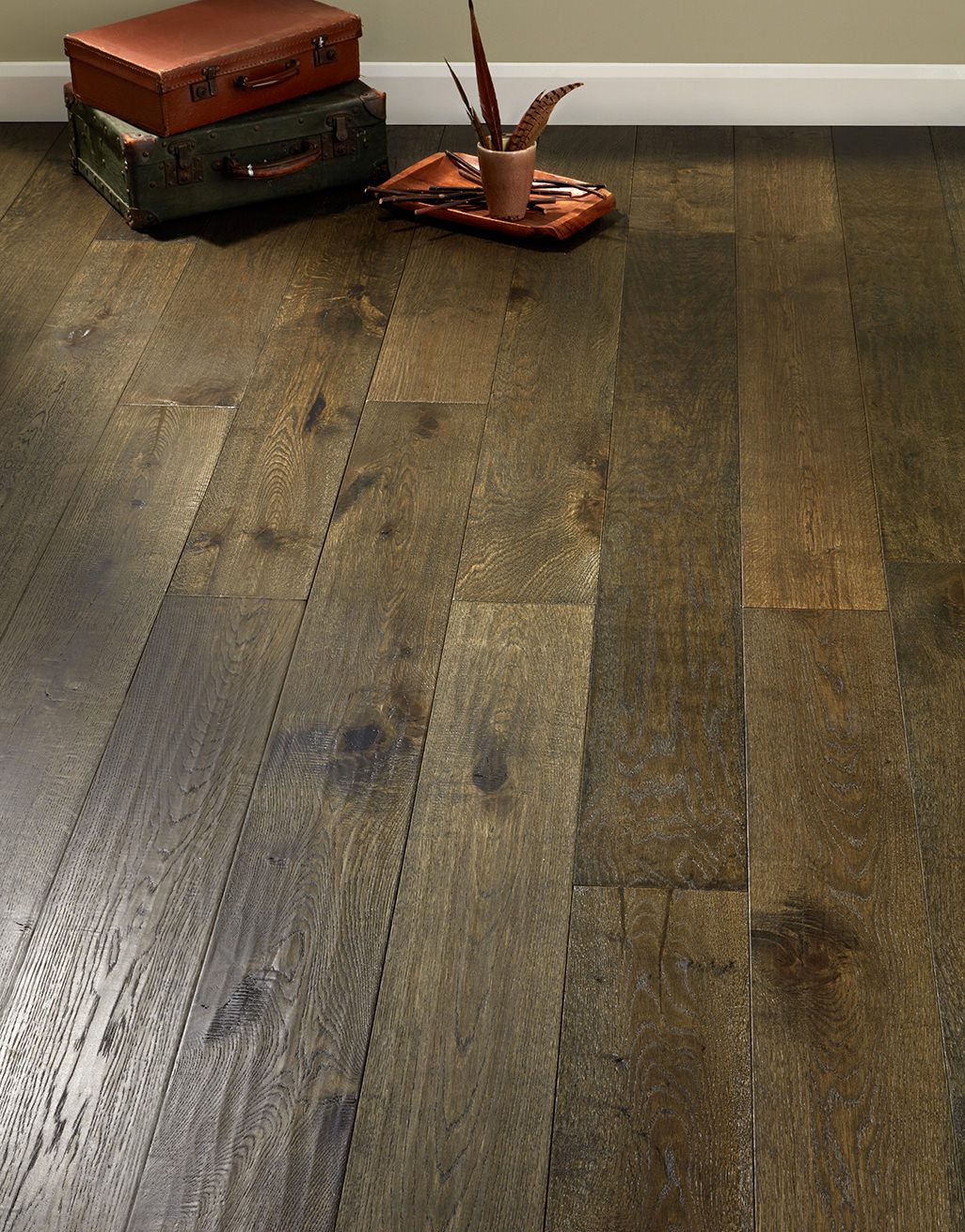
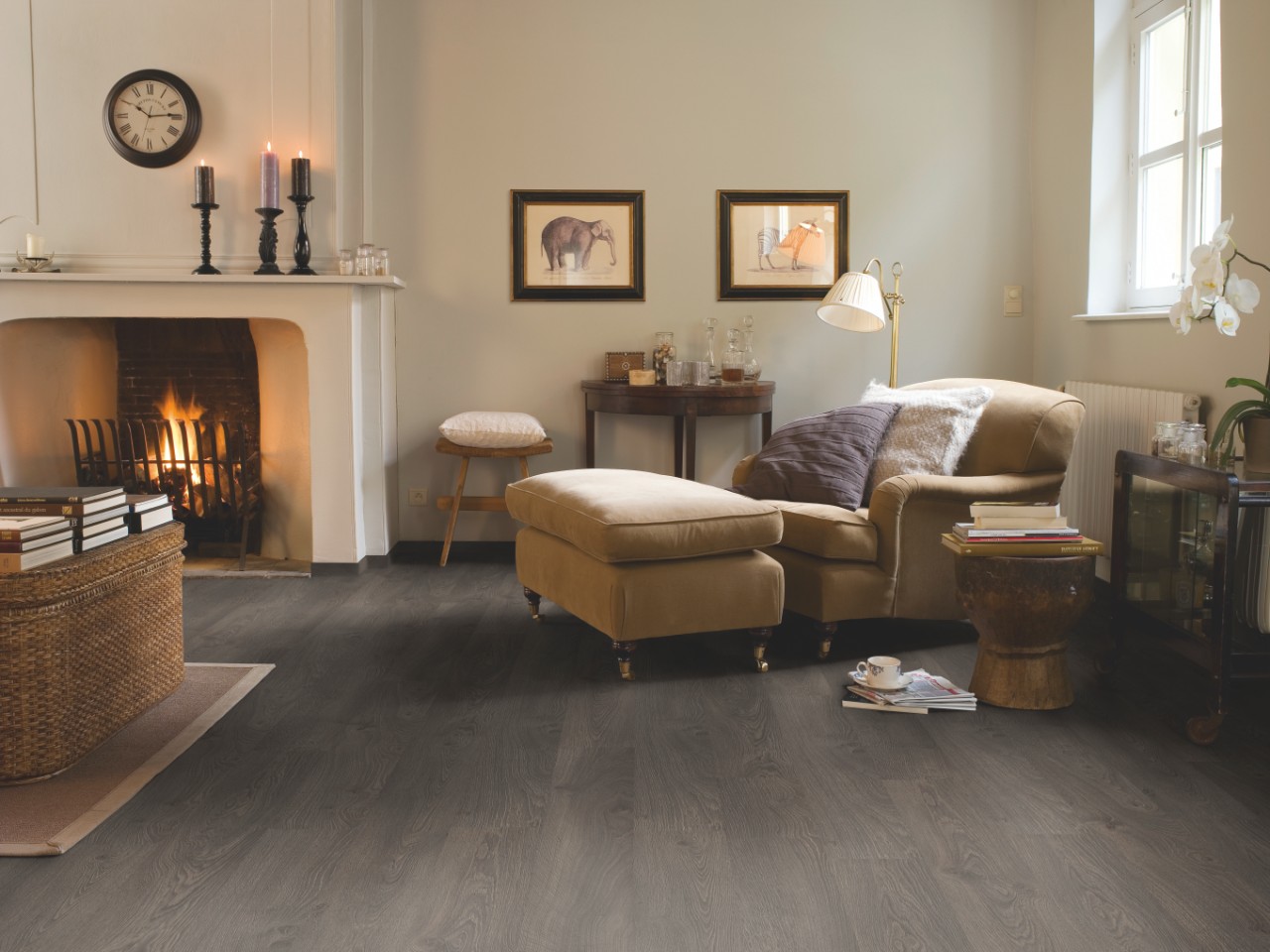
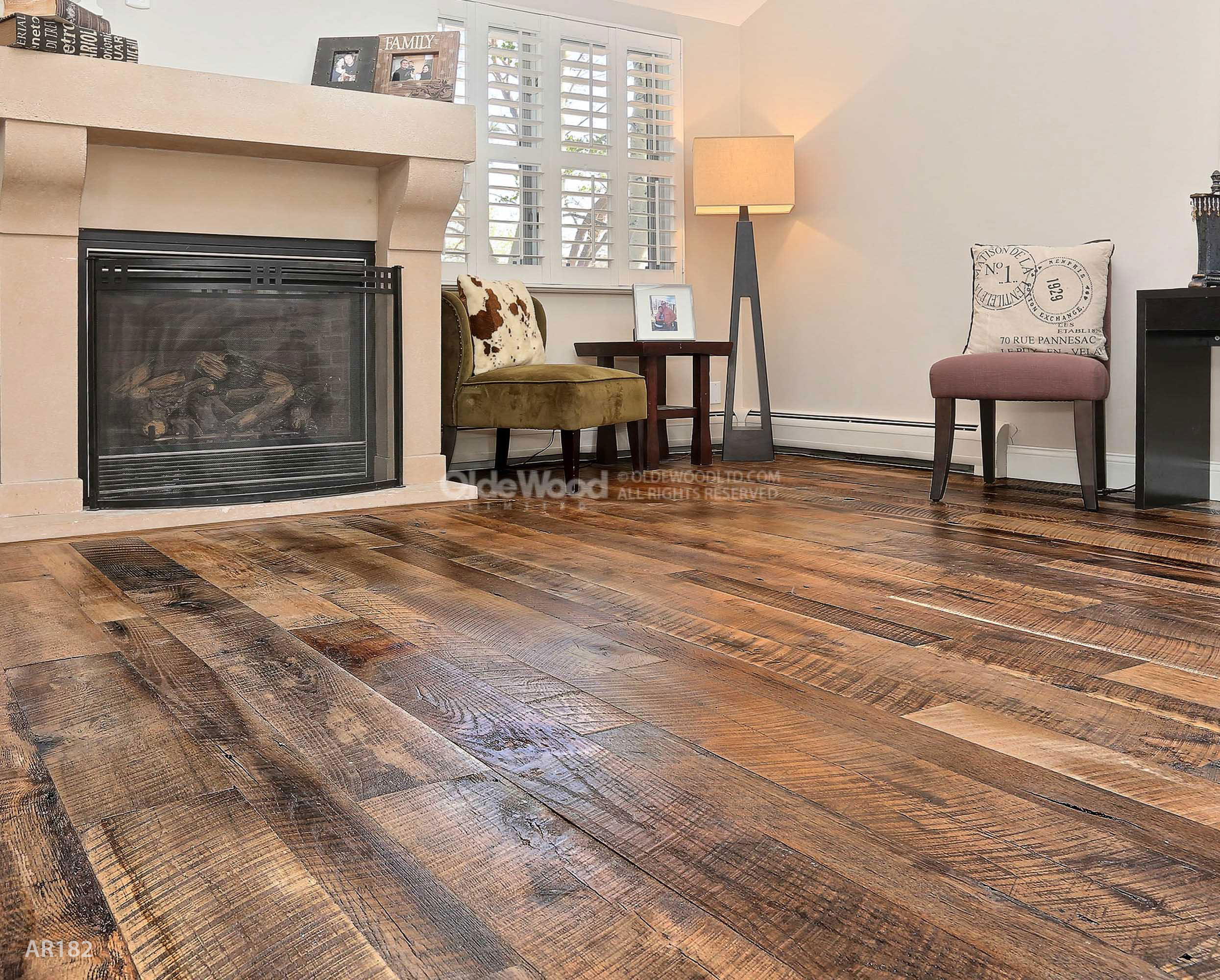
Oak laminate flooring offers a beautiful, natural look that mimics real wood in a way that feels cozy and timeless. What I loved most was how it brought warmth into my rooms without overwhelming the space. The grain patterns and color variations in oak laminate can range from light honey tones to rich, deep browns, giving you plenty of options to match your style. The finish often has a subtle texture that makes it feel more authentic underfoot, which surprised me since it’s not real wood. It’s a great choice if you want that classic oak appeal without the cost or upkeep.
One thing that stood out to me was how easy it was to clean and maintain compared to solid oak floors. With laminate, spills wipe up quickly, and there’s no need for frequent polishing or special treatments. This made my life much easier, especially in high-traffic areas like the kitchen and hallway. Plus, because it’s made of layered materials with a protective topcoat, it tends to resist scratches and dents better than softer hardwoods.
If you’re someone who likes a bit of variety, oak laminate comes in different plank sizes and finishes. Some have a matte look for a more rustic feel, while others are shinier for a modern touch. I found that playing around with these options helped me create a look that really felt personal, almost like I had custom flooring without the big price.
Waterproof Options for Peace of Mind
One thing I was concerned about was moisture, especially since I have a small bathroom and a kitchen that can get a bit messy. Luckily, many oak laminate options come with waterproof or water-resistant features, which was a game-changer for me. These types are designed with special coatings and locking systems that prevent water from seeping into the core, so you don’t have to worry about warping or swelling after a spill.
I learned that not all laminates are created equal when it comes to water resistance, so it’s really important to check the product details before buying. Some are better suited for bathrooms and basements, while others are more for living rooms or bedrooms where moisture isn’t an issue. Choosing a waterproof oak laminate gave me confidence that my floors would stay looking good, even if accidents happen.
Installing water-resistant laminate in my kitchen also made cleanup a breeze. I could mop up spills right away without stressing about damage. It’s especially comforting if you have kids or pets who might be prone to accidents. I’d recommend this type to anyone who wants the oak look but needs a bit more durability against moisture.

Luxury Vinyl Tile Styles Inspired by Oak
Sometimes I wanted something that felt a little different but still had that oak vibe, so I explored luxury vinyl tile (LVT) styled like oak. While it’s not exactly laminate, LVT shares some qualities and can be a great alternative. It’s incredibly durable and often more waterproof than laminate, making it perfect for busy households or rooms with high humidity.
The best part about LVT is the variety of designs available, which often capture oak’s grain and color in stunning detail. Some even have embossed textures that you can feel underfoot, making the experience more authentic. I found that mixing LVT with oak laminate in different rooms created a nice flow without everything feeling too matchy.
If you want to experiment with patterns like herringbone or chevron, LVT offers more flexibility compared to traditional laminate planks. This can add a bit of personality to your floors without sacrificing the warm, natural look of oak. It’s definitely worth considering if you want something special but still practical.
DIY Installation Tips That Made a Difference
When I decided to install oak laminate flooring myself, I was a bit nervous about getting everything right, but it turned out to be much easier than I expected. The click-and-lock system on most laminate planks made the process straightforward, and with some patience, I was able to complete the job in a weekend. Having the right tools, like a tapping block and pull bar, really helped get tight seams without damaging the edges.
One tip I found invaluable was to acclimate the flooring by letting it sit in the room for a couple of days before installation. This helps prevent expansion or contraction issues later on. Also, paying close attention to the subfloor’s condition made a huge difference in how the finished floor looked and felt. A clean, level surface is key.
I also recommend planning your layout before you start cutting planks. Trying to avoid tiny pieces at the edges makes the floor look more polished and professional. Taking your time with each row and checking for gaps or misalignments saved me from having to redo sections, which was a relief. Overall, the DIY route gave me a real sense of accomplishment and saved on labor costs.
Caring for Your Oak Laminate Floor
Once my oak laminate was in place, I quickly realized that regular care could keep it looking fresh for years. I made a habit of sweeping or vacuuming frequently to remove dirt and grit that could scratch the surface. Using a damp mop with a cleaner specifically made for laminate floors helped me keep it shining without leaving residue or water behind.
I also learned to place felt pads under furniture legs to prevent dents or scratches when moving things around. This small step has saved me a lot of worry, especially with heavier pieces like my sofa and dining table. Avoiding harsh cleaning chemicals and abrasive tools meant the protective layer stayed intact, preserving the floor’s natural oak look.
If any scratches or minor damage did occur, there are repair kits designed for laminate that can help blend the flaws away. Having one on hand gave me peace of mind. Overall, a little regular care went a long way in maintaining the warmth and charm of my floors without feeling like a chore.
Budgeting for Oak Laminate Flooring
One of the biggest reasons I chose oak laminate was how budget-friendly it was compared to solid hardwood. Prices vary depending on the brand and features like waterproofing or thickness, but generally, laminate gives you more bang for your buck. This made it easier to justify upgrading multiple rooms without breaking the bank.
I recommend setting aside some of your budget for underlayment and installation supplies, as these are important for comfort and durability. Also, if you’re doing the installation yourself, having a few extra planks for mistakes or future repairs is wise. I kept about 10% extra, which came in handy.
Comparing different retailers and reading reviews helped me find a quality product at a reasonable price. Oak laminate can look high-end, but it doesn’t have to cost a fortune. For me, the balance of cost, appearance, and practicality made it a smart and satisfying choice.
Is oak laminate flooring waterproof enough for bathrooms?
I’ve found that some oak laminate options are water-resistant but not fully waterproof, so for bathrooms, look specifically for laminate labeled as waterproof. These have special coatings and construction that protect against moisture better than standard laminate. Still, I’d use extra caution around showers and tubs to avoid standing water.
How long does oak laminate flooring usually last?
From my experience and what I’ve read, well-maintained oak laminate can last 10 to 20 years. The lifespan depends on factors like traffic, care, and quality of the product. It’s durable but not indestructible, so regular cleaning and protecting from scratches help extend its life.
Can I install oak laminate flooring myself?
Definitely! I did my own installation, and the click-lock design makes it manageable for beginners. Just take your time, prepare the subfloor properly, and make sure to acclimate the planks beforehand. Having the right tools and a bit of patience goes a long way.
Is oak laminate flooring safe for pets and kids?
Yes, I found it to be a great choice for families. It’s scratch-resistant enough to handle pet claws and easy to clean up after spills or accidents. The water-resistant types are especially good if you have active pets or small children.

How does oak laminate compare to real oak floors?
While oak laminate looks very similar to real wood and is easier to maintain, it doesn’t have the same warmth or ability to be refinished. Laminate is a budget-friendly, low-maintenance alternative, but if you want a floor that can be sanded and stained repeatedly, solid oak is the way to go.
What’s the best way to clean oak laminate flooring?
I stick to sweeping or vacuuming regularly and using a damp mop with a laminate-specific cleaner. Avoid soaking the floor or using harsh chemicals. Quick cleanups of spills prevent damage, and felt pads under furniture help reduce scratches. This routine keeps my floors looking great without much effort.
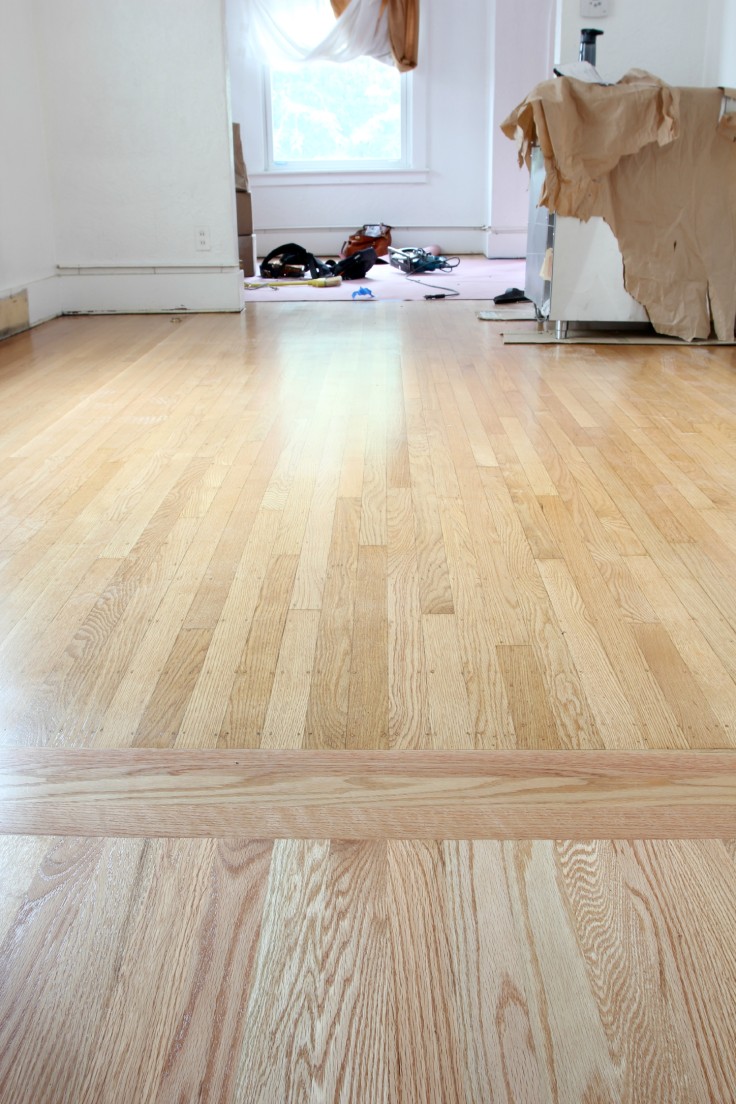
Dexter Hardwoods Part II: Refinishing 110-Year-Old Oak Floors
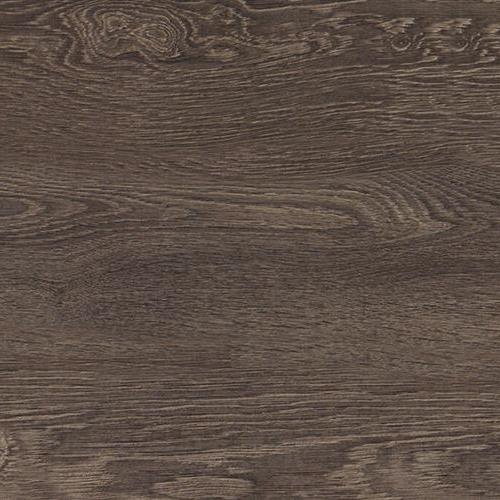
TORLYS Classic Plus Old Oak Grey Laminate – Kamloops, BC
Related Posts: