When I first decided to renovate my bathroom three years ago, I never imagined how much research I’d end up doing about stone floor tiles. What started as a simple upgrade turned into a fascinating exploration of natural materials, durability, and design aesthetics. Through countless hours of research, visits to showrooms, and eventually installing my stone bathroom floor, I’ve learned valuable lessons that I want to share with you.
Choosing the Right Stone Material for Your Bathroom
My first challenge was understanding the different types of natural stone available for bathroom flooring. I quickly learned that not all stones are created equal when it comes to moisture resistance and durability. Marble, while beautiful, requires more maintenance than I initially expected. Granite proved to be incredibly durable and water-resistant, making it perfect for high-traffic bathrooms like mine.
Slate became my second favorite option due to its naturally slip-resistant surface and unique texture variations. Each piece tells its own story through natural patterns and color variations. I discovered that travertine offers a luxurious spa-like feel but needs regular sealing to prevent water damage. The porous nature of some stones means they absorb moisture more readily than others.
After extensive research and touching countless samples, I realized that stone selection depends heavily on your specific bathroom conditions. High-humidity areas require denser stones with lower porosity ratings. I learned to ask suppliers about absorption rates and slip resistance ratings. Understanding these technical aspects helped me make an informed decision that I still appreciate today.
Installation Techniques I Learned the Hard Way
Installing stone bathroom floor tiles taught me patience and precision in ways I never expected. My first attempt at cutting natural stone resulted in several cracked pieces and a lot of frustration. I quickly learned that stone requires diamond-tipped blades and steady, consistent pressure. Rushing the cutting process only leads to waste and additional expenses that I couldn’t afford.
Proper substrate preparation became my obsession after my first tile started lifting within weeks of installation. I discovered that stone tiles need a completely level, stable foundation to prevent cracking and shifting. Using a high-quality tile adhesive specifically designed for natural stone made all the difference in my final installation. Cheap adhesives simply don’t provide the bonding strength needed.
Grouting stone tiles requires different techniques than ceramic alternatives, something I learned through trial and error. Stone can be stained by certain grout types, so I always test small areas first. I found that using grout specifically formulated for natural stone prevents discoloration and provides better water resistance. Taking time with each step prevents costly mistakes and ensures long-lasting results.

Maintenance Secrets That Actually Work
Maintaining stone bathroom floors initially seemed overwhelming, but I’ve developed a routine that keeps them looking pristine with minimal effort. Daily sweeping prevents dirt and debris from scratching the stone surface. I use a microfiber mop with pH-neutral stone cleaner weekly, avoiding acidic products that can etch and damage natural stone surfaces permanently.
Sealing became my most important maintenance task after I noticed water stains developing on my travertine. I now reseal my stone floors every six months using a high-quality penetrating sealer. This process takes about an hour but prevents thousands of dollars in potential water damage and staining. I always test new cleaning products in inconspicuous areas first.
Addressing spills immediately prevents permanent staining, especially on lighter colored stones like marble and limestone. I keep absorbent cloths readily available and blot rather than wipe spills to prevent spreading. Deep cleaning quarterly with specialized stone cleaners removes built-up soap residue and maintains the natural luster. These simple habits have kept my floors looking new for years.

Design Ideas That Transform Your Space
Stone bathroom floors offer incredible design flexibility that I initially underestimated. Large format tiles create a seamless, spa-like appearance that makes small bathrooms appear larger. I chose 12×24 inch granite tiles that required fewer grout lines, creating a clean, modern aesthetic. The natural veining patterns provide visual interest without overwhelming the space.
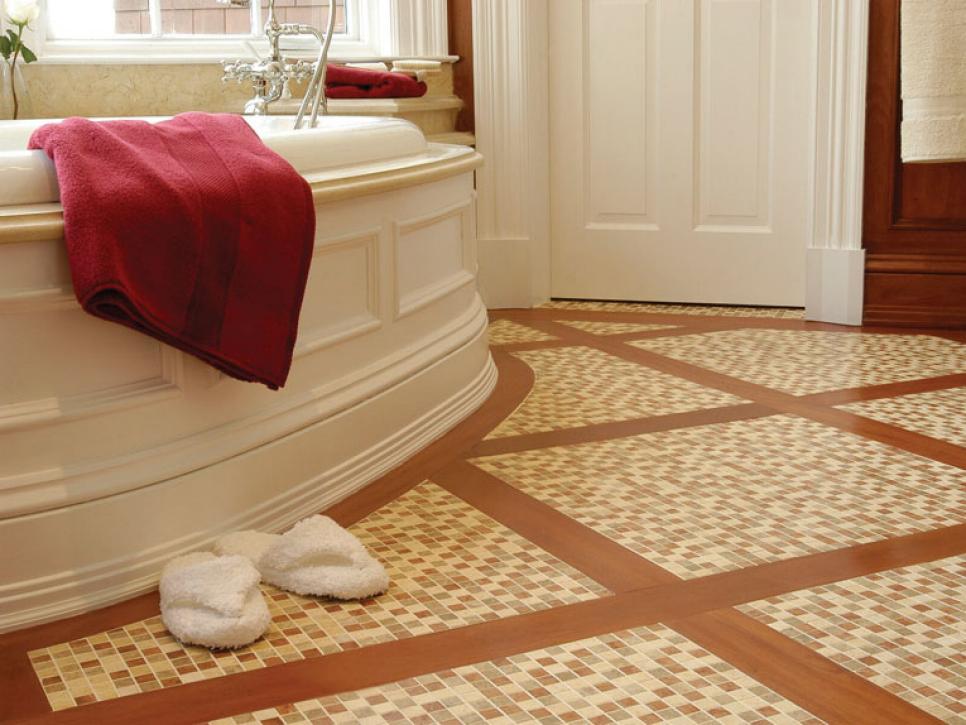
Mixing stone sizes and shapes opened up creative possibilities I hadn’t considered. Combining large rectangular tiles with smaller accent pieces created visual focal points around my vanity area. Hexagonal stone tiles added geometric interest while maintaining the natural beauty of the material. Border treatments using contrasting stone colors defined different areas within my bathroom layout.
Color coordination between stone floors and other bathroom elements became crucial for achieving a cohesive look. I selected warm gray granite that complements both my white vanity and bronze fixtures perfectly. Natural stone variations mean each installation is unique, adding character that manufactured materials cannot replicate. Proper lighting enhances the stone’s natural beauty and highlights its unique characteristics.

Cost Considerations Beyond the Price Tag
Understanding the true cost of stone bathroom flooring requires looking beyond initial material prices. Quality natural stone costs more upfront but often provides better long-term value through durability and timeless appeal. I learned to budget for additional expenses like specialized cutting tools, adhesives, and professional installation if needed.
Hidden costs emerged throughout my project that I hadn’t anticipated initially. Substrate preparation sometimes requires additional materials and labor if your existing floor isn’t level or stable. Transportation costs for heavy stone materials can add significantly to your budget. I recommend getting detailed quotes that include all materials and potential additional work required.
Long-term savings from stone floors often offset higher initial investments through reduced replacement needs and increased home value. My stone floors have maintained their appearance for three years without showing wear patterns common in other flooring materials. Energy efficiency improvements from stone’s thermal mass properties reduced my heating costs slightly. Investing in quality materials and proper installation saves money over time.

Troubleshooting Common Stone Floor Problems
Dealing with stone floor issues taught me problem-solving skills I use throughout my home maintenance routine. Hairline cracks sometimes develop from settling or temperature changes, but most can be repaired with color-matched stone filler. I keep repair materials on hand for quick fixes that prevent small problems from becoming major issues.
Water stains on natural stone initially panicked me until I learned proper removal techniques. Light stains often disappear with specialized stone cleaners and patience. Deeper stains require professional polishing compounds and more aggressive techniques. Prevention through proper sealing remains the best approach for avoiding staining problems altogether.
Uneven wear patterns developed in high-traffic areas of my bathroom, creating slip hazards and aesthetic concerns. Professional refinishing restored the original surface texture and appearance. I learned that rotating bath mats and using non-slip treatments help distribute wear more evenly. Regular maintenance prevents most problems from requiring expensive professional intervention.

How long do stone bathroom floor tiles typically last with proper maintenance?
Quality natural stone bathroom floors can last several decades with proper care and maintenance. My granite floors show no signs of wear after three years of daily use. The key is choosing appropriate stone types for bathroom conditions and following recommended sealing schedules. Marble and limestone require more frequent maintenance but can last 20-30 years. Slate and granite often exceed 50 years with minimal care. Investment in quality materials pays dividends through longevity.
What’s the best stone type for bathrooms with high moisture and humidity levels?
Granite and slate perform exceptionally well in high-moisture bathroom environments due to their low porosity and natural water resistance. I chose granite for my main bathroom because it requires minimal sealing and resists staining effectively. Slate offers excellent slip resistance when wet, making it ideal for shower areas. Avoid highly porous stones like travertine in steam shower applications. Dense stones with absorption rates below 0.5% work best in humid conditions.

Can I install stone bathroom floor tiles myself, or should I hire professionals?
DIY stone tile installation is possible with proper tools, patience, and preparation, though I recommend professional installation for complex layouts or expensive materials. My first attempt taught me the importance of having diamond cutting tools and understanding substrate requirements. Simple rectangular patterns in small bathrooms make good DIY projects. Complex patterns, large format tiles, or valuable stones justify professional installation costs through reduced waste and guaranteed results.
How often should I seal my stone bathroom floor tiles?
Sealing frequency depends on stone type, usage levels, and environmental conditions, but I’ve found every six months works well for most bathroom applications. High-traffic areas may need quarterly sealing, while guest bathrooms might only need annual treatment. I test water absorption by dropping small amounts on sealed surfaces. If water absorbs rather than beading, it’s time to reseal. Quality penetrating sealers provide better protection than topical alternatives.

What cleaning products are safe to use on natural stone bathroom floors?
pH-neutral cleaners specifically formulated for natural stone provide the safest cleaning option for maintaining your investment. I avoid acidic products like vinegar or lemon-based cleaners that can etch stone surfaces permanently. Alkaline cleaners can also damage certain stone types over time. Specialized stone cleaners cost more initially but prevent expensive damage from inappropriate products. I keep stone-safe cleaners exclusively in my bathroom cleaning supplies.
How do I prevent slipping on wet stone bathroom floor tiles?
Choosing naturally textured stones like slate or honed granite provides better slip resistance than polished surfaces in wet conditions. I installed textured stone in shower areas while using smoother finishes in dry zones for easier cleaning. Non-slip treatments applied professionally can improve traction on existing smooth stone floors. Strategic placement of quality bath mats in transition areas prevents most slipping incidents while protecting stone from excessive wear.
Redoing the boys bathroom. Bathroom Floor Love the stone tile

Porcelain Floor Tiles Versus Natural Stone Tiles Direct

Natural Stone Tiles For Your Bathroom DT Stone Blog

Related Posts:
- Reglazing Bathroom Floor Tiles
- Colorful Bathroom Floor Tile
- Vinyl Flooring For Bathrooms
- Bathroom Flooring Ideas
- Bathroom Floor Patterns
- Bathroom Tile Floors
- Modern Vinyl Bathroom Flooring
- Mosaic Bathroom Floor Tiles
- Wood Bathroom Floor
- 1930s Bathroom Floor Tile
Introduction to Bathroom Floor Tiles Stone
Bathroom floor tiles stone is a great choice for anyone looking to create a luxurious feel in their bathroom. By utilizing natural stone, homeowners can bring an air of elegance into their bathroom without compromising on durability or comfort. Natural stone is a timeless material that can last for decades, and its beauty can be enhanced with the right care and maintenance. In this article, we’ll explore the benefits of using bathroom floor tiles stone and how to choose the best materials for your bathroom.
Benefits of Bathroom Floor Tiles Stone
When it comes to bathroom flooring, stone offers several advantages over other materials. For example, it is incredibly durable and can withstand heavy foot traffic. It is also easy to clean and maintain, making it an ideal choice for busy households. Its natural texture adds a unique touch to any bathroom, and it can be customized with colors and finishes to match any decor style. Natural stone is also resistant to fire, mold, and mildew, which makes it a safe option for bathrooms with wet conditions.
How to Choose the Best Bathroom Floor Tiles Stone
When it comes to choosing the best bathroom floor tiles stone, there are several factors to consider. The first is the type of stone you want to use. Popular options include marble, slate, travertine, and granite. Each type has its own unique characteristics and advantages. For example, marble is popular for its elegant look and luxurious feel, while travertine is ideal for creating a rustic vibe in your bathroom.
The second factor to consider is the size of the tile you want to install. Smaller tiles are easier to install but can make a room look cluttered, while larger tiles offer a more open look. You should also consider the color of the tile you are selecting; lighter colors will help keep your bathroom looking bright and airy, while darker colors will add depth and contrast. Finally, consider the finish of the tile you are selecting; some stones come in polished or honed finishes that can help give your bathroom an extra touch of class.
Common Questions About Bathroom Floor Tiles Stone
Q: Is stone tile suitable for bathrooms?
A: Yes, stone tile is a great option for bathrooms due to its durability and easy maintenance. It can also add a unique look to any space and can be customized with different colors and finishes.
Q: How do I clean my bathroom floor tiles?
A: The best way to clean your bathroom floor tiles is to use a mild detergent or cleaner specifically designed for natural stone surfaces. Avoid using harsh chemicals or abrasive cleaners as these can damage the surface of the stone over time.
Q: What kind of sealant should I use on my bathroom floor tiles?
A: Most natural stones should be sealed after installation in order to protect them from staining and other damage. You should use a sealant specifically designed for natural stones in order to ensure the best results.
Conclusion
Bathroom floor tiles stone is an excellent choice for anyone looking to create a luxurious feel in their bathroom without compromising on durability or comfort. Natural stone has several advantages over other materials such as its timeless beauty and easy maintenance requirements. When selecting your bathroom floor tiles stone, consider the type of stone you are using, the size of the tile you want to install, the color you are selecting, and the finish you want to achieve. With proper care and maintenance, your bathroom floor tiles stone can last for decades!