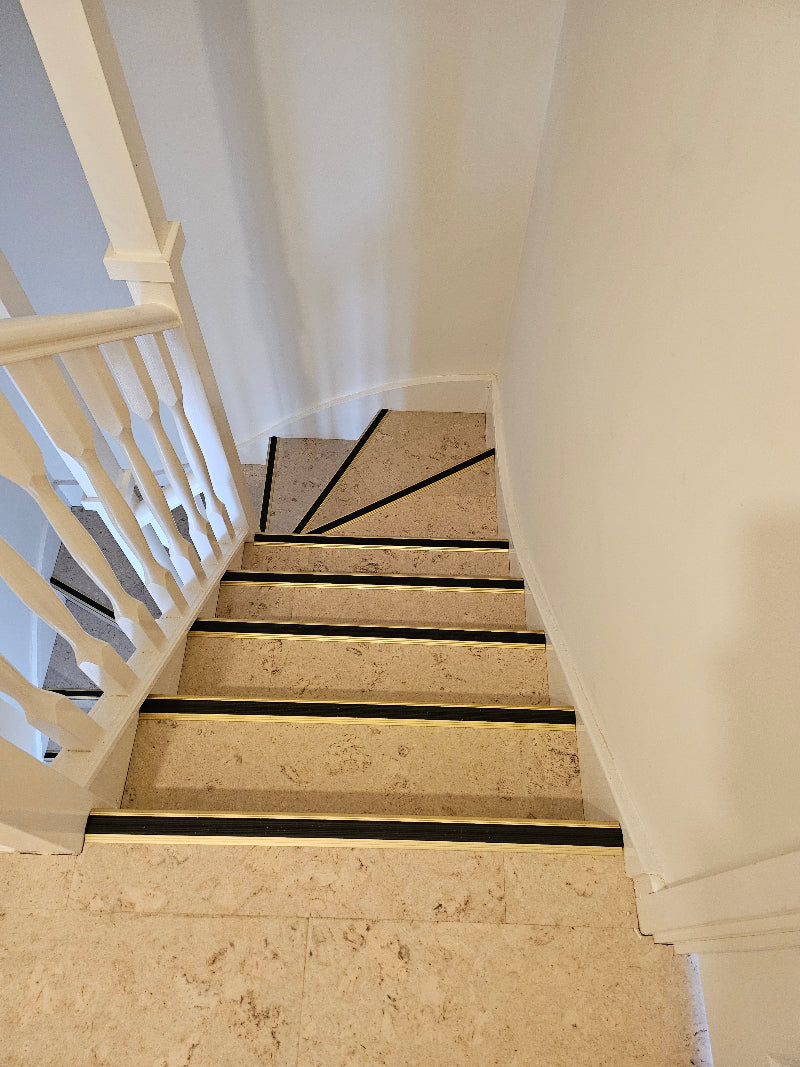
When I first considered cork flooring for my stairs, I’ll admit I was skeptical. Most people think of wine bottles when they hear “cork,” but after living with cork stair treads for three years now, I can honestly say it was one of my best home improvement decisions. The natural warmth under my feet, the incredible sound dampening, and the unique texture have transformed my daily trips up and down the stairs from a mundane necessity into something I enjoy.
Why I Chose Cork Over Traditional Stair Materials
I spent months researching stair materials before landing on cork. Hardwood felt too slippery and cold, especially during winter mornings when I’d pad downstairs barefoot for coffee. The carpet seemed impractical with my two dogs constantly tracking in mud and leaves. Cork offered the perfect middle ground, a natural material that felt warm and cushioned underfoot while being surprisingly durable.
The environmental benefits sealed the deal for me. Cork is harvested from the bark of cork oak trees without harming them, and the trees produce better cork after each harvest. As someone who tries to make sustainable choices when possible, knowing that my flooring was helping trees thrive rather than destroying forests made me feel good about the investment.
What surprised me most was learning about cork’s natural antimicrobial properties. My kids have allergies, and I’d been concerned about dust and allergens accumulating in carpet fibers. Cork naturally resists mold, mildew, and bacteria, which has noticeably improved our indoor air quality. The difference was subtle but real, especially during allergy season.
Installation Challenges I Faced and How I Overcame Them
Installing cork on stairs isn’t as straightforward as laying it on a flat floor, and I learned this the hard way. My first attempt at measuring the treads and risers resulted in several pieces that didn’t fit properly. The key is measuring each step individually since older homes like mine have slight variations in stair dimensions that aren’t immediately obvious to the naked eye.
I decided to hire professionals for the installation after my initial DIY attempt, and I’m glad I did. They used a specialized adhesive designed for high-traffic areas and knew techniques for wrapping the cork around the nose of each step that I never would have figured out. The installation took two full days, but watching them work taught me so much about proper preparation and finishing techniques.
The biggest challenge was dealing with the existing stair structure. My stairs had old carpet padding staples and adhesive residue that needed complete removal before cork installation could begin. This prep work added an extra day and some unexpected costs, but it was essential for ensuring the cork would adhere properly and last for years to come.
How Cork Transformed My Home’s Acoustics
The sound difference was immediate and dramatic. Before cork, every footstep on my stairs echoed throughout the house, waking up family members and making late-night trips to the kitchen feel like I was announcing my presence to the entire neighborhood. Cork’s cellular structure acts like millions of tiny shock absorbers, virtually eliminating footfall noise.
My home office is directly adjacent to the staircase, and phone calls used to be constantly interrupted by family members going up and down the stairs. Now I can take calls without worrying about background noise, and my productivity has genuinely improved. The sound dampening extends beyond just footsteps too, reducing the transmission of voices and other sounds between floors.
What I didn’t anticipate was how the improved acoustics would affect our family dynamics. We’re naturally quieter now, not because we’re trying to be, but because the space itself encourages a calmer atmosphere. Evening conversations don’t carry throughout the house the way they used to, giving everyone more privacy and making the home feel more peaceful overall.
Maintenance Realities After Three Years of Use
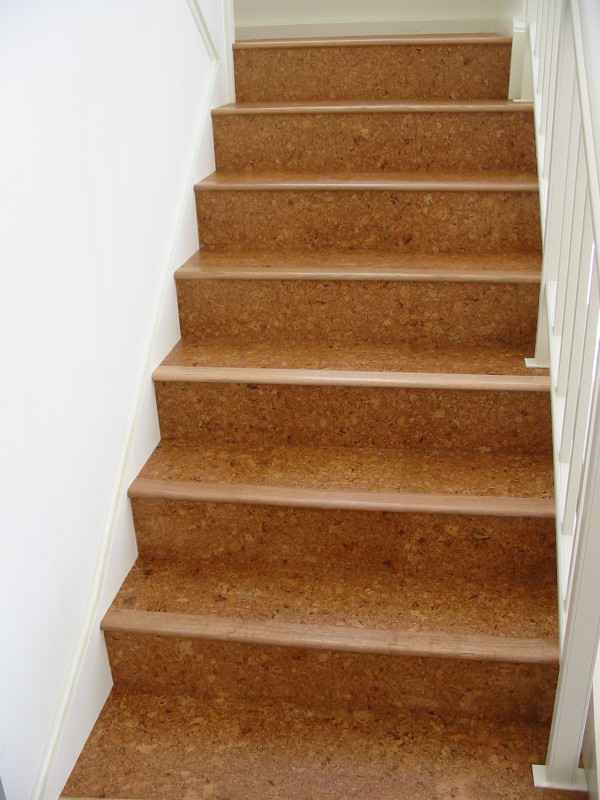
Maintaining cork stairs has been easier than I expected, though it does require some specific care. I vacuum the stairs weekly with a soft brush attachment to prevent grit and debris from scratching the surface. Spills need immediate attention, but with the polyurethane finish I chose, most liquids bead up and wipe away easily without staining.
I refinish the high-traffic areas annually with a thin coat of water-based polyurethane. This sounds more intensive than it is; the process takes about an hour and keeps the stairs looking fresh. The cork itself has held up remarkably well, with only minor scuffing in the most heavily used spots near the bottom and top of the staircase.
Pet accidents were my biggest concern initially, but the sealed surface has handled everything my dogs have thrown at it. I keep a spray bottle with a mild cork-safe cleaner handy for quick cleanup, and in three years, I haven’t had any permanent staining or odor issues. The key is using products specifically designed for cork rather than harsh chemical cleaners.

Cost Comparison and Long-term Value
Cork wasn’t the cheapest option upfront, but when I calculated the long-term costs, it made financial sense. Quality carpet replacement every five to seven years, combined with professional cleaning, actually costs more over time. My cork stairs should last twenty years or more with proper maintenance, making the per-year cost quite reasonable.
The installation cost was comparable to mid-range hardwood but significantly less than premium materials like natural stone or exotic woods. I spent about $40 per step, including materials and professional installation, which felt steep initially but has proven worthwhile given the durability and satisfaction I’ve experienced.
My home’s resale value has benefited from the unique flooring choice. When neighbors and visitors see the cork stairs, they’re invariably curious and impressed. It’s become a conversation starter and a memorable feature that sets my home apart from others in the neighborhood. The investment has paid dividends in both daily enjoyment and property value.

Safety Considerations and Slip Resistance
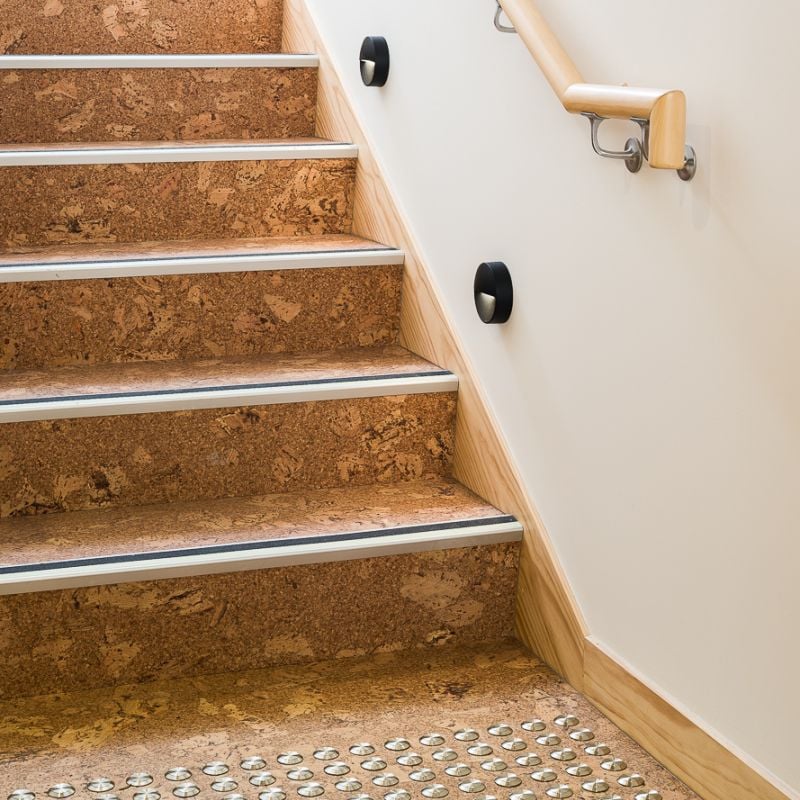
Safety was a major factor in my decision, especially with elderly parents who visit regularly and active children who tend to run up and down stairs. Cork provides excellent traction even when slightly damp, which has eliminated my previous concerns about slippery wooden steps. The natural texture gives just enough grip without being rough or uncomfortable for bare feet.
I added subtle LED strip lighting under each tread to improve visibility during nighttime use. The combination of the cork’s natural grip and better lighting has made our stairs much safer for everyone. In three years, we haven’t had any slip-related incidents, which is a significant improvement from our previous hardwood stairs.
The cushioning effect of cork also provides some protection if someone does fall. While I wouldn’t want anyone to test this theory, the natural give in the material feels much more forgiving than hard surfaces. This peace of mind is especially valuable with young children who are still developing their coordination and balance skills.

How does cork hold up to heavy foot traffic on stairs?
In my experience, cork handles daily use beautifully. After three years of a busy household with kids and pets, my stairs show minimal wear. The key is proper installation with quality adhesives and regular maintenance with appropriate sealers. High-traffic areas may need annual touch-ups, but the cork itself remains structurally sound and attractive.
Is cork flooring slippery when wet?
Not at all, which was one of my main concerns initially. Cork provides excellent grip even when slightly damp. The natural cellular structure creates a textured surface that’s much safer than smooth hardwood or tile. I’ve never had any slip issues, even with kids running around in socks.

How much does cork stair installation typically cost?
I paid around $40 per step, including materials and professional installation. This was comparable to mid-range hardwood but less than premium materials. DIY installation could reduce costs by about 30%, but I’d recommend professionals for stairs due to the complexity of proper fitting and finishing.
Can cork stairs handle pets and children?
Absolutely. My two dogs and three kids have put these stairs through everything you can imagine. The sealed surface resists stains and scratches better than I expected. Pet accidents clean up easily without permanent damage, and the softer surface is gentler on little knees during inevitable tumbles.
How often does cork flooring need refinishing?
I do a light refinishing annually on the highest-traffic areas, which takes about an hour. Full refinishing probably won’t be needed for another five to seven years. This maintenance schedule is less intensive than what carpet or other materials would require over the same timeframe.
Does cork flooring hold up in humid conditions?
Cork naturally adapts to humidity changes better than hardwood. I live in a humid climate and haven’t experienced any warping or expansion issues. The key is proper installation with appropriate underlayment and sealing. My stairs have remained stable through multiple seasonal changes without any dimensional problems.
Related Posts: