When I first installed cork floors in my kitchen three years ago, I had no idea how different their cleaning requirements would be from traditional hardwood or tile. The unique properties of cork, its natural antimicrobial qualities, and sensitivity to moisture, meant that conventional cleaning methods could damage this beautiful, sustainable flooring. Through trial and error, research, and some unfortunate mistakes, I’ve developed a natural cleaning routine that keeps my cork floors looking pristine while preserving their integrity and extending their lifespan. My journey from confusion to confidence with cork floor care has taught me that natural cleaning methods not only protect the environment but also provide superior results for this special material.
Understanding Cork’s Unique Properties
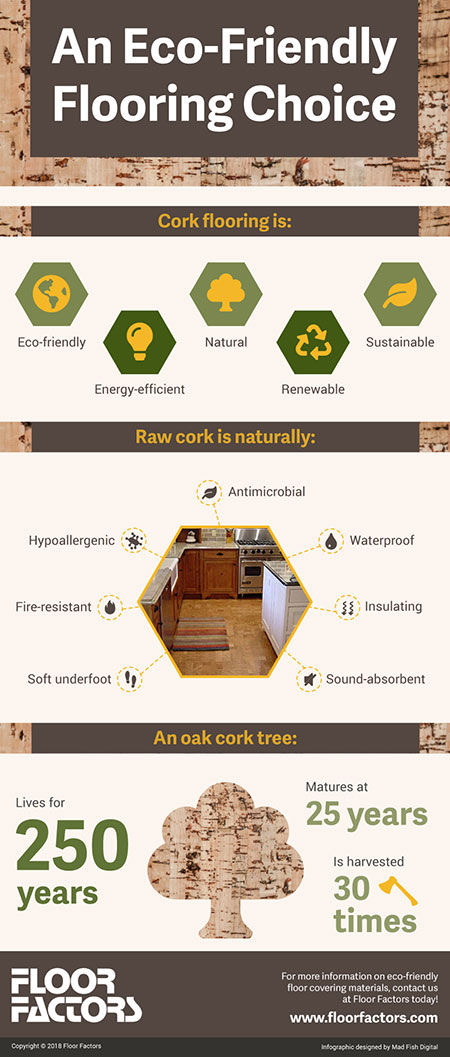
Cork flooring surprised me with its natural resistance to bacteria, mold, and mildew, properties that come from suberin, a waxy substance found in cork bark. This discovery changed my entire approach to cleaning, as I realized that harsh chemical disinfectants were not only unnecessary but potentially harmful to the cork’s natural protective qualities. The antimicrobial properties mean that gentle, natural cleaning methods are sufficient to maintain hygiene while preserving the floor’s inherent benefits.
The porous nature of cork initially worried me, but I learned that properly sealed cork floors are quite resistant to moisture when cleaned correctly. However, standing water or excessive moisture can still cause problems, so my cleaning routine focuses on minimal water use and quick drying. Understanding this balance between cork’s natural porosity and its sealed surface protection helped me develop techniques that clean effectively without risking water damage or warping.
Temperature sensitivity became another important consideration in my cork care routine. Cork expands and contracts with temperature and humidity changes more than some other flooring materials. I discovered that using room temperature cleaning solutions and avoiding hot water prevents unnecessary stress on the floor. This knowledge helped me adjust my cleaning approach during different seasons when indoor temperature and humidity levels fluctuate significantly.
Daily Maintenance: Simple and Effective
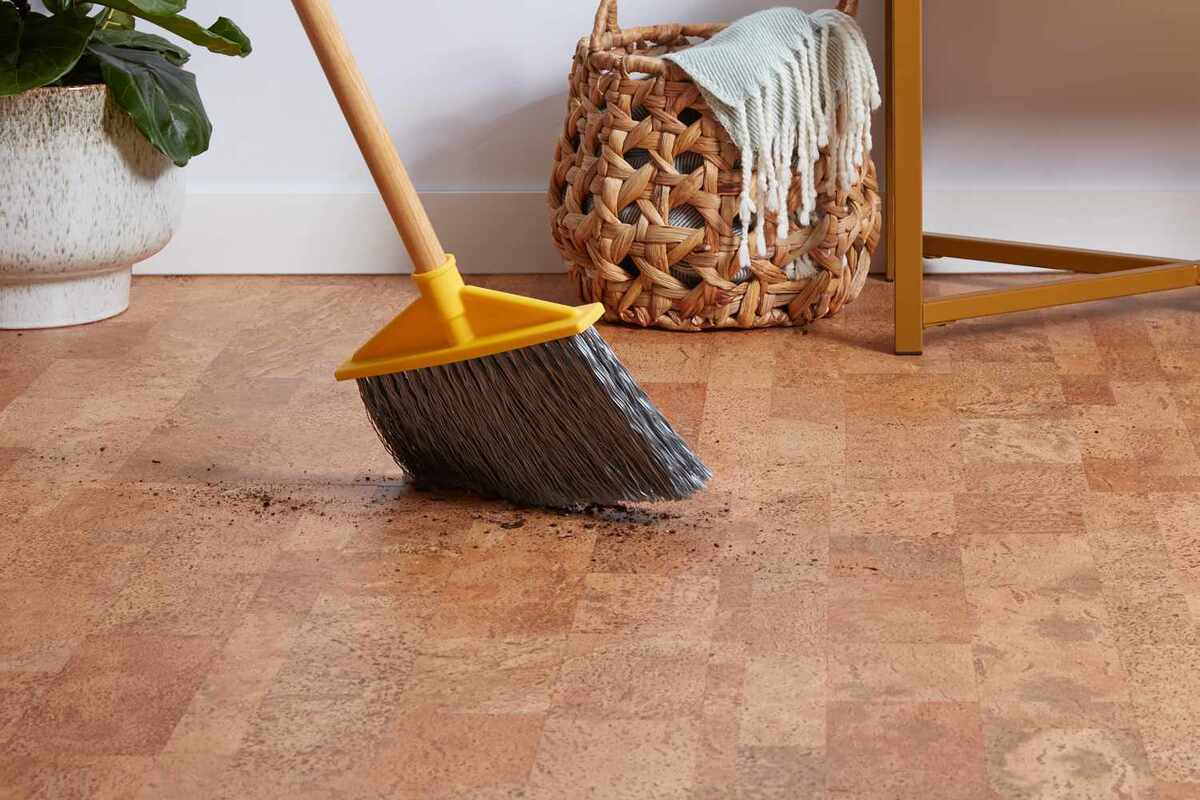
My daily cork floor maintenance routine takes less than five minutes but makes a tremendous difference in long-term appearance and durability. I start each day by sweeping with a soft-bristled broom or microfiber dust mop to remove surface dirt and debris that could scratch the finish. This simple step prevents abrasive particles from being ground into the cork during foot traffic. The key is using tools that won’t scratch the surface while effectively capturing dust and small particles.
For spot cleaning spills and daily maintenance, I keep a spray bottle filled with a simple solution of white vinegar and water, usually a 1:10 ratio. This mixture provides gentle cleaning power while being completely safe for cork floors and my family. I spray lightly on any spots or high-traffic areas and wipe immediately with a microfiber cloth. The vinegar’s natural acidity cuts through dirt and grime while evaporating quickly to prevent moisture problems.
High-traffic areas near entrances and the kitchen sink require extra attention in my daily routine. I place natural fiber mats at entrances to capture dirt before it reaches the cork, and I wipe these areas more frequently throughout the day. This proactive approach prevents dirt accumulation and reduces the need for deeper cleaning sessions. Consistency in daily maintenance has proven more effective than periodic intensive cleaning for keeping my cork floors beautiful.
Weekly Deep Cleaning Routine
My weekly cork floor cleaning routine begins with thorough vacuuming using a soft brush attachment to remove embedded dirt that daily sweeping might miss. I avoid beater bar attachments that could damage the cork’s surface or finish. This deeper cleaning step removes particles that could cause long-term wear if left to accumulate in the cork’s texture. Careful attention to corners and edges ensures comprehensive cleaning throughout the space.
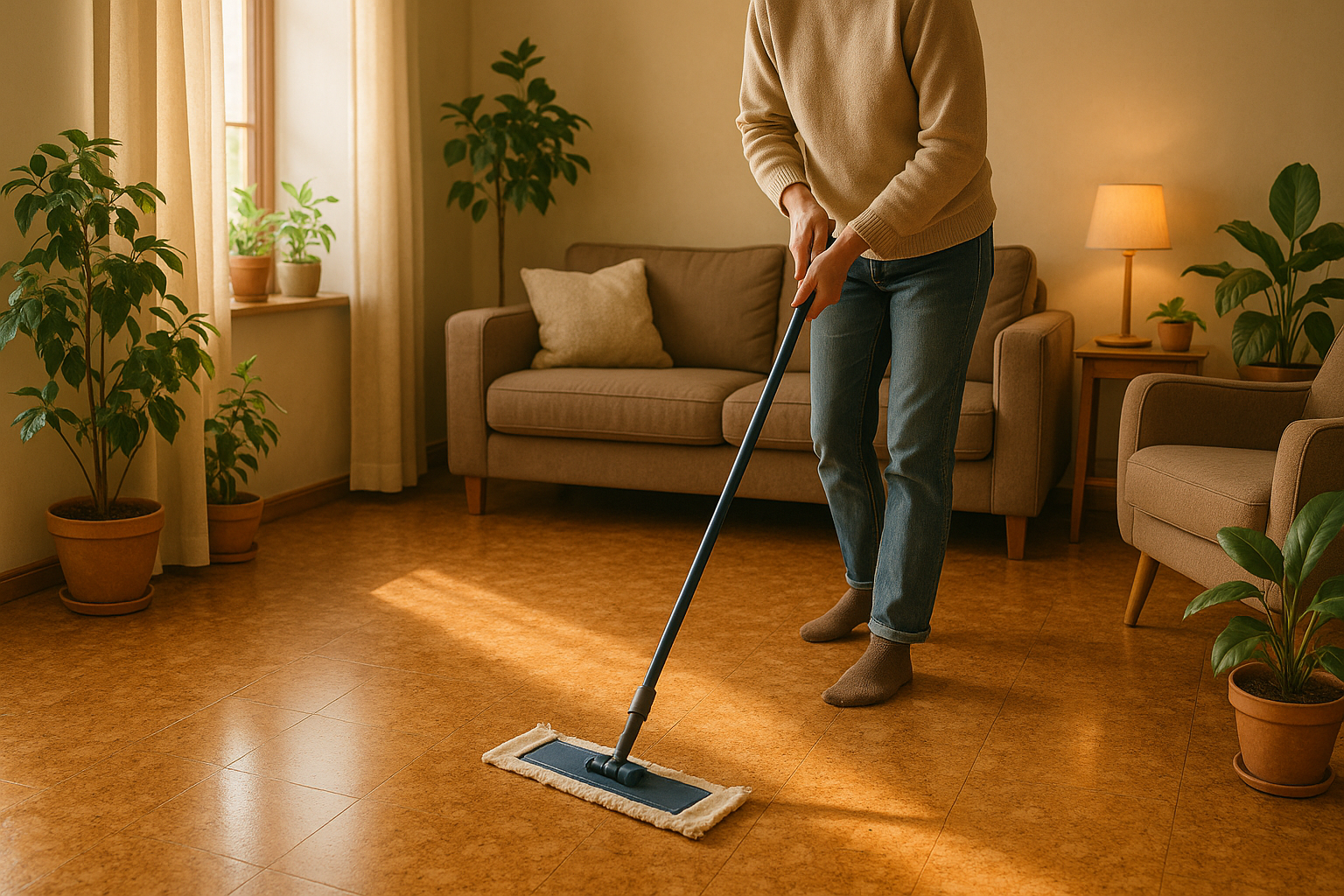
For weekly mopping, I use a solution of warm water with a small amount of castile soap, typically one tablespoon per gallon of water. This plant-based soap provides effective cleaning without harsh chemicals that could strip the cork’s protective finish. I use a well-wrung microfiber mop that’s barely damp, working in small sections to prevent water from pooling on the surface. The key is thorough cleaning with minimal moisture exposure.
After mopping, I immediately dry the floor with clean microfiber cloths to remove any remaining moisture. This step prevents water from seeping into seams or damaged areas where it could cause swelling or warping. I also ensure good ventilation during and after cleaning to promote quick drying. This comprehensive weekly routine keeps my cork floors looking fresh while maintaining their structural integrity and protective finish.

Natural Stain Removal Techniques
Red wine and fruit juice stains initially panicked me, but I’ve learned effective natural removal techniques that work specifically for cork floors. For fresh stains, I immediately blot with clean cloths to absorb as much liquid as possible, then apply a paste made from baking soda and water. This gentle abrasive paste lifts stains without damaging the cork or its finish. I let the paste sit for several minutes before gently scrubbing with a soft brush and wiping clean.
Grease and oil stains require a different approach that I discovered through experimentation. I sprinkle cornstarch or baking soda over the stain to absorb the oil, leaving it for several hours or overnight. Then I vacuum the powder and clean the area with my vinegar solution. For stubborn grease stains, I’ve found that a small amount of dish soap mixed with warm water works effectively when applied sparingly and wiped immediately.
Pet accidents and organic stains respond well to an enzyme-based approach using natural ingredients. I create a cleaning paste with baking soda, white vinegar, and a few drops of tea tree oil for its antimicrobial properties. This combination breaks down organic matter while neutralizing odors naturally. The effervescent action of vinegar and baking soda helps lift stains from the cork’s textured surface, and the tea tree oil provides additional antimicrobial benefits.

Protecting and Preserving Cork Naturally
Humidity control has become essential in my cork floor care routine, especially during seasonal changes. I maintain indoor humidity levels between 40-60% using a humidifier in winter and a dehumidifier in summer. This stability prevents the cork from excessive expansion and contraction that could cause gaps or warping. Monitoring humidity levels with a simple hygrometer helps me adjust environmental conditions proactively.
Natural protective treatments have extended my cork floors’ lifespan significantly. Every few months, I apply a thin coat of carnauba wax, a natural plant-based product that enhances the existing finish without adding harmful chemicals. This treatment restores shine, adds protection against wear, and helps repel moisture naturally. I apply it sparingly with a microfiber cloth, working in small sections for even coverage.
Furniture protection strategies prevent damage while maintaining the natural approach to cork care. I use felt pads under all furniture legs and replace them regularly as they wear. For heavy furniture, I use furniture cups filled with cork scraps to distribute weight evenly. These natural protection methods prevent dents and scratches while being completely safe for the cork surface and indoor air quality.
Seasonal Care and Long-Term Maintenance
Spring cleaning for my cork floors involves a comprehensive inspection and refresher routine that prepares them for increased activity during warmer months. I examine the entire floor for any areas where the finish might be wearing thin or where seams might need attention. Early detection of potential problems allows me to address them naturally before they become major issues requiring professional intervention or floor replacement.
Summer humidity management requires extra attention to prevent moisture-related problems in my cork floors. I increase ventilation, use ceiling fans more frequently, and monitor humidity levels closely during humid periods. Natural moisture absorption methods, like placing bowls of rice or silica gel packets in closets and storage areas, help maintain optimal conditions. These proactive measures prevent the swelling and warping that can occur when cork absorbs excess moisture.
Winter care focuses on preventing damage from dry conditions and salt tracked in from outdoors. I increase humidity levels slightly and clean salt residue immediately with my vinegar solution to prevent chemical damage to the cork. Extra door mats and boot trays near entrances capture winter debris before it reaches the floors. This seasonal adjustment in my care routine ensures year-round protection and maintains the natural beauty of my cork floors.

Can I use regular hardwood floor cleaners on my cork floors?
Regular hardwood floor cleaners are generally too harsh for cork floors and can damage the natural finish or strip protective coatings. Cork requires gentler, pH-neutral cleaning solutions that won’t break down its unique cellular structure. I learned this the hard way when a commercial cleaner dulled my floor’s finish in just one use. Natural alternatives like diluted white vinegar, castile soap, or specialized cork cleaners provide effective cleaning without harmful chemicals. Always test any cleaning product in an inconspicuous area first to ensure compatibility with your specific cork flooring and finish.
How often should I deep clean my cork floors, and what’s the best natural method?
I deep clean my cork floors weekly using warm water with a small amount of castile soap, keeping the mop barely damp to prevent moisture damage. Daily maintenance with sweeping and spot cleaning reduces the need for frequent deep cleaning. Monthly treatments with diluted white vinegar help remove buildup while maintaining the cork’s natural antimicrobial properties. Seasonal deep cleaning involves more thorough inspection and care, including natural wax treatments for protection. The key is consistency in light cleaning rather than occasional intensive scrubbing that could damage the cork’s surface.
What natural ingredients should I avoid when cleaning cork floors?
Avoid acidic ingredients in high concentrations, such as undiluted vinegar or lemon juice, which can break down cork’s cellular structure over time. Oil-based cleaners like olive oil or coconut oil can penetrate and stain unsealed areas. Abrasive substances like baking soda paste should be used sparingly and only for spot cleaning, as regular use can wear down the finish. Salt solutions can dry out and crack cork, while ammonia-based cleaners, even natural ones, are too harsh. Stick to gentle, pH-neutral solutions and always dilute acidic cleaners properly.
How do I naturally remove stubborn stains from cork floors without damage?
For stubborn stains, I create a gentle paste using baking soda and just enough water to form a consistency, applying it to the stain and letting it sit for 10-15 minutes before soft scrubbing. Enzyme cleaners made from natural ingredients work well for organic stains like food or pet accidents. For oil stains, cornstarch absorption followed by gentle dish soap cleaning proves effective. Hydrogen peroxide can lighten certain stains naturally, but test in hidden areas first. Never use steel wool or abrasive scrubbers; instead opting for soft brushes or microfiber cloths for mechanical action.
What’s the best way to maintain cork floor shine naturally without commercial products?
Natural carnauba wax applied every 3-4 months maintains shine while providing protection, using thin coats applied with microfiber cloths and buffed to avoid buildup. Daily maintenance with microfiber dust mops preserves the natural luster between wax applications. Proper humidity control between 40-60% prevents dulling caused by excessive expansion and contraction. Regular cleaning with diluted castile soap keeps the surface clear of film that can reduce shine. Avoiding over-wetting and immediately drying after cleaning prevents water spots and maintains the cork’s natural beauty without harmful chemicals.
How do I know if my natural cleaning routine is working properly for my cork floors?
Signs of effective natural cleaning include consistent color and texture across the floor surface, absence of sticky residues or film buildup, and maintained water resistance in high-traffic areas. My floors should feel smooth underfoot without grittiness or tackiness that indicates cleaning product residue. Natural cork floors develop a subtle patina over time, which is normal and desirable rather than concerning. Watch for excessive wear patterns, color fading, or surface roughness that might indicate cleaning methods are too harsh. Regular inspection helps identify issues early, allowing adjustment of techniques before permanent damage occurs.
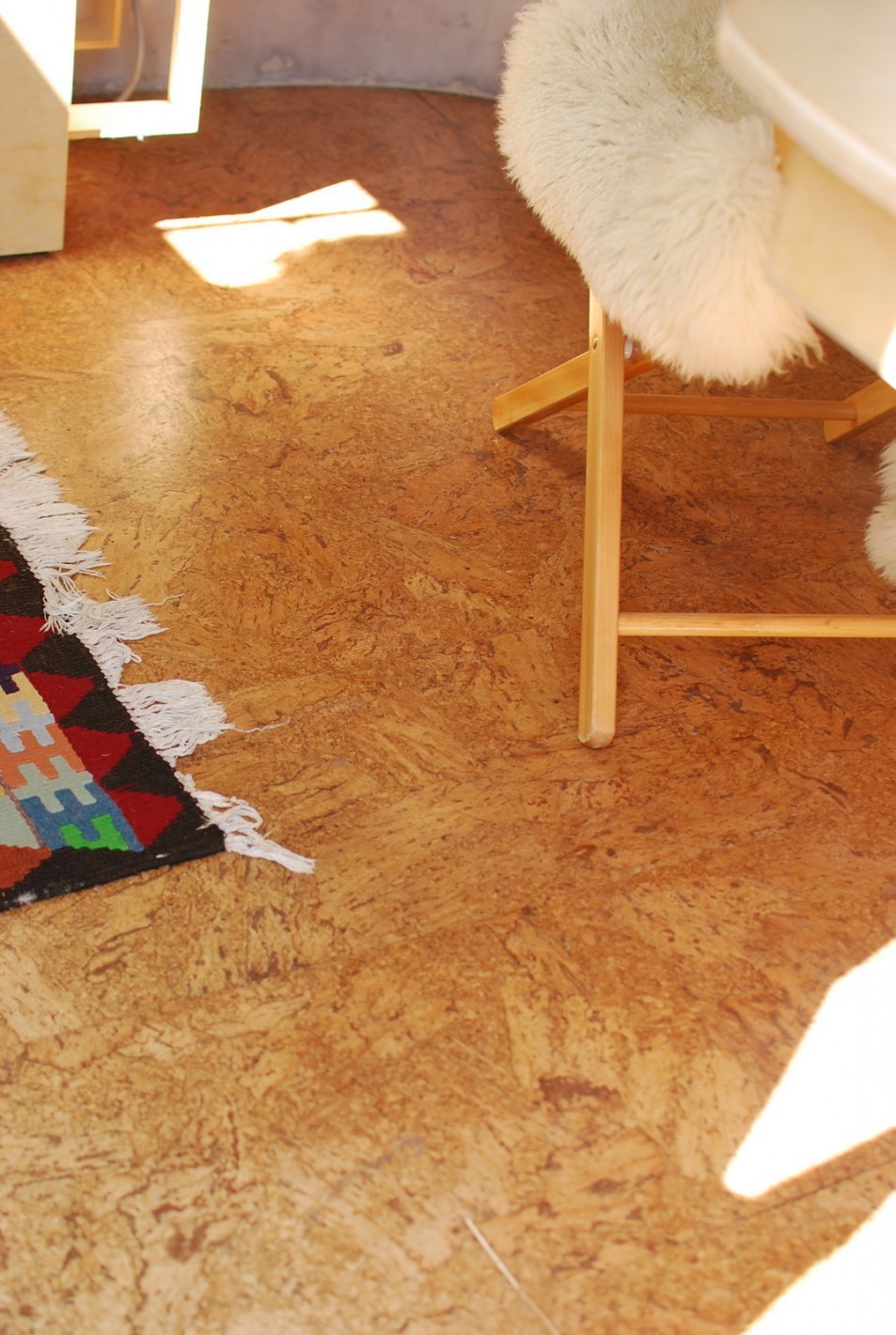
How to clean cork floors in the best way?
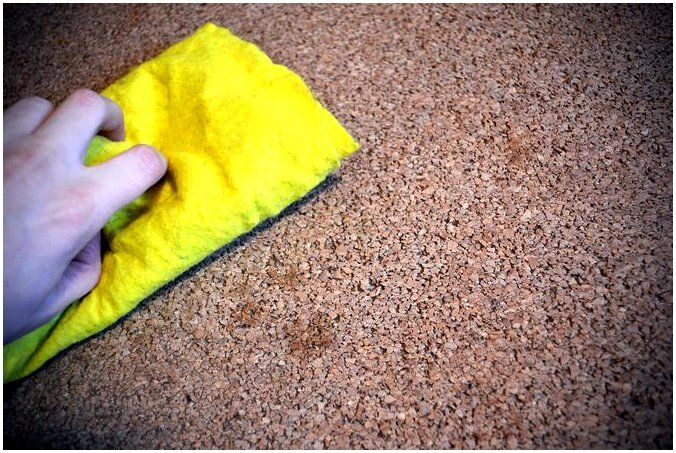
How to Clean Cork Floors

How to Safely Clean Cork Flooring
How to Clean Cork Floor Natural Way

Related Posts: