Choosing the right flooring for your kitchen can be tricky—you need something durable, water-resistant, and stylish. After years of testing different options, I’ve found that wood flooring, when chosen carefully, can be a fantastic choice for kitchens. It adds warmth and timeless appeal while standing up to daily wear and tear. Let me share my experience with wood kitchen floors, including the best types, maintenance tips, and how to avoid common pitfalls.
Why Wood Flooring Works in Kitchens
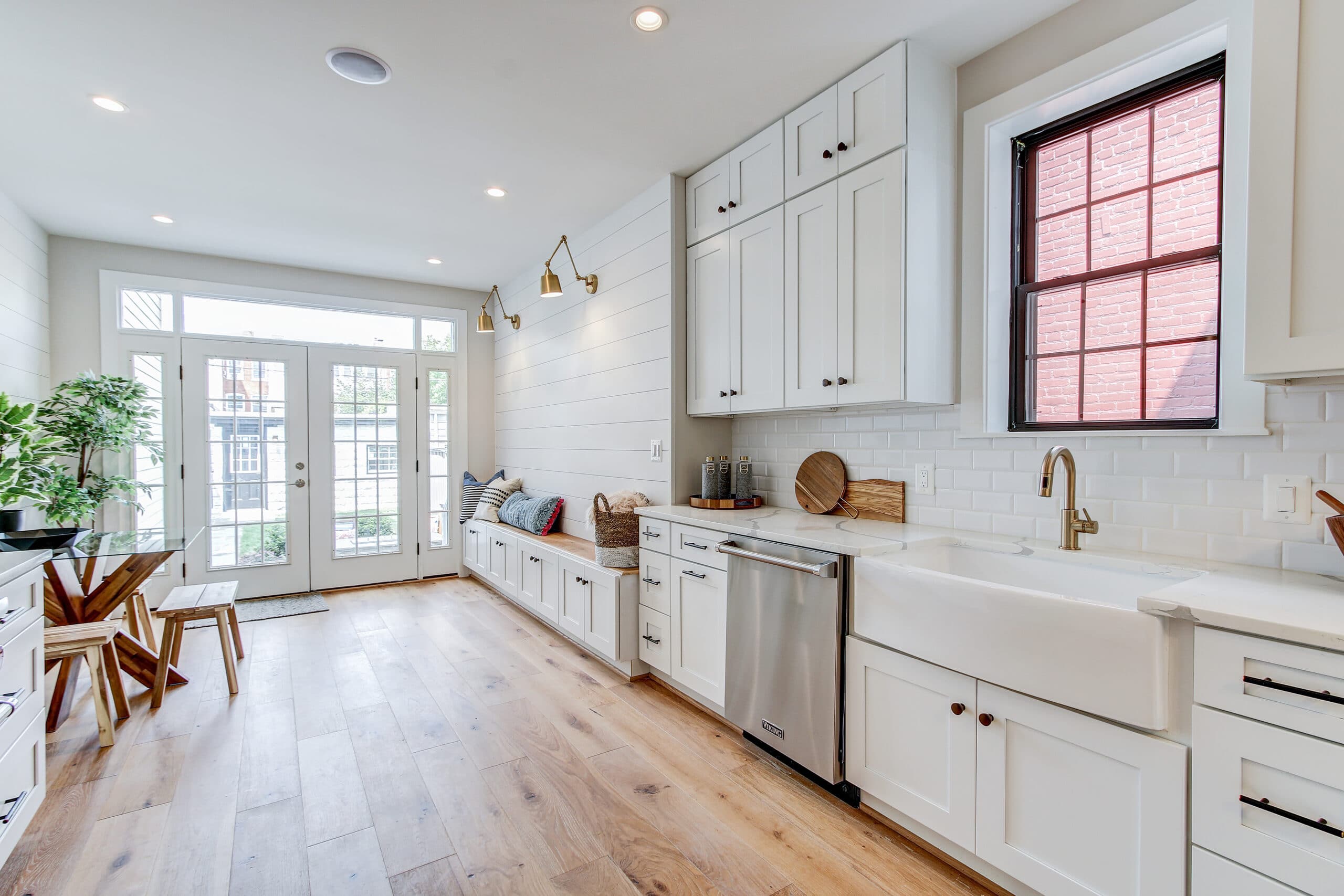
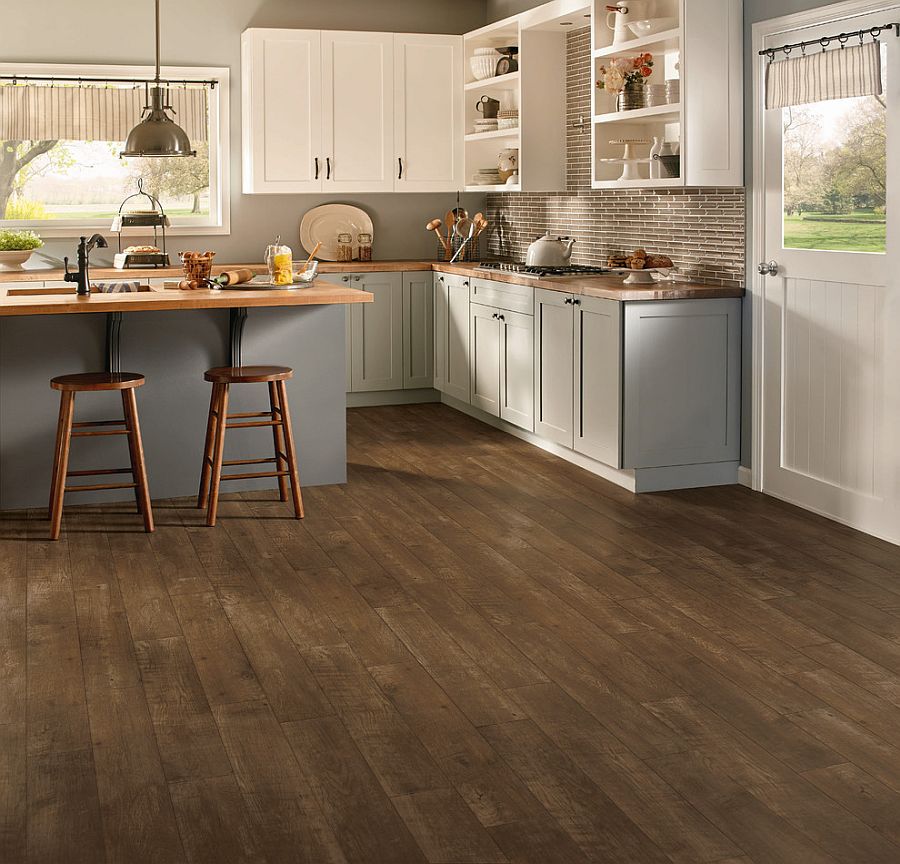
Many people assume wood isn’t suitable for kitchens because of moisture concerns, but with the right precautions, it can last for decades. I installed solid oak flooring in my kitchen five years ago, and with proper sealing and maintenance, it still looks brand new. The key is choosing a dense, stable wood species and ensuring it’s properly finished to resist spills and humidity.
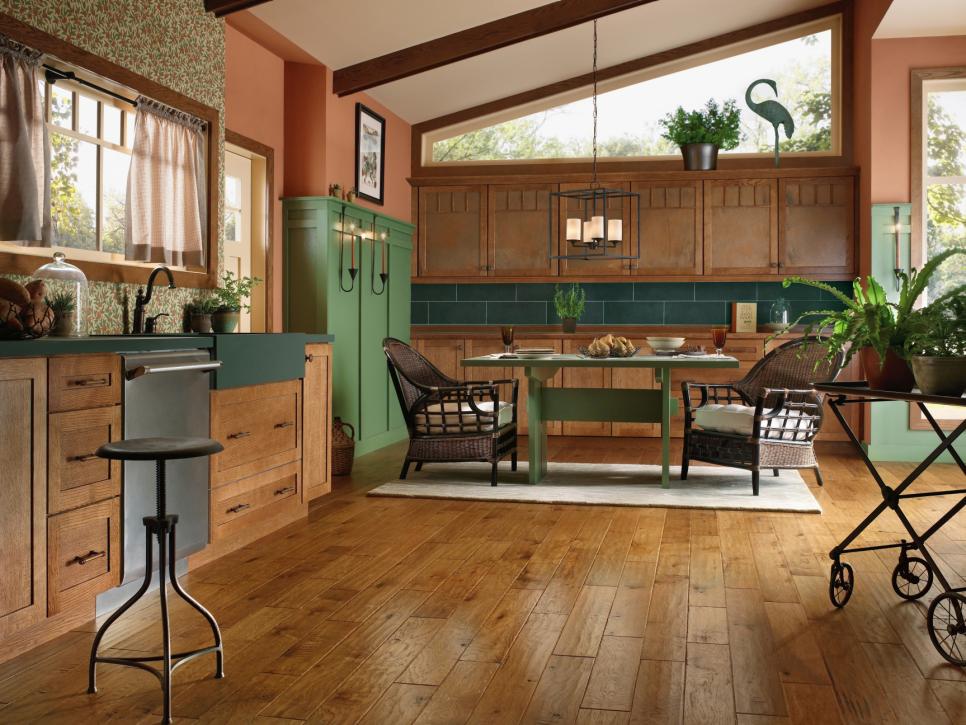
Wood also brings a natural warmth that tile or vinyl can’t match. My kitchen feels cozy and inviting, even in winter, because the wood doesn’t get as cold underfoot as stone or ceramic. Plus, wood flooring pairs beautifully with any kitchen style—from rustic farmhouse to modern minimalist. I love how it ties the space together with the rest of my home’s hardwood floors.
Another advantage is durability. While scratches can happen, they often add character rather than ruin the look. I’ve accidentally dropped pots and dragged chairs across my floor, and the minor dings blend in over time. Unlike laminate, real wood can also be refinished if deeper damage occurs, making it a long-term investment.
Best Wood Species for Kitchen Floors
Not all wood types perform equally well in kitchens. I’ve found that hardwoods like oak, maple, and hickory are the most reliable because of their density and resistance to wear. Oak is my top choice—it’s widely available, affordable, and takes stains well, allowing for customization. Maple is even harder but can be tricky to stain evenly, so I prefer its natural light tone.
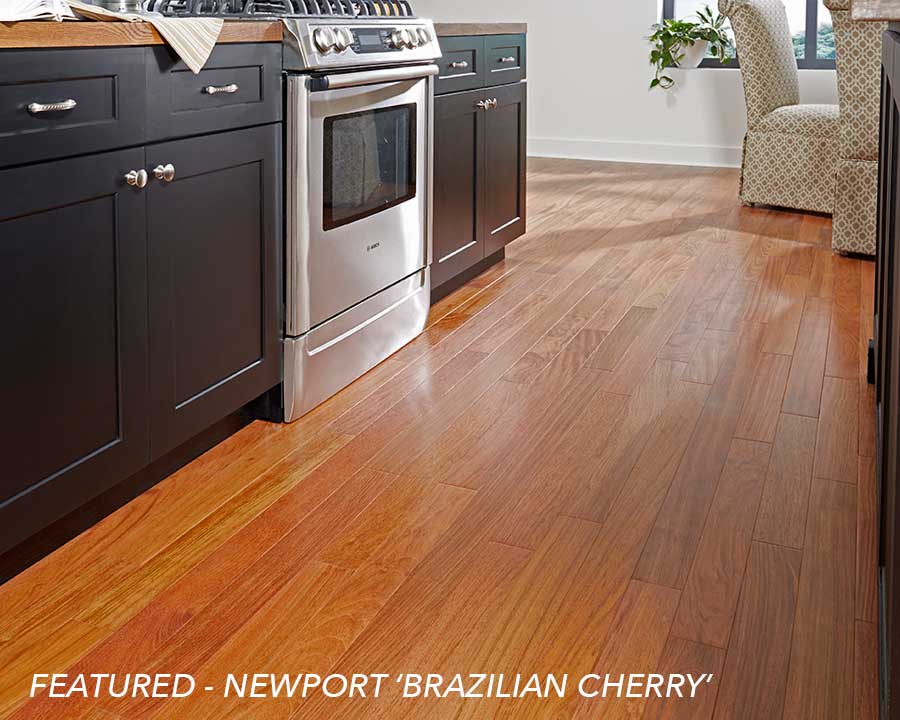
Exotic woods like Brazilian cherry or teak are also great for kitchens because of their natural water resistance. I considered teak for its rich color and durability, but it was beyond my budget. If you can afford it, these woods require less maintenance and hold up exceptionally well in high-moisture areas.
Engineered wood is another excellent option, especially for kitchens with fluctuating humidity. I used engineered walnut in a previous home, and its layered construction prevented warping better than solid wood. It’s also easier to install over concrete subfloors, making it ideal for basements or slab foundations.
Finishing and Sealing for Protection
The finish is what makes or breaks wood flooring in a kitchen. I opted for a water-based polyurethane coating because it dries quickly and has low odor, which was important since I didn’t want to vacate my home during application. Oil-based polyurethane is more durable but takes longer to cure and has a stronger smell.
For extra moisture resistance, I applied multiple coats, sanding lightly between each layer. This creates a strong barrier against spills and stains. Some people prefer wax finishes for a natural look, but they require more upkeep. Since I wanted low maintenance, polyurethane was the better choice for my busy kitchen.
If you’re considering an oil finish, keep in mind that it needs regular reapplication. I tried it in a small section near the sink, and while it looked beautiful, I had to re-oil it every few months to maintain protection. For most homeowners, a high-quality polyurethane or aluminum oxide finish will provide the best balance of durability and ease of care.
Daily and Long-Term Maintenance
Keeping wood floors in good condition starts with simple daily habits. I sweep with a soft-bristle broom or use a microfiber mop to pick up crumbs and grit that can scratch the surface. Placing mats near the sink and stove helps catch spills before they reach the wood. I also wipe up liquids immediately—even sealed wood can warp if water sits too long.
Every few months, I deep-clean with a wood-floor cleaner recommended by my flooring manufacturer. Harsh chemicals like vinegar or ammonia can strip the finish, so I stick to pH-neutral solutions. For stubborn spots, a slightly damp cloth works better than soaking the floor. Steam mops are a definite no—they force moisture into the wood and can cause long-term damage.
Over time, high-traffic areas may start to look dull. I buff my floors once a year with a floor polisher to restore shine without refinishing. If deep scratches or wear appear, sanding and recoating can refresh the surface. With proper care, wood flooring can last decades, making it worth the extra effort.
Avoiding Common Mistakes
One mistake I made early on was not using area rugs in key spots. The space in front of my sink and stove saw the most wear, and after a year, the finish started to thin. Now I use washable rugs in these areas to protect the wood while still keeping the aesthetic I love.
Another misstep was dragging furniture without protectors. Even lightweight chairs can leave scratches if moved carelessly. I added felt pads to all my kitchen chairs and table legs, which made a huge difference. For heavy appliances like the fridge, I use plastic sliders to avoid gouging the floor when cleaning behind them.
Lastly, I underestimated how much humidity affects wood. In summer, my floors expanded slightly, causing slight buckling near the edges. Installing a humidifier in winter and a dehumidifier in summer helped stabilize the environment. If you live in a climate with extreme humidity changes, engineered wood might be a safer bet than solid planks.

Design Tips for a Cohesive Look
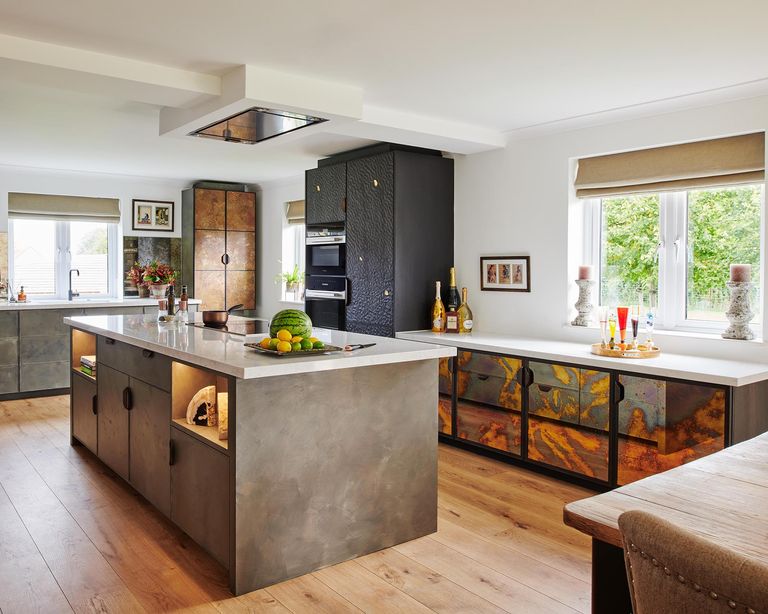
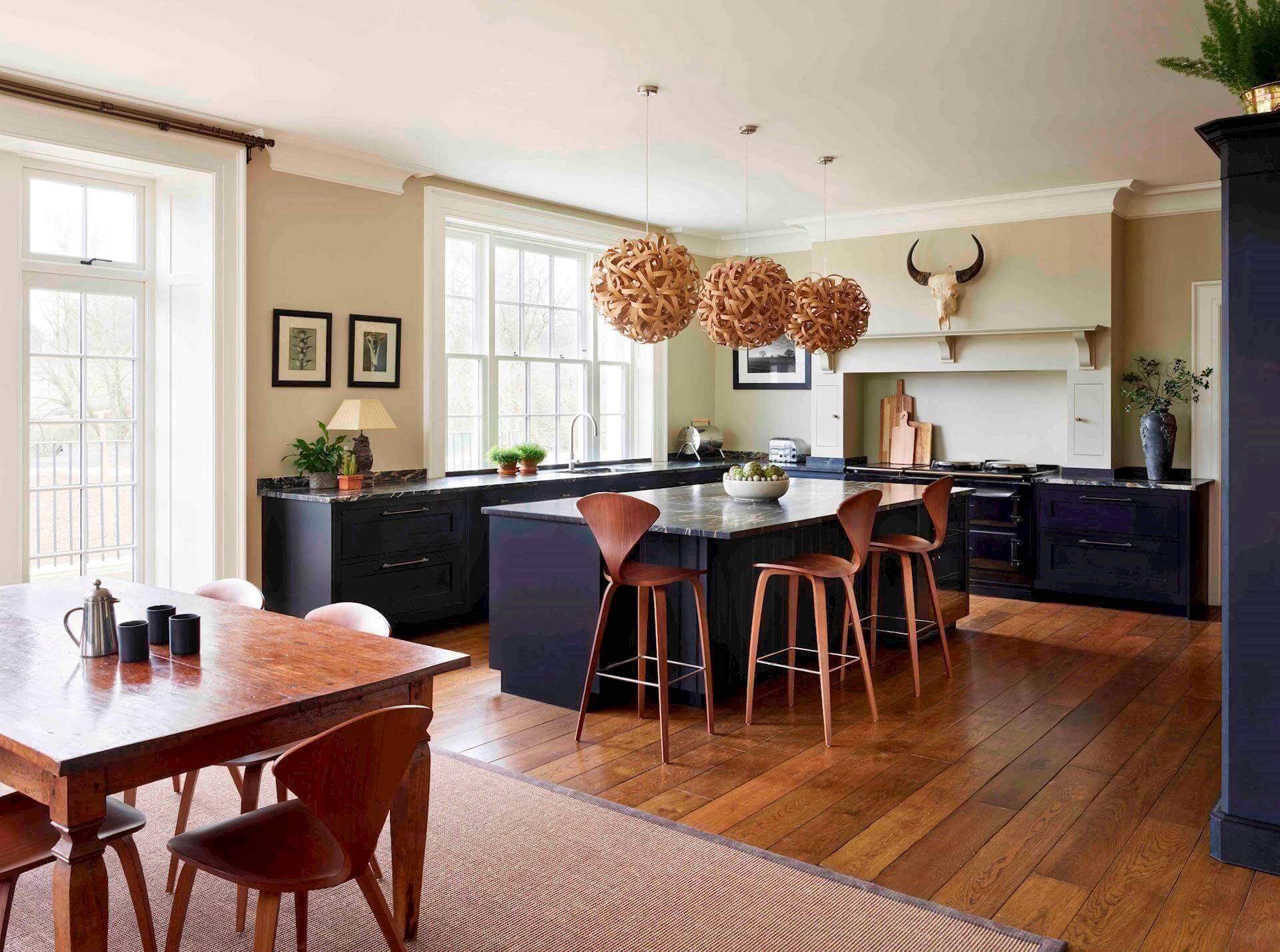
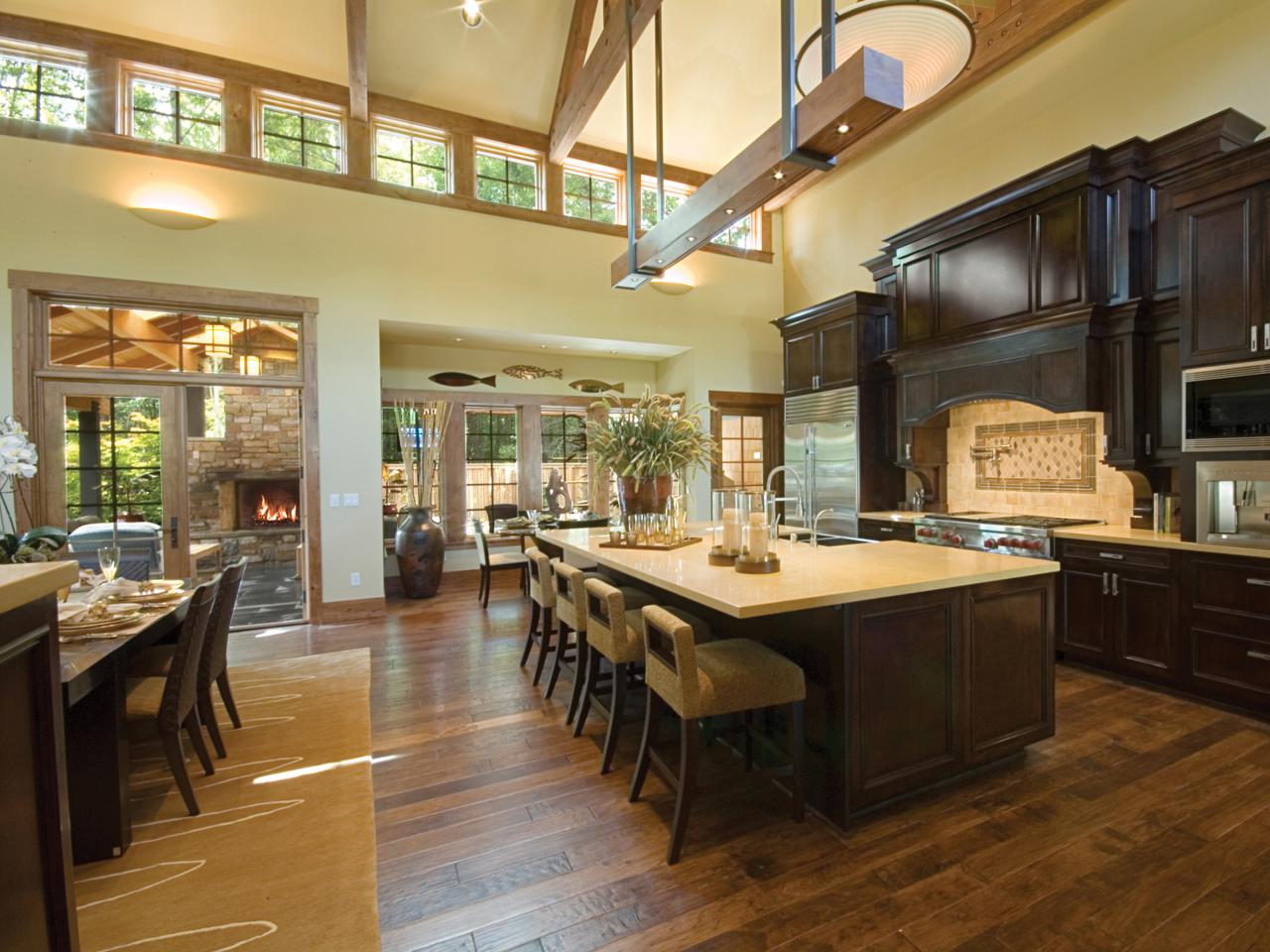
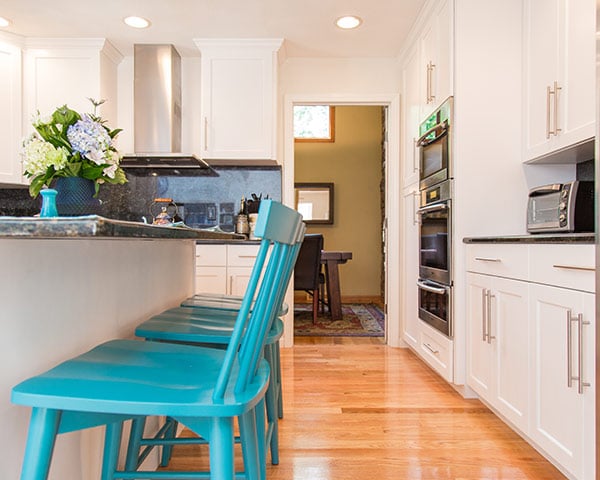
Wood flooring can make a kitchen feel more open when matched with the rest of the house. I extended the same oak flooring from my living room into the kitchen, creating a seamless flow. If you prefer contrast, mixing wood tones (like dark walnut cabinets with light maple floors) adds visual interest without clashing.
For smaller kitchens, I recommend lighter wood tones to make the space feel larger. My previous kitchen had dark espresso floors, which looked stunning but made the room feel cramped. Switching to a natural oak shade brightened the whole area. Wide planks also give a more modern, spacious feel compared to narrow strips.
If you love the look of wood but worry about durability, consider wood-look porcelain tile or luxury vinyl. I tried both in a rental and was impressed by how realistic they looked. However, nothing beats the warmth and authenticity of real wood, which is why I keep coming back to it in my own home.
Is wood flooring practical for a kitchen?
Yes, if you choose the right type and maintain it properly. Hardwoods like oak and maple hold up well, especially with a durable finish. I’ve had wood floors in my kitchen for years with no major issues. The key is sealing it well, cleaning spills quickly, and using rugs in high-moisture areas. Engineered wood is also a great option for better moisture resistance.
What’s the most durable wood finish for kitchens?
Water-based polyurethane is my top pick because it resists scratches and moisture while being low-odor. Aluminum oxide finishes, often found in prefinished wood, are even tougher but harder to touch up. Oil finishes look beautiful but require frequent reapplication, making them less practical for busy kitchens.
Can you install wood flooring over radiant heat?
Yes, but not all wood types are suitable. Engineered wood works best because it’s more stable under temperature changes. Solid wood can warp if the heat fluctuates too much. Always check the manufacturer’s guidelines and keep the heat at a consistent, moderate level to prevent damage.
How do you fix water damage on kitchen wood floors?
Minor water stains can sometimes be sanded out and refinished. For deeper damage, like warping or mold, replacing the affected planks may be necessary. I once had a leak under my sink, and because I caught it early, drying the area thoroughly prevented long-term issues. Using a dehumidifier helps pull moisture out of the wood.

Are dark or light wood floors better for kitchens?
Light wood floors hide dust and scratches better, making them more forgiving in busy kitchens. Dark wood shows every crumb but looks elegant if you don’t mind frequent cleaning. I prefer medium tones like natural oak because they strike a balance between style and practicality.
Can you use steam mops on wood kitchen floors?
No, steam mops can damage wood by forcing moisture into the seams, causing warping or finish deterioration. I stick to damp mopping with a well-wrung mop and a wood-safe cleaner. If you love steam cleaning, consider wood-look tile or vinyl instead.
Hardwood Kitchen Floor Ideas
THE BEST KITCHEN FLOOR: TILE VS HARDWOOD

What is the Best Hardwood Flooring for Kitchens and Why
Related Posts: