Wood floors can add beauty and warmth to any home, but they are not immune to the wear and tear caused by our furry friends. Dogs, in particular, can inadvertently cause scratches on wood floors through their natural behaviors. Understanding how these scratches occur can help us take preventive measures and better protect our beloved flooring.
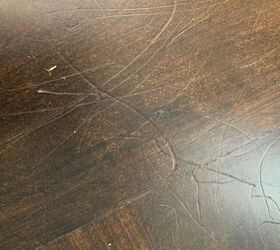
One common way dogs cause scratches on wood floors is through their nails. Dogs naturally have sharp claws that can easily dig into the surface of the wood. As they walk, run, or play on the floor, their nails can scrape and create scratches. The size and depth of these scratches can vary depending on the dog’s size, weight, and activity level. Larger dogs with heavier paws may cause deeper scratches compared to smaller breeds.
Another way dogs can cause scratches is by dragging or sliding on the wood floor. This can happen when dogs suddenly stop or change direction while running or playing. The friction between their paws and the wood floor can result in visible scratches. Additionally, dogs may sometimes scratch the floor intentionally, especially when they are trying to dig or find something underneath the surface. This behavior can be particularly damaging as it often leads to deep and noticeable scratches.
It’s important to note that certain factors can make wood floors more susceptible to scratches caused by dogs. For instance, the type and quality of the wood can play a significant role. Softer woods, such as pine or fir, are more prone to scratches compared to harder woods like oak or maple. Furthermore, the finish on the wood floor can provide some level of protection against scratches. A high-quality finish, such as polyurethane or aluminum oxide, can help minimize the impact of dog-induced scratches.
In order to minimize the occurrence of scratches, there are several preventive measures that can be taken. Regularly trimming your dog’s nails can significantly reduce the chances of scratches. Additionally, using dog-friendly rugs or mats in high-traffic areas can provide a protective barrier between your dog’s paws and the wood floor. It’s also advisable to keep your dog’s play area away from the wood floor, especially if they tend to exhibit behaviors that could potentially damage the surface.
Preventing Dog Scratches on Wood Floors Tips and Tricks
Trim Your Dog’s Nails Regularly
One of the most effective ways to prevent dog scratches on wood floors is by keeping your dog’s nails trimmed. Long nails can easily scratch and damage the surface of your wood floors. Make sure to trim your dog’s nails regularly to keep them short and blunt. If you’re unsure how to do this yourself, consider taking your dog to a professional groomer or veterinarian for nail trims.
Use Protective Mats or Rugs
Another way to prevent dog scratches on wood floors is by using protective mats or rugs in high-traffic areas. Place these mats or rugs near doorways, hallways, or any other areas where your dog tends to run or play. These mats act as a barrier between your dog’s nails and the wood floor, reducing the risk of scratches.
Apply Nail Caps
Nail caps are small plastic covers that can be glued onto your dog’s nails to prevent scratching. These caps are safe for your dog and can last for several weeks before they need to be replaced. By using nail caps, you can protect your wood floors from scratches while still allowing your dog to maintain their natural nail length.
Keep Your Dog’s Paws Clean and Moisturized
Dry and rough paws can be more likely to cause scratches on wood floors. To prevent this, make sure to keep your dog’s paws clean and moisturized. Regularly wash your dog’s paws with mild soap and water, and apply a pet-friendly moisturizer to keep their paws soft and smooth. This can help minimize any potential damage to your wood floors.
Provide Adequate Exercise and Mental Stimulation
Dogs with excess energy or boredom may be more prone to scratching and damaging your wood floors. To prevent this, make sure your dog receives regular exercise and mental stimulation. Engage in activities such as daily walks, interactive toys, and training sessions to keep your dog physically and mentally stimulated. A tired and content dog is less likely to engage in behaviors that can lead to scratches on your wood floors.
Supervise Your Dog’s Behavior
Lastly, closely supervise your dog’s behavior when they are indoors, especially in areas with wood floors. If you notice your dog scratching or exhibiting destructive behavior, redirect their attention to appropriate toys or activities. By actively monitoring your dog’s behavior, you can intervene before any significant damage occurs to your wood floors.
DIY Solutions for Repairing Dog Scratches on Wood Floors
Wood floors can add warmth and beauty to any home, but they are not immune to the occasional scratches caused by our furry friends. If you are a dog owner, you may have experienced the frustration of finding unsightly scratches on your beloved wood floors. Fortunately, there are several DIY solutions available to help you repair these scratches and restore the natural beauty of your wood floors.
1. Sanding and Refinishing:
One of the most effective ways to repair dog scratches on wood floors is by sanding and refinishing the affected area. This method involves sanding down the scratched surface to remove any damaged wood, and then applying a new coat of finish or stain to match the rest of the floor. While this process may take some time and effort, it can greatly improve the appearance of your wood floors and make the scratches less noticeable.
2. Filling and Touching Up:
For minor scratches, filling and touching up the affected area can be a quick and easy solution. There are various wood fillers and touch-up markers available in the market that are specifically designed for repairing scratches on wood floors. Simply apply the filler or marker to the scratch, let it dry, and gently sand the area to blend it with the surrounding wood. This method is best suited for small, shallow scratches.
3. Using a Vinegar and Olive Oil Mixture:
If you prefer a more natural approach, you can try using a mixture of vinegar and olive oil to repair dog scratches on wood floors. Mix equal parts of white vinegar and olive oil in a bowl, and then apply the mixture to the scratched area using a soft cloth. Rub the mixture into the scratch, following the direction of the grain, and let it sit for a few hours or overnight. The vinegar helps to clean the scratched surface, while the olive oil moisturizes and hides the scratch. Wipe off any excess mixture with a clean cloth, and buff the area to restore its shine.
Professional Assistance for Repairing Dog Scratches on Wood Floors
While DIY solutions can be effective for minor scratches, severe or extensive damage may require professional assistance. If your wood floors have deep scratches or if you are unsure about the best method to repair them, it is advisable to seek help from a professional wood floor repair specialist. These experts have the knowledge, tools, and experience to assess the damage and recommend the most suitable repair technique.
Choosing Dog-Friendly Wood Flooring
Choosing the right type of wood flooring for households with dogs is essential to minimize the potential for scratches and damage. While no wood floor is completely scratch-proof, certain options are more durable and resistant to pet-related wear and tear.
Hardwood Floors:
When it comes to wood flooring, solid hardwood is a popular choice for its timeless beauty and durability. However, it is important to choose a harder species of wood, such as oak or hickory, as they are less prone to scratches. Additionally, selecting a floor with a higher Janka hardness rating can provide added protection against dog-induced damage.
Engineered Wood Floors:
Engineered wood flooring is an excellent alternative to solid hardwood, especially for pet owners. It consists of a top layer of real wood veneer bonded to multiple layers of high-density fiberboard or plywood. Engineered wood is more dimensionally stable than solid hardwood, making it less susceptible to moisture and temperature changes that can cause warping or cupping. It is also more resistant to scratches and provides a durable option for dog-friendly homes.
Laminate Floors:
Laminate flooring is an affordable and dog-friendly option that mimics the look of natural wood. It is composed of multiple layers, including a wear layer that protects against scratches and stains. Laminate floors are highly resistant to pet claws and are easy to clean, making them an ideal choice for households with dogs.
Luxury Vinyl Plank (LVP) Floors:
Luxury vinyl plank flooring is designed to mimic the appearance of hardwood while offering superior resistance to scratches and stains. It is constructed with multiple layers, including a wear layer that shields against pet-related damage. LVP is highly durable, waterproof, and easy to maintain, making it an excellent choice for dog owners who want the look of wood without the worry of scratches.
Bamboo Floors:
Bamboo flooring is an eco-friendly option that is known for its durability and resistance to scratches. It is harder than most hardwoods and can withstand the wear and tear caused by dogs. However, it is essential to choose a high-quality strand-woven bamboo floor, as they tend to be more resistant to scratches compared to traditional bamboo options.
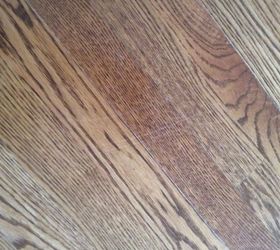
Scratches from my big dog on hardwood floor, what should I do
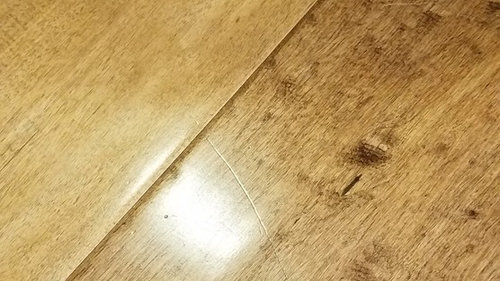
What is a screen and re-coat (aka a buff and coat) and will it
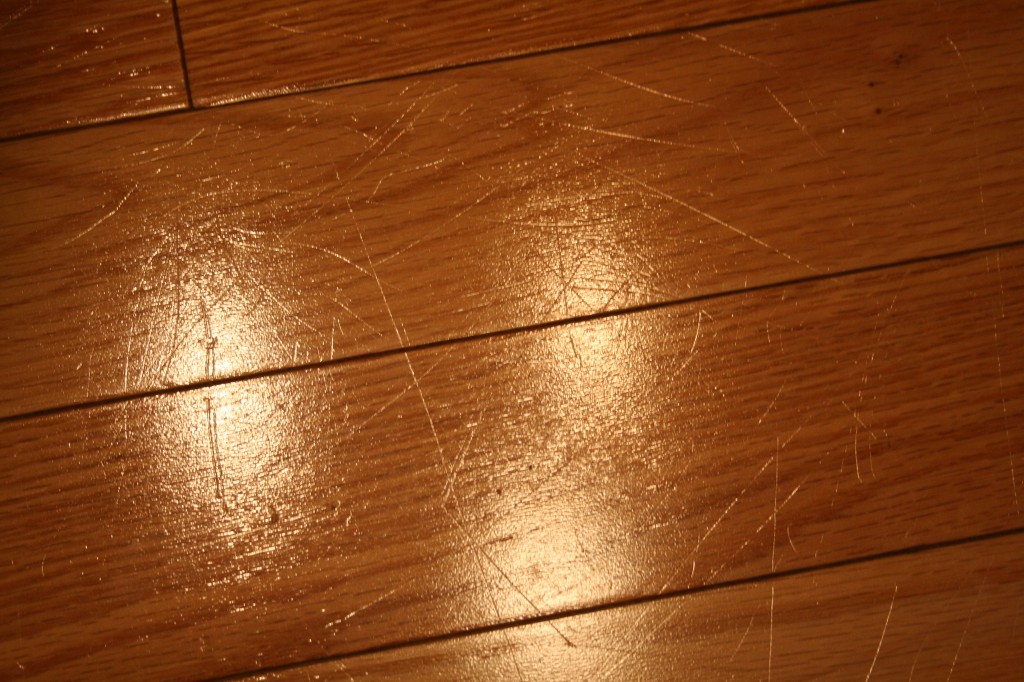
Are Pets and Hardwood Floors Compatible? u2014 Hardwood Floor
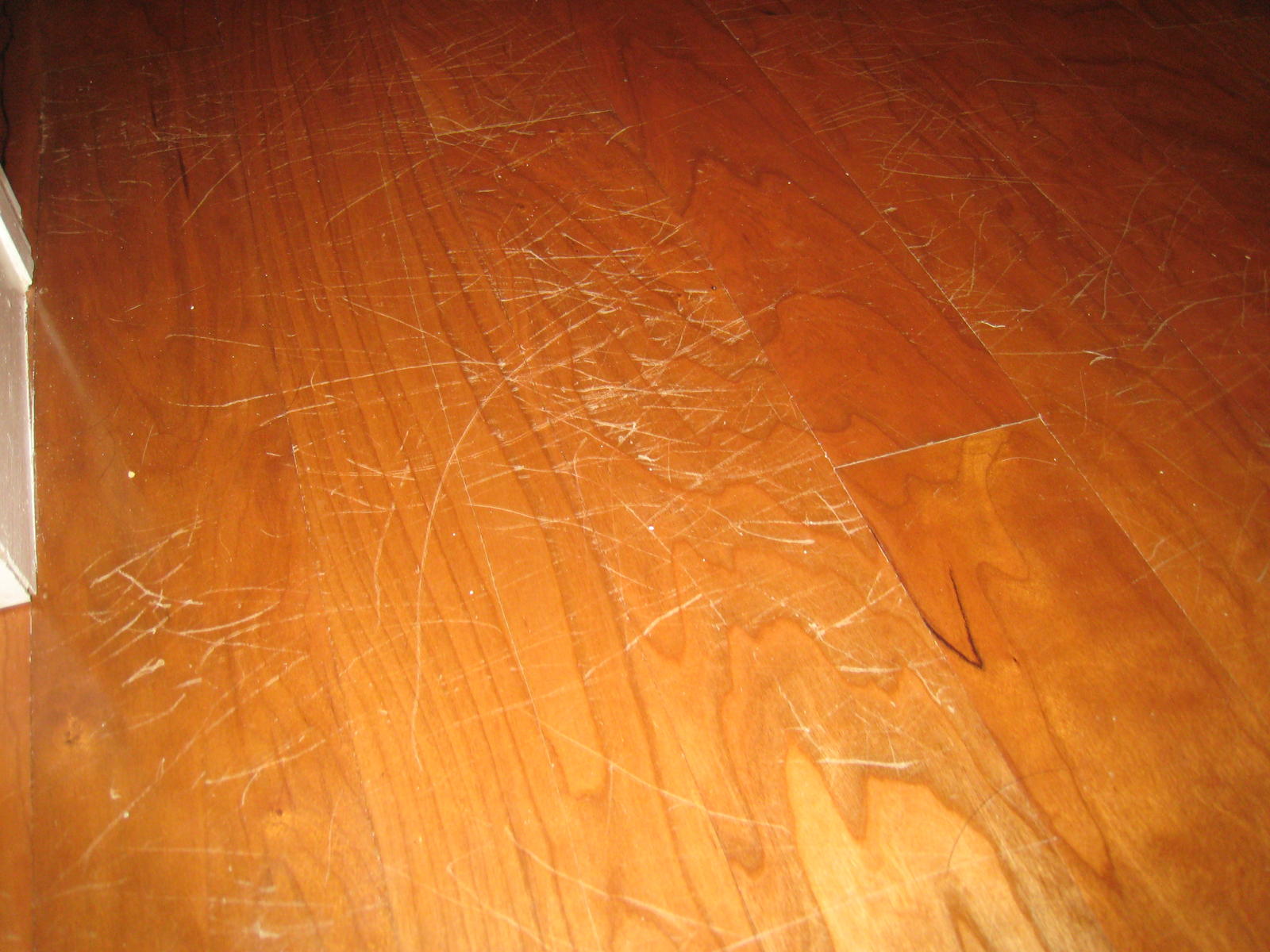
Dog Nails Scratching Wood Floors – Updated June, 2022
How to Repair Dog Scratches on Your Floor or Furniture – Moving.com
Remove dogu0027s scratches on hardwood floor without refinishing
We use cookies on our website to give you the most relevant experience by remembering your preferences and repeat visits. By clicking “Accept All”, you consent to the use of ALL the cookies. However, you may visit "Cookie Settings" to provide a controlled consent.
This website uses cookies to improve your experience while you navigate through the website. Out of these, the cookies that are categorized as necessary are stored on your browser as they are essential for the working of basic functionalities of the website. We also use third-party cookies that help us analyze and understand how you use this website. These cookies will be stored in your browser only with your consent. You also have the option to opt-out of these cookies. But opting out of some of these cookies may affect your browsing experience.
Necessary cookies are absolutely essential for the website to function properly. These cookies ensure basic functionalities and security features of the website, anonymously.
Cookie
Duration
Description
cookielawinfo-checkbox-analytics
11 months
This cookie is set by GDPR Cookie Consent plugin. The cookie is used to store the user consent for the cookies in the category "Analytics".
cookielawinfo-checkbox-functional
11 months
The cookie is set by GDPR cookie consent to record the user consent for the cookies in the category "Functional".
cookielawinfo-checkbox-necessary
11 months
This cookie is set by GDPR Cookie Consent plugin. The cookies is used to store the user consent for the cookies in the category "Necessary".
cookielawinfo-checkbox-others
11 months
This cookie is set by GDPR Cookie Consent plugin. The cookie is used to store the user consent for the cookies in the category "Other.
cookielawinfo-checkbox-performance
11 months
This cookie is set by GDPR Cookie Consent plugin. The cookie is used to store the user consent for the cookies in the category "Performance".
viewed_cookie_policy
11 months
The cookie is set by the GDPR Cookie Consent plugin and is used to store whether or not user has consented to the use of cookies. It does not store any personal data.
Functional cookies help to perform certain functionalities like sharing the content of the website on social media platforms, collect feedbacks, and other third-party features.
Performance cookies are used to understand and analyze the key performance indexes of the website which helps in delivering a better user experience for the visitors.
Analytical cookies are used to understand how visitors interact with the website. These cookies help provide information on metrics the number of visitors, bounce rate, traffic source, etc.
Advertisement cookies are used to provide visitors with relevant ads and marketing campaigns. These cookies track visitors across websites and collect information to provide customized ads.





 Related Posts: