I stumbled onto white cork flooring almost by accident. I had been searching for something that could bring light and warmth into my home office simultaneously, and everything I looked at seemed to deliver one or the other but never both. Then a designer friend mentioned white cork almost offhandedly, and when I looked into it, I couldn’t believe I hadn’t considered it sooner.
The combination of a bright, airy color with cork’s natural cushion and texture turned out to be exactly what my space needed. If you’re curious whether white cork flooring might work in your home, let me share everything I’ve learned from choosing it, living with it, and caring for it.
What White Cork Flooring Actually Is and How It’s Made
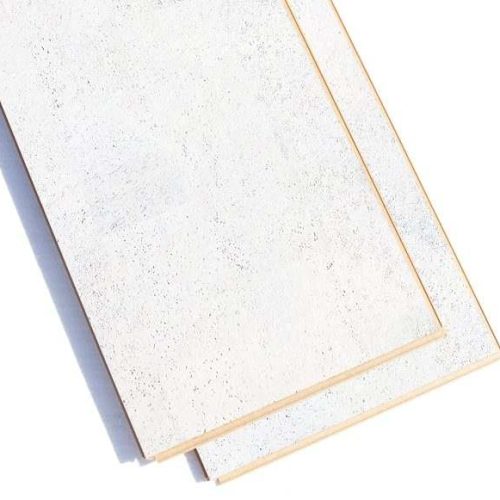
White cork flooring isn’t naturally white, and understanding how the color is achieved helped me shop more confidently. Cork comes from the bark of cork oak trees and its natural color ranges from a warm beige to a medium caramel tone.
To achieve white or very pale tones, manufacturers either bleach the cork, apply a white stain, or use a painted finish over the surface. Each method has slightly different implications for durability and appearance over time.
Bleached cork tends to retain more of the natural cork texture because the process lightens the material itself rather than coating it. Stained and painted finishes sit on top of the surface and can be more susceptible to wear in high-traffic areas.
When I was shopping, I asked each supplier specifically how their white finish was achieved and chose a product with a deeply penetrating white stain that bonded into the cork rather than sitting on top of it.
The underlying cork construction also matters. White cork flooring is available in both traditional pressed cork tiles and strand-compressed formats. The tile format shows more of the characteristic cork grain and cellular texture, which I personally find beautiful in a white finish because the texture adds visual depth that a flat painted surface wouldn’t have. Understanding these differences helped me narrow down to a product that delivered exactly the look I was going for.
The Design Impact of White Cork in a Real Room
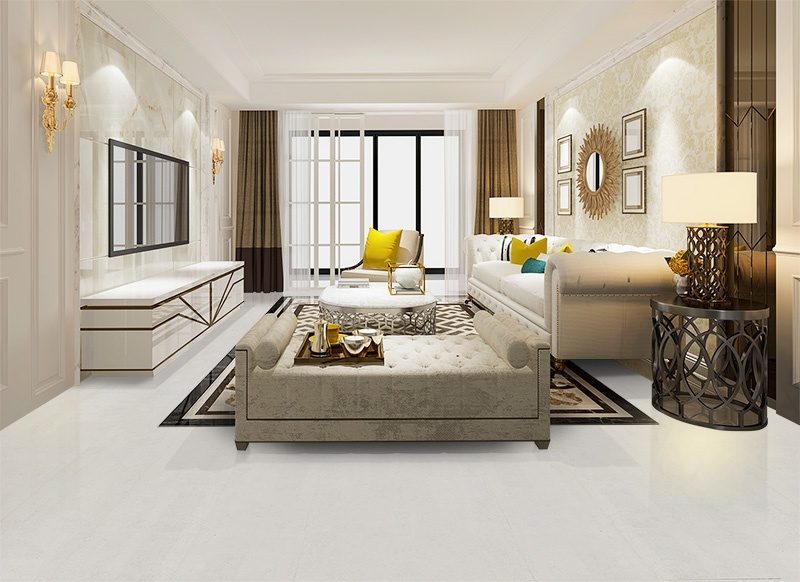
When my white cork floor went in, the room transformation was immediate and dramatic. The pale floor reflected light around the space in a way that the medium-tone hardwood it replaced simply didn’t. My home office, which had always felt slightly dim despite good lighting, suddenly felt bright and open from the moment you walked through the door. It was one of those flooring changes that makes you wonder why you waited so long.
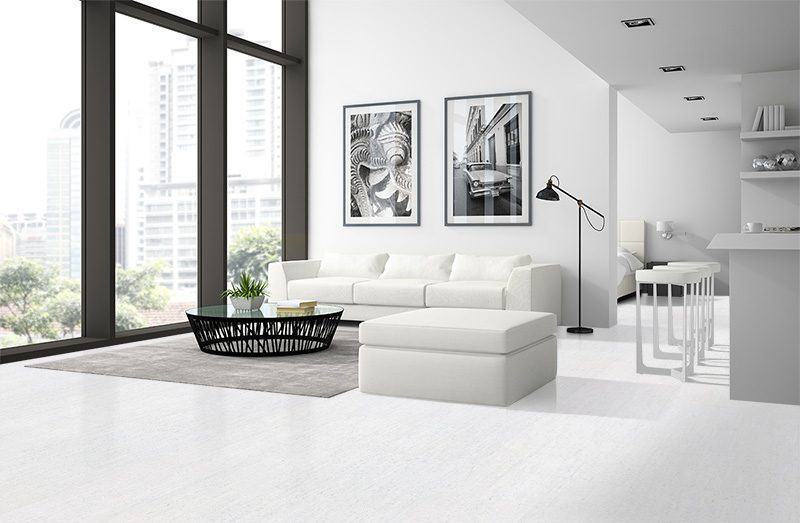
White floors have a reputation for making spaces feel larger, and in my experience that reputation is well earned. The pale, continuous surface draws the eye outward to the walls and beyond, reducing the sense of boundaries that darker floors can create. For anyone working with a smaller room or a space that lacks natural light, white cork delivers that expansive quality while adding the warmth and cushion that cold hard surfaces can’t provide.
The texture of cork adds something that painted wood or tile doesn’t have in a white floor. There’s a warmth to the surface even at this pale tone because the natural cellular structure of the cork creates subtle shadow and dimension that keeps it from looking clinical. My office feels light without feeling cold, and that balance was something I genuinely struggled to achieve with any other material I considered.
Practical Considerations Before You Commit to White Cork
I want to be upfront with you about the main concern with white cork flooring, because I think it’s something every interested buyer deserves to hear honestly: white shows things. Dust, fine debris, pet hair, and scuffs are more visible on a pale floor than on a mid-tone surface. I have a dog, and in the first few weeks after installation I found myself sweeping more frequently than I had before. Once I adjusted my routine, it became manageable, but the adjustment was real.
The good news is that cork’s natural texture actually helps more than you might expect. Because the surface has dimension and variation, fine dust and light debris blend into the texture rather than sitting starkly visible on a smooth surface. A quick pass with a microfiber dust mop picks up what accumulates, and I do this every day or every other day depending on how much activity the room sees. It takes about five minutes and keeps the floor looking pristine.
Placement matters a lot with white cork. I’d think carefully before installing it in a mudroom, a high-traffic hallway, or directly in front of an exterior door where shoes and outdoor debris are a constant factor. My home office is a lower-traffic space where I control what comes in, and that’s a significant reason the white floor works so well there. For higher-traffic zones, a slightly warmer or mid-tone cork might serve you better without sacrificing the organic texture and comfort benefits.
How to Properly Seal and Protect White Cork Floors
Sealing is non-negotiable with white cork, and doing it well from the start is the single most important thing you can do for the floor’s long-term appearance. An unfinished or poorly sealed white cork floor will absorb stains, scuffs, and moisture far too easily. I applied two coats of a water-based polyurethane finish specifically formulated for cork before I even walked on the floor, and that protective layer has been the foundation of everything since.
Water-based polyurethane is my preferred choice for white cork because it dries clear without the amber tint that oil-based products can introduce. On a white floor, even a slight yellowing from the wrong sealer is immediately visible and very difficult to reverse. I confirmed with my flooring supplier that their recommended sealer was fully water-based and color-neutral before applying anything.
Reapplication every few years keeps the protection fresh, and the timeline depends on traffic levels in your specific space. In my relatively low-traffic office, I expect to reseal every three to four years. In a busier room, I’d plan for every two years. The process isn’t difficult, just clean the floor thoroughly, lightly buff the surface, and apply thin, even coats of sealer following the product’s instructions. Doing this regularly keeps white cork looking sharp and extends the floor’s lifespan considerably.

Caring for White Cork Day to Day Without Stressing About It
Once I settled into a maintenance routine, caring for my white cork floor stopped feeling like extra work and started feeling like a normal part of keeping a clean home. The daily dust mop is the most important habit, as I mentioned earlier, but beyond that the weekly care is simple. I use a pH-neutral cleaner specifically formulated for finished cork applied with a microfiber mop that I wring out until barely damp.
Moisture is the biggest enemy of any cork floor, and white cork is no exception. Excess water can seep into seams and cause swelling or discoloration that is particularly visible on a pale surface. I always make sure my mop is barely damp rather than wet, and I work in small sections so no area stays moist for long. Spills get wiped up immediately, every single time, without exception.
For the occasional scuff or mark that does appear on the white surface, a soft cloth with a tiny amount of the approved floor cleaner usually handles it. For more stubborn spots, I’ve had good results with a very mild solution of dish soap on a damp cloth applied gently and dried immediately. The key with white cork is acting quickly when something happens rather than letting it sit, because the paler the floor, the more time works against you when a stain is left unaddressed.

The Cost and Long-Term Value of Choosing White Cork
White cork flooring sits in a mid-range price category, which surprised me because the look it delivers feels significantly more premium than the cost suggests. Material costs typically run between three and seven dollars per square foot depending on thickness, construction quality, and the specific finishing process used to achieve the white tone. That’s competitive with many hardwood and tile options that offer less comfort and flexibility.
Professional installation adds to the total, particularly if you choose a glue-down method, which I’d recommend for white cork because it produces a more stable and seamless finished floor. My total project cost including materials, professional installation, and two coats of sealer came out to roughly nine dollars per square foot for my 180-square-foot office. That felt very reasonable for how significantly it changed the space.
The longevity of cork when properly maintained is worth factoring into the value calculation. A well-cared-for cork floor can last twenty to thirty years, and unlike some other flooring materials it can be lightly sanded and refinished to address wear or discoloration. For white cork specifically, refinishing allows you to restore the pale tone if it develops yellowing or uneven wear over time. That ability to refresh rather than replace makes the initial investment go further than it might appear at first glance.
Will white cork flooring yellow over time?
It can, especially if exposed to UV light or sealed with an oil-based product. I use UV-filtering window treatments and chose a water-based sealer specifically to prevent yellowing. Keeping the floor out of prolonged direct sunlight and using the right sealer from the start are the two most effective preventive steps. With those precautions in place, my floor has held its white tone consistently over time.
Is white cork flooring suitable for homes with pets?
Yes, with some adjustments to expectations. My dog walks across my white cork floor daily and it holds up well when nails are kept trimmed and the floor is properly sealed. Pet accidents need to be cleaned up immediately since moisture and the acids in urine can discolor pale cork. I keep a dedicated pet-safe cleaner nearby for quick response. The cork’s cushioned surface is actually very comfortable for pets to rest on.
Can I install white cork flooring in a bathroom?
I’d approach this carefully. Cork handles light moisture well when sealed properly, but bathrooms present ongoing humidity and splash exposure that can challenge even well-sealed cork over time. If you go this route, seal meticulously, use bath mats at every wet zone, and ensure good ventilation. For a powder room with minimal moisture exposure, white cork can work beautifully. For a full shower bathroom, I’d choose a more fully waterproof option.
How do I handle scratches on white cork?
Light surface scratches on sealed white cork often blend into the texture naturally and are less visible than on smooth surfaces. For more noticeable scratches, a small amount of matching white touch-up stain applied carefully can minimize the appearance. Deep gouges may require a professional to patch or sand and refinish the affected area. Preventive measures like felt pads on all furniture and trimmed pet nails are the best strategy.
Is white cork flooring hard to keep clean?
It requires consistent habits more than intensive effort. A daily or every-other-day dust mop and a weekly damp mop with the right cleaner handle almost everything. The texture of cork actually helps by giving fine dust somewhere to settle rather than showing starkly on a flat surface. The main adjustment I made was increasing sweep frequency slightly compared to my previous darker floor. Once that habit was established, maintenance felt completely normal.
What thickness of white cork flooring should I choose?
I recommend at least 6mm for most residential installations, and thicker if you want more of the cushioned, sound-dampening feel that cork is known for. Thicker tiles also do a better job of bridging minor subfloor imperfections, which matters for achieving a smooth, professional finish. For my office installation, 6mm struck the right balance between comfort and stability. If cork’s acoustic and comfort properties are a primary reason you’re choosing it, go thicker rather than thinner.

Related Posts: