Epoxy flooring is a durable, long-lasting solution for garages, basements, and industrial spaces, but it’s also becoming popular in residential settings due to its sleek, customizable appearance. One of the biggest advantages of epoxy flooring is the wide range of color options available, allowing homeowners and businesses to create a look that fits their style. From solid neutrals to metallic finishes and decorative flakes, epoxy paint colors can transform a plain concrete floor into a visually striking surface. Choosing the right color depends on factors like lighting, room size, and intended use, making it important to explore the possibilities before installation.
Neutral Tones for a Clean, Timeless Look
Neutral epoxy colors like beige, gray, and taupe are popular for their versatility and ability to blend with any décor. These shades create a clean, professional appearance, making them ideal for garages, workshops, and commercial spaces. Lighter neutrals can make small rooms feel more spacious, while darker tones add depth and hide minor stains or imperfections.
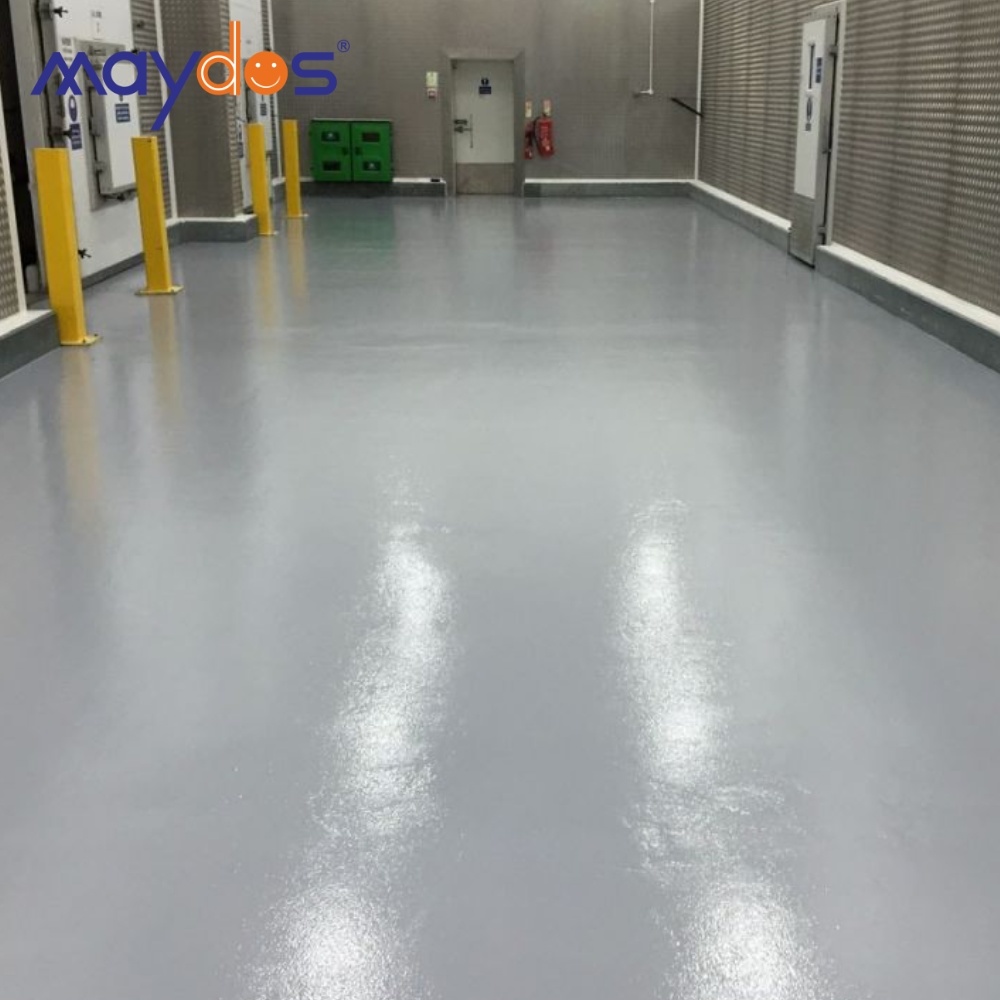
Gray epoxy flooring is especially common because it provides a modern, industrial aesthetic without looking too harsh. Beige and tan options offer warmth, making them suitable for home interiors like basements or laundry rooms. These colors also work well with decorative flakes or metallic additives if a more dynamic finish is desired.
Since neutral tones don’t clash with other design elements, they remain stylish for years, reducing the need for frequent updates. They also reflect light better than dark colors, improving visibility in workspaces. Whether used alone or as a base for additional effects, neutral epoxy colors provide a practical and attractive flooring solution.
Bold and Vibrant Colors for a Statement Floor
For those who want a more eye-catching look, bold epoxy colors like deep blue, bright red, or emerald green make a strong visual impact. These shades are often used in commercial settings, such as retail stores or auto shops, where branding and high-energy aesthetics matter. In homes, a bold epoxy floor can become a focal point in game rooms, gyms, or creative spaces.
Dark, saturated colors like navy or charcoal can create a dramatic effect, especially when paired with glossy finishes. Brighter hues, such as yellow or orange, add energy and vibrancy to otherwise dull areas. Metallic pigments can also be mixed in to give these colors extra dimension and shine.
While bold colors are striking, they may show dust and scratches more easily than lighter tones. Proper sealing and maintenance help preserve their appearance over time. When chosen thoughtfully, a vibrant epoxy floor can elevate the entire room’s design without overwhelming it.
Metallic Epoxy for a High-End, Luxurious Finish
Metallic epoxy flooring creates a stunning, high-gloss effect that mimics polished stone or liquid metal. This style uses iridescent pigments that reflect light differently depending on the angle, giving the floor a dynamic, three-dimensional look. It’s a popular choice for upscale homes, showrooms, and restaurants.
Colors like silver, bronze, and gold add sophistication, while blended metallic tones (such as blue-gold or copper-silver) create unique, custom appearances. The application process involves swirling the metallic pigments, ensuring no two floors look exactly alike. This makes it an excellent option for those who want a truly one-of-a-kind design.
Because of its reflective quality, metallic epoxy works best in well-lit areas where the shimmer can be fully appreciated. It’s also highly durable, resisting stains and wear, though it may require occasional buffing to maintain its shine. For a luxurious, high-impact floor, metallic epoxy is a top-tier choice.

Decorative Flakes for Added Texture and Color
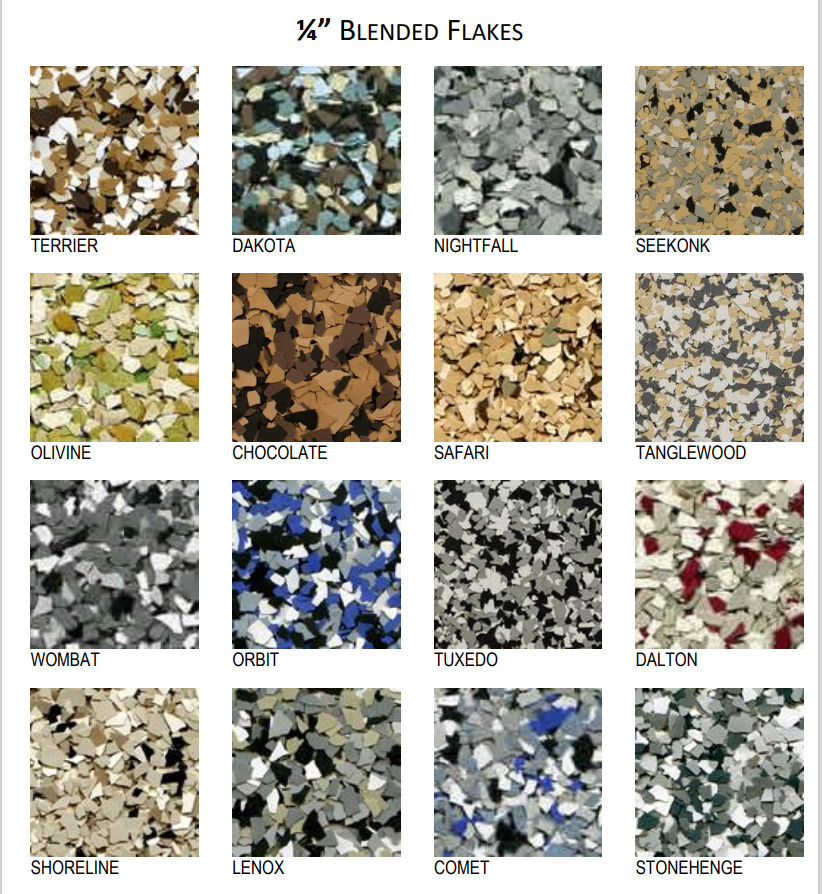
Epoxy flooring with decorative flakes offers a speckled, multi-tonal appearance that hides dirt and adds visual interest. These flakes come in various sizes and color blends, allowing for customization from subtle to bold effects. This style is especially popular in garages, basements, and outdoor patios.
Neutral flake combinations (like white, gray, and black) create a classic, low-maintenance look, while multicolored flakes add a playful, dynamic touch. The flakes are scattered during the epoxy application, and a clear topcoat seals them in place, ensuring durability. This type of flooring is excellent for hiding imperfections in the concrete below.
Since the flakes break up the solid color, they make scratches and stains less noticeable, making them ideal for high-traffic areas. They also provide a slightly textured surface, improving slip resistance. Whether aiming for a subtle fleck or a bold confetti effect, decorative flakes enhance both aesthetics and functionality.
.JPEG)
Earth Tones for a Natural, Warm Aesthetic
Earth-toned epoxy colors, such as terracotta, olive green, and warm brown, bring an organic, inviting feel to floors. These shades work well in homes, cafes, and offices where a cozy, natural atmosphere is desired. Unlike stark whites or grays, earth tones add warmth without sacrificing modernity.
Rich browns and deep greens pair beautifully with wood accents and indoor plants, creating a harmonious, nature-inspired space. Lighter earthy hues, like sand or soft clay, keep rooms feeling airy while maintaining a grounded aesthetic. These colors are also forgiving when it comes to dust and minor wear.
Because they mimic natural materials, earth-toned epoxy floors blend seamlessly with rustic, farmhouse, or boho décor styles. They can also be combined with flakes or metallic additives for extra depth. For those who prefer a calming, natural look, earthy epoxy colors are an excellent choice.

White and Light Colors for a Bright, Spacious Feel
White and light-colored epoxy flooring creates a bright, open atmosphere, making it ideal for small or dimly lit spaces. Pure white epoxy gives a sleek, minimalist look, while off-white or cream tones add subtle warmth. These shades are common in hospitals, labs, and modern homes where cleanliness and brightness are priorities.
Light-reflective epoxy colors help maximize natural and artificial light, reducing the need for additional lighting. They also make spaces appear larger, which is beneficial for basements or compact garages. However, they may show dirt more easily, requiring regular cleaning to maintain their pristine appearance.
To add visual interest without darkening the floor, light-colored flakes or a semi-transparent epoxy can be used. Glossy finishes enhance the reflective quality, while matte options provide a softer look. For a fresh, airy feel, white and light epoxy colors are a timeless option.
Choosing the right epoxy flooring color depends on personal style, functionality, and the room’s lighting and size. Neutral tones offer versatility, bold colors make a statement, and metallic finishes add luxury. Decorative flakes provide texture, earth tones bring warmth, and light colors create an open feel. With so many options available, epoxy flooring can be customized to suit any space while delivering durability and easy maintenance. Whether for a home, business, or industrial setting, the right color choice can enhance both aesthetics and practicality.
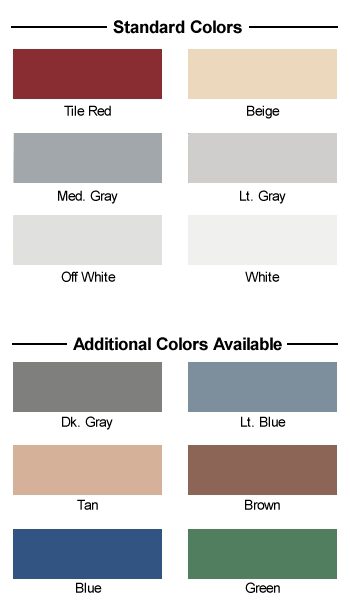
Epoxy Floor Coating Color Charts – Concrete Resurfacing Systems
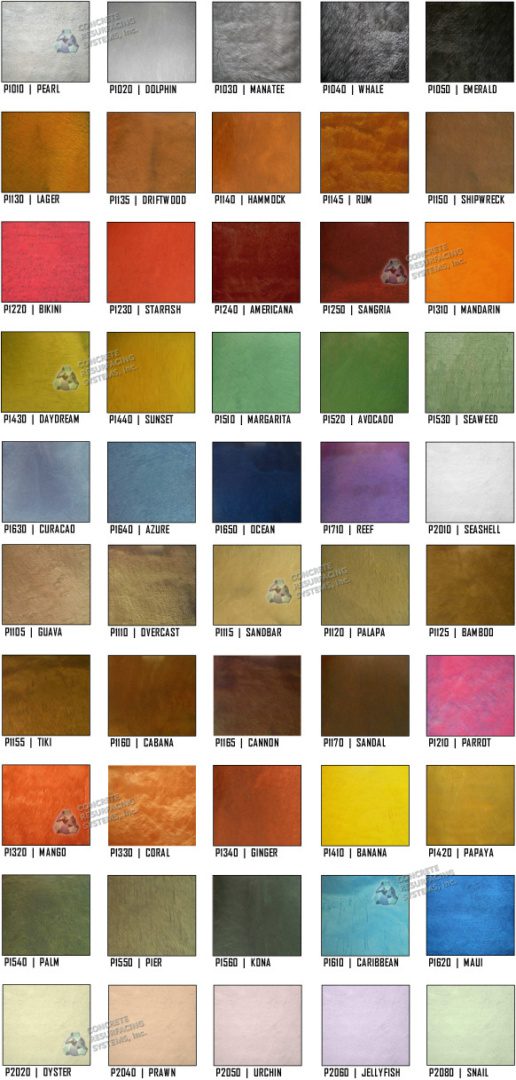
How to Pick the Right Epoxy Color For Your Garage or Bas

Epoxy Color Chart – Epoxy Floor Paint Color Chart
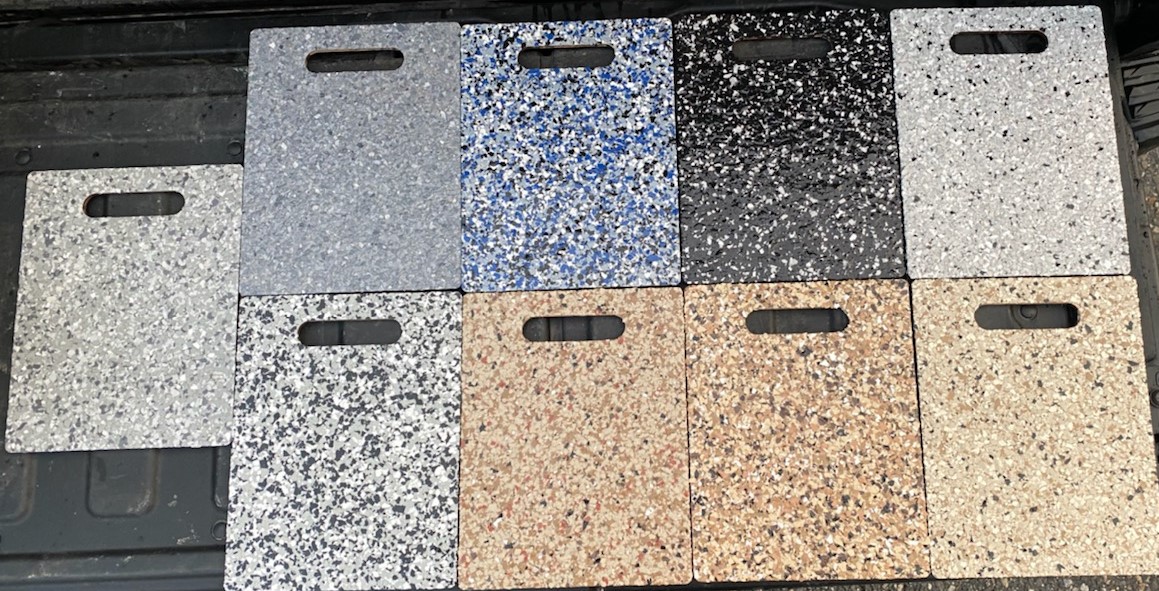
Maydos Epoxy Floor Paint
Related Posts: