Skim coating a concrete floor is a process that involves applying a thin layer of a specialized mixture over the surface to achieve a smooth and even finish. This technique is commonly used to repair imperfections, cover stains, or prepare the surface for further decorative treatments. Before starting the skim coating process, it’s crucial to thoroughly clean the concrete floor, removing any dust, debris, or grease. Repair any cracks or holes in the concrete using a suitable patching compound, and ensure the surface is structurally sound before proceeding.
Images about How To Skim Coat Concrete Floor
How To Skim Coat Concrete Floor
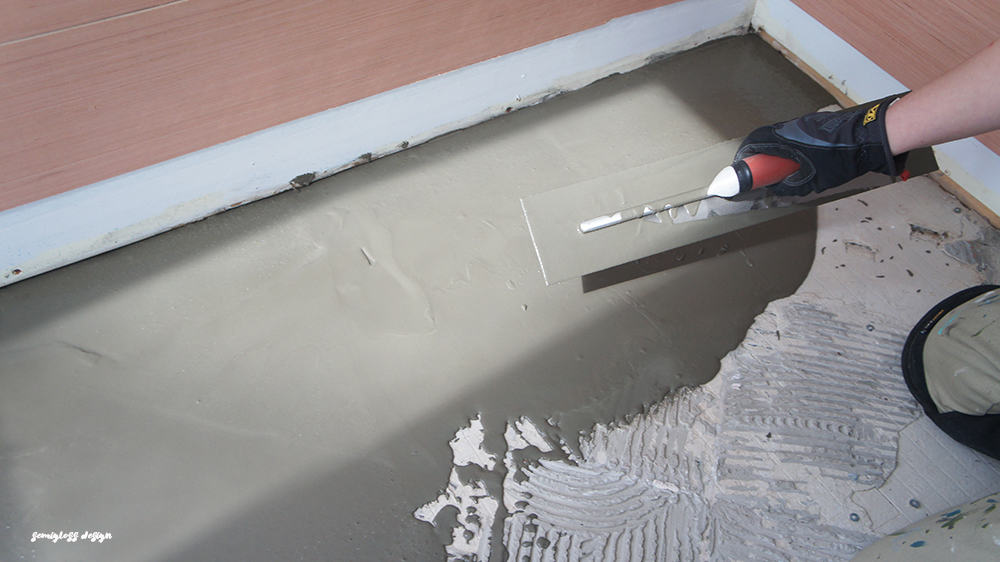
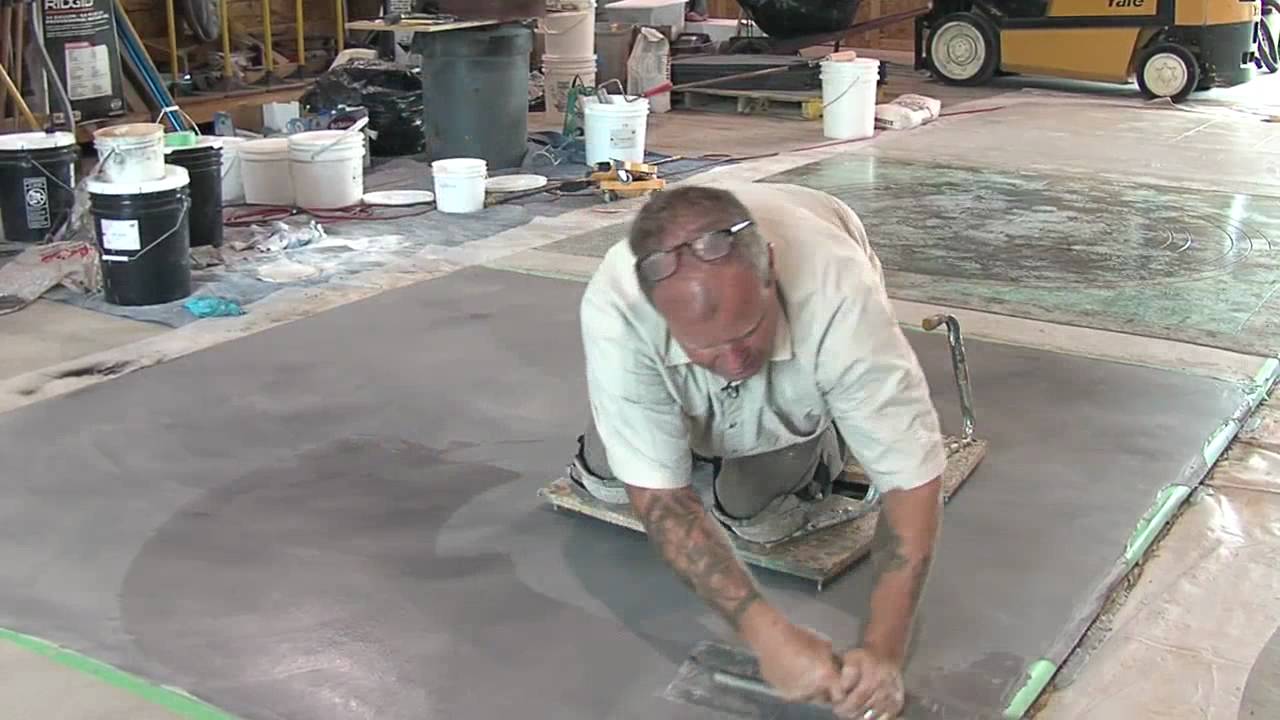
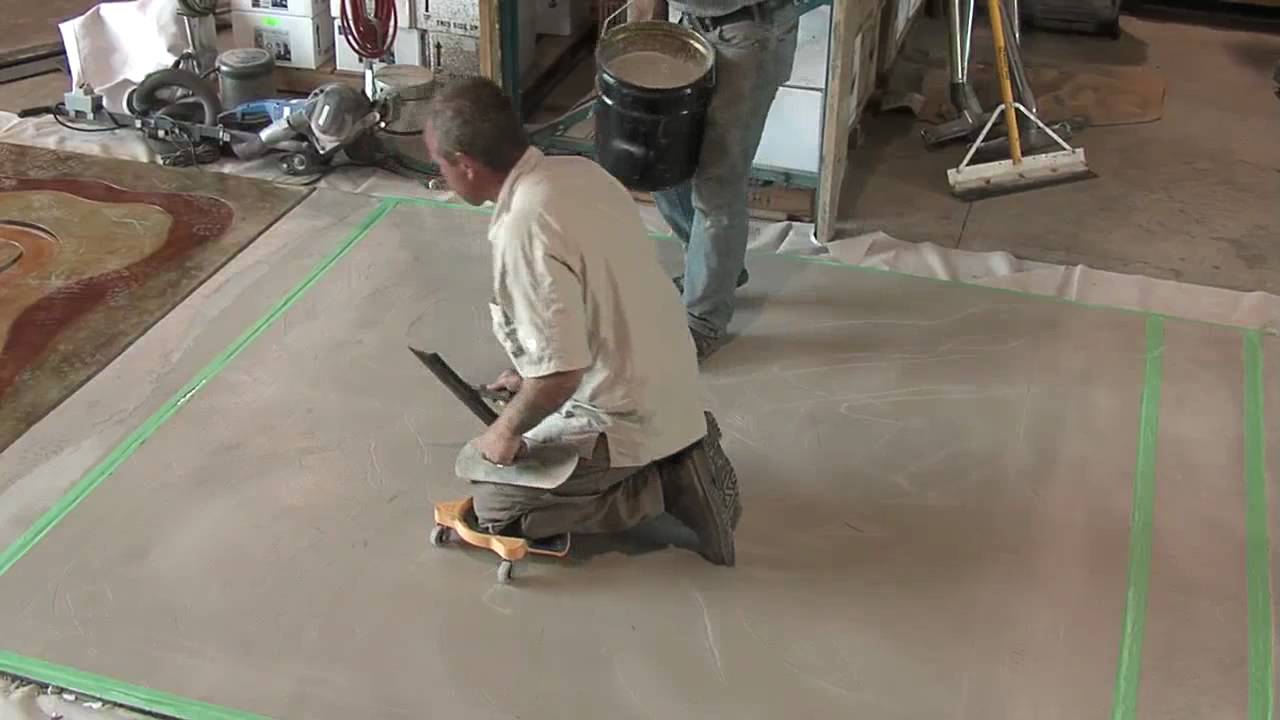
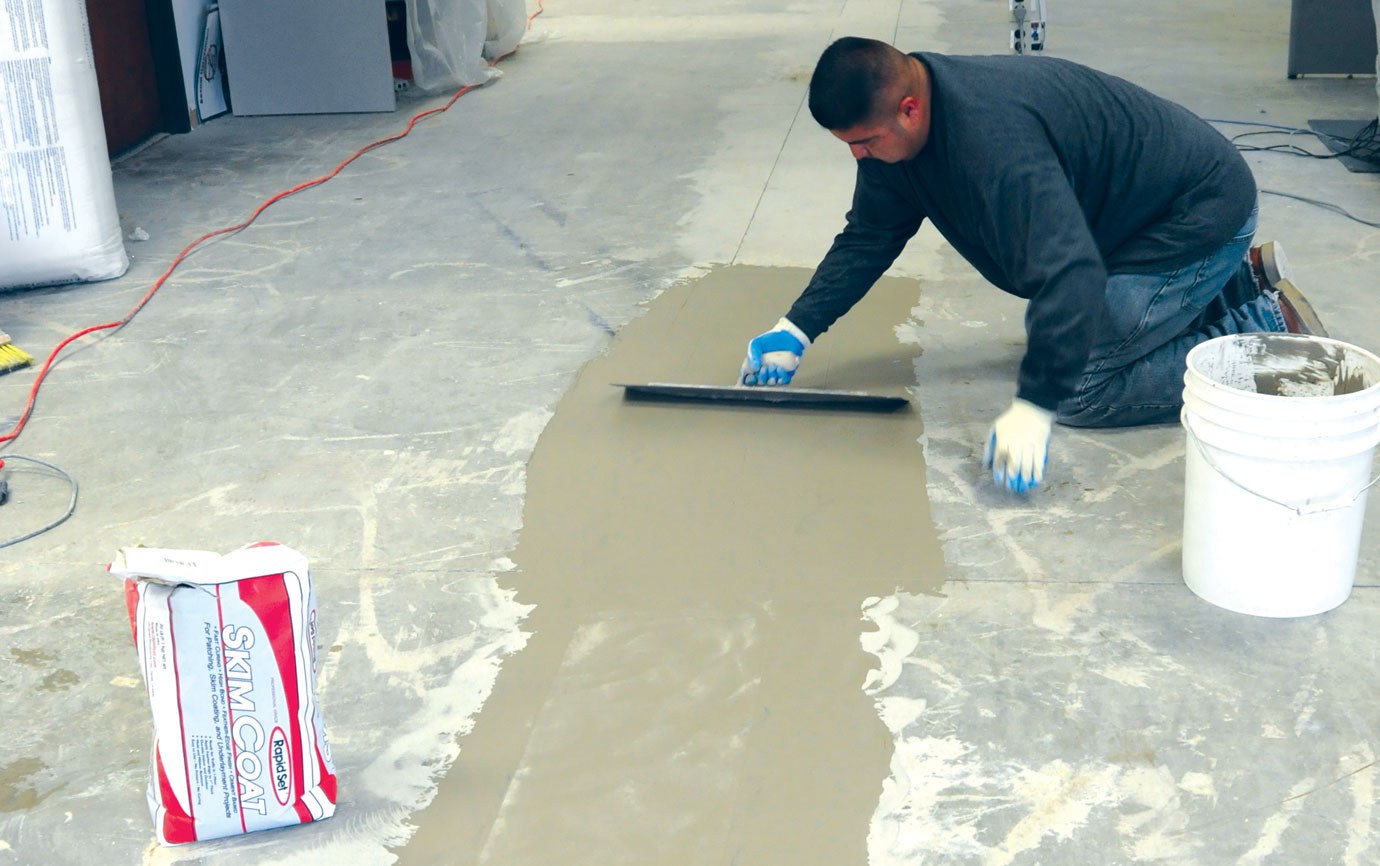
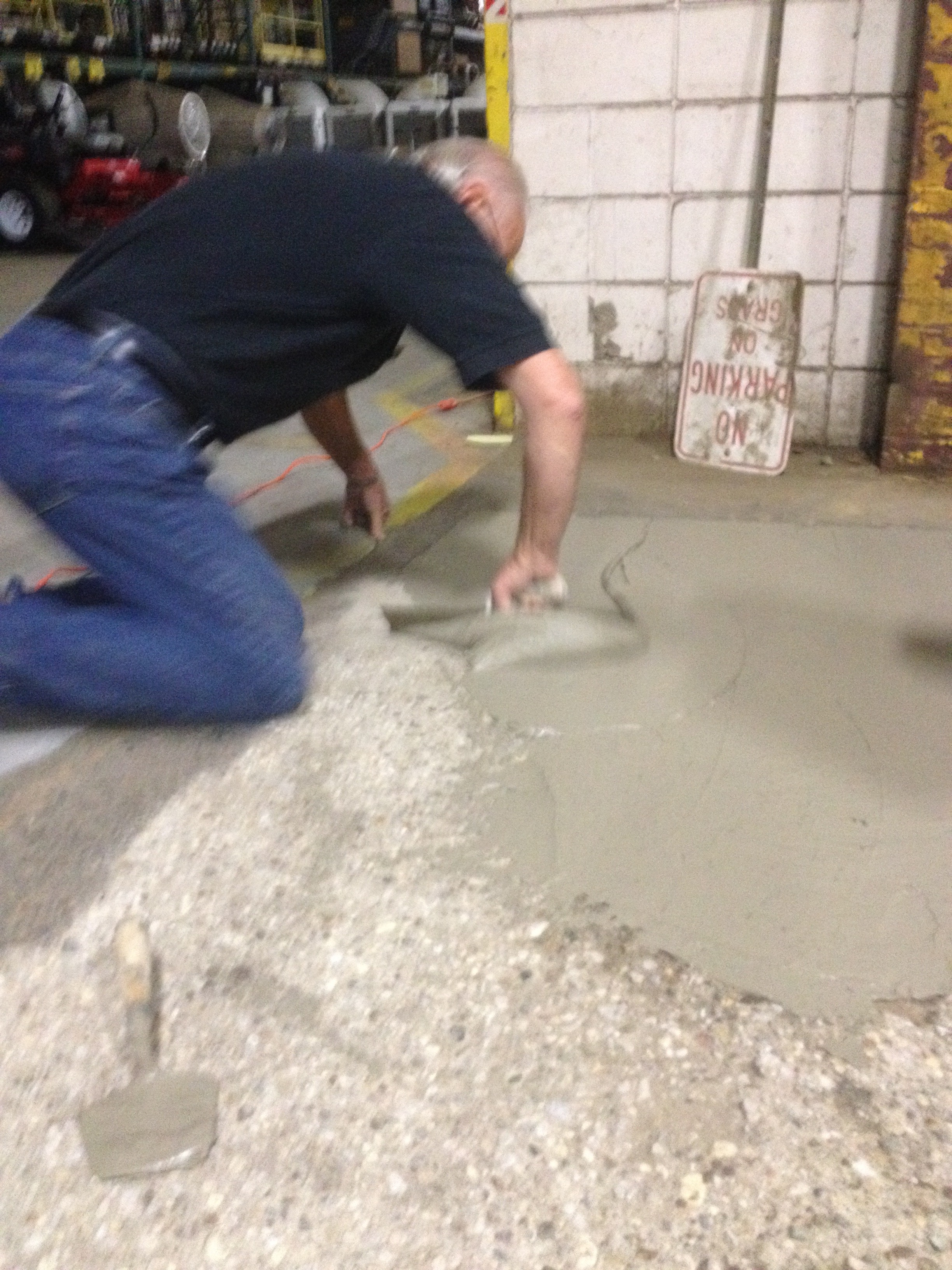
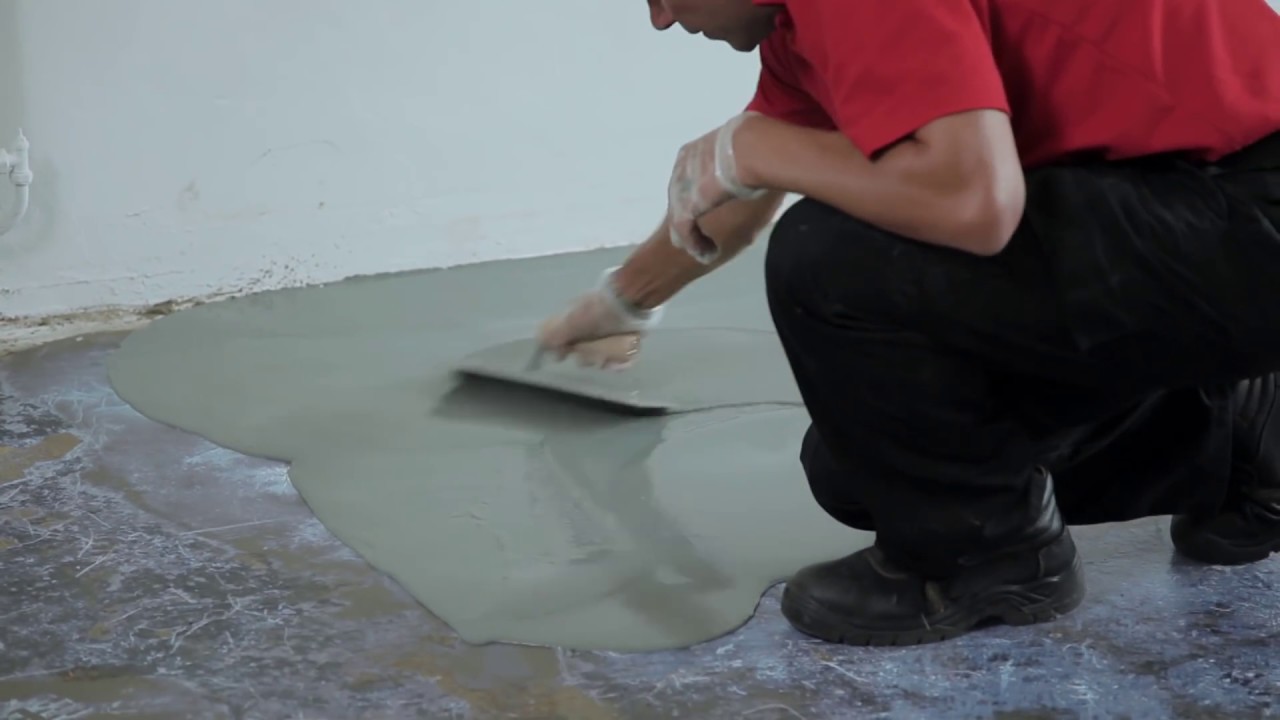
To skim coat a concrete floor, start by applying a bonding agent or primer to promote adhesion between the existing concrete and the skim coat mixture. Once the primer is dry, mix the skim coat material according to the manufacturer’s instructions. Typically, a mixture of Portland cement and polymer additives is used for optimal adhesion and flexibility. Apply the skim coat with a trowel, working in small sections to ensure even coverage. Smooth out the surface as you go, feathering the edges to blend the skim coat seamlessly with the existing concrete. Allow each layer to dry thoroughly before applying additional coats, usually following the manufacturer’s recommended drying times.
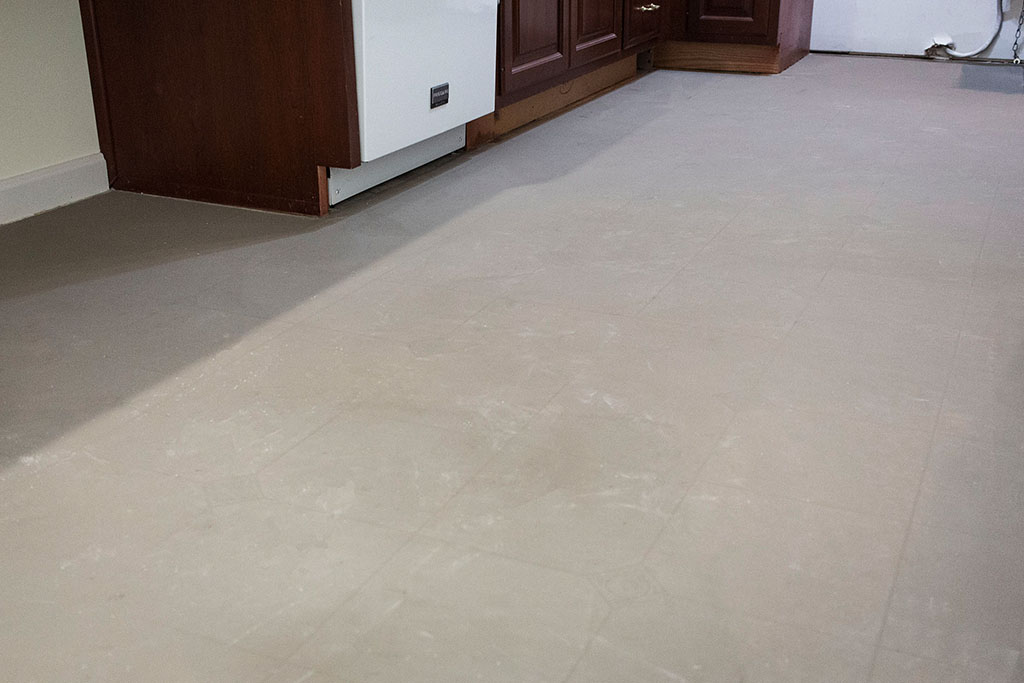
The key to a successful skim coating project lies in careful preparation and attention to detail. Properly preparing the concrete surface, using the right materials, and applying the skim coat methodically will result in a smooth and flawless finish. Skim coating is not only a practical solution for repairing concrete imperfections but also provides a blank canvas for various flooring options or decorative treatments, allowing homeowners and designers to achieve a polished and refined look for their floors.
How to Resurface a Floor with Concrete – Semigloss Design
How To Skim Coat Concrete Floor: A Step-By-Step Guide
Skim coating concrete floors is a process of leveling and smoothing the surface of a concrete floor to improve its look and performance. This is a great way to upgrade the look of an existing concrete floor or repair an uneven or damaged surface. Skim coating can also be used to level out dips and valleys in the floor, as well as to create a smooth finish that’s perfect for painting or staining. In this article, we’ll walk you through the steps of skim coating a concrete floor, so you can get your project done right.
Materials Needed
Before you start your skim coating project, make sure you have all the materials you’ll need. The following items are necessary for skim coating a concrete floor:
– Concrete repair compound
– Mixing bucket
– Drill with mixing paddle
– Trowel
– Scraper
– Sponge
– Vacuum cleaner
– Protective clothing and eyewear
– Safety equipment (e.g., gloves, dust mask)
– Plastic sheeting (optional)
– Drop cloths (optional)
Preparation
The preparation stage is essential for successful skim coating. You’ll need to inspect the floor surface and make sure it’s clean and free of debris. Use a vacuum cleaner to remove any dust, dirt, and other particles from the floor. If there are any cracks or holes in the concrete, fill them with a concrete repair compound before you begin skim coating. Once the floor is prepped, use plastic sheeting to protect any walls or other surfaces nearby. Cover furniture and other items in the room with drop cloths or plastic sheets as well. Finally, put on all your safety gear before you begin working.
Mixing The Skim Coat Compound
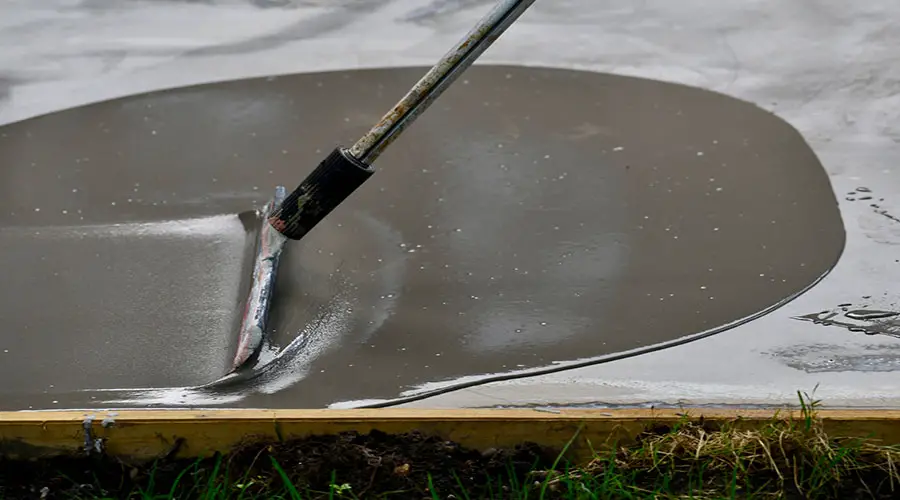
Once your surface is prepped, you’re ready to mix up your skim coat compound. Follow the instructions on the package for mixing instructions. Generally speaking, you’ll need to mix together equal parts of water and skim coat compound in a mixing bucket using a drill with a mixing paddle. Mix until you have a thick paste that’s easy to spread but not too runny. It should be easy to spread with a trowel without dripping off the surface.
Applying The Skim Coat
Now that your skim coat compound is mixed, it’s time to begin applying it to the floor surface. Start in one corner of the room and work your way outward in sections. Use your trowel to spread the compound evenly across the surface, making sure you don’t leave any gaps or uneven spots in between sections. Work quickly but carefully – you only have about 15 minutes before the compound starts to set.
Smoothing The Surface
Once you’ve applied the skim coat compound to the entire floor surface, it’s time to smooth it out. Use a scraper or trowel to lightly scrape over the surface of the skim coat, making sure there are no bumps or lumps remaining on the surface. You can also use a sponge dampened with water to help smooth out any rough patches.
Finishing Touches
When you’re finished smoothing out the skim coat compound, allow it to dry completely before continuing your project. Once dry, you can use sandpaper or steel wool to buff out any rough patches or imperfections in the finish. You can also apply a sealer or paint depending on your desired end result for your project.
FAQs About Skim Coating Concrete Floors
Q: What is skim coating?
A: Skim coating is a process of leveling and smoothing out a concrete floor surface by applying a thin layer of cement-based compound over it. The purpose of this process is to improve its look and performance as well as repair any unevenness or damage on its surface.
Q: Is skim coating difficult?
A
We use cookies on our website to give you the most relevant experience by remembering your preferences and repeat visits. By clicking “Accept All”, you consent to the use of ALL the cookies. However, you may visit "Cookie Settings" to provide a controlled consent.
This website uses cookies to improve your experience while you navigate through the website. Out of these, the cookies that are categorized as necessary are stored on your browser as they are essential for the working of basic functionalities of the website. We also use third-party cookies that help us analyze and understand how you use this website. These cookies will be stored in your browser only with your consent. You also have the option to opt-out of these cookies. But opting out of some of these cookies may affect your browsing experience.
Necessary cookies are absolutely essential for the website to function properly. These cookies ensure basic functionalities and security features of the website, anonymously.
Cookie
Duration
Description
cookielawinfo-checkbox-analytics
11 months
This cookie is set by GDPR Cookie Consent plugin. The cookie is used to store the user consent for the cookies in the category "Analytics".
cookielawinfo-checkbox-functional
11 months
The cookie is set by GDPR cookie consent to record the user consent for the cookies in the category "Functional".
cookielawinfo-checkbox-necessary
11 months
This cookie is set by GDPR Cookie Consent plugin. The cookies is used to store the user consent for the cookies in the category "Necessary".
cookielawinfo-checkbox-others
11 months
This cookie is set by GDPR Cookie Consent plugin. The cookie is used to store the user consent for the cookies in the category "Other.
cookielawinfo-checkbox-performance
11 months
This cookie is set by GDPR Cookie Consent plugin. The cookie is used to store the user consent for the cookies in the category "Performance".
viewed_cookie_policy
11 months
The cookie is set by the GDPR Cookie Consent plugin and is used to store whether or not user has consented to the use of cookies. It does not store any personal data.
Functional cookies help to perform certain functionalities like sharing the content of the website on social media platforms, collect feedbacks, and other third-party features.
Performance cookies are used to understand and analyze the key performance indexes of the website which helps in delivering a better user experience for the visitors.
Analytical cookies are used to understand how visitors interact with the website. These cookies help provide information on metrics the number of visitors, bounce rate, traffic source, etc.
Advertisement cookies are used to provide visitors with relevant ads and marketing campaigns. These cookies track visitors across websites and collect information to provide customized ads.
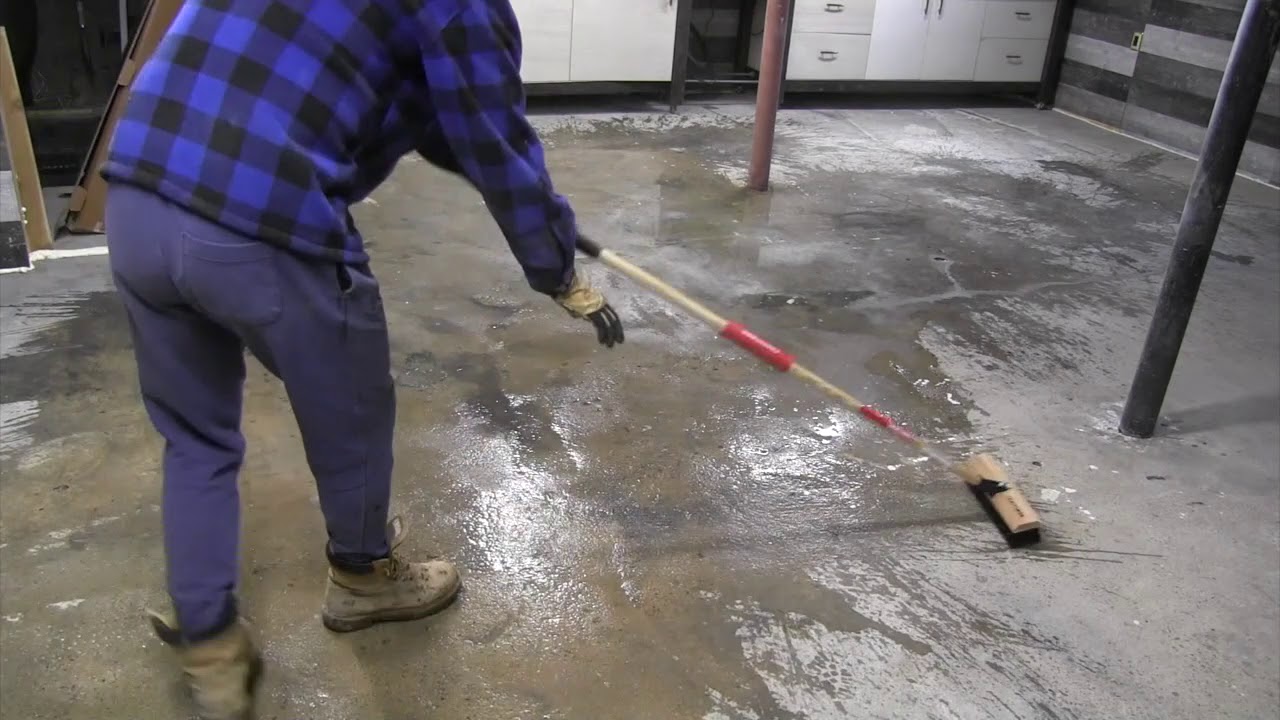 To skim coat a concrete floor, start by applying a bonding agent or primer to promote adhesion between the existing concrete and the skim coat mixture. Once the primer is dry, mix the skim coat material according to the manufacturer’s instructions. Typically, a mixture of Portland cement and polymer additives is used for optimal adhesion and flexibility. Apply the skim coat with a trowel, working in small sections to ensure even coverage. Smooth out the surface as you go, feathering the edges to blend the skim coat seamlessly with the existing concrete. Allow each layer to dry thoroughly before applying additional coats, usually following the manufacturer’s recommended drying times.
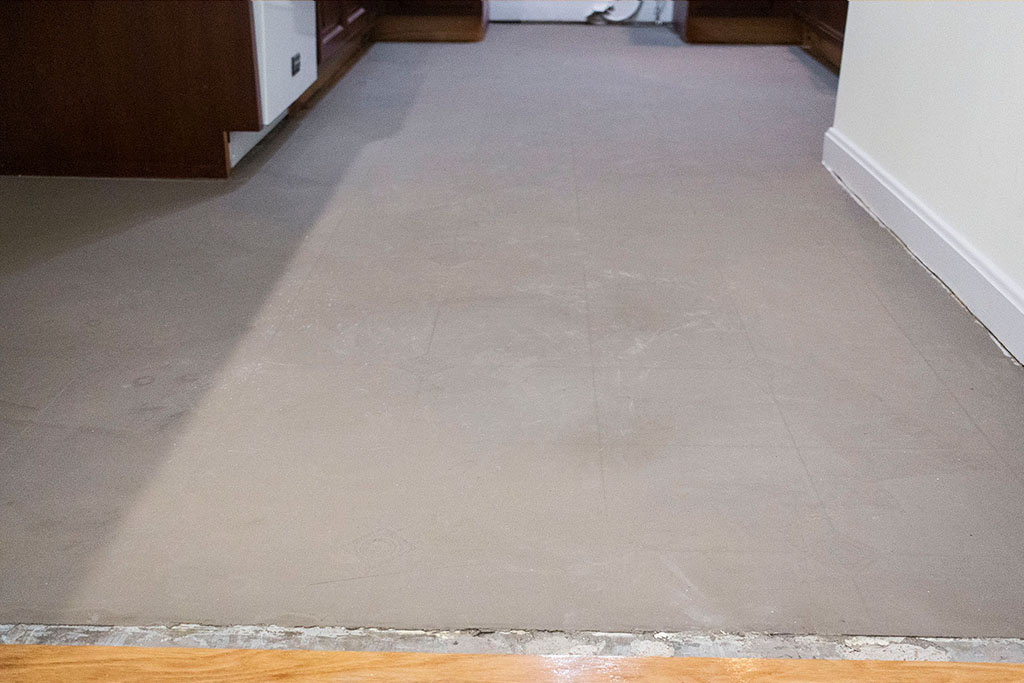 The key to a successful skim coating project lies in careful preparation and attention to detail. Properly preparing the concrete surface, using the right materials, and applying the skim coat methodically will result in a smooth and flawless finish. Skim coating is not only a practical solution for repairing concrete imperfections but also provides a blank canvas for various flooring options or decorative treatments, allowing homeowners and designers to achieve a polished and refined look for their floors.

 Related Posts:
How To Skim Coat Concrete Floor: A Step-By-Step Guide
Skim coating concrete floors is a process of leveling and smoothing the surface of a concrete floor to improve its look and performance. This is a great way to upgrade the look of an existing concrete floor or repair an uneven or damaged surface. Skim coating can also be used to level out dips and valleys in the floor, as well as to create a smooth finish that’s perfect for painting or staining. In this article, we’ll walk you through the steps of skim coating a concrete floor, so you can get your project done right.
Materials Needed
Before you start your skim coating project, make sure you have all the materials you’ll need. The following items are necessary for skim coating a concrete floor:
– Concrete repair compound
– Mixing bucket
– Drill with mixing paddle
– Trowel
– Scraper
– Sponge
– Vacuum cleaner
– Protective clothing and eyewear
– Safety equipment (e.g., gloves, dust mask)
– Plastic sheeting (optional)
– Drop cloths (optional)
Preparation
The preparation stage is essential for successful skim coating. You’ll need to inspect the floor surface and make sure it’s clean and free of debris. Use a vacuum cleaner to remove any dust, dirt, and other particles from the floor. If there are any cracks or holes in the concrete, fill them with a concrete repair compound before you begin skim coating. Once the floor is prepped, use plastic sheeting to protect any walls or other surfaces nearby. Cover furniture and other items in the room with drop cloths or plastic sheets as well. Finally, put on all your safety gear before you begin working.
Mixing The Skim Coat Compound
Once your surface is prepped, you’re ready to mix up your skim coat compound. Follow the instructions on the package for mixing instructions. Generally speaking, you’ll need to mix together equal parts of water and skim coat compound in a mixing bucket using a drill with a mixing paddle. Mix until you have a thick paste that’s easy to spread but not too runny. It should be easy to spread with a trowel without dripping off the surface.
Applying The Skim Coat
Now that your skim coat compound is mixed, it’s time to begin applying it to the floor surface. Start in one corner of the room and work your way outward in sections. Use your trowel to spread the compound evenly across the surface, making sure you don’t leave any gaps or uneven spots in between sections. Work quickly but carefully – you only have about 15 minutes before the compound starts to set.
Smoothing The Surface
Once you’ve applied the skim coat compound to the entire floor surface, it’s time to smooth it out. Use a scraper or trowel to lightly scrape over the surface of the skim coat, making sure there are no bumps or lumps remaining on the surface. You can also use a sponge dampened with water to help smooth out any rough patches.
Finishing Touches
When you’re finished smoothing out the skim coat compound, allow it to dry completely before continuing your project. Once dry, you can use sandpaper or steel wool to buff out any rough patches or imperfections in the finish. You can also apply a sealer or paint depending on your desired end result for your project.
FAQs About Skim Coating Concrete Floors
Q: What is skim coating?
A: Skim coating is a process of leveling and smoothing out a concrete floor surface by applying a thin layer of cement-based compound over it. The purpose of this process is to improve its look and performance as well as repair any unevenness or damage on its surface.
Q: Is skim coating difficult?
A
Related Posts:
How To Skim Coat Concrete Floor: A Step-By-Step Guide
Skim coating concrete floors is a process of leveling and smoothing the surface of a concrete floor to improve its look and performance. This is a great way to upgrade the look of an existing concrete floor or repair an uneven or damaged surface. Skim coating can also be used to level out dips and valleys in the floor, as well as to create a smooth finish that’s perfect for painting or staining. In this article, we’ll walk you through the steps of skim coating a concrete floor, so you can get your project done right.
Materials Needed
Before you start your skim coating project, make sure you have all the materials you’ll need. The following items are necessary for skim coating a concrete floor:
– Concrete repair compound
– Mixing bucket
– Drill with mixing paddle
– Trowel
– Scraper
– Sponge
– Vacuum cleaner
– Protective clothing and eyewear
– Safety equipment (e.g., gloves, dust mask)
– Plastic sheeting (optional)
– Drop cloths (optional)
Preparation
The preparation stage is essential for successful skim coating. You’ll need to inspect the floor surface and make sure it’s clean and free of debris. Use a vacuum cleaner to remove any dust, dirt, and other particles from the floor. If there are any cracks or holes in the concrete, fill them with a concrete repair compound before you begin skim coating. Once the floor is prepped, use plastic sheeting to protect any walls or other surfaces nearby. Cover furniture and other items in the room with drop cloths or plastic sheets as well. Finally, put on all your safety gear before you begin working.
Mixing The Skim Coat Compound
Once your surface is prepped, you’re ready to mix up your skim coat compound. Follow the instructions on the package for mixing instructions. Generally speaking, you’ll need to mix together equal parts of water and skim coat compound in a mixing bucket using a drill with a mixing paddle. Mix until you have a thick paste that’s easy to spread but not too runny. It should be easy to spread with a trowel without dripping off the surface.
Applying The Skim Coat
Now that your skim coat compound is mixed, it’s time to begin applying it to the floor surface. Start in one corner of the room and work your way outward in sections. Use your trowel to spread the compound evenly across the surface, making sure you don’t leave any gaps or uneven spots in between sections. Work quickly but carefully – you only have about 15 minutes before the compound starts to set.
Smoothing The Surface
Once you’ve applied the skim coat compound to the entire floor surface, it’s time to smooth it out. Use a scraper or trowel to lightly scrape over the surface of the skim coat, making sure there are no bumps or lumps remaining on the surface. You can also use a sponge dampened with water to help smooth out any rough patches.
Finishing Touches
When you’re finished smoothing out the skim coat compound, allow it to dry completely before continuing your project. Once dry, you can use sandpaper or steel wool to buff out any rough patches or imperfections in the finish. You can also apply a sealer or paint depending on your desired end result for your project.
FAQs About Skim Coating Concrete Floors
Q: What is skim coating?
A: Skim coating is a process of leveling and smoothing out a concrete floor surface by applying a thin layer of cement-based compound over it. The purpose of this process is to improve its look and performance as well as repair any unevenness or damage on its surface.
Q: Is skim coating difficult?
A