When I first installed ebony-stained oak floors throughout my home, friends warned me about creating cave-like spaces. Three years later, these rich, dark surfaces have become the foundation for my most successful room designs. I’ve learned that dark wood floors don’t limit decorating options; they amplify them in unexpected ways. Through trial and error across my living room, bedroom, kitchen, and home office, I’ve discovered techniques that make dark floors work beautifully in any space.
Living Room Sophistication With Dark Foundations
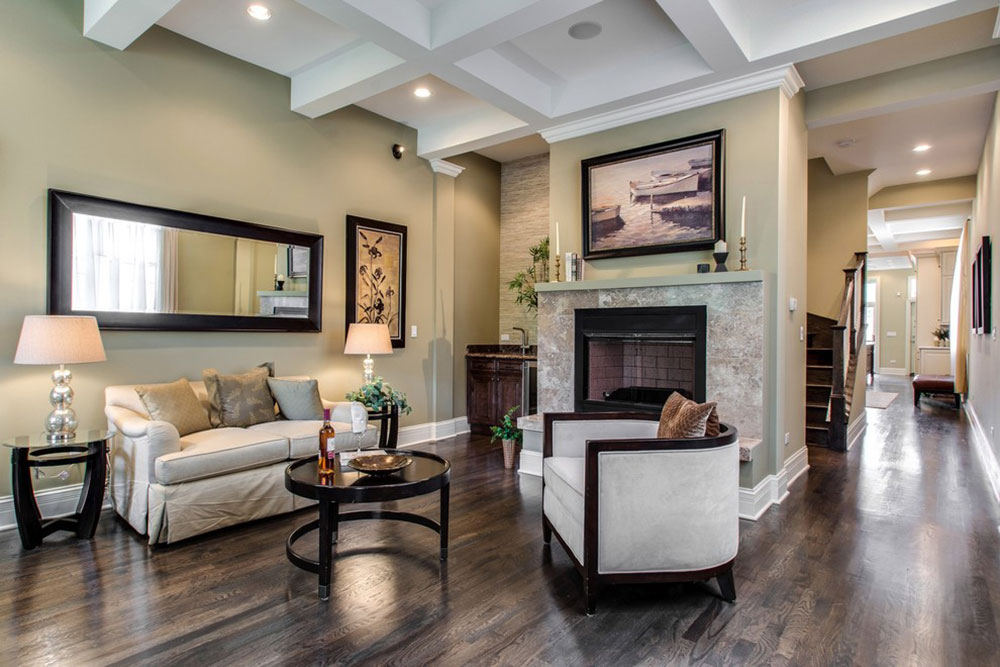
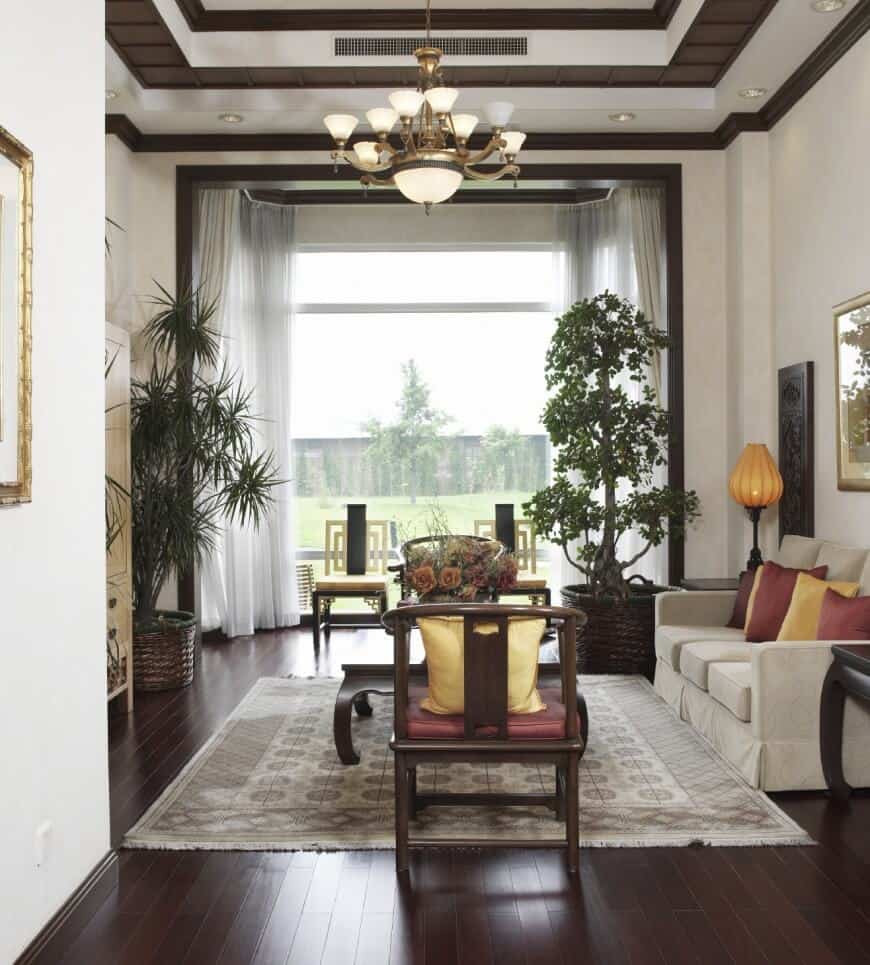
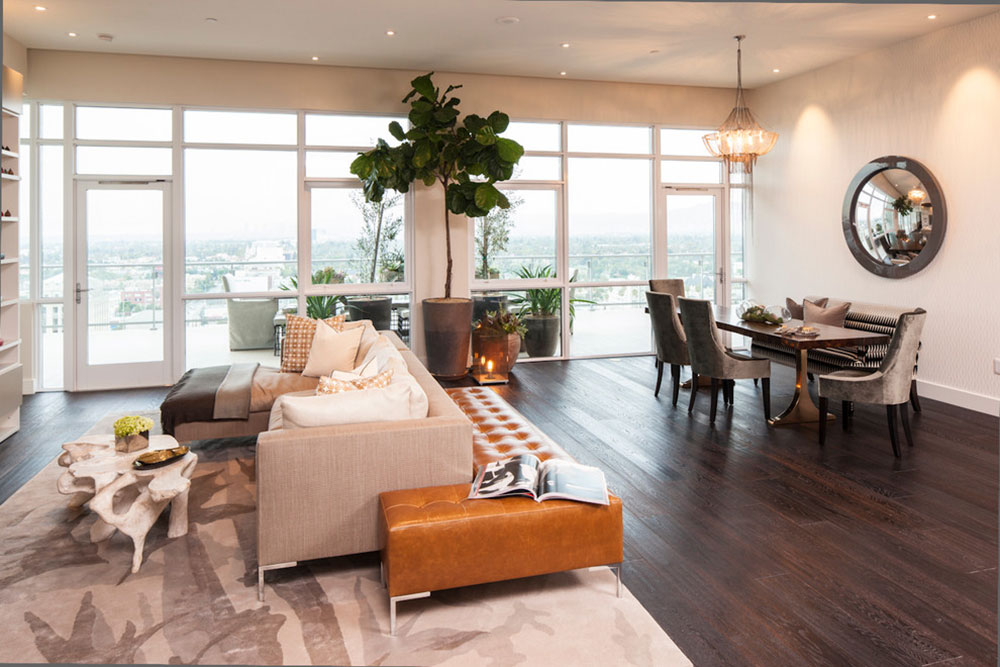
My living room transformation began with embracing the drama that dark floors naturally create. Instead of fighting the moody atmosphere, I leaned into it with deep jewel-toned furniture and rich fabrics. The dark walnut floors provide a stunning backdrop for my emerald velvet sofa and burgundy leather chairs, creating a sophisticated palette that feels both luxurious and inviting.
Lighting became my most important design tool once I installed dark floors. I added multiple light sources at different heights, including floor lamps, table lamps, and strategically placed sconces. The key discovery was that dark floors enhance warm lighting, creating a cozy glow that bounces beautifully off polished surfaces. Cool lighting feels harsh, but warm bulbs create a magical ambiance.
Metallic accents gained new prominence against dark wood backgrounds. My brass coffee table, copper picture frames, and gold throw pillows create a stunning contrast that would be lost on lighter floors. These warm metals seem to glow against the dark foundation, adding glamour without overwhelming the space. I learned to use metallics strategically as accent pieces rather than major furniture elements.
Bedroom Retreat Design Strategies
Dark floors in my master bedroom created an unexpectedly serene atmosphere. The rich chocolate-brown planks provide a grounding foundation that makes the space feel like a peaceful retreat. I paired them with crisp white bedding and soft gray walls, creating a high-contrast palette that feels both dramatic and restful for sleep.
Layering became essential for comfort and visual interest. I added a large area rug in cream and gold tones that covers most of the floor space around the bed. This not only provides warmth underfoot during cold mornings but also prevents the space from feeling too dark or overwhelming. The rug’s light colors brighten the room while the dark floors peek through at the edges.
Window treatments required careful consideration to balance light control with brightness needs. I installed light-filtering shades behind flowing white curtains, allowing natural light to fill the space during the day while maintaining privacy. The contrast between bright windows and dark floors creates beautiful silhouettes and adds architectural interest to the room’s overall design.
Kitchen Integration and Practical Considerations
My kitchen’s dark floors initially seemed impractical, but they’ve proven surprisingly forgiving. The deep espresso color hides minor spills and everyday debris better than lighter floors would, making maintenance easier than expected. I paired them with white cabinets and marble countertops, creating a classic contrast that feels both timeless and contemporary.
Under-cabinet lighting became crucial for both functionality and aesthetics. The LED strips illuminate work surfaces while creating a warm glow that reflects off the dark floors. This indirect lighting prevents the kitchen from feeling too dark while highlighting the beautiful grain patterns in the wood. I also added pendant lights over the island for task lighting.
Color coordination between floors and cabinets required careful planning. I chose warm white cabinets rather than cool whites, which would have created too stark a contrast. The warm undertones in my white cabinets complement the rich brown floors beautifully. Stainless steel appliances and brushed nickel hardware add modern touches without clashing with the traditional floor color.

Home Office Productivity and Style Balance
Dark floors in my home office create a professional atmosphere that helps me focus during work hours. The rich mahogany planks provide a sophisticated foundation that makes video calls look polished and meetings feel more formal. I paired them with built-in bookshelves in matching dark wood, creating a cohesive library aesthetic.
Lighting challenges in the office required creative solutions. I installed recessed ceiling lights for overall illumination and added a statement chandelier for ambient lighting. Task lighting comes from adjustable desk lamps and picture lights over artwork. The multiple light sources prevent eye strain while working and create visual interest throughout the day.
Furniture selection focused on pieces that wouldn’t disappear against the dark floors. My light oak desk and cream leather chair create a beautiful contrast, while the dark floors make these lighter pieces appear more prominent. I learned that dark floors make light-colored furniture look more expensive and significant than it would on neutral backgrounds.

Color Scheme Coordination Techniques
Monochromatic approaches work beautifully with dark wood floors as the foundation. I created a sophisticated brown palette in my den using various shades from cream to chocolate, with the dark floors serving as the deepest tone. This creates depth and richness without relying on multiple colors that might compete for attention.
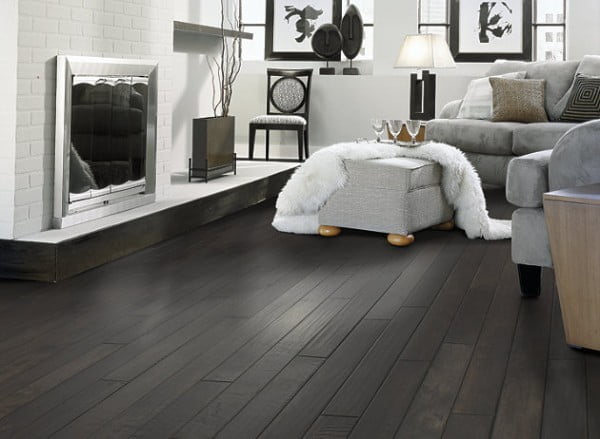
Contrast strategies proved most effective for creating visual interest. Light walls, bright artwork, and colorful accessories pop dramatically against dark floors. I use white or cream walls as my base, then add personality through colorful throw pillows, artwork, and decorative objects. The dark floors make everything else appear more vibrant.
Warm versus cool color coordination affects the entire room’s mood. I stick to warm undertones in paint, fabrics, and accessories to complement the warm brown floors. Cool blues and grays can work, but require careful balancing with warm accent colors. The key is maintaining color temperature consistency throughout the space for cohesive design.
Lighting Solutions That Transform Spaces
Layered lighting became my signature approach for rooms with dark floors. I combine ambient, task, and accent lighting to create flexible illumination that adapts to different activities and times of day. Table lamps provide warm pools of light, while overhead fixtures offer general illumination, and accent lights highlight artwork or architectural features.
Natural light maximization required strategic window treatment choices. I use light-filtering materials that allow maximum daylight while maintaining privacy. Mirrors positioned opposite windows reflect natural light deeper into rooms, compensating for the light absorption that dark floors naturally create. This technique doubles the impact of available sunlight.
Warm bulb selection makes all the difference in rooms with dark floors. I use 2700K LED bulbs exclusively, as they provide warm, golden light that complements wood tones beautifully. Cool white bulbs create harsh contrasts that make dark floors appear dull and uninviting. The warm light creates a cozy atmosphere that enhances the wood’s natural beauty.

Do dark wood floors make rooms look smaller than they are?
Dark floors can make rooms appear smaller if not properly lit and decorated, but strategic design choices actually enhance space perception. I use light-colored walls and adequate lighting to create contrast that defines room boundaries clearly. Large area rugs in lighter tones help break up dark expanses, while mirrors reflect light and create depth illusions. The key is balancing the dark floors with bright elements rather than letting them dominate the space completely. Proper lighting makes the biggest difference in maintaining spacious feelings.
What wall colors work best with dark wood floors?
Light, warm colors create the most flattering combinations with dark wood floors. I prefer warm whites, soft creams, and light grays that complement rather than compete with the wood’s natural undertones. Cool colors like stark white or blue can work, but require warm accent colors to prevent harsh contrasts. Jewel tones like deep green or navy create sophisticated, dramatic spaces when used strategically. The goal is to choose colors that enhance the wood’s richness rather than fighting against its natural character.

How do I prevent dark wood floors from showing every speck of dust and pet hair?
Regular maintenance prevents visible buildup, but strategic color choices help camouflage everyday debris. I use area rugs in high-traffic zones to catch dirt before it reaches the wood. Microfiber dust mops work better than traditional brooms for daily cleaning. Pet hair shows more on dark floors, so I vacuum frequently and use lint rollers for quick touch-ups. The key is establishing consistent cleaning routines rather than waiting for visible accumulation. Quality doormats at entrances prevent most dirt from entering living spaces.
Can I use dark wood floors in small rooms without overwhelming the space?
Dark floors work beautifully in small rooms when properly balanced with light elements. I paint walls in light colors and use mirrors to reflect available light throughout the space. Multiple light sources prevent dark corners that would make rooms feel cramped. Light-colored furniture and accessories create visual breathing room against the dark foundation. The contrast makes small rooms feel more sophisticated and intentional rather than accidentally dark. Strategic lighting placement is crucial for success in compact spaces.
What furniture styles complement dark wood floors best?
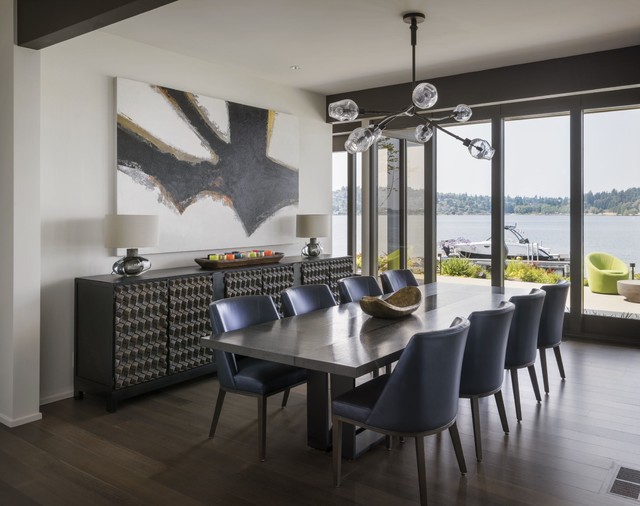
Light-colored furniture creates a stunning contrast against dark wood floors, making pieces appear more prominent and expensive. I prefer cream, white, and natural wood tones that won’t disappear against the dark background. Modern, traditional, and transitional styles all work well when color coordination is thoughtful. Metallic accents like brass or copper add glamour without overwhelming the space. The key is choosing pieces that complement rather than match the floor color exactly, creating visual interest through contrast.
How do I decorate with dark wood floors without making spaces feel too formal or serious?
Casual elements balance the inherent sophistication of dark wood floors effectively. I add textured fabrics like chunky knit throws, casual furniture pieces, and playful artwork to prevent overly formal atmospheres. Colorful accessories and plants bring life and personality to sophisticated foundations. The key is mixing high and low elements, combining the elegance of dark floors with comfortable, lived-in touches. Natural elements like plants and wooden accessories add warmth that prevents spaces from feeling too polished.
Exquisite Dark Hardwood Floors to Transform Your Home

Dark Hardwood Floors That Bring Life To All Kinds Of Rooms
Dark Wood Floors Tips And Ideas You Should Try
Living Room Dark Floor

Living Room Flooring Ideas (Top Interior Designs) – Designing Idea

Decorating Dark Wood Floors in Your Room Ferma Flooring
Related Posts: