When I decided to replace the old carpet in my living room three years ago, I knew I wanted something timeless and durable. After months of research and numerous trips to flooring showrooms, I settled on oak solid wood flooring, and it has been one of the best investments I’ve made in my home. The warmth and character that real oak brings to a space are something you can’t replicate with other materials. Sure, it wasn’t the cheapest option, and the installation process had its challenges, but living with these beautiful floors has been absolutely worth every penny and every moment of stress during the renovation.
Selecting the Right Oak Grade and Cut for Your Home
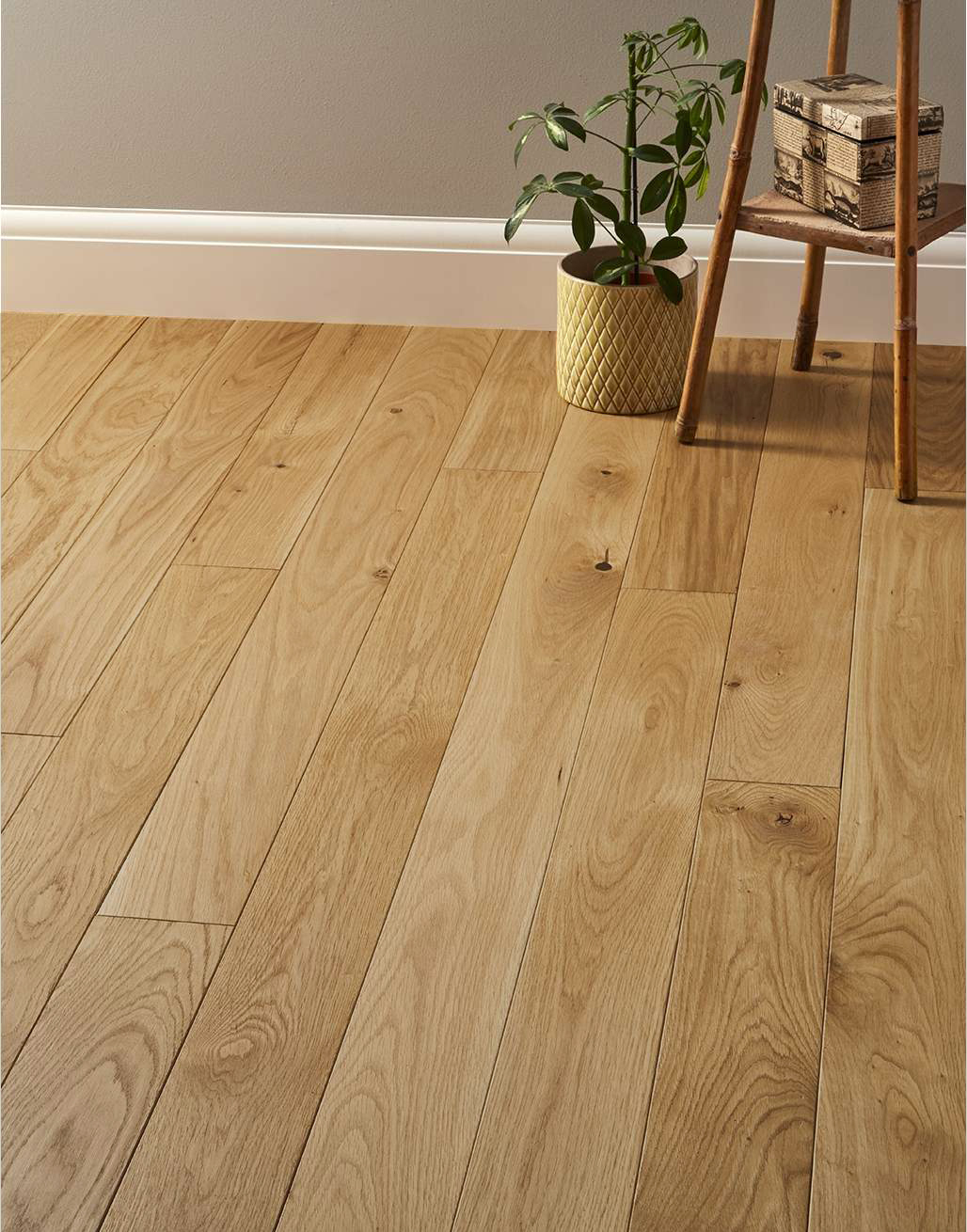
Choosing the grade of oak was probably the most overwhelming part of my flooring journey. I spent hours looking at samples of select grade, common grade, and everything in between. Select grade looked pristine and uniform, but honestly felt a bit sterile for the cozy atmosphere I wanted. I ended up going with common grade oak, which has more character marks, knots, and color variation. The natural imperfections give my floors so much personality and make each plank unique.
The cut of the wood made a bigger difference than I expected in both appearance and cost. Plain sawn oak, which is the most common and affordable option, gave me those beautiful cathedral grain patterns that I love. I considered quarter sawn for its stability and distinctive ray patterns, but the price jump was significant. Rift sawn was gorgeous with its straight, consistent grain, but again, my budget pushed me toward plain sawn, and I’m completely happy with that choice.
Width was another decision that took me weeks to settle on. I looked at everything from narrow 2.25-inch strips to wide 5-inch planks. I ultimately chose 3.25-inch planks as a middle ground that felt proportional to my room size. The wider planks show off the oak’s grain beautifully and make my space feel larger, while still being cost-effective. Narrow strips would have looked too busy with my furniture, and the super-wide planks felt overwhelming in my modest-sized living room.
Understanding Moisture Content and Acclimation Process
Nobody warned me about how crucial moisture content would be until I started talking to installers. Oak is a living material that expands and contracts with humidity changes, and getting this wrong can lead to gaps, cupping, or buckling. I learned that my floors needed to be delivered at least a week before installation to acclimate to my home’s humidity levels. During that week, my living room looked like a lumber yard, but it was necessary.
My installer used a moisture meter to check both the wood and my subfloor before we started. The oak measured around 8% moisture content, and my concrete subfloor was reading 12%. We had to wait another few days and run a dehumidifier to get the levels closer together. It was frustrating to delay the project, but I’ve seen photos of floors that buckled because this step was skipped, and it’s not worth the risk.
I also invested in a whole-house humidifier after installation, which has been crucial for maintaining stable humidity levels year-round. During winter, when my furnace was drying out the air, I noticed small gaps starting to form between some planks. The humidifier solved this issue completely. Now I keep the humidity between 30-50% year-round, and my floors have remained stable and beautiful through multiple seasons.
Installation Methods and What Works Best
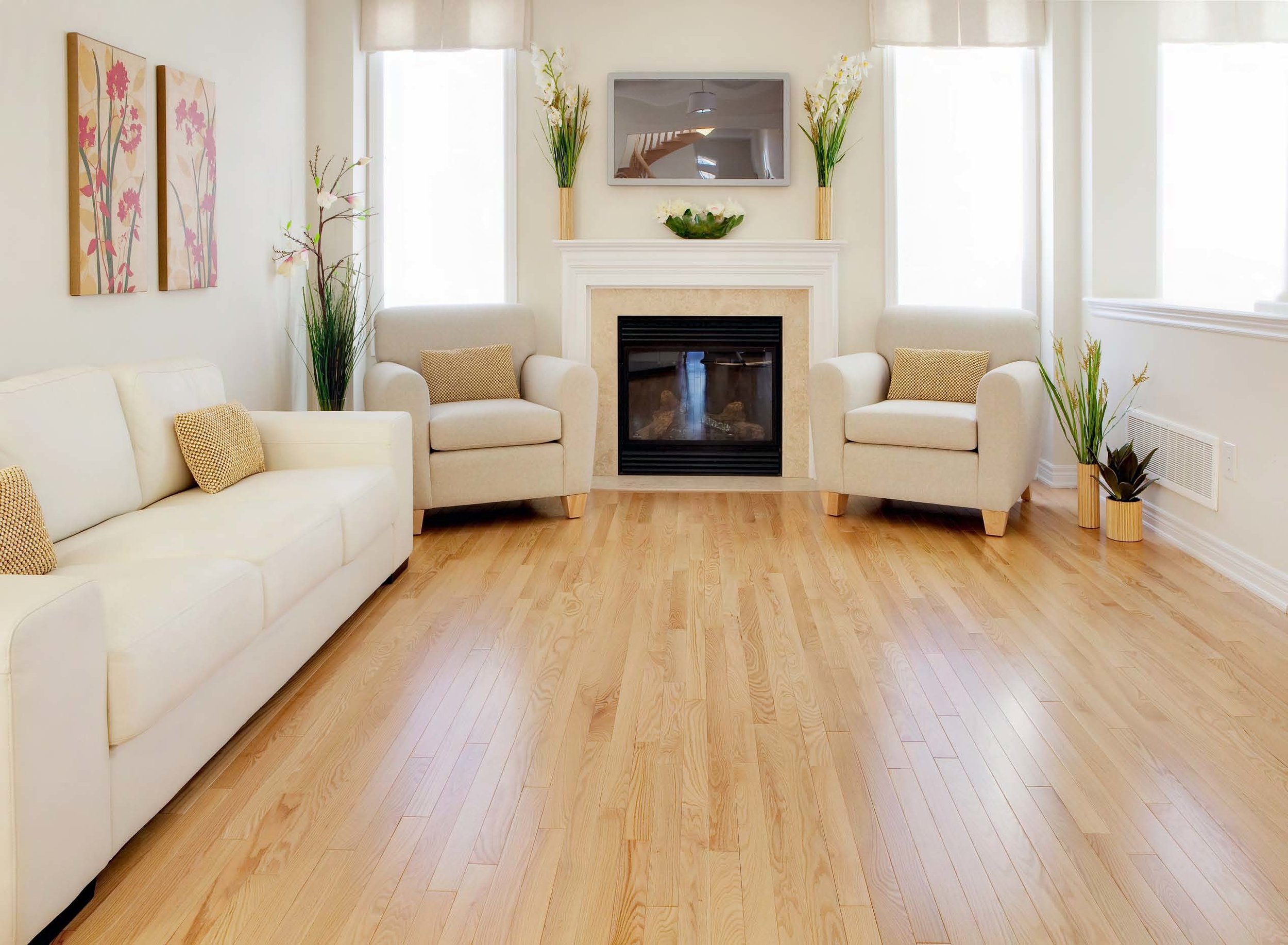
I debated between nail-down and glue-down installation for weeks before making my decision. Since I have a wood subfloor, my installer recommended the traditional nail-down method using a pneumatic flooring nailer. Watching the installation process was fascinating; each plank was carefully positioned and secured with cleats driven at precise angles. The sound of the nailer became oddly comforting after the first day.
The installation took three full days for about 400 square feet, which included some tricky cuts around my fireplace and built-in bookshelves. I was amazed at how the installer handled the irregular spaces and transitions to other rooms. The most challenging part was maintaining proper expansion gaps around the perimeter while keeping everything looking seamless. Those quarter-inch gaps seemed huge at first, but the baseboards hide them completely.
One thing I wasn’t prepared for was the amount of dust and noise during installation. Even with plastic sheeting, sawdust got everywhere, and the nailer is quite loud. I arranged to stay elsewhere during the day, and I’d recommend the same if you have young children or noise-sensitive neighbors. The end result was worth the temporary disruption, but it’s definitely not a project you can live normally through.

Finishing Options and Long-term Maintenance
I chose to have my floors finished on-site rather than buying pre-finished planks, which gave me complete control over the final appearance. We applied a water-based polyurethane finish in satin, which provides good protection while still showing the natural beauty of the oak grain. The finishing process took two additional days and required us to stay out of the house completely while each coat cured.
Maintaining oak floors has been much easier than I expected. I sweep or vacuum daily to prevent dirt from scratching the finish, and I damp mop weekly with a cleaner specifically designed for hardwood. I learned early on that too much water is oak’s enemy, so I always wring my mop thoroughly. Every few months, I use a hardwood floor restorer that fills in micro-scratches and refreshes the shine.
After three years, my floors still look fantastic with just basic maintenance. I’ve had them professionally cleaned twice, which made them look like new again. I’m planning to have them screened and recoated in another couple of years, which should extend their life significantly. The ability to refinish solid wood multiple times over its lifetime makes it such a valuable long-term investment compared to other flooring options.
Cost Considerations and Budgeting Reality
The upfront cost of oak solid wood flooring definitely gave me sticker shock initially. Between the materials, installation, and finishing, I spent about $12 per square foot for my project. That’s significantly more than laminate or vinyl options I considered, but when I calculated the cost per year over the expected 50+ year lifespan, it actually became quite reasonable. The key was thinking of it as a long-term investment rather than just a flooring purchase.
I found that prices varied wildly between suppliers, so shopping around was crucial. The big box stores were convenient but expensive, while local lumber yards often had better prices on higher quality wood. I ended up buying directly from a local mill, which saved me about 30% compared to retail prices. The trade-off was longer lead times and having to arrange my own delivery, but the savings were worth the extra effort.
Don’t forget to budget for the unexpected costs that can pop up during installation. I needed additional subfloor preparation work that added $800 to my project, and I upgraded to premium underlayment for better sound dampening. New baseboards and quarter-round molding added another $300 in materials plus additional labor. Always add at least 15-20% to your initial budget for these kinds of surprises that seem to happen with every flooring project.
Living with Oak Floors: The Daily Experience
The daily experience of living with oak floors has exceeded my expectations in almost every way. The warmth underfoot, especially compared to my old tile floors, makes the whole house feel cozier. During summer, they stay comfortably cool, and in winter, they warm up nicely with my radiant heating system. The natural insulation properties of wood have actually helped reduce my energy costs slightly.
One thing that surprised me was how the floors have aged and developed character over time. Small scratches and dings that initially worried me now just add to the lived-in charm. My dog’s claws have left some marks, but they blend into the natural grain pattern and aren’t noticeable unless you’re looking for them. This is one advantage of choosing common grade oak: the natural character masks normal wear and tear beautifully.
The acoustics in my home improved dramatically with oak floors compared to the hard tile I had before. Footsteps are quieter, and the wood seems to absorb sound rather than reflect it. My neighbor below me commented that she rarely hears me walking around anymore, which has been great for our relationship. The overall ambiance of my home feels warmer and more welcoming, and I get compliments on the floors from every visitor.
How do oak floors handle pets and children in daily life?
My floors have held up well with both. My medium-sized dog’s nails leave occasional light scratches, but they’re barely noticeable in the grain pattern. Spills from kids wipe up easily if caught quickly. The key is keeping nails trimmed and addressing moisture immediately. The natural durability of oak has impressed me over three years of real family living.
What’s the realistic maintenance time commitment for oak floors?
Daily sweeping takes about 5 minutes, weekly damp mopping maybe 15 minutes for my whole main floor. Every few months I spend an hour applying wood restorer. It’s honestly less work than vacuuming carpet was. The key is consistency with basic care rather than intensive periodic deep cleaning like some other floor types require.

How much does refinishing cost and how often is it needed?
Professional refinishing runs about $3-5 per square foot in my area. With normal family use, I’m planning to screen and recoat every 7-10 years, which costs less than full refinishing. Major sanding and refinishing might be needed every 15-20 years. Solid oak can be refinished many times over its lifetime, making it incredibly cost-effective long-term.
Do oak floors really add value to your home?
According to my realtor friend, quality hardwood floors can add 3-5% to home value, and they help houses sell faster. Beyond numbers, they give a premium feel that buyers notice immediately. After living with them for three years, I’d choose oak again purely for the daily enjoyment, but the investment aspect is definitely a nice bonus for future resale.

How do seasonal changes affect oak flooring day-to-day?
I notice small gaps appear in winter when humidity drops, and they close up in summer. It’s barely noticeable day-to-day, and my humidifier keeps changes minimal. The floors have never cupped or buckled through multiple seasons. Temperature changes don’t seem to affect them much, just humidity levels, which are manageable with proper climate control.
Is the installation disruption as bad as people say?
It was definitely disruptive for about a week total between delivery, acclimation, installation, and finishing. The noise and dust were significant, but manageable with planning. I stayed elsewhere during the loudest days and sealed off the work area. The temporary inconvenience was absolutely worth it for floors I’ll enjoy for decades. Just plan ahead and be patient with the process.

Oak Wood Flooring

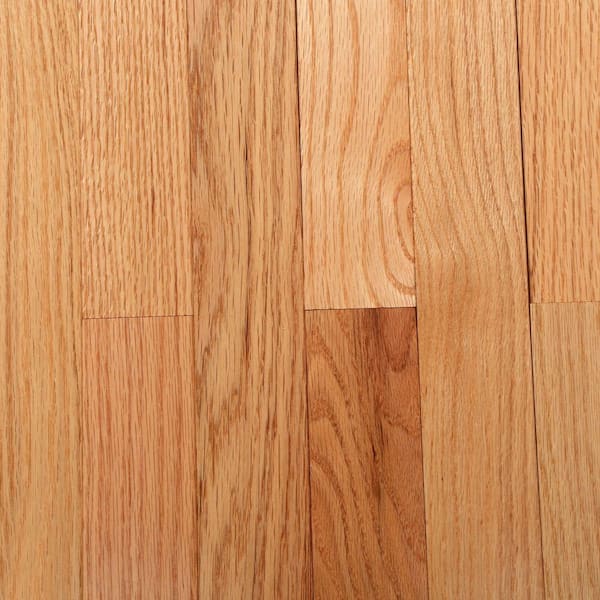
Bruce American Originals Natural Red Oak 3/4in. T x 2-1/4 in. W x
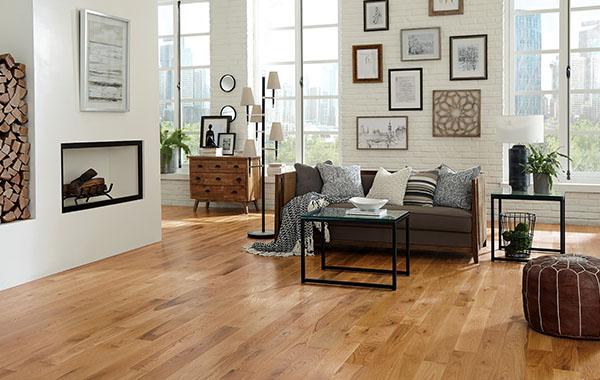
Everything You Need to Know About White Oak Flooring
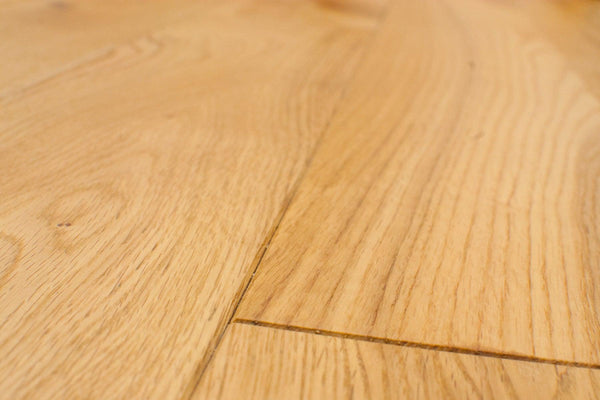
Natural Oak / 5″ / White Oak / Solid Hardwood
Related Posts: