When I first walked into our 1950s ranch house, the dining room had bland beige carpet that made the space feel dated and uninspiring. I knew immediately that dark wood flooring would transform this room into the elegant dining space I’d always dreamed of. After months of research, samples, and careful planning, I installed rich walnut hardwood floors that completely changed the character of our home. The deep chocolate tones create such warmth and sophistication that every dinner party feels special. Now, three years later, I can’t imagine our dining room any other way, and I’ve learned so much about living with dark floors that I want to share my experience with you.
Choosing the Perfect Dark Wood Species
My journey started with understanding the different dark wood options available. I spent countless hours at lumber yards examining walnut, mahogany, ebony, and dark-stained oak samples. Walnut became my favorite because of its natural chocolate brown color with gorgeous grain patterns that vary from plank to plank. The organic variation means no two sections look the same, creating visual interest that keeps the room from feeling monotonous.
Mahogany offered beautiful reddish undertones that I considered for months. The consistent grain pattern appealed to my organized nature, and the rich burgundy highlights would have complemented our traditional decor perfectly. However, the cost was significantly higher than walnut, and I worried the red tones might clash with future design changes. Sometimes practical considerations have to outweigh pure aesthetics, especially when you’re working with a renovation budget.
Dark-stained oak provided an affordable alternative that I almost chose. The prominent grain pattern creates dramatic contrast, and the staining process allows for custom color matching. My contractor showed me samples ranging from espresso to ebony, all beautiful options. Ultimately, I decided against stained oak because I wanted the authenticity of naturally dark wood. The character that comes from wood’s natural color felt more genuine for our traditional home.
Design Coordination with Dark Floors
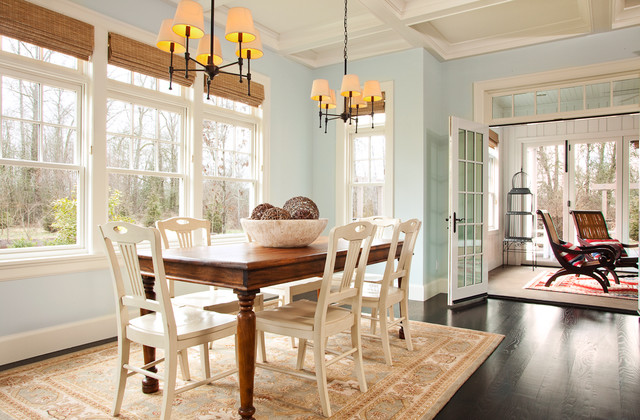
Color coordination became my obsession once I committed to dark floors. I learned that dark wood creates a strong foundation that can either anchor a room beautifully or overwhelm it completely. Light-colored walls became essential to prevent the space from feeling cave-like. I chose warm cream paint that reflects light while complementing the walnut’s brown undertones. The contrast between dark floors and light walls creates drama without feeling oppressive.
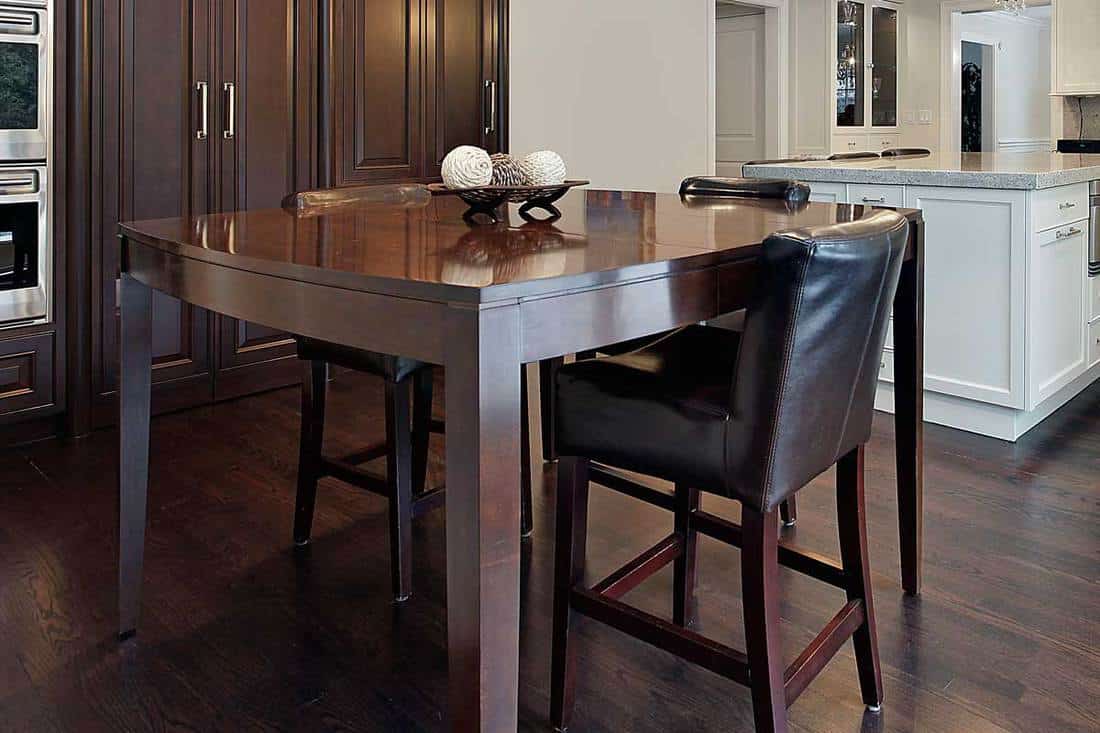
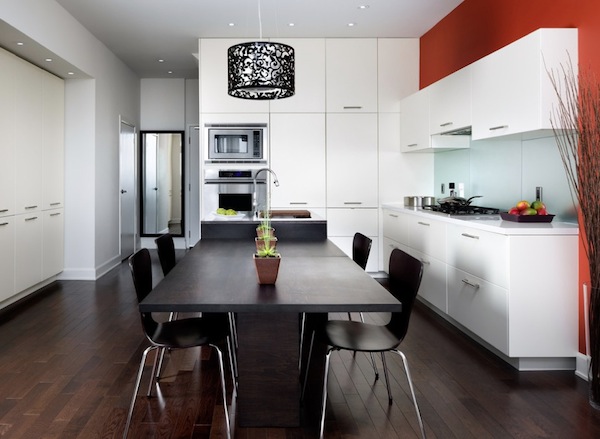
Furniture selection required a complete mindset shift from my previous decorating approach. Dark floors make every piece of furniture more prominent since there’s a strong contrast with lighter pieces. My existing light oak dining table suddenly looked stunning against the dark background, whereas before it blended into the beige carpet. I discovered that both light and dark furniture work beautifully, but medium-toned pieces can get lost and look muddy.
Lighting became crucial for showcasing the floor’s beauty and preventing the room from feeling dim. I installed a statement chandelier with warm LED bulbs that cast gorgeous pools of light across the wood grain. Table lamps in corners add ambient lighting that highlights the floor’s texture. Natural light from our large window creates beautiful patterns on the wood throughout the day. Proper lighting transforms dark floors from potentially gloomy to absolutely stunning.

Installation Challenges and Solutions
Subfloor preparation took longer than expected with dark floors because every imperfection shows dramatically. My contractor spent extra time ensuring perfect levelness since even minor variations create visible shadows on dark surfaces. We used self-leveling compound in several areas and replaced some damaged subflooring. The extra prep work added two days to the timeline but prevented issues that would have been glaringly obvious once the dark planks were installed.
Acclimation became critical with my walnut planks. Dark wood tends to show expansion and contraction more than lighter species because the color changes are more noticeable. I stored the planks in the dining room for two weeks before installation, monitoring humidity levels carefully. This patience prevented gaps and buckling that could have been costly to repair. My contractor emphasized that rushing this step ruins more dark floor installations than any other factor.
Finishing required meticulous attention to detail because dark floors reveal every flaw in the final coating. We applied three coats of satin polyurethane, sanding lightly between each coat. The installer used high-quality brushes and maintained wet edges religiously to prevent lap marks that would be visible on the dark surface. Dust control during finishing became paramount; we sealed off the room completely and used air filtration to ensure flawless results.

Maintenance and Care Strategies
Daily maintenance habits changed significantly with dark floors. Every speck of dust, pet hair, and footprint shows prominently on the dark surface. I invested in a high-quality microfiber dust mop that I use every morning before coffee. The key is preventing debris accumulation rather than trying to clean it after it builds up. Light-colored dust and lint are particularly noticeable, so frequent light cleaning prevents the need for intensive scrubbing sessions.
Cleaning products require careful selection to maintain the floor’s rich color and finish. I learned that some cleaners can leave streaks or residue that’s invisible on light floors but obvious on dark surfaces. pH-neutral hardwood cleaners work best, and I always test new products in inconspicuous areas first. Avoiding ammonia-based cleaners prevents cloudiness that can dull the wood’s natural beauty. Water spots dry more visibly, so I wipe spills immediately and dry thoroughly.
Protective measures became part of my daily routine to preserve the floor’s appearance. Felt pads under all furniture legs prevent scratches that show prominently on dark surfaces. Area rugs in high-traffic zones reduce wear patterns, though I chose them carefully to complement rather than hide the beautiful flooring. Door mats inside and outside entrance points trap dirt and moisture before they reach the wood. These simple habits maintain the floor’s stunning appearance with minimal effort.

Decorating Tips for Dark Wood Floors
Color palette selection opened up possibilities I hadn’t considered with lighter floors. Bold colors that might have clashed with beige carpet now pop beautifully against the dark background. Deep jewel tones like emerald green and sapphire blue create luxurious combinations, while crisp whites and creams provide classic elegance. I discovered that dark floors actually make color choices easier because they provide such a strong neutral foundation.
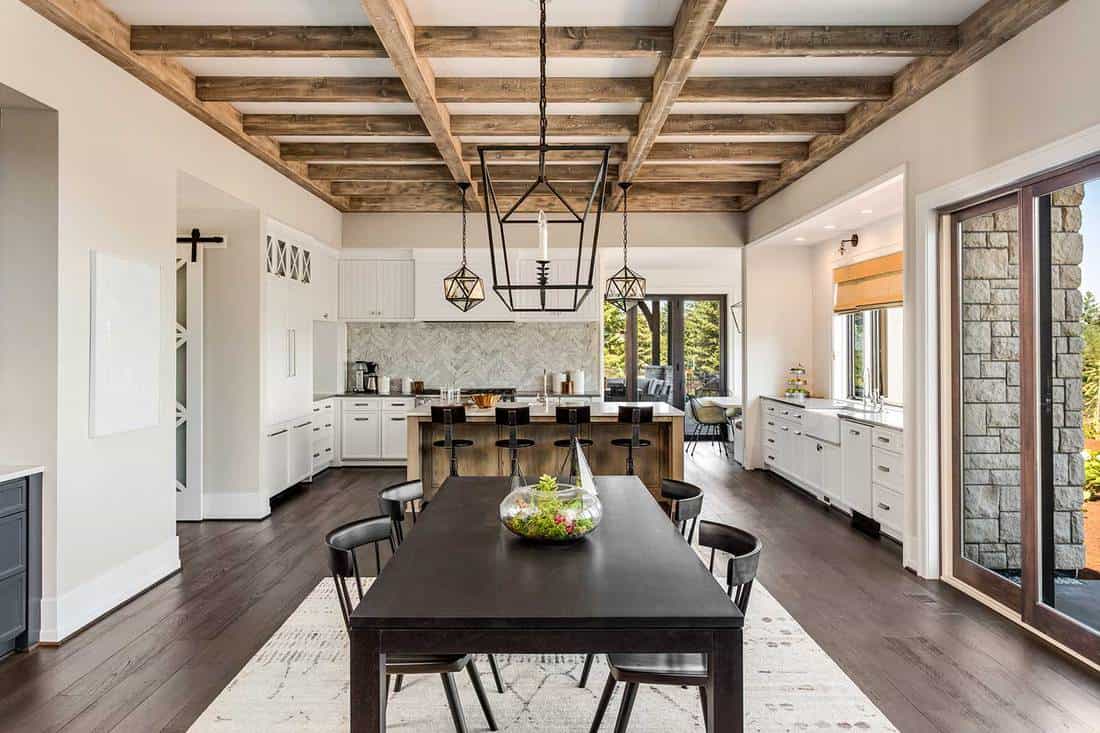
Rug placement became an art form in coordinating with dark floors. Large area rugs can break up the expanse of dark wood, but I learned to choose patterns and colors that enhance rather than compete with the flooring. Light-colored rugs create beautiful contrast, while darker rugs with interesting textures add depth without overwhelming the space. The key is ensuring the rug complements the room’s overall design rather than simply covering the floor.
Seasonal decorating takes on a new dimension with dark floors as a backdrop. Holiday decorations pop against the rich brown background, making celebrations feel more festive. Summer’s bright colors look stunning, while autumn’s warm tones create perfect harmony. Winter’s whites and silvers provide elegant contrast. The dark flooring acts like a picture frame, making every seasonal decoration more impactful and allowing me to change the room’s mood throughout the year.
Long-Term Investment and Value
Cost considerations extended beyond initial installation when I planned my dark floor investment. Premium dark wood species like walnut cost more upfront, but the timeless appeal and durability provide excellent long-term value. Cheaper alternatives like dark-stained pine might save money initially, but require more maintenance and replacement sooner. I viewed this purchase as a long-term investment that would enhance my home’s value for decades.
Maintenance costs proved lower than expected despite my initial concerns about dark floors showing everything. Quality dark hardwood with proper finishing resists wear better than softer light woods. The rich color helps camouflage minor scratches that might be obvious on lighter floors. Professional refinishing every 7-10 years maintains the floor’s beauty, and the cost spreads over many years of enjoyment. The durability justifies the initial investment.
Resale value impact became apparent when neighbors with similar homes sold recently. Real estate agents consistently mention our dining room’s gorgeous dark floors as a standout feature. Buyers immediately gravitate to the warmth and elegance that dark wood provides. Unlike trendy flooring choices that might date quickly, dark hardwood has a timeless appeal that enhances property value. The investment has already paid dividends in increased home equity and daily enjoyment of our beautiful dining space.
Do dark wood floors make dining rooms feel smaller and darker?
Not with proper lighting and wall colors. I was worried about this initially, but light walls and good lighting actually make my dining room feel more spacious and dramatic. The dark floors ground the space beautifully. The key is balancing dark floors with lighter elements above. Strategic lighting showcases the wood’s beauty while maintaining brightness.
How do dark wood floors handle spills and stains in dining areas?
With proper sealing, they handle spills excellently. I’ve dealt with red wine, coffee, and various food spills without permanent staining. The key is immediate cleanup and quality finishing. Dark floors actually hide some stains better than light ones. Water rings and light-colored spills show more prominently, but proper maintenance prevents lasting damage.

Are dark wood floors practical for families with children and pets?
Surprisingly yes! My kids and two dogs use this space daily. While pet hair shows more on dark surfaces, scratches and wear patterns are less visible than on lighter floors. Kids’ art supplies and muddy footprints clean up easily. The rich color helps camouflage minor damage that might be obvious on blonde woods. Quality dark wood is quite resilient.
What’s the best way to clean dark wood floors without streaking?
I use a barely damp microfiber mop with pH-neutral cleaner, working in sections and drying immediately. The key is minimal moisture and thorough drying. I avoid string mops that can leave streaks. Weekly deep cleaning with proper hardwood cleaner maintains the lustrous finish. Immediate spill cleanup prevents most staining issues.

Do dark wood floors show dust and debris more than lighter options?
Yes, light-colored dust and pet hair are more visible, requiring more frequent light cleaning. However, I’ve adapted my routine to a quick daily sweeping that prevents buildup. The trade-off is worth it for the stunning appearance. Quality entrance mats reduce tracked-in debris significantly. The maintenance increase is minimal with good habits.
How do dark wood floors affect heating and cooling costs?
Dark floors absorb more heat from sunlight, which can actually help with winter heating costs. Summer cooling might increase slightly, but proper window treatments control solar heat gain effectively. The thermal mass of hardwood helps moderate temperature swings. Overall impact on utility costs has been negligible in my experience, and the benefits far outweigh any minor increases.

Light Or Dark Wood Flooring – Which One Suits Your Home?
What Color Dining Table For Dark Wood Floors?
Dining Rooms with Wooden Flooring Home Design Lover
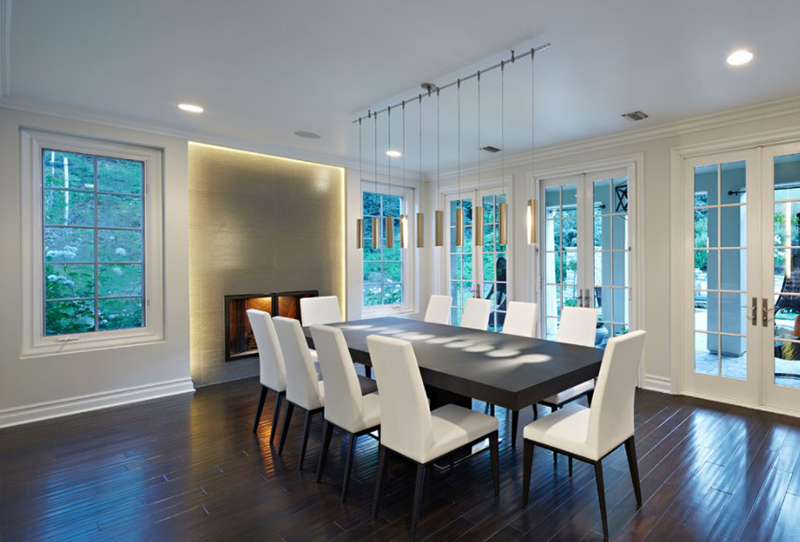
Dining table, antique chairs, dark wood floor
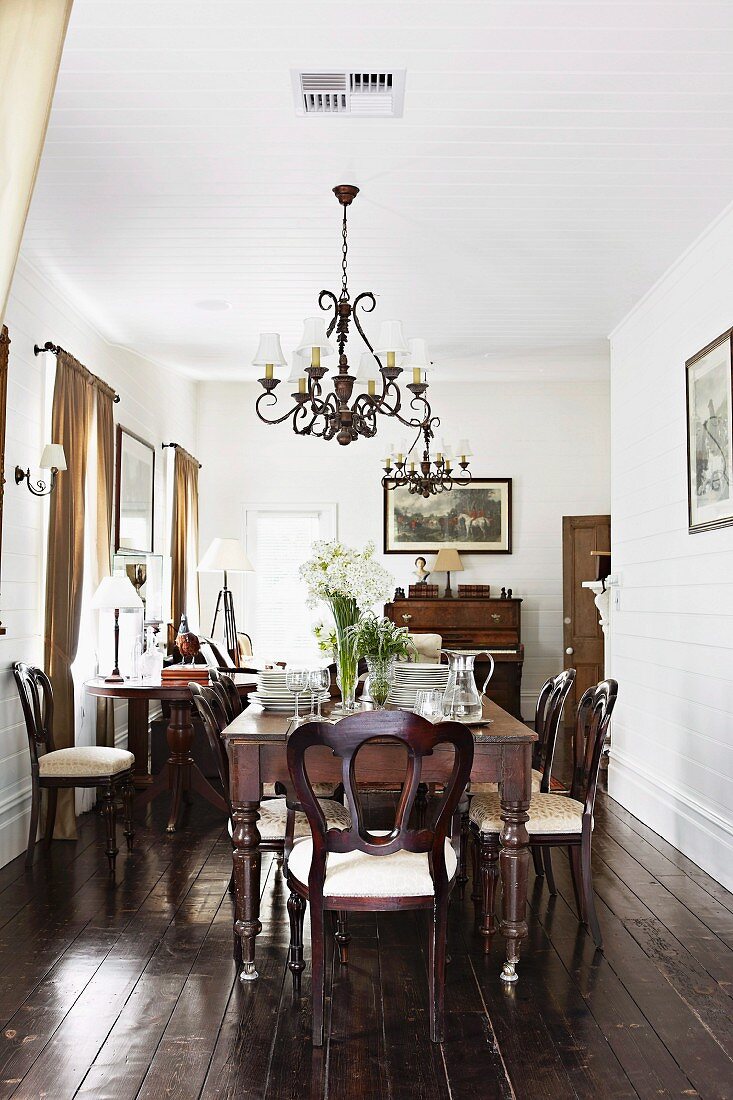
How To Match Wood Tables to Wood Floors
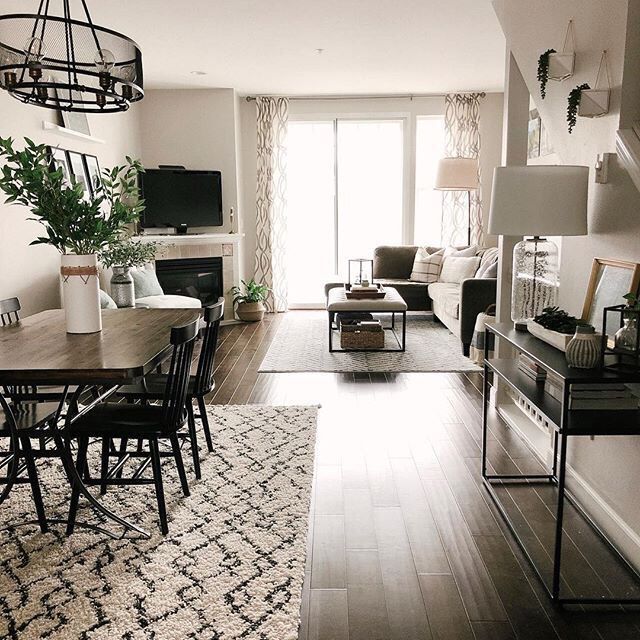
Dining Rooms with Hardwood Flooring

Related Posts: