When I started planning my home renovation two years ago, I knew I wanted hardwood floors but worried about moisture, maintenance, and my budget. That’s when I discovered white oak wood tile flooring, and honestly, it changed everything. This innovative flooring combines the gorgeous natural beauty of white oak with the durability and water resistance of ceramic tile. After living with it for over a year now, I can say it’s been one of my best home improvement decisions. The realistic wood grain, easy maintenance, and peace of mind it provides have exceeded all my expectations.
Understanding White Oak Wood Tile Technology: The Best of Both Materials
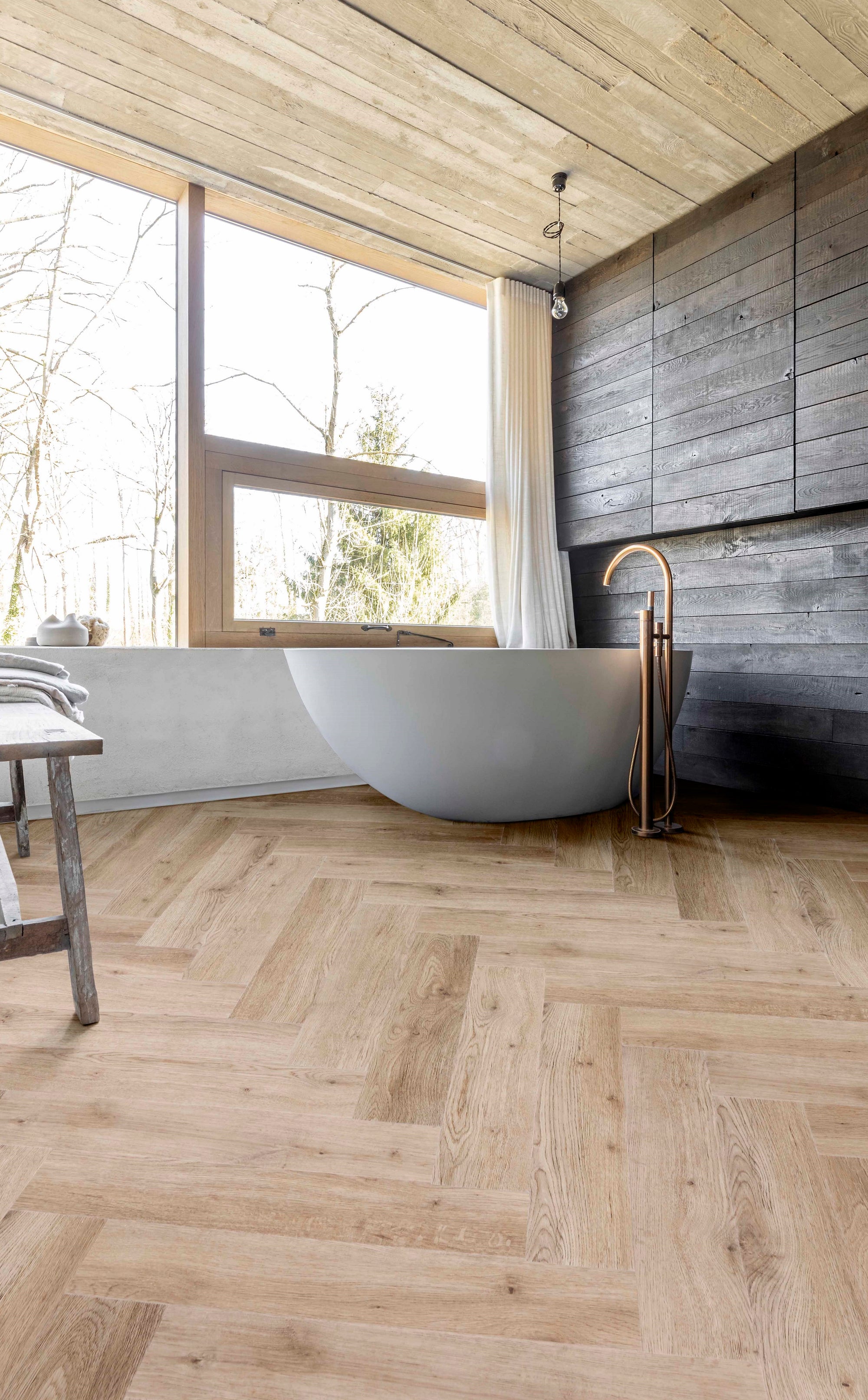
I’ll admit, I was skeptical when my contractor first showed me white oak wood tile samples. How could ceramic tile really look like authentic hardwood? But when I examined the planks closely, I was amazed by the advanced printing and texturing technology. Each tile captures the natural grain patterns, knots, and color variations that make white oak so beautiful. The surface texture even mimics the feel of real wood, complete with subtle ridges and smooth sections.
What sold me was learning about the manufacturing process. These tiles start with a high-density ceramic base that’s incredibly durable, then multiple layers of realistic imagery and protective coatings are applied. The top wear layer is often thicker than traditional ceramic tiles, which means better scratch and stain resistance. I’ve dropped everything from wine glasses to my cast iron skillet on these floors, and they still look perfect.
The technology has come so far that even my mother-in-law, who’s been in interior design for thirty years, couldn’t tell the difference until I pointed it out. The color consistency between tiles is remarkable, yet there’s enough natural variation to look authentic. I chose a style with subtle saw marks and natural edge details that perfectly capture the character of genuine white oak lumber. It’s honestly hard to believe it’s not real wood.
Installation Experience: Easier Than I Expected
I decided to tackle the installation myself to save money, and I’m so glad I did. White oak wood tile installs much like regular ceramic tile, but the wood-plank format made the process more forgiving than traditional square tiles. I started in my kitchen and worked my way through the adjoining dining room, learning as I went. The key was taking time to plan my layout carefully and ensuring my subfloor was perfectly level.
The tiles I chose were 6 inches by 36 inches, which gave me that authentic hardwood plank look while being manageable to handle. I used a standard tile saw for cuts, though I invested in a good wet saw rental for the weekend. The clicking sound when cutting reminded me that these were definitely ceramic, not wood. I found that scoring and snapping worked for simple cuts, but the wet saw gave me cleaner edges for complex cuts around doorways and fixtures.
My biggest challenge was getting the grout lines perfectly straight and consistent. I used a light gray grout that mimics the natural gaps between hardwood planks. The contractor at the tile shop recommended using spacers designed specifically for wood-look tiles, which helped maintain that authentic plank spacing. After three rooms and about 800 square feet, I felt like a pro. The whole project took me one long weekend, compared to the week I’d budgeted.

Daily Living with White Oak Wood Tile: Real-World Performance
Living with these floors for over a year has been fantastic. My morning routine includes walking across them in bare feet, and they’re surprisingly comfortable, much warmer than I expected ceramic tile to be. The surface texture provides just enough grip that I’ve never slipped, even when the floors are damp from mopping. My kids run and play on them constantly, and I love not worrying about scratches from their toys or sports equipment.
Maintenance has been incredibly easy compared to the real hardwood floors I had in my previous home. I sweep daily and mop weekly with a simple pH-neutral cleaner. There’s no need for special wood floor cleaners, refinishing, or worry about water damage. When my dishwasher leaked last month, I simply wiped up the water without any panic about warping or staining. I’ve even let spilled wine sit for a few minutes while dealing with other things, and it wiped up without leaving any trace.
The durability continues to impress me. High-traffic areas like the kitchen entrance and hallway show no signs of wear despite constant foot traffic. My dog’s nails don’t scratch the surface, and furniture legs haven’t left any marks. I’ve rearranged my living room furniture several times, dragging heavy pieces across the floor without concern. The color has remained consistent throughout, with no fading even in areas that get direct sunlight for most of the day.

Cost Analysis: Investment That Made Sense
When I first started pricing flooring options, white oak wood tile seemed expensive at around $4 per square foot for the material. But when I factored in the long-term costs, it became clear this was actually the economic choice. Real white oak hardwood would have cost me nearly $8 per square foot, plus installation, plus ongoing maintenance costs. I also wouldn’t have been able to install it myself, adding thousands in labor costs.
The installation savings were significant. I spent about $200 on tools and supplies for my DIY installation, compared to the $3,000 I was quoted for professional hardwood installation. Even if I’d hired professionals to install the tile, it would have been about half the cost of hardwood installation. The learning curve wasn’t too steep, and I felt confident after watching a few online tutorials and getting advice from the tile shop staff.
Long-term maintenance costs are where the real savings add up. I don’t need to worry about refinishing every few years, which would cost thousands for my square footage. There are no special cleaning products required, no concerns about humidity levels, and no need for area rugs to protect high-traffic zones. My homeowner’s insurance company even gave me a small discount because ceramic floors are less susceptible to water damage than hardwood. Over ten years, I estimate I’ll save at least $5,000 compared to real hardwood.
Style Versatility: Adapting to My Changing Tastes
One thing I love about white oak wood tile is how well it works with different decorating styles. When I first installed it, I had a modern farmhouse aesthetic with white cabinets and black accents. The warm, natural tones of the white oak complemented this look perfectly. Last year, I decided to shift toward a more contemporary style with darker cabinets and stainless steel appliances. The flooring adapted beautifully to this change.
The neutral color palette of white oak works with virtually any color scheme I’ve tried. I’ve experimented with bold accent colors like navy blue and forest green, as well as softer pastels and earth tones. The subtle grain pattern and natural variation in the tiles provide visual interest without overwhelming other design elements. I’ve noticed that the flooring actually helps tie together different rooms, creating a cohesive flow throughout my open floor plan.
The plank size I chose gives me flexibility in how I arrange furniture and define spaces. In my living room, I can create conversational groupings that work with the plank direction, while in my kitchen, the flooring helps define the cooking and dining areas. I’ve seen the same white oak wood tile look completely different in friends’ homes depending on their furniture choices, wall colors, and lighting. It’s like having a chameleon floor that adapts to whatever style direction I want to explore.

Comparing to Real Hardwood: Honest Pros and Cons
Having lived with both real hardwood and white oak wood tile, I can honestly compare the two. The biggest advantage of the tile is durability and water resistance. I can clean up any spill without worry, use a steam mop if I want to, and never think about humidity levels or seasonal expansion. The surface is harder and more scratch-resistant than real wood, which matters in my active household and pets.
However, I do miss some aspects of real hardwood. The sound is different; there’s a slight echo that reminds you these are ceramic tiles. Real wood has a warmth and depth that’s hard to replicate perfectly, though the technology has come remarkably close. I also can’t sand and refinish these floors if I ever want to change the color completely, though honestly, I never refinished my old hardwood floors in the fifteen years I had them.
The environmental impact was something I considered carefully. While these tiles don’t have the renewable nature of real wood, they also don’t require the harvesting of mature trees. The manufacturing process uses recycled materials, and the tiles themselves are fully recyclable. The longevity means they won’t need replacement for decades, if ever. For my situation, the practical benefits outweighed the philosophical preference for natural materials. I love knowing my floors will look this good for the next twenty years without any major maintenance.

How do white oak wood tiles hold up to pets and heavy foot traffic?
Exceptionally well in my experience. My 70-pound dog’s nails don’t scratch the surface, and constant foot traffic shows no wear after 18 months. The ceramic construction is much more durable than real hardwood. I vacuum pet hair easily, and accidents clean up completely without staining or odors. The textured surface provides good traction for both pets and humans.
What’s the real cost difference compared to hardwood flooring installation?
I saved about 60% on total project costs. Materials were $4/sq ft versus $8/sq ft for comparable hardwood, plus I could install myself. Even with professional installation, tile runs about $8-10/sq ft total versus $12-15/sq ft for hardwood. No refinishing costs over time make the lifetime savings even more significant.

How realistic do these tiles actually look compared to real wood?
Incredibly realistic, I regularly have guests ask if they’re real hardwood. The grain patterns, color variation, and surface texture are very convincing. The biggest tells are the sound when walking and the grout lines, but even those are subtle. From a visual standpoint, they’re nearly indistinguishable from authentic white oak planks.
What maintenance routine do you actually follow day-to-day?
Daily sweeping or vacuuming, weekly mopping with neutral pH cleaner. That’s it. No special products, no worrying about water damage, no seasonal humidity concerns. Spills wipe up instantly. I’ve never needed any special treatment or deep cleaning. It’s honestly the lowest-maintenance flooring I’ve ever had in my home.

Are there any installation challenges I should know about?
The biggest challenge is keeping grout lines straight and consistent, use quality spacers designed for plank tiles. Ensure your subfloor is level, imperfections show more with large format tiles. Plan your layout carefully to minimize small cuts at walls. A good wet saw makes cutting much easier than trying to score and snap these thick tiles.
How do they perform in moisture-prone areas like kitchens and bathrooms?
Perfect for high-moisture areas, that’s one of their biggest advantages. I have them in my kitchen where spills happen daily, they’ve handled everything from water to oil without issues. Many people use them in bathrooms because they look like wood but won’t warp or stain. The grout lines need sealing initially, but maintenance is minimal.

Prime Grade French oak unfinished engineered hardwood flooring

Character Grade European White Oak Wood Flooring – Buy Character
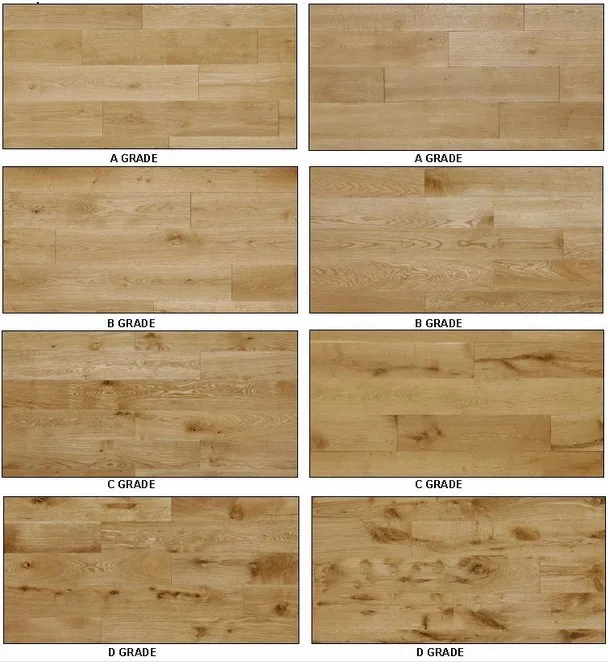
The Hardwood Grading System Explained.
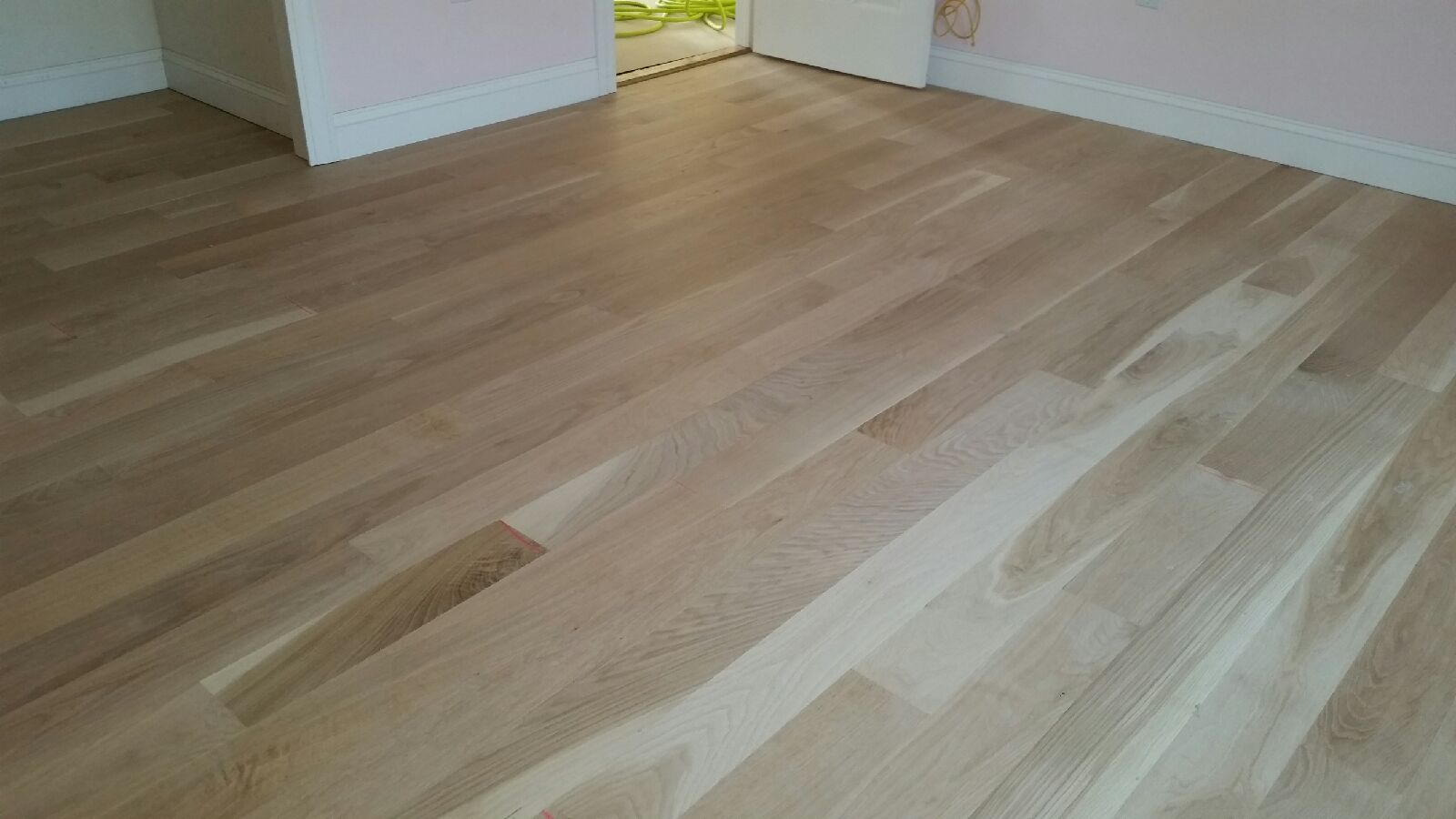
Hardwood flooring grades – Select grade vs. No 1 Common – Whatu0027s

Related Posts: