When I decided to renovate my home last year, I thought I knew everything about hardwood floors. I’d lived with traditional 3-inch planks my entire life and assumed that’s just how wood flooring came. Then my contractor showed me samples of extra wide wood flooring, planks that were 5, 7, even 9 inches wide, and everything changed. The transformation wasn’t just visual, it was emotional. Those wider planks didn’t just cover my floors; they completely redefined how my spaces felt and flowed together.
The Visual Impact That Left Me Speechless
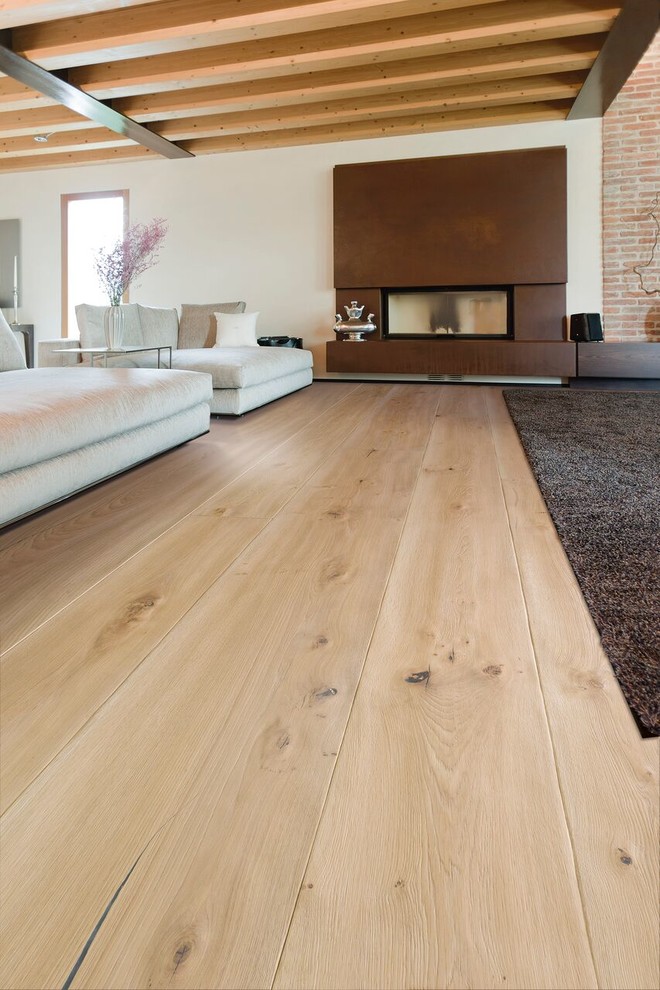
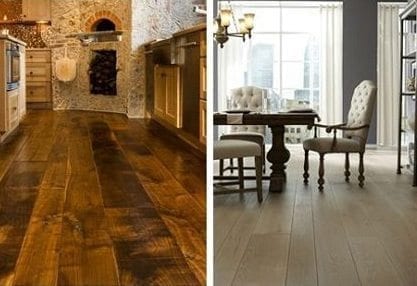
I remember the exact moment I fell in love with extra-wide planks. My contractor laid down a few sample pieces in my living room, and suddenly the space looked twice as large. The wider boards create fewer seam lines across your floor, which tricks your eye into perceiving more expansive square footage. It’s like the difference between looking at a patchwork quilt versus a smooth, uninterrupted canvas.
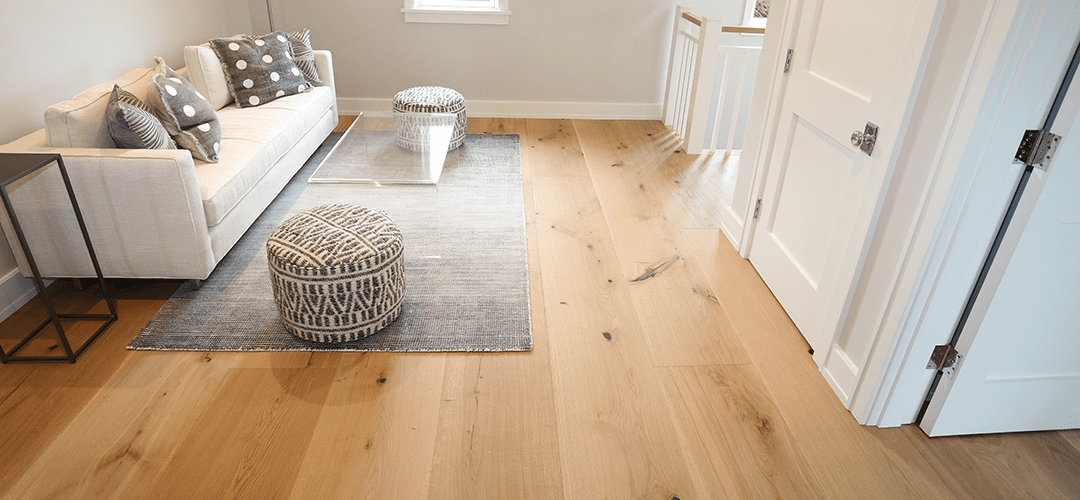
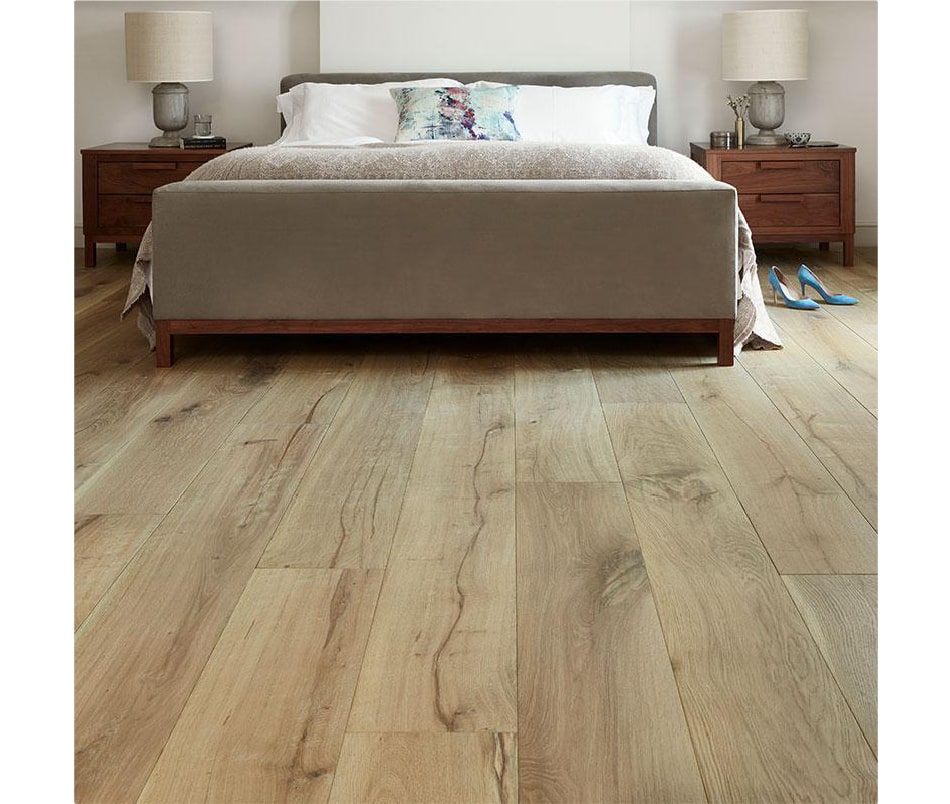
The grain patterns in wider planks are absolutely stunning. Where narrow boards might show small, fragmented pieces of the wood’s natural character, these wider planks display the full beauty of each tree’s unique personality. I chose 7-inch white oak planks, and each board tells its own story through sweeping grain lines, subtle color variations, and natural character marks that would be lost in narrower cuts.
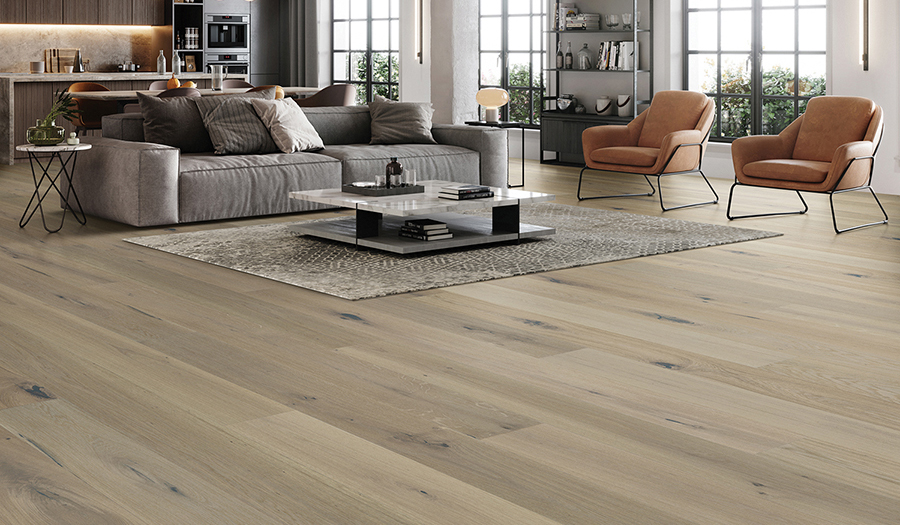
What surprised me most was how the wider planks made my furniture arrangements feel more intentional and grounded. My sectional sofa, which had always seemed to float awkwardly on the sea of narrow boards, suddenly looked perfectly proportioned. The fewer seam lines created a cleaner backdrop that let my furniture and decor take center stage instead of competing with busy floor patterns.
Installation Challenges I Wish Someone Had Warned Me About
Installing extra-wide planks isn’t quite the same as working with standard-width boards, and I learned this the hard way. The wider surface area means these planks are more susceptible to seasonal movement and require more precise subfloor preparation. My installer spent an extra day ensuring the subfloor was perfectly level because any imperfections become magnified across the wider span of each board.
The acclimation process took longer than I expected. While standard boards might acclimate in a few days, my 7-inch planks needed a full week to adjust to my home’s temperature and humidity levels. I had to resist the urge to rush the process, even though seeing those beautiful planks sitting in boxes while my old floors were already torn up was torture. Patience during acclimation prevented costly gaps and buckling later.
Cutting and fitting around obstacles like heating vents and doorways required more skill and planning. My installer couldn’t just grab any leftover piece like you might with narrower boards. Each cut had to be carefully planned because waste from a 7-inch plank represents a much bigger loss than waste from a 3-inch board. This attention to detail added time to the installation but resulted in a much more polished finished product.

Cost Considerations That Made Me Rethink My Budget
Extra wide planks definitely cost more than standard widths, and I had to adjust my initial budget by about 30 percent. The premium comes from several factors: larger trees are needed to produce wider boards, there’s more waste in the milling process, and the market demand for these planks keeps prices higher. I initially balked at the price difference but realized the cost per square foot of visual impact was actually a better value.
The installation costs were also higher due to the specialized skills required and the longer installation time. However, I found that the extra expense upfront saved me money in other areas. I didn’t need as many decorative rugs to break up the floor pattern, and the sophisticated look meant I could use simpler, less expensive furniture and still achieve an upscale appearance.
When I calculated the long-term value, the investment made sense. The timeless appeal of extra wide planks means they won’t look dated in ten years like some trendy narrow-board installations might. Real estate professionals in my area confirmed that extra wide hardwood floors are a selling point that adds genuine value to homes, making them a smart financial decision beyond just personal preference.
Species Selection: Why I Chose What I Did
Choosing the right wood species for extra wide planks requires different considerations than selecting standard-width boards. I initially wanted exotic hardwoods, but my installer explained that domestic species like oak, hickory, and maple actually perform better in wider formats because they’re more dimensionally stable. I ended up choosing white oak, and I couldn’t be happier with how it’s performed over the past year.
The grain pattern becomes crucial when you’re working with wider boards. Species with dramatic, flowing grain patterns like hickory can be overwhelming in wide planks, while more subtle grains like maple might look too plain. White oak struck the perfect balance for me, with enough character to be interesting but not so much that it dominated the room. The natural tannins in oak also age beautifully, developing richer tones over time.
I also considered the availability of the species in wide planks. Not every mill produces every species in extra wide formats, so your choices might be more limited than you expect. Pine and other softwoods are readily available in wide planks but show dents and scratches more easily. After living with pets and teenagers, I needed something that could handle real life, which led me back to the durability of white oak.

Maintenance Lessons Learned the Hard Way
Maintaining extra wide planks taught me that surface area matters more than I realized. A single scuff or scratch is more noticeable on a 7-inch plank than it would be on a 3-inch board simply because there’s more uninterrupted surface to draw attention to the damage. I learned to be more proactive about using furniture pads and area rugs in high-traffic zones.
Cleaning requires a different approach, too. The wider surface means spills can spread across more square footage before you notice them, so I had to become more vigilant about immediate cleanup. I invested in a good microfiber mop system and learned to clean with the grain rather than against it to avoid creating streaks that are visible across the wider planks.
Refinishing, when the time comes, will actually be easier with wider planks. There are fewer seams to navigate, and the sanding process should be more straightforward. My installer estimated that refinishing costs might be slightly lower per square foot because of the efficiency gained from working with fewer, larger pieces. It’s a small consolation for the higher upfront costs, but it’s nice to know maintenance will be simpler long-term.
Design Integration Tips That Made All the Difference
Integrating extra wide planks into my existing design required some thoughtful adjustments. The bold, horizontal lines created by wider boards can make rooms feel longer but sometimes shorter in the perpendicular direction. I learned to balance this effect by choosing vertical elements like tall bookcases and floor-to-ceiling curtains to maintain good proportions throughout my spaces.
The direction of installation became much more critical with wider planks. Running them parallel to the longest wall emphasized the length of my rectangular living room, while running them perpendicular would have made the space feel more square. In my narrow hallway, I ran them lengthwise to make the corridor feel less cramped. These directional choices have a bigger visual impact with wider planks than they do with standard widths.
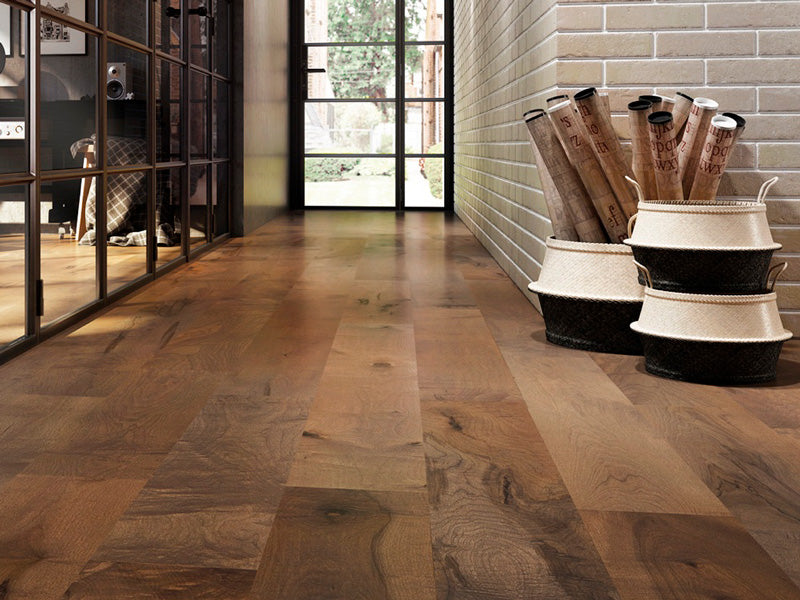
Color and finish selection needed more careful consideration, too. Dark stains on wide planks can feel heavy and overwhelming, while very light stains might lack the visual weight to ground larger furniture pieces. I chose a medium-toned natural finish that highlights the oak’s grain without being too dramatic. The natural variation in the wood provides plenty of visual interest without needing heavy stain colors that might feel dated in a few years.

How much more do extra wide planks cost compared to standard width flooring?
In my experience, expect to pay 25-40% more for the materials and potentially 10-15% more for installation. The exact premium depends on the species and width you choose. While the upfront cost is higher, I found the visual impact and long-term value made it worthwhile for my home.
Will extra wide planks work in smaller rooms, or do they make spaces look cramped?
Actually, they made my smaller rooms look larger! The fewer seam lines create a cleaner, more expansive appearance. I used 7-inch planks even in my 10×12 bedroom, and it looks more spacious than it did with narrow boards. Just pay attention to installation direction.
Are wider planks more prone to warping or cupping than standard widths?
They can be slightly more susceptible to seasonal movement due to the larger surface area, but proper acclimation and installation minimize these issues. My installer used more fasteners per plank and ensured perfect subfloor preparation. After a full year, I haven’t had any problems.
What’s the maximum width I should consider for residential use?
Most residential installations look best with planks between 5-9 inches wide. I chose 7-inch planks as a sweet spot between dramatic impact and practical performance. Anything over 10 inches starts looking more commercial than residential and may have stability issues in typical home environments.
Do extra wide planks require special cleaning or maintenance compared to standard floors?
The cleaning routine is essentially the same, but I’m more careful about immediate spill cleanup since there’s more surface area for liquids to spread across. I also use furniture pads religiously because scratches are more noticeable on the wider, uninterrupted surface.
Can I install extra wide planks myself, or do I need professional installation?
While DIY installation is possible if you’re experienced, I’d recommend professional installation. The wider planks require more precise subfloor preparation and careful handling during installation. The higher material cost also makes mistakes more expensive, so professional installation provided peace of mind for my investment.

Super Wide Plank Hardwoods – Contemporary – Living Room
Wide Wood Planks Extra Long UK Flooring Direct
Urban Floor – Contemporary – Hardwood Flooring

CALI HARDWOODS Meritage New World Oak 19/32 in. T x 9-1/2 in. W x
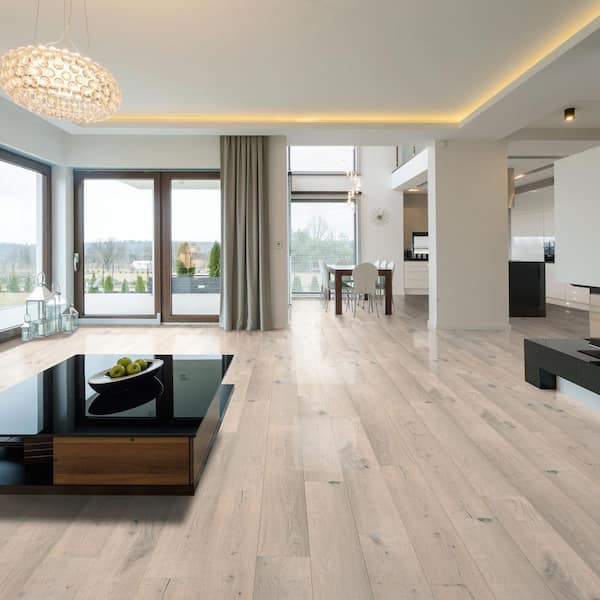
1/2 in. Saint Anton Strand Extra Wide Plank Engineered Bamboo Flooring 7.5 in. Wide
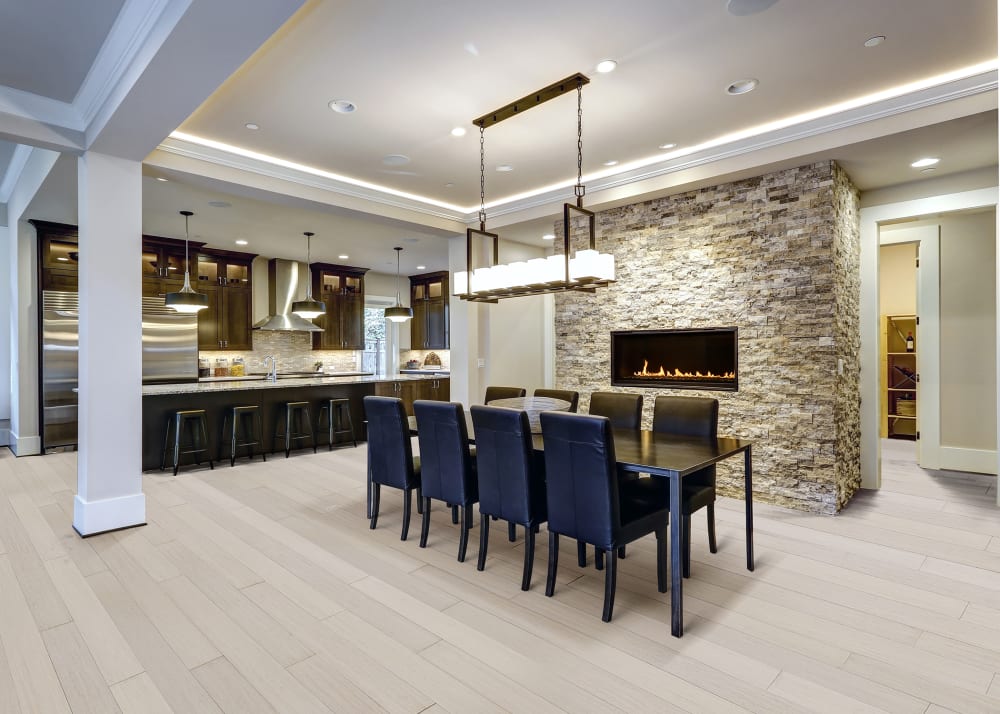
The Ultimate Guide To Wide Plank Flooring

Flooring 101: Choosing the Right Width for your Wood Floor
Related Posts: