When I first considered grey marble floor tiles for my master bathroom renovation three years ago, I was both excited and terrified. The images I’d seen in design magazines looked stunning, but I worried about maintenance, cost, and whether I could pull off such a luxurious look in my modest home. After living with my Carrara grey marble floors for over three years now, I can share that while the journey had its challenges, the results exceeded my expectations and transformed not just my bathroom, but how I feel about my entire home.
Choosing the Perfect Grey Marble Variety
Selecting the right type of grey marble became an overwhelming process until I learned to focus on the specific characteristics that mattered for my space. Carrara marble, with its soft white background and delicate grey veining, created the serene spa-like atmosphere I craved in my master bathroom. The subtle movement in the stone felt calming rather than busy, making it perfect for a relaxation space.
Calacatta marble offered more dramatic veining patterns that initially caught my eye, but I realized the bold white and grey contrasts might feel too intense in my smaller bathroom. When I held samples against my existing fixtures and lighting, Carrara’s gentler patterns complemented everything beautifully. The consistent grey tones worked harmoniously with both my chrome fixtures and the soft grey paint I’d chosen for the walls.
Statuario marble presented another gorgeous option with its striking white background and prominent grey veining, but the premium price pushed it beyond my renovation budget. I learned that each marble variety has unique characteristics in terms of veining intensity, background color, and price point. Testing samples in my actual bathroom lighting helped me understand how each would look throughout different times of day.
Understanding Natural Stone Variations and Patterns
Living with natural grey marble taught me to appreciate the unique character that comes with genuine stone. Unlike manufactured materials, every tile displays slightly different veining patterns and color variations that create an organic, one-of-a-kind installation. I initially worried about consistency, but learned to embrace these natural differences as part of marble’s authentic beauty and charm.
The book-matching technique my installer suggested created stunning symmetrical patterns by placing tiles as mirror images of each other. This approach worked beautifully around my bathroom vanity, creating a sophisticated focal point that looks intentionally designed rather than randomly placed. The continuous veining flow across multiple tiles produces an almost custom, built-in appearance.
Random installation patterns offered a more casual, natural look that I chose for the larger floor areas. This approach prevents repetitive patterns while showcasing the stone’s natural variations. I learned to lay out tiles before installation, rearranging them until the color and veining distribution looked balanced throughout the space. This extra planning time proved essential for achieving professional-looking results.

Installation Challenges I Wish I’d Known About
Preparing for marble tile installation required more extensive subfloor work than I anticipated. My contractor emphasized that any movement or flex in the subfloor could crack the marble tiles over time. We added additional plywood underlayment and ensured the surface was perfectly level, which added time and cost but prevented future problems with my investment.
The weight of marble tiles surprised me and required structural considerations I hadn’t expected. My bathroom’s existing floor joists needed reinforcement to properly support the additional load, especially in my second-floor installation. This structural work added significantly to my timeline and budget, but my contractor assured me it was essential for long-term success and safety.
Working with natural stone demanded specialized tools and techniques that made professional installation worthwhile for me. The diamond wet saw needed for clean cuts, specialized adhesives for natural stone, and precise leveling systems exceeded my DIY comfort zone. My installer’s expertise in handling the brittle nature of marble and achieving perfectly aligned joints justified the professional installation cost.
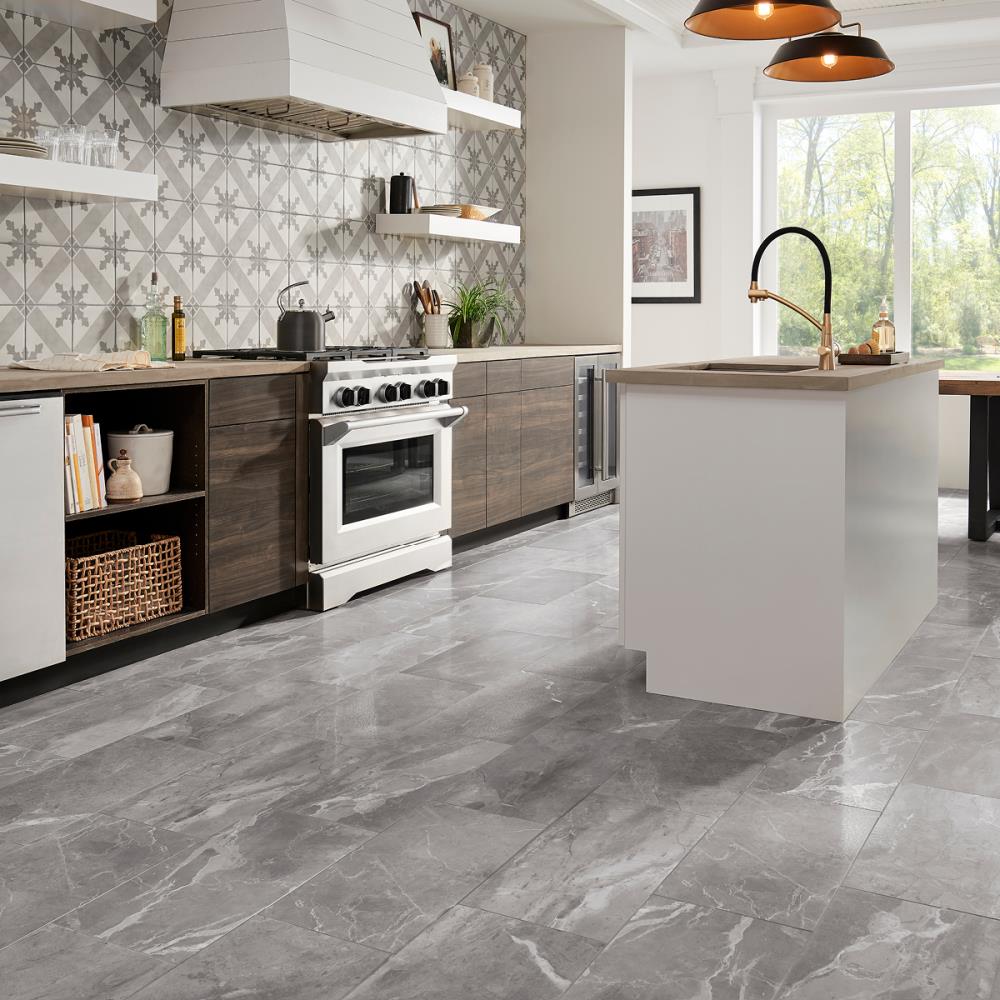
Sealing and Protection: Lessons from Real Life
Sealing my grey marble tiles immediately after installation became crucial for long-term performance and appearance. I learned that marble is naturally porous and absorbs liquids quickly, leading to stains if not properly protected. My installer applied a penetrating sealer that soaked into the stone, creating an invisible barrier against water and oil-based stains.
Regular resealing every 12-18 months has become part of my maintenance routine, and I’ve found it’s much easier than I initially feared. I use a high-quality penetrating sealer specifically designed for marble, applying it with a microfiber cloth and wiping away excess after the recommended dwell time. The process takes about an hour for my bathroom and provides peace of mind against accidental spills.
Testing the seal’s effectiveness using water droplets helps me determine when resealing is needed. When water beads up and rolls off the surface, the seal is still working. When water absorbs quickly into the stone, it’s time for reapplication. I’ve learned that high-traffic areas like shower floors may need more frequent sealing than walls or decorative areas.

Daily Maintenance and Care Reality Check
My daily cleaning routine with grey marble has become surprisingly simple once I established the right products and techniques. I use pH-neutral stone cleaner daily, avoiding acidic products like vinegar or lemon-based cleaners that can etch and dull the marble surface. A microfiber cloth and spray bottle make quick work of water spots and soap residue.
Dealing with etching from acidic substances taught me the importance of immediate cleanup. When I accidentally spilled wine on my marble floor, quick action prevented staining, but I still needed professional polishing to remove the slight etching. I now keep marble polishing powder on hand for minor touch-ups, though major restoration requires professional attention.
Preventing scratches and wear became easier once I understood marble’s relative softness compared to other natural stones. I placed bath mats strategically to protect high-traffic areas and avoid dragging sharp objects across the surface. These simple precautions have kept my marble looking beautiful with minimal wear after three years of daily use.

Cost Analysis and Long-Term Value
The initial investment in grey marble floor tiles felt substantial at roughly $8-12 per square foot for the material alone, not including installation costs. However, when I calculated the cost per year over the expected 50+ year lifespan of properly maintained marble, the value proposition became much more attractive than initially apparent.
Professional installation added approximately $8-10 per square foot to my project cost, but the expertise proved invaluable for achieving the flawless results I wanted. The specialized tools, knowledge of natural stone characteristics, and warranty coverage provided by professional installation justified the expense for such a significant home investment.
Long-term value considerations extend beyond just durability to include the increased home value that quality marble installation provides. Real estate professionals have confirmed that natural stone flooring, particularly in bathrooms, significantly increases property value and buyer appeal. The timeless beauty of grey marble suggests this investment will continue appreciating rather than becoming outdated like some trendy materials.

How do grey marble tiles handle moisture and humidity in bathroom environments?
My sealed marble handles bathroom moisture very well with proper ventilation. The key is maintaining the protective seal and ensuring good air circulation. I run my bathroom fan during and after showers, and the sealed marble shows no signs of water damage or discoloration after three years. Proper installation with appropriate waterproofing behind shower areas is essential.
Is marble flooring slippery when wet, especially in shower areas?
Polished marble can be slippery when wet, which I address with textured bath mats and careful foot placement. For shower floors, I chose honed marble with a matte finish that provides better traction than polished surfaces. The slight texture doesn’t compromise the beauty but significantly improves safety, especially important for family bathrooms.

How often does marble need professional cleaning or restoration?
I have my marble professionally cleaned and polished annually, though this might be excessive for some households. The professional service removes soap buildup and restores the shine that daily cleaning can’t achieve. For homes with lighter use, every 2-3 years might suffice, but the cost is reasonable compared to the improved appearance.
Can marble tiles crack or chip, and how do you prevent damage?
Marble can chip or crack if subjected to heavy impact, but proper installation over a solid substrate prevents most issues. I’ve had no cracks in three years with normal use. Avoiding dropping heavy objects and using bath mats for protection helps prevent damage. Small chips can be professionally repaired, often invisibly.

What’s the biggest maintenance mistake people make with marble floors?
Using acidic cleaners is the most common mistake I see friends make. Products containing vinegar, lemon, or harsh chemicals can permanently etch marble, creating dull spots that require professional restoration. I learned this lesson early and now only use pH-neutral stone cleaners specifically designed for natural stone surfaces.
Is the investment in natural marble worth it compared to marble-look alternatives?
For me, absolutely. The authentic beauty, cool feel underfoot, and long-term value justify the higher cost and maintenance requirements. Porcelain alternatives look good but lack marble’s natural character and luxury feel. The knowledge that I have genuine natural stone adds satisfaction that synthetic materials can’t replicate, making every day feel special.
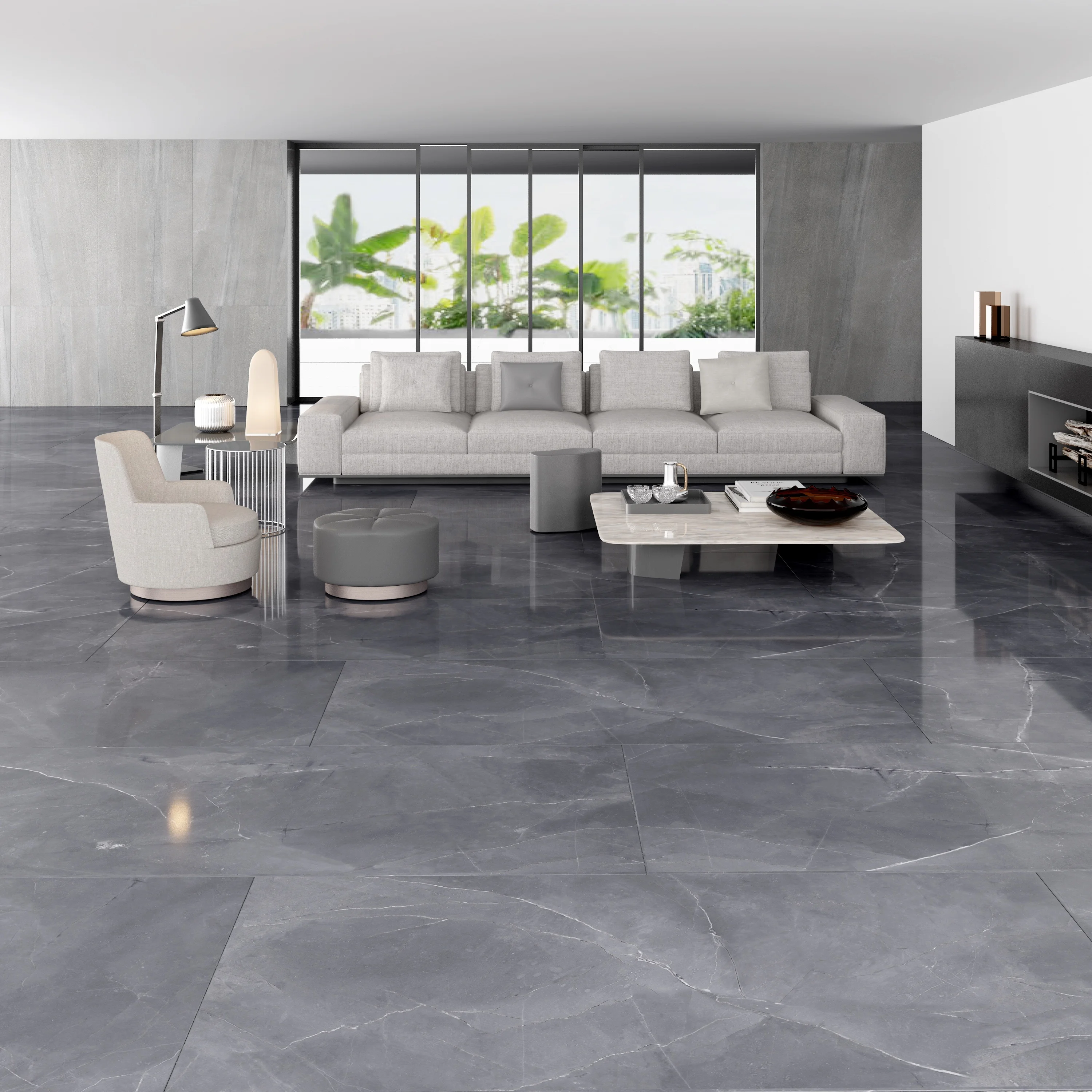
Dark Grey Breccia Marble Flooring
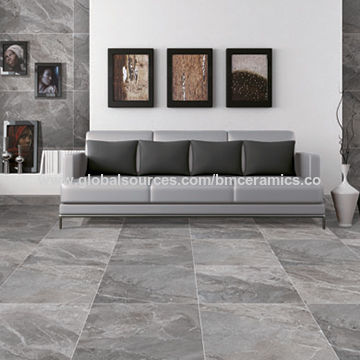
Grey marble tile floor kitchen

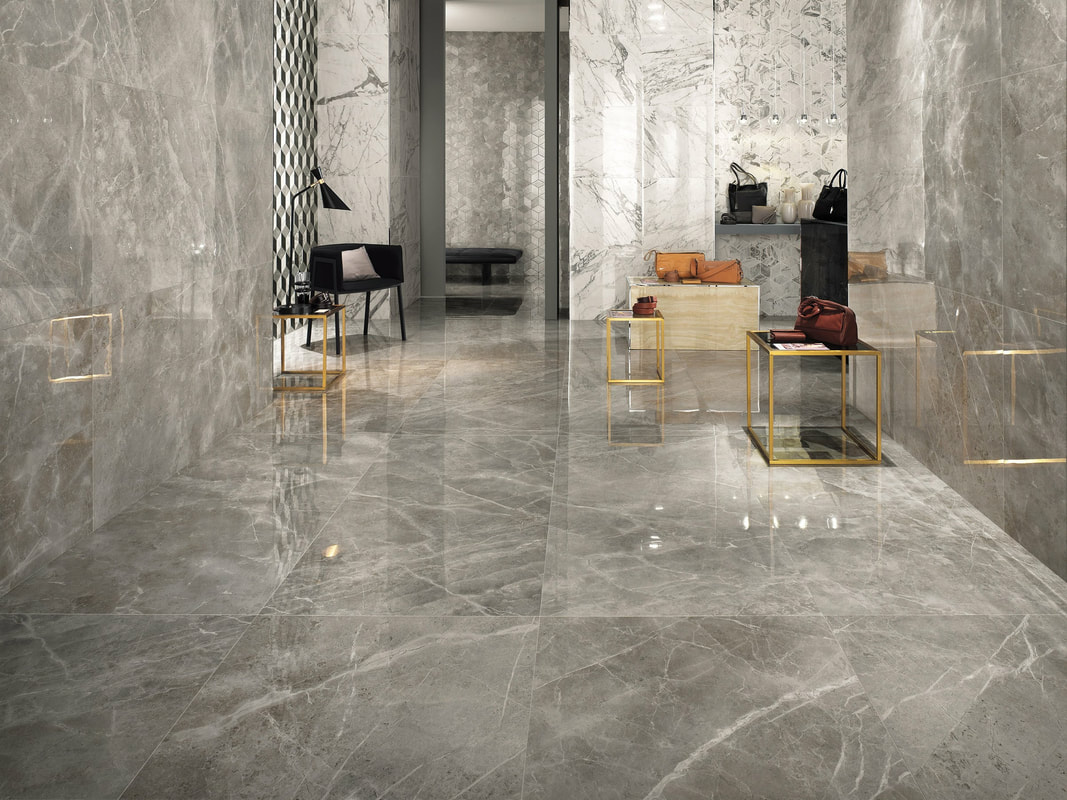
Grey Marble with White Vein Porcelain Tile – GOLD COAST TILE
Related Posts: