When I first walked into my house five years ago, the dated ceramic tile entrance made me cringe every time I came home. I dreamed of a stunning marble floor that would create a grand first impression, but frankly, I was terrified of the maintenance horror stories I’d heard. After extensive research and living with my gorgeous Carrara marble entrance for three years now, I can tell you that while it’s been a learning experience, it’s also been one of my favorite home upgrades. The elegance it brings to my daily routine and the wow factor for guests has been absolutely worth the extra care it requires. Let me share the real story of what it’s like to live with marble floors in your entrance.
Choosing the Right Marble Type for High-Traffic Areas
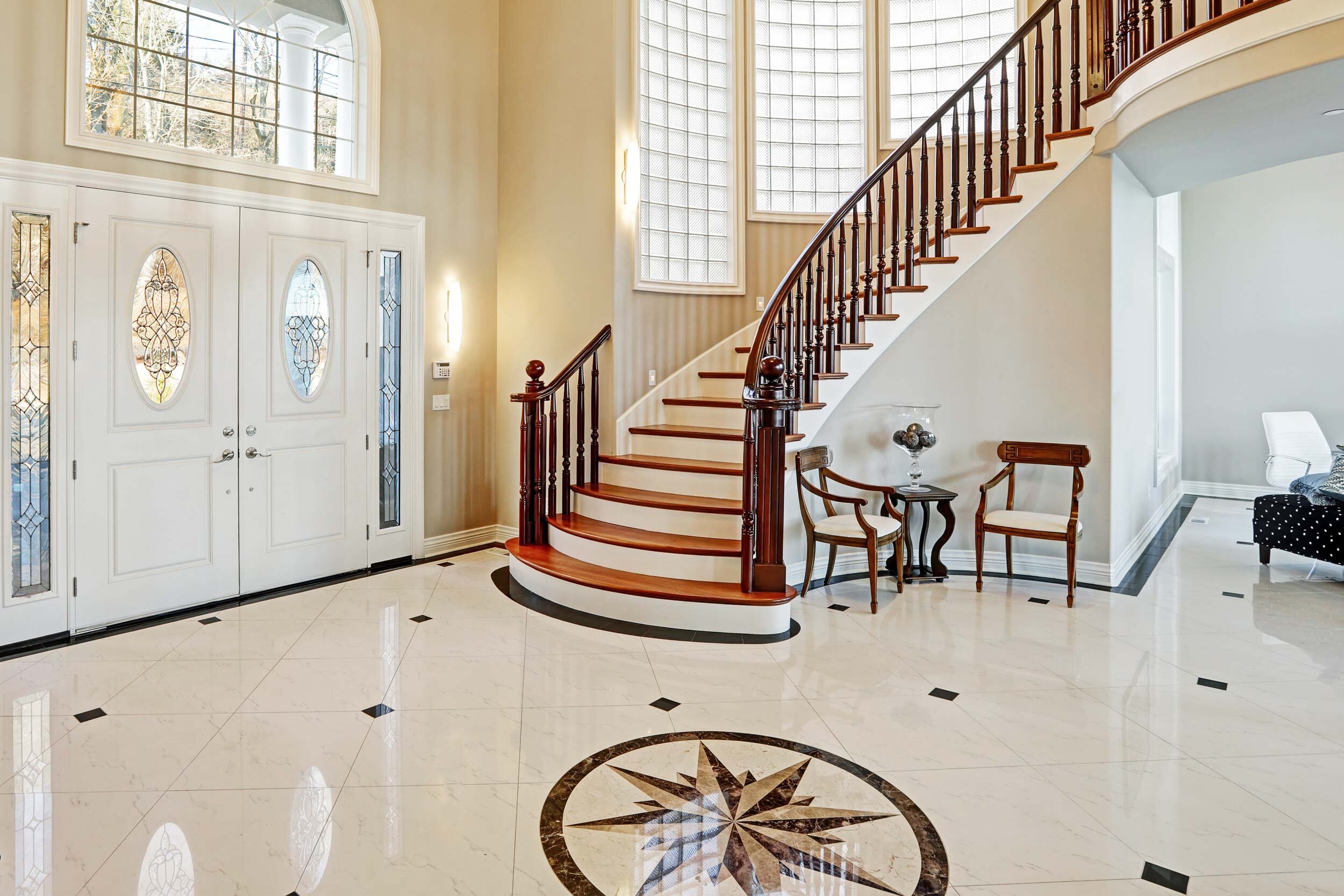
My marble selection journey began with falling in love with Carrara marble’s classic white background and soft gray veining, but my contractor quickly educated me about the durability differences between marble types. Carrara, while beautiful, is relatively soft and more prone to etching from acidic substances. I ultimately chose Calacatta marble for its slightly denser composition and more dramatic veining, which helps disguise minor wear and imperfections that develop over time in busy entrance areas.
The finish selection proved just as important as the marble type itself. I initially wanted a high-polish finish for maximum elegance, but my installer convinced me to consider honed marble instead. The matte finish provides better slip resistance when wet, crucial for an entrance where people track in rain and snow. I’ve been grateful for this choice countless times during harsh weather, as guests can walk safely without worrying about slipping on polished stone.
Marble thickness became a consideration I hadn’t anticipated. Standard 3/8 inch thickness works for most residential applications, but my contractor recommended 1/2 inch thickness for the high-traffic entrance area. The extra thickness provides better durability and a more substantial feel underfoot. While it increased costs, the investment has paid off in both performance and the luxurious sound the thicker stone makes when walking across it in heels.
Installation Challenges and Professional Requirements
The installation process taught me why marble flooring requires true professionals rather than general contractors. The substrate preparation was far more extensive than I expected, requiring a perfectly level and stable base to prevent cracking from movement. My installer spent two full days just preparing the subfloor, adding additional support, and creating the ideal foundation for the heavy natural stone that would sit on top.
Template creation and precision cutting became crucial steps that separated this project from standard tile work. Each piece was measured and cut to fit exactly, with no room for erro,r given marble’s cost and the difficulty of obtaining matching pieces later. I watched my installer create cardboard templates for every piece, then transfer those measurements to cut the marble off-site. This process took much longer than standard tile installation but ensured perfect fits.
The actual installation required specialized tools and techniques I’d never seen before. Diamond blade wet saws, heavy-duty lifting equipment, and precision leveling systems were all necessary for proper installation. My installer also used a special adhesive designed specifically for natural stone that wouldn’t cause staining or discoloration over time. The attention to detail during installation has been crucial for the floor’s long-term performance and appearance.
Daily Maintenance Routines and Cleaning Strategies
Living with marble entrance flooring required me to completely rethink my cleaning approach. I learned that standard household cleaners containing acids or harsh chemicals can permanently damage marble surfaces. I now use only pH-neutral stone cleaners and have educated my family about avoiding products like vinegar, lemon juice, or typical bathroom cleaners anywhere near the marble floors.
My daily routine involves dry mopping each morning to remove any grit or debris that could scratch the surface when walked on. I keep a microfiber dust mop specifically for this purpose near the entrance, making the daily sweep a quick 30-second task. Weekly deep cleaning uses a stone-specific cleaner applied with a damp mop, followed by thorough drying to prevent water spots from forming on the surface.
Spill management became second nature once I understood marble’s vulnerability to acidic substances. I keep stone-safe cleaning supplies readily accessible and address any spills immediately, particularly anything containing citrus, wine, or other acidic ingredients. The honed finish helps hide minor etching better than polished marble would, but prevention remains the best strategy for maintaining the floor’s pristine appearance over time.

Dealing with Weather-Related Challenges
Winter weather presented my biggest learning curve with marble entrance floors. Salt and ice-melting chemicals can cause permanent damage to marble, so I installed high-quality entrance mats both outside and inside the door. I also switched to pet and plant-safe ice melters to protect both the marble and my landscaping, accepting the higher cost as a necessary maintenance expense.
Water management during rainy seasons required strategic planning I hadn’t initially considered. While marble handles water well when properly sealed, standing water can leave mineral deposits and water spots. I added a decorative umbrella stand and extra absorbent mats during wet weather, creating a system that protects the floor while maintaining the elegant aesthetic I wanted.
The seasonal expansion and contraction of the house affects marble differently than other flooring materials. I’ve learned to watch for any signs of movement in the stone and address issues promptly. Annual inspections by my stone professional have caught minor issues before they became major problems, making the preventive maintenance investment worthwhile for protecting this significant upgrade.
Sealing and Long-Term Protection Strategies
Understanding marble sealing became crucial for maintaining my entrance floor’s appearance and durability. I learned that all marble is porous to some degree and requires regular sealing to prevent staining and damage. My installer applied an initial penetrating sealer, and I now have the floors professionally resealed every 12-18 months, depending on traffic and wear patterns.
The sealing process itself is more involved than I initially realized. The marble must be completely clean and dry, and the sealer needs a proper cure time before normal use can resume. I schedule sealing during low-traffic periods and plan to stay off the floor for 24-48 hours, depending on the product used. This inconvenience is minor compared to the protection it provides.
I perform monthly water tests to monitor the sealer’s effectiveness by placing drops of water on the surface and timing how long they take to absorb. When water begins absorbing in under 30 minutes, it’s time to reseal. This simple test has helped me stay ahead of protection needs and prevent staining that could require expensive restoration work.
Addressing Etching, Stains, and Damage
My first etching incident taught me valuable lessons about marble care and repair. A small wine spill I didn’t notice immediately left a dull spot that no amount of cleaning could remove. I learned that etching occurs when acids dissolve the marble surface, creating permanent damage that requires professional restoration. Having a relationship with a stone restoration professional became essential for addressing these inevitable issues.
Minor etching can often be addressed with marble polishing powder and careful buffing, a skill I’ve developed for small incidents. For larger areas or deep etching, professional restoration involving grinding and repolishing is necessary. While these services are expensive, they can restore marble to its original beauty when performed correctly by experienced technicians.
Stain prevention and treatment required learning to distinguish between etching and actual staining. True stains penetrate the marble and may require poulticing techniques to draw out the discoloration. I keep marble poulticing powder on hand for treating organic stains like coffee or food spills. Understanding these differences has saved money on unnecessary professional calls while ensuring proper treatment for serious issues.

How much does marble entrance flooring typically cost including installation?
My Calacatta marble entrance cost about $25 per square foot, including installation for a 60-square-foot area. Premium marbles like Statuario can cost $40+ per square foot, while Carrara might be $15-20. Professional installation adds $8-12 per square foot. The total investment was significant, but the daily enjoyment and home value increase justify the cost.
Is marble entrance flooring slippery and dangerous when wet?
A: Polished marble can be very slippery when wet, but I chose honed marble specifically for better traction. Combined with quality entrance mats inside and outside, slip hazards are minimal. The key is proper finish selection and good mat systems. I’ve never had safety issues even during harsh winter weather, with proper precautions.
How often does marble flooring need professional maintenance?
I have professional sealing done every 12-18 months and restoration work as needed for etching or stains. Annual inspections help catch issues early. Daily and weekly cleaning, I handle myself with proper products. The professional maintenance costs about $200 annually for my entrance area, which is reasonable for preserving this investment.
Can marble entrance floors handle heavy foot traffic and furniture?
Yes, with proper care. My entrance sees daily family traffic plus guests, and the marble has held up beautifully after three years. I use furniture pads religiously and avoid dragging heavy items across the surface. The thicker marble I chose provides excellent durability for residential use. Commercial-grade traffic might require different considerations.

What happens if marble gets severely damaged or stained?
Professional restoration can address most damage through grinding, honing, and repolishing processes. I’ve had minor etching successfully repaired this way. Severely cracked pieces may need replacement, which is expensive but possible since I kept extra marble from the original installation. Prevention remains much more cost-effective than restoration.
Is marble entrance flooring worth the maintenance requirements?
Absolutely! The daily beauty, luxury feel, and wow factor for guests outweigh the extra care required. Once you establish proper cleaning routines and understand marble’s needs, maintenance becomes routine. The elegance it brings to my home’s entrance makes every homecoming feel special. I’d make the same choice again without hesitation.

Marble Floor Entryway Ideas
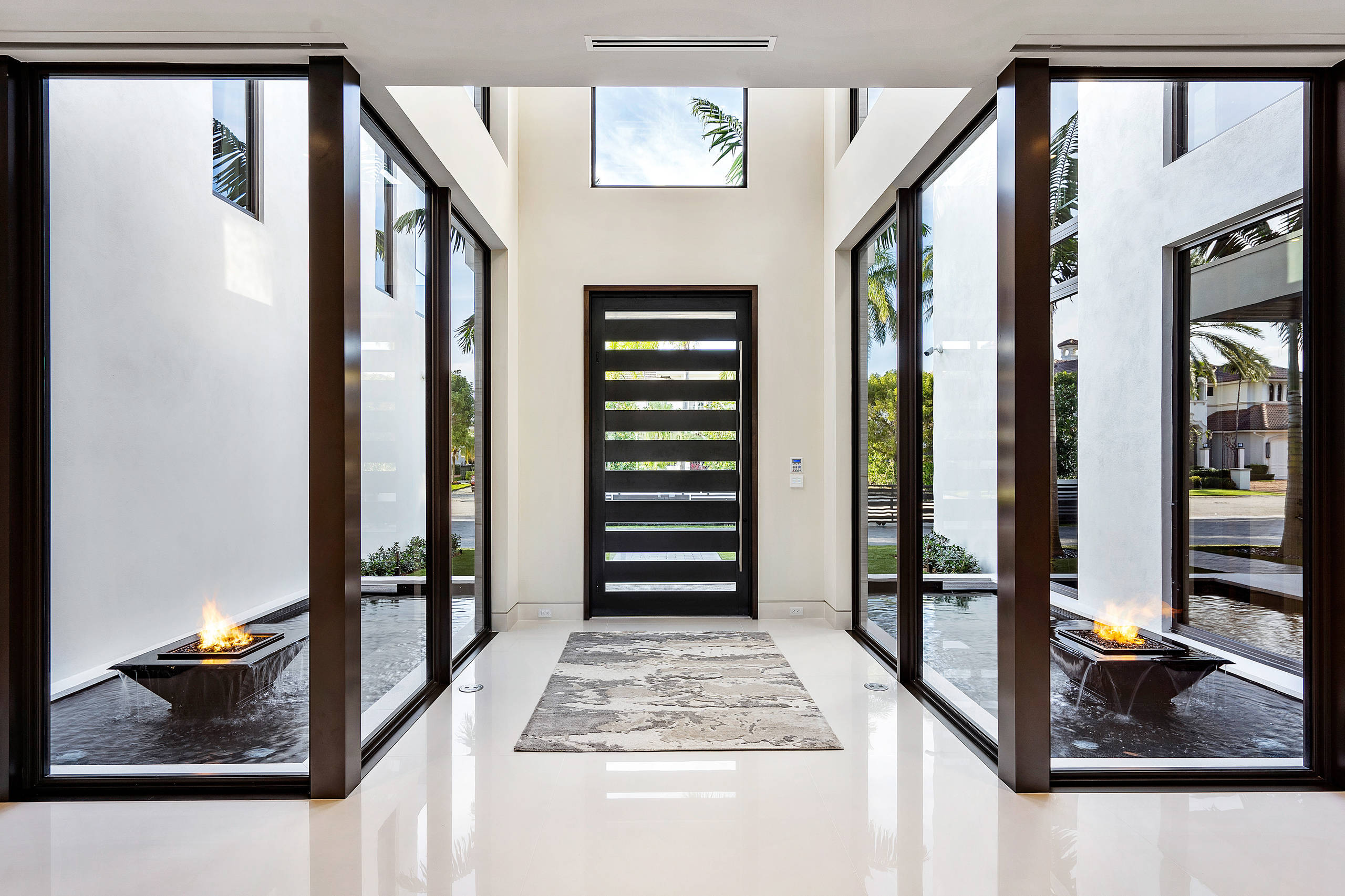
The entrance leads to smooth marble floors

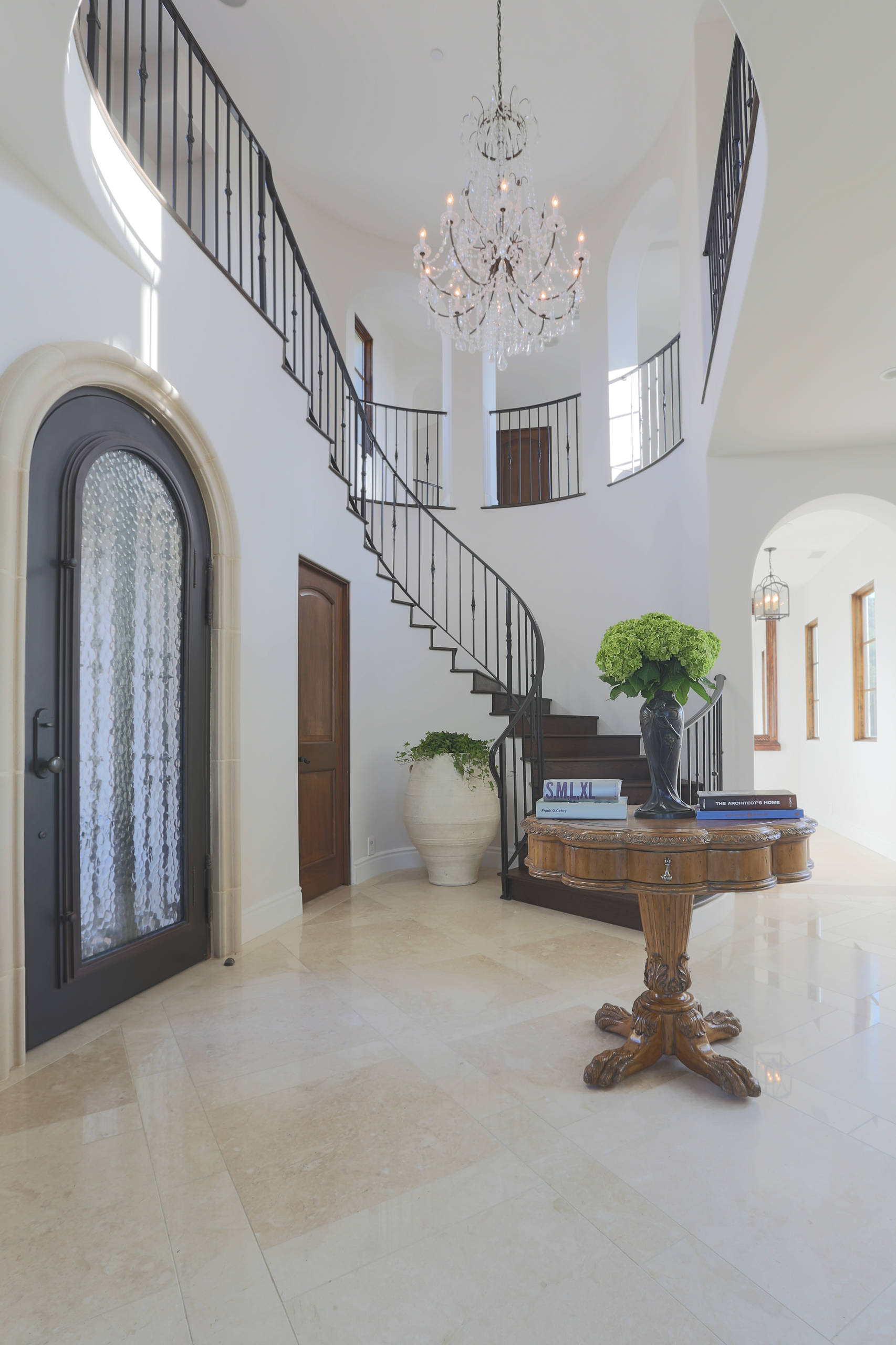
Country Estate by U31 Design Luxury marble

custom marble floor entrance
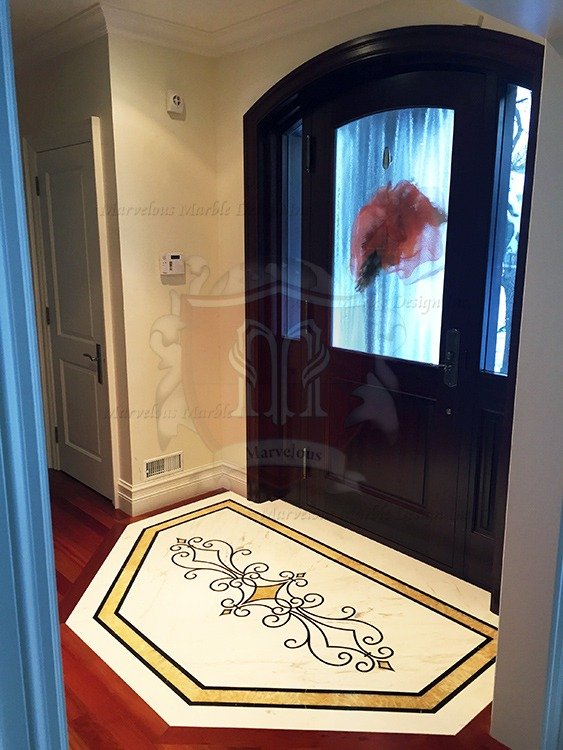
Marble Floor Entryway Ideas
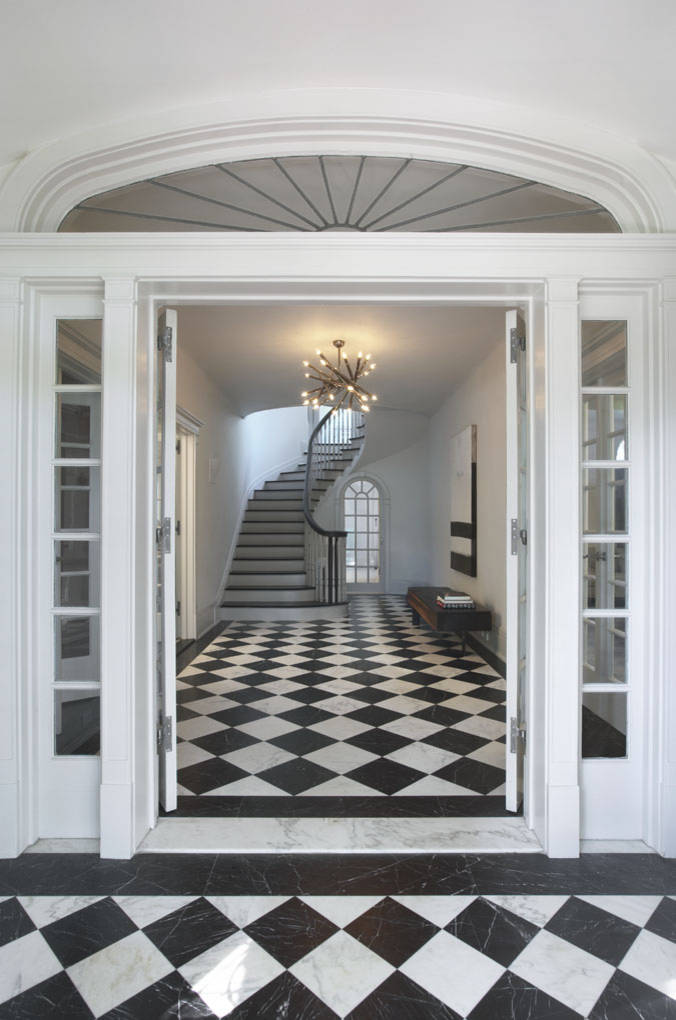
Marble Floor Entryway
Related Posts: