When I first walked into that Italian villa years ago, I was completely mesmerized by the warm, golden glow of the yellow marble floors beneath my feet. The way the natural veining caught the morning sunlight streaming through the windows created an atmosphere of luxurious warmth that I knew I had to recreate in my own home. After extensive research and my own renovation experience, I’ve learned that yellow marble tiles can transform any space into something truly spectacular, though the journey comes with its own unique considerations and rewards.
Choosing the Right Yellow Marble: My Color Discovery Process
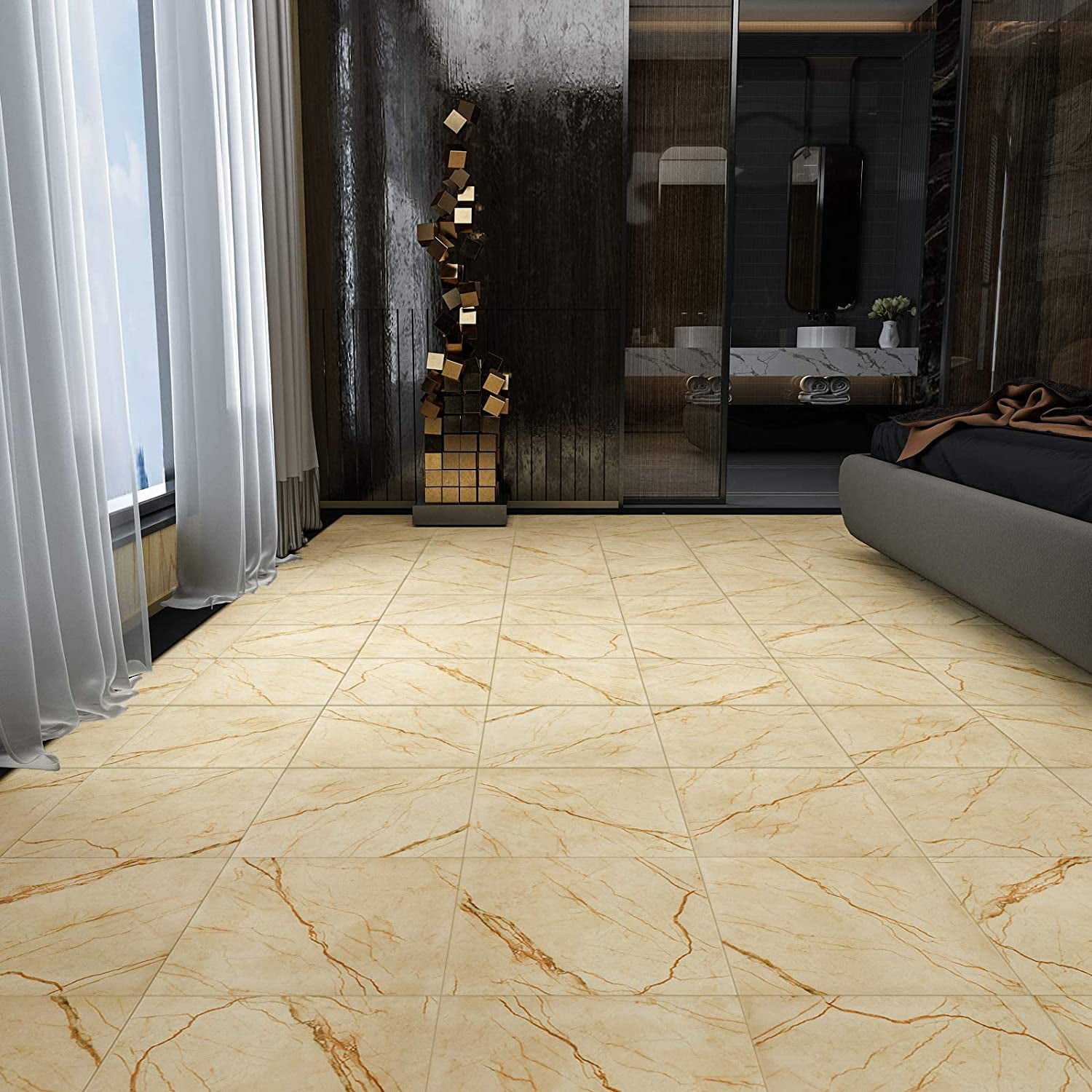
My search for the perfect yellow marble took me through countless showrooms and samples. I discovered that “yellow” marble actually encompasses an incredible spectrum, from the subtle buttery tones of Crema Marfil to the bold golden hues of Siena marble. During my selection process, I learned that the intensity of color can vary dramatically even within the same slab, which initially worried me but ultimately became one of my favorite characteristics.
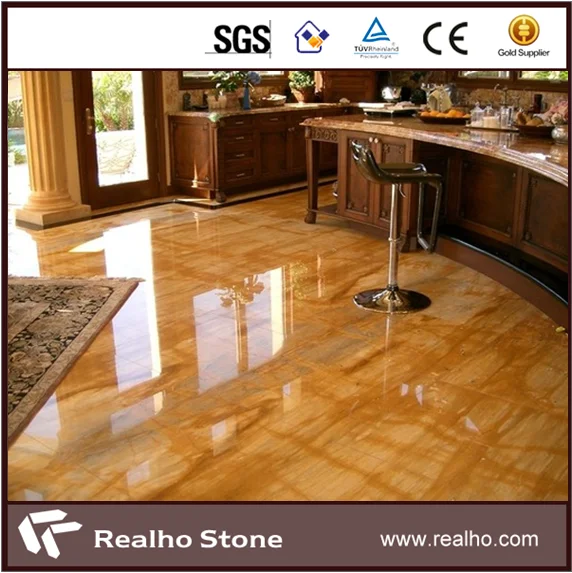
I spent hours studying different marble varieties under various lighting conditions in my home. What looked perfect under showroom lights sometimes appeared completely different in my kitchen’s natural light. The Giallo Antico I eventually chose had these gorgeous honey undertones that seemed to shift throughout the day, creating an almost living quality to my floors that never fails to captivate visitors.
The veining patterns became another crucial consideration during my selection process. Some yellow marbles feature dramatic white or gray veining, while others showcase more subtle, flowing patterns. I opted for moderate veining because I wanted character without overwhelming my furniture and decor. Looking back, this decision proved perfect for creating a sophisticated foundation that complements rather than competes with my interior design choices.
Installation Challenges I Faced and Overcame
Installing yellow marble tiles presented unique challenges that I hadn’t anticipated during my planning phase. The natural stone’s weight required additional subfloor reinforcement, which added unexpected costs and timeline extensions to my project. My contractor emphasized the importance of proper structural support, and I’m grateful we took this step seriously because it prevented potential cracking and settling issues later.
Temperature control during installation became another critical factor I learned about the hard way. Yellow marble expands and contracts with temperature changes, so my installer recommended maintaining consistent room temperature throughout the process. We also had to be extremely careful about the adhesive selection, choosing one specifically formulated for natural stone to prevent discoloration or bonding failures.
The cutting and fitting process required incredible precision, especially around fixtures and corners. I watched my installer work with specialized diamond blades, taking extreme care to prevent chipping or cracking. Each piece had to be evaluated individually for grain direction and pattern matching, which meant the installation took longer than anticipated but resulted in a seamless, professional appearance that exceeded my expectations.
Maintenance Secrets I’ve Learned Over the Years
Living with yellow marble floors for several years has taught me invaluable maintenance lessons that I wish I’d known from the beginning. Daily care involves simple dry mopping or sweeping to remove grit and debris that could scratch the surface. I learned early on that traditional cleaners can actually damage marble, so I invested in pH-neutral stone cleaners that preserve the natural beauty without causing etching or dulling.
Sealing became my most important maintenance ritual, though I initially underestimated its significance. I now seal my floors every 12-18 months using a high-quality impregnating sealer that penetrates the stone without changing its appearance. This process has saved me from numerous potential stains and makes daily cleanup much easier. I always test new sealers on a small, inconspicuous area first to ensure compatibility.
Dealing with spills quickly has become second nature in my household. Acidic substances like wine, citrus, or vinegar can cause permanent etching if left on the surface, so I keep absorbent cloths readily available and immediately blot, never wipe, any spills. For stubborn stains, I’ve found that making a paste with baking soda and water, leaving it overnight, then gently cleaning it away works wonders without damaging the stone.

Design Integration: Making Yellow Marble Work in Modern Spaces
Integrating yellow marble tiles into contemporary design schemes required careful consideration of color palettes and complementary materials. I discovered that yellow marble pairs beautifully with cool blues and grays, creating a sophisticated contrast that prevents the space from feeling too warm or overwhelming. My designer helped me understand that the key is balancing the marble’s inherent warmth with cooler accent colors and textures.
Lighting design became crucial for showcasing the marble’s natural beauty throughout different times of day. I installed both warm and cool LED options with dimming capabilities, allowing me to adjust the ambiance while highlighting the stone’s unique characteristics. Under-cabinet lighting in my kitchen creates dramatic shadows that emphasize the natural veining patterns, while pendant lights provide focused illumination for task areas.
Furniture selection took on new importance with yellow marble floors as the foundation. I learned that darker wood tones and black accents create stunning contrast, while lighter woods can sometimes blend too much with certain yellow marble varieties. Metal finishes like brass and bronze complement the warm tones naturally, while chrome and stainless steel provide contemporary contrast that keeps the space feeling fresh and current.

Cost Considerations and Budgeting Reality
The financial investment in yellow marble flooring was substantial, but I’ve found the long-term value justifies the initial expense. Beyond the material costs, which can range from moderate to very expensive depending on the specific variety and origin, I had to budget for specialized installation, additional subfloor preparation, and premium underlayment materials that ensure proper support and longevity.
Professional installation costs were higher than I initially expected, but attempting DIY installation would have been a costly mistake. The specialized tools, techniques, and experience required for proper marble installation are worth every penny of professional fees. I also learned to budget for waste, as natural stone often requires 10-15% extra material to account for cutting, matching, and potential breakage during installation.
Long-term maintenance costs should factor into any marble flooring budget. While daily care is relatively inexpensive, periodic professional cleaning, sealing, and potential restoration services add up over time. However, when I consider the durability and timeless appeal of my yellow marble floors, these ongoing costs feel reasonable compared to the replacement costs of other flooring materials that don’t offer the same longevity and elegance.
Living with Yellow Marble: Daily Life Reality Check
After years of living with yellow marble floors, I can honestly say they’ve exceeded my expectations for both beauty and practicality. The thermal mass of the stone helps regulate room temperature naturally, keeping spaces cooler in summer and retaining warmth in winter. This characteristic has actually contributed to energy savings that I hadn’t anticipated when making my initial investment decision.
Durability has been impressive, though I’ve learned to use furniture pads and area rugs in high-traffic zones to prevent scratching from chairs and foot traffic. My marble has developed a subtle patina over time that actually enhances its character rather than detracting from its appearance. Small scratches and wear marks seem to blend naturally with the stone’s inherent variations and veining patterns.
The acoustic properties of marble create a more formal atmosphere that I love, though it does amplify sound more than carpet or wood flooring. I’ve strategically placed area rugs and soft furnishings to manage sound levels while preserving the marble’s visual impact. The combination of hard surfaces with carefully chosen soft elements has created a sophisticated balance that works beautifully for both everyday living and entertaining guests.

How do I know if yellow marble is right for my home’s style?
I found that yellow marble works surprisingly well with various design styles, from traditional to contemporary. The key is considering your existing color palette and lighting. If you love warm tones and want flooring that makes a statement while remaining timeless, yellow marble could be perfect. I’d recommend getting samples and living with them in your space for a few days under different lighting conditions.
What’s the biggest maintenance challenge with yellow marble floors?
The biggest challenge I’ve encountered is preventing etching from acidic substances. Unlike other flooring types, marble requires immediate attention to spills and specific cleaning products. However, once you develop good habits and keep the right supplies on hand, daily maintenance becomes quite manageable. The key is education and preparation rather than reactive cleaning.

How does yellow marble handle high-traffic areas in real life?
My high-traffic areas have held up remarkably well over several years. While marble will show wear eventually, the natural variations help disguise minor scratches and scuffs. I use entrance mats and furniture pads religiously, which have preserved the marble’s appearance. Professional restoration can address any significant wear, making it a long-term investment rather than a replacement concern.
Is professional installation necessary for marble tiles?
Based on my research and consultation experience, professional installation is essential for marble flooring. The weight requirements, specialized tools, cutting techniques, and knowledge of proper adhesives and sealing make this a job for experts. I considered DIY initially, but realized the risk of costly mistakes far outweighed potential savings. Professional installation ensures longevity and prevents expensive problems later.

How do yellow marble floors affect home resale value?
In my experience and research, quality marble flooring generally adds significant value to homes. Yellow marble, being less common than white or gray varieties, can be a distinctive selling point that sets your home apart. However, the impact depends on your local market and target buyers. I’d recommend consulting with local real estate professionals to understand how luxury flooring is perceived in your specific area.
What’s the realistic lifespan of yellow marble flooring?
With proper care and maintenance, marble flooring can literally last generations. My research revealed marble floors in historic buildings that remain beautiful after centuries. While residential use is different, you can expect decades of beauty with regular sealing, appropriate cleaning, and occasional professional restoration. The initial investment becomes quite reasonable when considered over such a long timeframe.
Yellow French Gold & designer furniture

Yellow Marble Look Sitting Room Wear Resistant Polished Glazed Porcelain Floor Tile

Iran Yellow Marble Tiles, Iranian Yellow Marble Floor and Wall

Texture Marble Tiles seamless

Marble Vinyl Floor Tiles Peel and Stick Yellow Marble Flooring Tile Self Adhesive Waterproof Floor Sticker Tile Decorative Covering

Related Posts: