When I walked into that stunning Italian villa during my European vacation three years ago, I knew I had to recreate the breathtaking marble floors in my own home. The way natural light danced across the Carrara marble’s veining and the cool, smooth surface beneath my feet created an atmosphere of understated luxury that I couldn’t forget. After months of research, budget planning, and working with skilled artisans, I transformed my entryway, living room, and master bathroom with genuine marble flooring. The investment was substantial, but every morning when I walk across these beautiful surfaces, I’m reminded that some design choices transcend trends and create lasting value. My marble floors have become the foundation of my home’s sophisticated aesthetic, and I’ve learned invaluable lessons about living with this magnificent natural material.
Selecting the Perfect Marble Type and Quality
My marble selection journey began with understanding the vast differences between marble varieties and their suitability for different applications. Carrara marble from Italy became my top choice due to its classic white background with soft gray veining, which works beautifully in both traditional and contemporary settings. I spent hours at stone yards examining slabs, learning that each piece is unique with its own character and pattern variations. The consistency of Carrara’s coloring made it ideal for large installations where uniformity is crucial.
Calacatta marble initially caught my eye with its dramatic white background and bold gold veining, but the significantly higher cost made me reconsider for extensive floor applications. I decided to use Calacatta selectively as accent pieces and borders while using Carrara for the main field tiles. This combination strategy allowed me to incorporate the luxury of Calacatta without exceeding my budget. The contrast between the two marbles creates visual interest and defines different areas within open floor plans.
Quality grading became crucial in determining long-term satisfaction with my marble investment. I learned that A-grade marble has minimal imperfections, consistent coloring, and superior durability compared to lower grades that might have cracks, stains, or weak spots. The price difference seemed significant initially, but considering the permanence of flooring installation, investing in premium-grade marble proved worthwhile. Lower-grade marble might save money upfront, but could require replacement or extensive repairs sooner.
Installation Challenges and Professional Requirements
Finding qualified marble installers required extensive research and reference checking since improper installation can ruin expensive materials. I interviewed multiple contractors and visited previous installations to assess their craftsmanship quality. The installer I chose had specific experience with natural stone and understood the unique requirements for marble handling, cutting, and setting. Their expertise prevented costly mistakes that could have damaged irreplaceable slabs or created long-term structural issues.
Subfloor preparation became more critical than I anticipated, requiring reinforcement to handle marble’s substantial weight. My contractor added additional floor joists and installed cement board underlayment to create a stable, rigid surface that prevents cracking from structural movement. The preparation work took longer and cost more than anticipated, but skipping these steps would have led to cracked tiles and a failed installation. Proper preparation is non-negotiable with natural stone flooring.
Template creation and layout planning required meticulous attention to detail since each marble slab is unique and irreplaceable. My installer created cardboard templates for complex cuts around fixtures and transitions, ensuring perfect fits before cutting expensive marble. We spent considerable time planning the layout to optimize the natural veining patterns and minimize waste from expensive slabs. This careful planning prevented costly errors and maximized the visual impact of the marble’s natural beauty.
Pattern Design and Layout Strategies
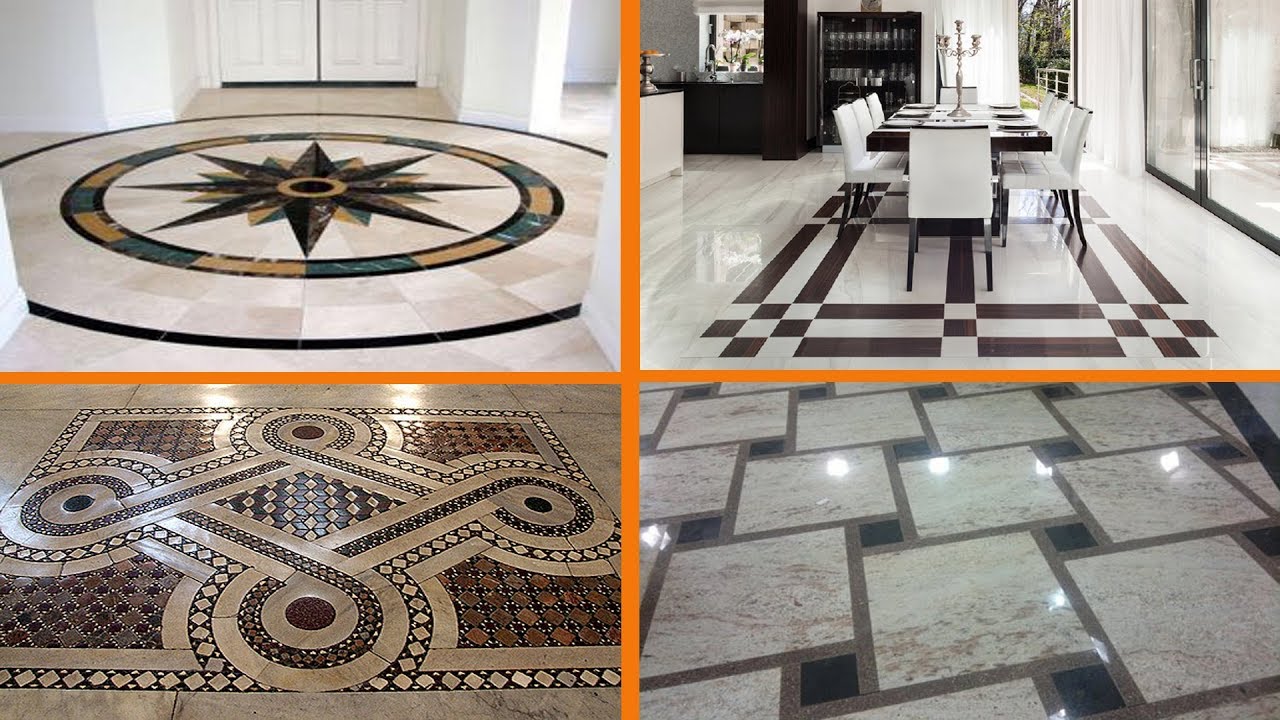
Classic running bond patterns provided timeless elegance that won’t look dated in decades to come. I chose 12×24 inch rectangles installed in a brick-like pattern that showcases the marble’s veining while creating visual flow throughout connected spaces. The horizontal orientation makes rooms appear larger and creates clean sight lines that enhance the marble’s natural beauty. This traditional pattern works beautifully with both contemporary and classical interior design styles.
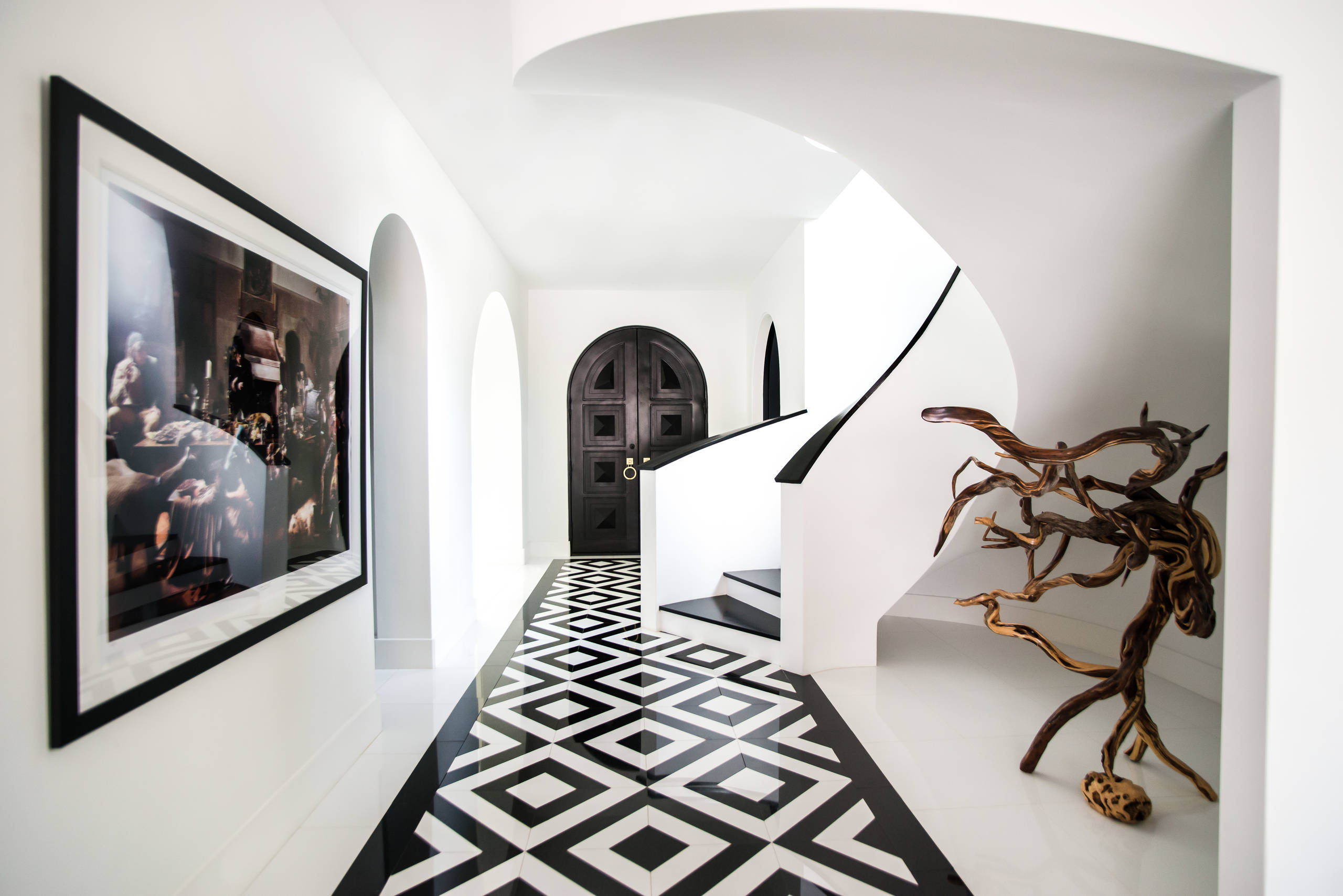
Herringbone installation became my choice for the entryway, creating a dramatic focal point that announces the home’s luxury aesthetic immediately upon entry. The V-shaped pattern adds sophisticated visual interest while maintaining the marble’s elegant character. Installation complexity increases significantly with herringbone patterns, requiring precise cutting and skilled craftsmanship, but the stunning results justify the additional cost and effort. This pattern works best in smaller areas where its intricacy can be fully appreciated.
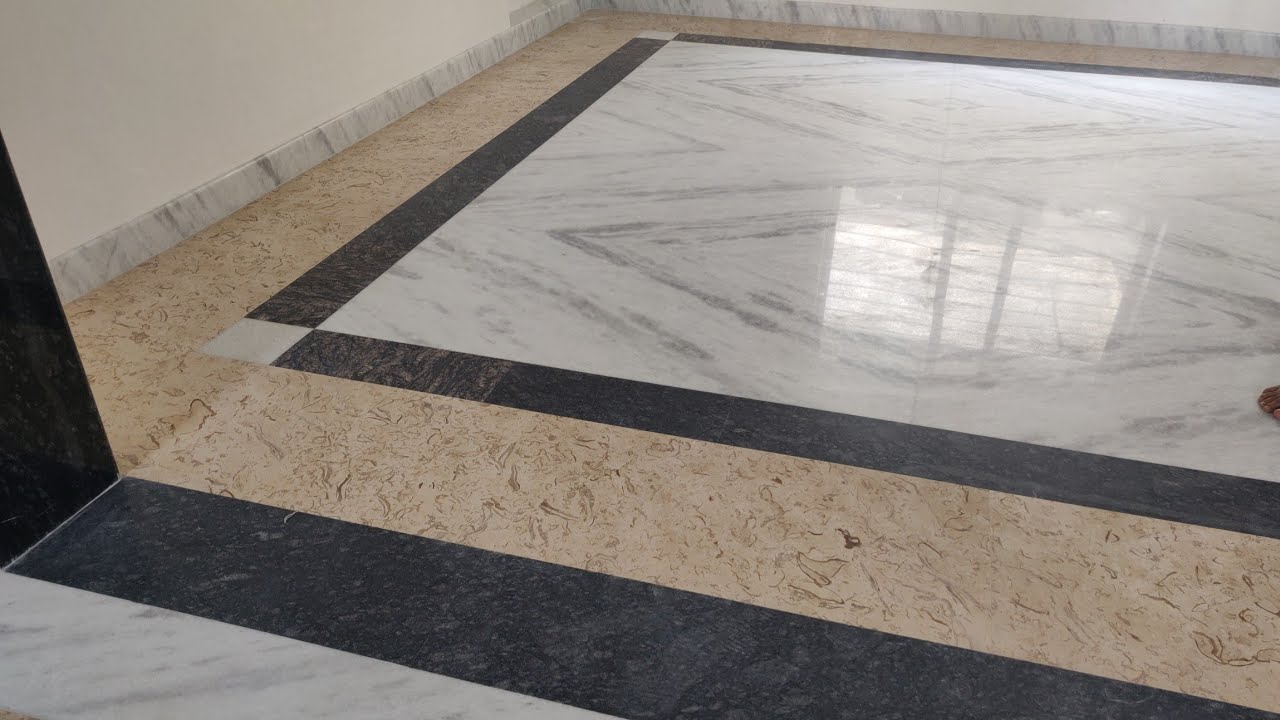
Border designs allowed me to incorporate contrasting marble types and create defined spaces within open floor plans. I used darker marble borders to frame lighter field tiles, creating elegant transitions between rooms and highlighting architectural features. The borders also solved practical problems like covering expansion joints and creating clean edges at doorways. Custom border work requires additional material and labor costs but adds personalized luxury that mass-produced patterns cannot achieve.

Maintenance Requirements and Care Protocols
Daily maintenance routines became essential for preserving marble’s beauty and preventing permanent damage from common household activities. I sweep or vacuum daily to remove abrasive particles that could scratch the polished surface. Spills require immediate attention since marble’s porous nature allows liquids to penetrate and stain permanently if left untreated. I keep specialized marble cleaners readily available and clean spills immediately with blotting rather than wiping motions that could spread stains.
Sealing schedules proved crucial for protecting marble from stains and etching caused by acidic substances. I have my floors professionally sealed every 12-18 months, depending on traffic and use patterns. The sealing process involves thorough cleaning, allowing complete drying, and applying penetrating sealers that protect against stains without altering the marble’s natural appearance. This regular maintenance investment protects my substantial flooring investment and maintains its pristine appearance.
Professional cleaning services provide deep maintenance that goes beyond daily care routines. I schedule professional marble cleaning annually to remove embedded dirt, restore polish, and address any minor damage before it becomes a major problems. These specialists have equipment and expertise that homeowners cannot replicate, including diamond polishing compounds and professional buffing machines. The cost is reasonable considering the protection it provides for expensive marble installations.

Cost Considerations and Budget Planning
Material costs for genuine marble flooring represent a significant investment that requires careful budget planning and realistic expectations. Premium Carrara marble costs $8-12 per square foot, while exotic varieties can exceed $20 per square foot for materials alone. I budgeted conservatively and added 15% extra for waste, breakage, and design changes during installation. The material costs are just the beginning; installation and preparation work often equal or exceed material expenses for complex marble projects.
Installation expenses reflect the specialized skills and time required for proper marble flooring installation. Professional installation typically costs $10-15 per square foot, depending on pattern complexity and site conditions. The subfloor preparation, template creation, and precision cutting required for marble work demand premium pricing from qualified contractors. Attempting to save money with inexperienced installers risks damaging expensive materials and creating long-term problems that cost more to repair than proper installation.
Long-term value considerations justify the substantial upfront investment in marble flooring for homeowners planning to stay long-term. Quality marble installations can last generations with proper care, while less expensive alternatives require periodic replacement. The timeless appeal and natural beauty of marble enhance property values significantly, often recovering much of the installation cost in increased home equity. When calculated over decades of enjoyment, marble flooring provides excellent value despite high initial costs.

Design Integration and Décor Coordination
Color coordination became essential for showcasing marble flooring effectively without creating overwhelming or competing elements. I chose neutral wall colors and furnishings that complement rather than compete with the marble’s natural variations and veining patterns. Warm whites, soft grays, and cream tones create sophisticated backdrops that allow the marble’s beauty to take center stage. Bold accent colors work beautifully against neutral marble backgrounds, providing flexibility for changing decorating preferences over time.
Lighting design significantly impacts marble flooring’s appearance and ambiance throughout different times of day. I installed layers of lighting including ambient, task, and accent options that highlight the marble’s natural translucency and veining patterns. Natural light brings out marble’s inherent beauty, so I maximized window exposure and chose window treatments that allow maximum light penetration. Proper lighting transforms marble from beautiful flooring into stunning architectural features.
Furniture selection required balancing proportions and materials to complement marble’s inherent elegance without creating overly formal or cold atmospheres. I mixed warm wood tones with metallic accents to add warmth and personality to marble’s cool sophistication. Area rugs in strategic locations add comfort and protect high-traffic areas while defining conversation spaces. The key is creating sophisticated comfort rather than museum-like formality that feels uninviting for daily living.

Environmental Impact and Sustainability Factors
Quarrying practices and environmental considerations influenced my marble selection process as I researched suppliers committed to responsible stone extraction. I chose suppliers who follow sustainable quarrying practices, minimize environmental impact, and provide fair working conditions. The transportation costs and carbon footprint of importing stone from distant quarries became factors in my decision-making process. Local or regional stone sources reduce environmental impact while often providing cost advantages.
Longevity and lifecycle considerations make marble flooring an environmentally responsible choice despite initial resource intensity. Quality marble installations last for generations, reducing the need for replacement materials and disposal of worn flooring. The durability and timeless appeal prevent premature replacement for aesthetic reasons, maximizing the value of extracted natural resources. When properly maintained, marble flooring can outlast multiple generations of synthetic alternatives.
Recyclability and end-of-life value provide additional environmental benefits for marble flooring investments. Removed marble tiles can be repurposed for other applications or crushed for aggregate use in construction projects. The natural material breaks down harmlessly in landfills, unlike synthetic alternatives that may persist for centuries. Some removed marble even retains significant resale value for reuse in other projects, providingan economic incentive for responsible disposal practices.

How do marble floors handle daily family life with children and pets?
My marble floors have handled family life better than expected with proper care. The key is immediate spill cleanup and using area rugs in high-activity zones. Pet claws can scratch polished surfaces, so I keep nails trimmed and use protective mats near food bowls. Kids’ art supplies and dropped items require quick attention, but the durability surprises most people when properly maintained.
What are the biggest maintenance challenges with marble flooring?
Acidic spills like wine, citrus, or coffee can etch marble surfaces permanently if not cleaned immediately. I keep marble-safe cleaners handy and never use vinegar or lemon-based products. The porous nature requires regular sealing, and high-traffic areas need more frequent professional attention. Daily sweeping prevents abrasive damage, and prompt spill cleanup prevents most staining issues.

Is marble flooring suitable for kitchens and bathrooms?
I successfully installed marble in my master bathroom with excellent results. Kitchens require more caution due to acidic foods and frequent spills, but it’s manageable with proper sealing and immediate cleanup habits. I avoid marble near stoves where hot pans might crack the surface. Bathrooms work beautifully since soap and water won’t damage properly sealed marble.
How does marble flooring affect home resale value?
Quality marble installations significantly increase home value and appeal to luxury buyers. Real estate agents consistently mention my marble floors as standout features during showings. The timeless appeal and perceived luxury justify premium pricing compared to homes with standard flooring. The investment recovery varies by market, but quality marble typically adds substantial value to upscale properties.

Can marble floors be repaired if damaged?
Minor scratches and etching can often be professionally polished out, though deep damage may require replacement tiles. I keep extra tiles from installation for potential repairs. Professional restoration can address most issues, but prevention through proper care is much more cost-effective than repairs. The natural variations in marble help camouflage minor imperfections better than uniform synthetic materials.
What’s the realistic total cost for marble flooring installation?
I invested approximately $25-30 per square foot, including materials, installation, and subfloor preparation for premium Carrara marble. Exotic varieties can exceed $40 per square foot total. Additional costs include sealing, special trim pieces, and potential structural reinforcement. The investment is substantial, but quality installations last for decades and provide excellent long-term value for luxury home improvements.

Marble floor designs

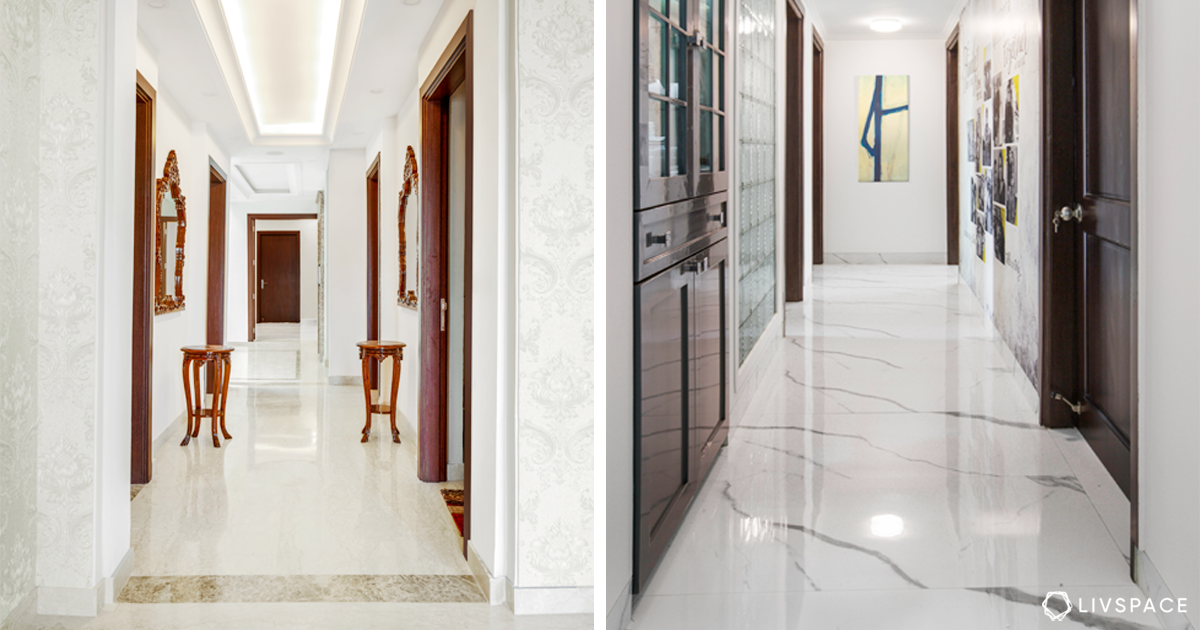
Marble Floor Hallway Ideas
Latest Marble flooring design

White Marble flooring, granite bouder design, door frame design, kitchen wall tiles, price
Marble Flooring Designs for Every Room
Related Posts: