When I first laid down white marble floors in my home, I was captivated by their timeless elegance and bright, airy feel. But soon enough, I realized that keeping them looking pristine takes a bit more care and know-how than other types of flooring. Over time, I figured out some practical ways to clean and protect my marble floors without stressing over harsh chemicals or complicated routines. If you’re wondering how to keep your white marble floors shining and spotless, I’m happy to share what’s worked well for me.
Gentle Daily Cleaning for White Marble
One of the first things I learned is that white marble needs gentle daily cleaning to stay beautiful. Sweeping or dust mopping every day helps keep dirt and grit from scratching the surface. I use a soft microfiber mop or cloth because anything rough can leave marks. This simple habit prevents buildup and keeps the marble looking fresh without much effort.
For wet cleaning, I mix warm water with a small amount of pH-neutral cleaner, which is safe for marble. Avoiding acidic or abrasive cleaners is key because harsh products can dull or etch the surface. I damp mop the floors with this solution and then dry them with a soft towel to avoid water spots. This routine keeps my floors sparkling without risking damage.
I also keep a few clean microfiber cloths handy for spot cleaning spills right away. Marble is porous, so letting liquids sit can cause stains or discoloration. Acting fast with gentle wiping has saved me from many potential headaches.
Tackling Stains Without Scrubbing
Stains on white marble can be intimidating, but I’ve found that patience and the right approach go a long way. For most stains, I create a poultice using baking soda and water to make a thick paste. I spread it over the stain, cover it with plastic wrap, and let it sit for 24 hours. This method gently pulls stains out without harsh scrubbing.
If you have oil stains, I add a few drops of mild dish soap to the baking soda paste to help break down the grease. After the poultice dries, I wipe it away with a damp cloth and buff the area gently. It’s important to avoid scrubbing hard, which can wear down the marble’s surface.
For tougher stains or discoloration, sometimes calling in a professional cleaner is worth it. But I’ve found that trying the poultice method first often does the trick for most everyday marks, keeping my floors looking clean and bright without extra expense.
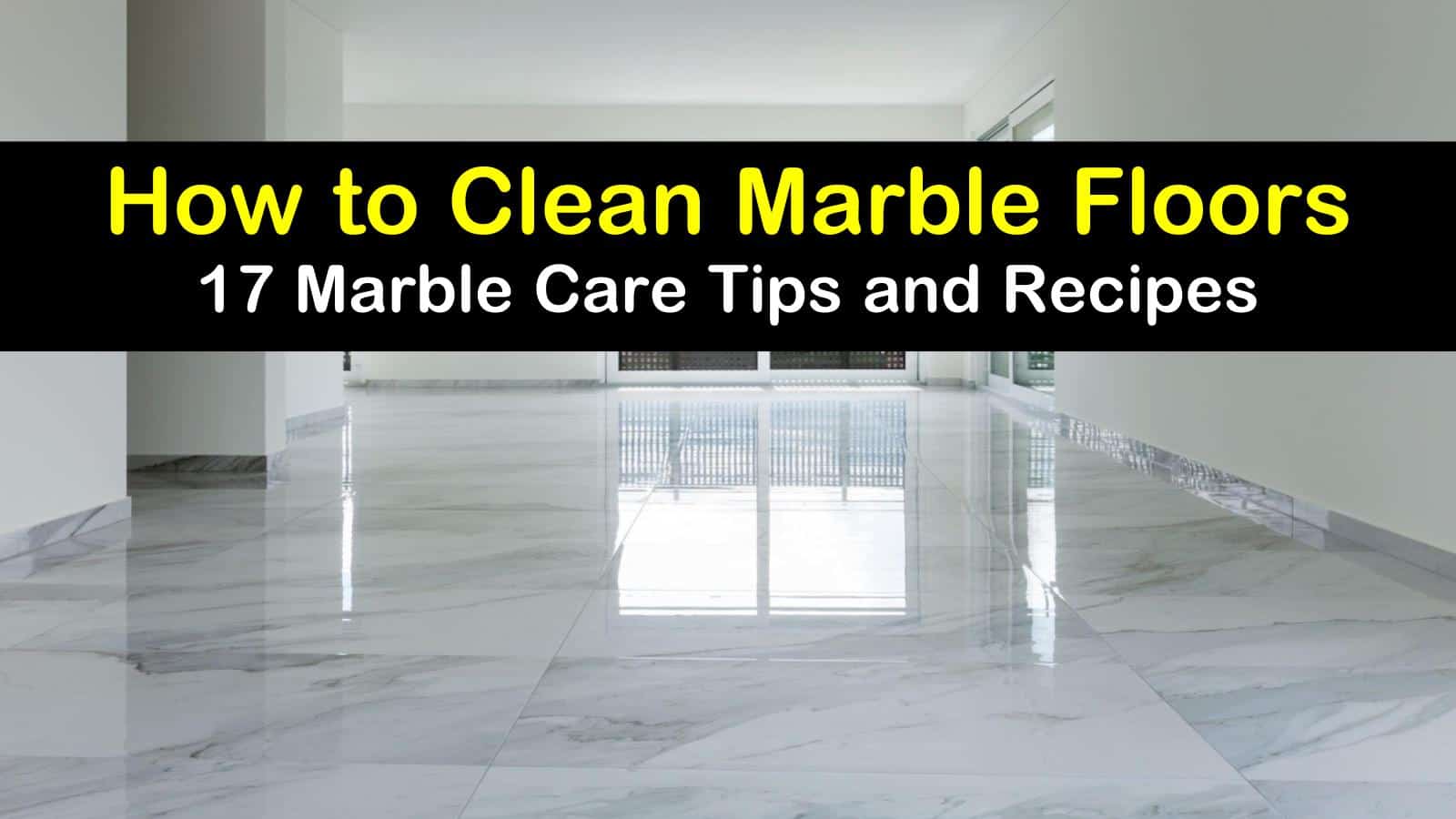
Preventing Etching from Acidic Spills
One of the trickiest parts about white marble is how sensitive it is to acidic substances like lemon juice, vinegar, or wine. I learned this the hard way after a small spill left a dull spot! To prevent this, I make sure to wipe up any spills immediately with a soft cloth and a gentle cleaner.
Using coasters and mats in eating areas also helps reduce the risk of accidental splashes. When cleaning, I avoid anything with vinegar, citrus, or harsh chemicals that can etch the marble’s surface. Instead, sticking to pH-neutral cleaners keeps the natural shine intact.
If etching does happen, gentle polishing with a marble-safe product can help restore the surface. But preventing it in the first place by acting fast and using the right cleaning products is definitely easier and more effective.

Sealing Your Marble Floors for Extra Protection
I didn’t realize how important sealing marble floors was until I noticed some spots absorbing stains more easily. Applying a high-quality marble sealer created a protective barrier that made a noticeable difference in resisting spills and dirt.
Sealing isn’t a one-time thing, though. I reapply the sealer every year or so, depending on the product’s instructions and how much traffic the floors get. This keeps the marble looking fresh and reduces the risk of damage from moisture or stains.
Before sealing, I make sure the floors are clean and completely dry for the best results. It’s a simple step but one that really helps extend the life and beauty of white marble.
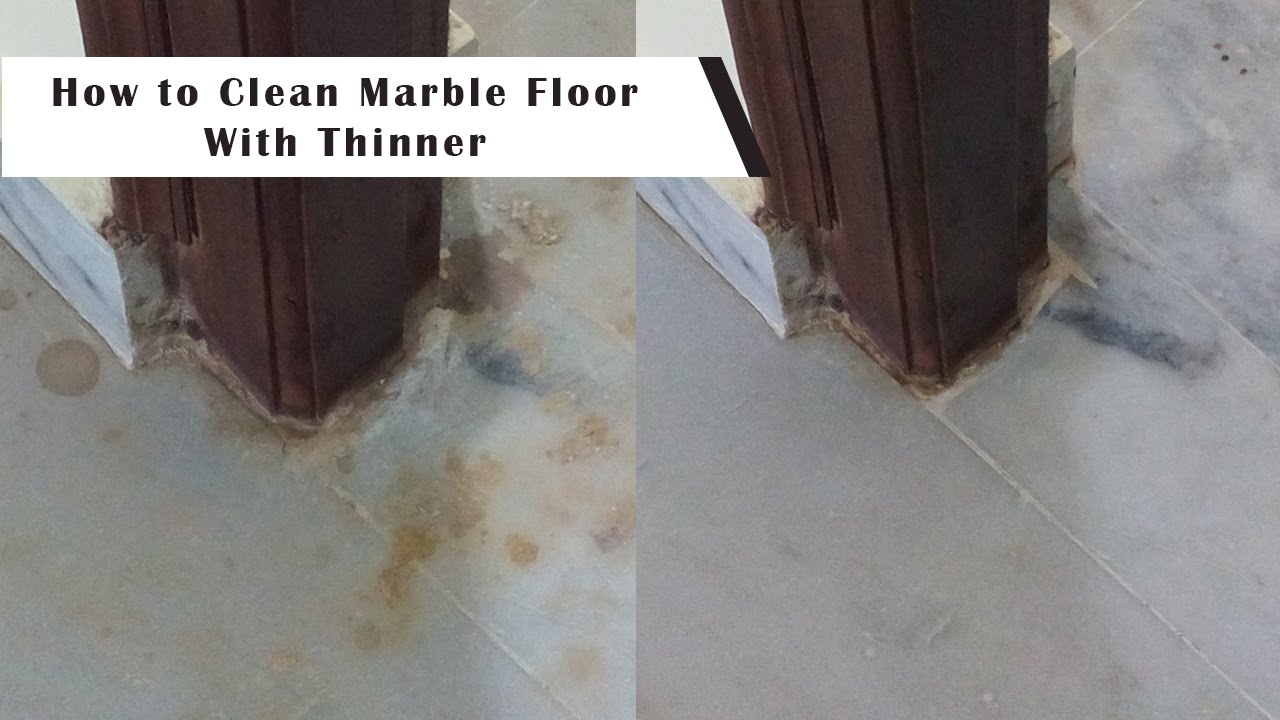
Dealing with Scratches and Wear
Even with careful cleaning, white marble floors can develop scratches or dull spots over time. I found that using a soft cloth and a marble polishing powder can gently buff out minor imperfections. It’s important to avoid abrasive tools or harsh scrubbing, which can make the problem worse.
For deeper scratches or worn areas, professional refinishing might be necessary, but I try to prevent those by placing felt pads under furniture and being mindful when moving heavy items. Rugs in high-traffic areas also help protect the floors without hiding their beauty.
Regular maintenance and gentle care have kept my marble floors looking elegant and smooth, making the occasional touch-up much easier to manage.
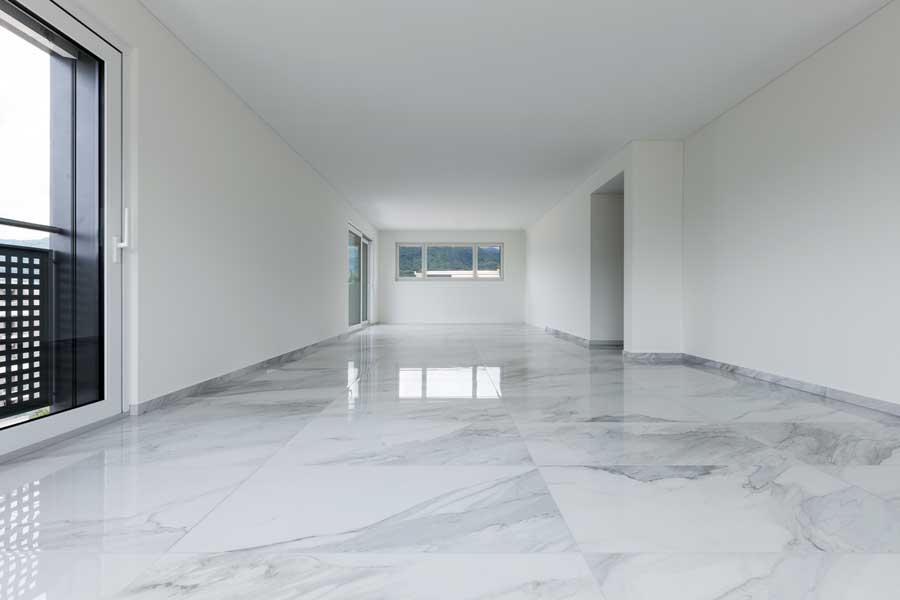
Making Marble Floors Kid and Pet Friendly
Living with kids and pets means my floors get a lot of action, so I wanted to find ways to keep my white marble floors looking great without constant worry. I learned that quick cleanup is essential to prevent stains or damage from spills, mud, or pet accidents.
I keep soft rugs near entryways and play areas to catch dirt and reduce direct wear on the marble. For cleaning, gentle, non-toxic products are best to keep the floors safe for little feet and paws. I also encourage wiping paws and shoes before entering to minimize grit.
With these small habits, my marble floors stay beautiful and durable, even with the busy life of kids and pets running around.
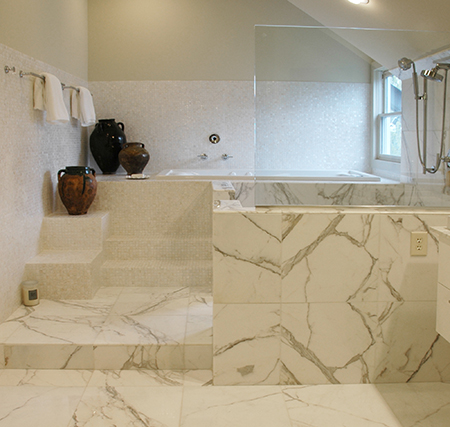
Can I use vinegar or lemon juice to clean white marble floors?
I avoid vinegar, lemon juice, and any acidic cleaners because they can etch and dull marble’s surface. Instead, I stick to pH-neutral cleaners and warm water. This keeps the floors shiny without risking damage.
How often should I seal my white marble floors?
From my experience, sealing every 12 months works well, but it depends on foot traffic and the sealer used. If water stops beading on the surface, it’s time to reseal. Regular sealing protects against stains and moisture.
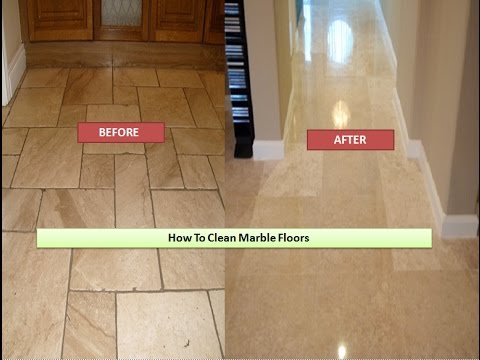
What’s the best way to remove stains on marble without damaging it?
I recommend a baking soda poultice mixed with water to form a paste. Apply it to the stain, cover with plastic wrap, and leave it for 24 hours. This method gently lifts stains without scrubbing or harsh chemicals.
Are white marble floors safe for homes with pets and kids?
Yes, but they need quick cleanup of spills and dirt to prevent stains and scratches. Using rugs and wiping paws helps. I use gentle cleaners to keep floors safe for everyone.
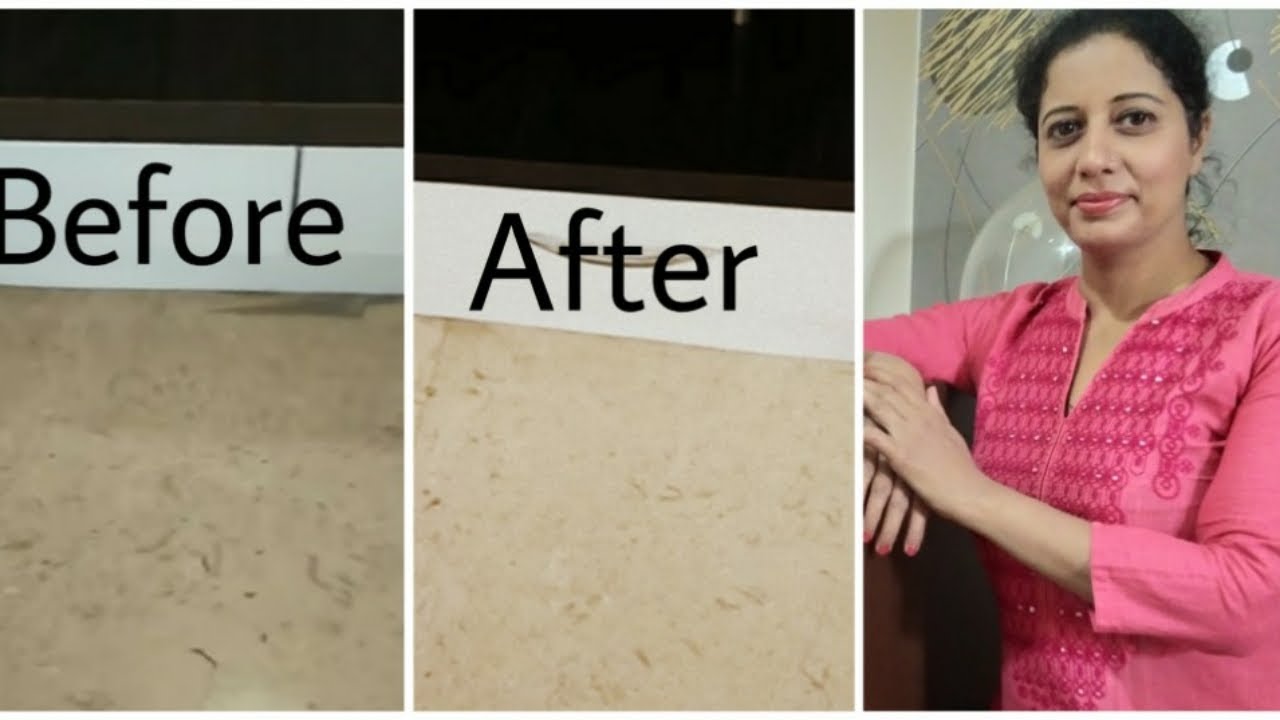
How do I prevent scratches on white marble floors?
I place felt pads under furniture legs and avoid dragging heavy items. Regular sweeping removes grit that can scratch, and I use soft cloths for cleaning to protect the surface.
Can I polish my marble floors at home?
For minor dull spots, yes. I use a marble-safe polishing powder and a soft cloth to gently buff the surface. For deeper scratches or wear, professional refinishing is better to avoid damage.
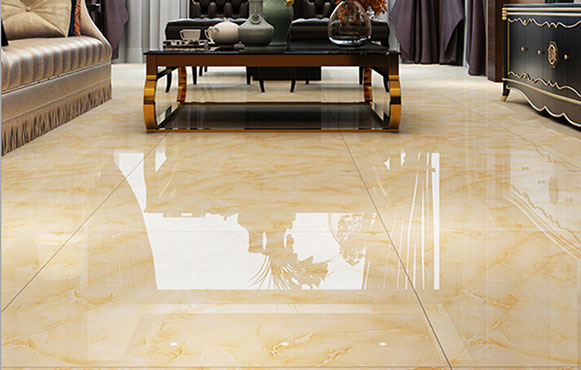
How to Clean Marble Floors Use Natural Stone

Crash Course: How To Clean, Polish and Maintain Marble Floors

How to Clean an Old, Dirty Marble Floor

Related Posts: