Marble flooring has long been a symbol of luxury and sophistication in bathroom design. Its natural veining, unique patterns, and polished finish create a high-end aesthetic that elevates any space. Beyond its beauty, marble is durable and heat-resistant, making it a practical choice for bathrooms. Whether you prefer classic white Carrara, dramatic black Marquina, or warm beige travertine, marble offers endless design possibilities. However, proper sealing and maintenance are essential to preserve its appearance. This article explores the benefits, styles, and care tips for marble bathroom floors.
The Timeless Beauty of Marble Flooring
Marble flooring brings an unmatched elegance to bathrooms, with each slab featuring unique veining and color variations. No two marble floors are exactly alike, giving your space a one-of-a-kind look. Classic white marble, such as Carrara or Statuario, creates a bright, airy feel, while darker marbles like Nero Marquina add drama and contrast. The polished finish reflects light, making even small bathrooms appear more spacious.
Beyond aesthetics, marble has a cool, smooth texture that feels pleasant underfoot, especially in warmer climates. Its natural thermal properties help regulate temperature, keeping the floor comfortably cool. Additionally, marble pairs well with various design styles—from traditional and vintage to modern and minimalist. Whether used in large-format tiles or intricate mosaic patterns, it enhances the overall ambiance of a bathroom.
While marble is undeniably beautiful, it requires proper care to maintain its appearance. Over time, acidic cleaners, hard water stains, and heavy foot traffic can dull its shine. However, with regular sealing and gentle cleaning, marble floors can retain their luxurious appeal for decades. Homeowners who appreciate natural stone’s character and elegance will find marble to be a worthwhile investment.
Choosing the Right Marble for Your Bathroom
Selecting the perfect marble for your bathroom depends on color preferences, durability needs, and budget. White and light-colored marbles, such as Calacatta and Thassos, create a clean, spa-like atmosphere but may show stains more easily. Darker marbles, like Emperador or Portoro, hide imperfections better but can make small bathrooms feel enclosed. Honed (matte) marble offers a softer, more rustic look, while polished marble provides a glossy, reflective finish.
Another consideration is marble’s porosity. Some varieties, like travertine, have natural pits and require filling, while denser marbles like Crema Marfil are more stain-resistant. If slip resistance is a concern, textured or honed finishes provide better traction than polished ones. For a cohesive look, match the marble flooring with countertops, shower walls, or accent tiles to create a harmonious design.
Budget also plays a role in marble selection. Rare or imported marbles (such as Calacatta Gold) are more expensive, while locally sourced options may be more affordable. Alternatively, marble-look porcelain tiles offer a similar aesthetic at a lower cost and with less maintenance. Ultimately, the right choice depends on your design vision and practical needs.

Installation and Maintenance Tips
Proper installation is crucial for marble flooring to prevent cracking, staining, and water damage. A professional installer should ensure the subfloor is level and moisture-resistant before laying marble tiles. Epoxy-based grout helps prevent water seepage, especially in wet areas like showers. Large-format tiles reduce grout lines, creating a seamless look, while smaller mosaic tiles add intricate detail.
Maintenance is key to preserving marble’s beauty. Sealing the stone every 6-12 months protects it from water absorption and stains. Use pH-neutral cleaners instead of acidic or abrasive products, which can etch the surface. Wipe up spills immediately, especially from hair dyes, citrus-based cleaners, or makeup, which can cause discoloration. Placing rugs in high-traffic areas can also minimize wear.
Despite its reputation for being high-maintenance, marble’s durability makes it a long-lasting flooring option when cared for properly. Unlike synthetic materials, marble develops a natural patina over time, adding character. For homeowners willing to invest in upkeep, marble flooring remains a timeless and luxurious choice.
Design Ideas for Marble Bathroom Floors
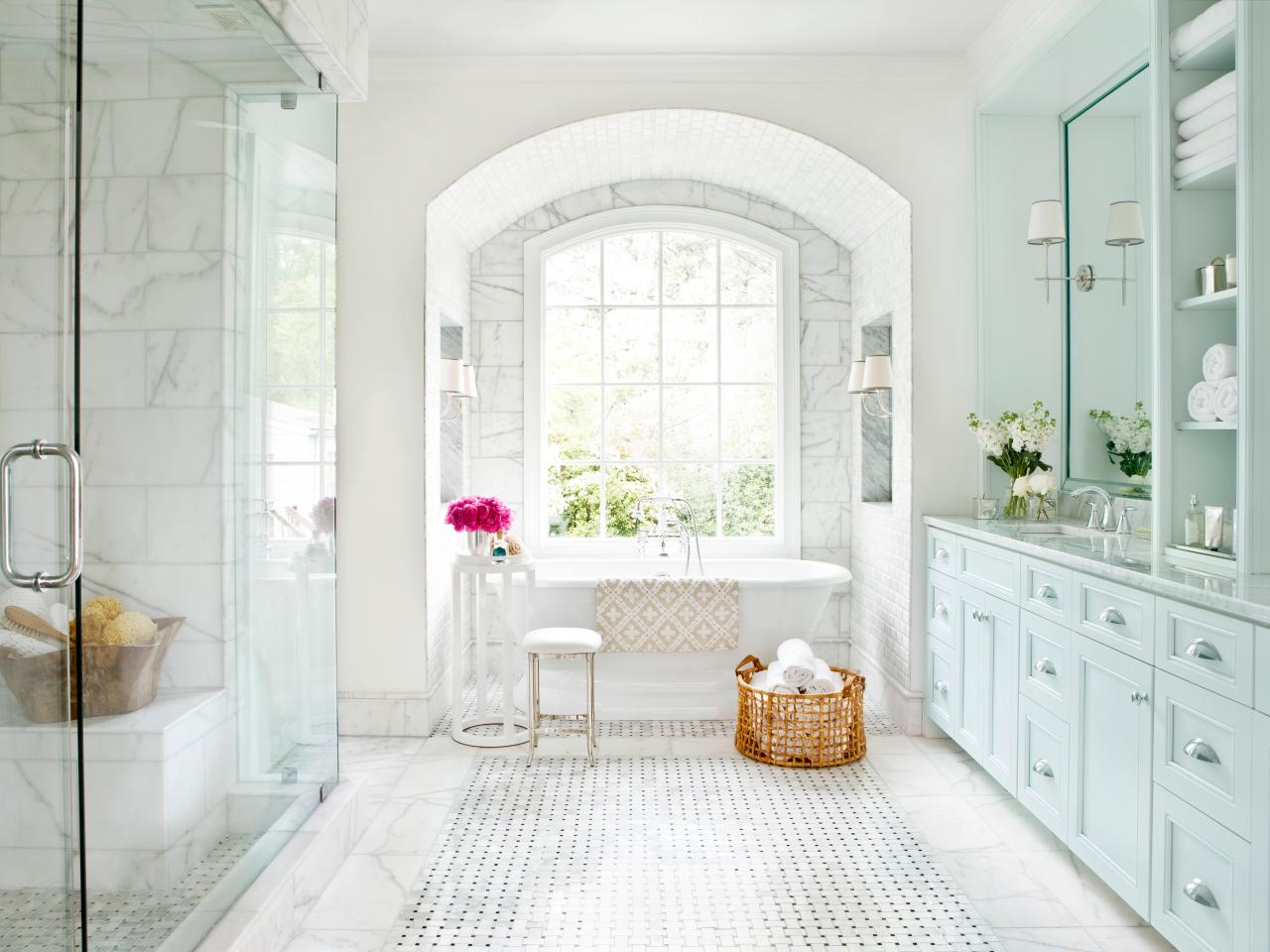
Marble flooring can transform a bathroom into a luxurious retreat. For a classic look, pair white marble with gold fixtures and freestanding tubs. A black-and-white checkerboard pattern creates a vintage aesthetic, while book-matched marble slabs (mirrored veining) deliver a high-end, symmetrical effect. Incorporating heated flooring beneath marble tiles adds comfort, especially in colder climates.
For a modern twist, mix marble with wood accents or matte black fixtures to balance elegance with warmth. Large-format marble tiles minimize grout lines, enhancing the seamless, upscale look. In smaller bathrooms, light-colored marble with subtle veining keeps the space feeling open and airy. Adding a marble border or inlay can define different zones, such as the shower area.
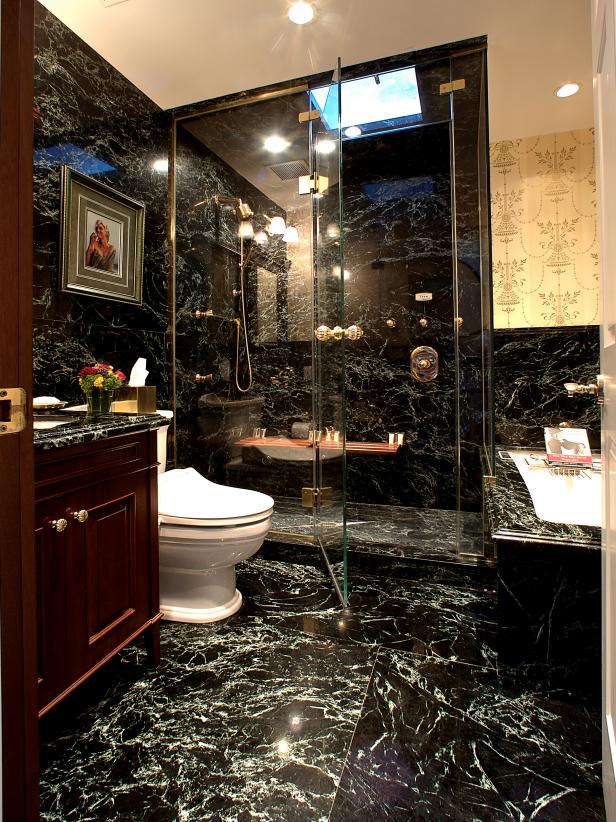
Marble also works well in eclectic designs. Combining different marble types (such as a white marble floor with green marble walls) creates visual interest without overwhelming the space. Whether aiming for a minimalist, opulent, or rustic style, marble’s versatility makes it adaptable to any design vision.
Pros and Cons of Marble Bathroom Floors
Marble flooring offers numerous advantages, including unmatched elegance, durability, and heat resistance. Its natural variations ensure a unique design, and its ability to stay cool makes it ideal for bathrooms. When properly sealed, marble can last for decades, often increasing a home’s resale value due to its premium appeal. Additionally, marble is eco-friendly, as it’s a natural material with minimal processing.
However, marble has some drawbacks. It is porous, making it prone to staining if not sealed regularly. Acidic substances (like vinegar or citrus cleaners) can etch the surface, requiring professional polishing to restore shine. Marble is also more expensive than ceramic or vinyl tiles, and installation costs can be higher due to the need for skilled labor.
Despite these challenges, many homeowners find marble’s beauty and longevity worth the extra care. Alternatives like marble-look porcelain tiles provide a similar aesthetic with less maintenance, but they lack the authenticity of real stone. Weighing the pros and cons helps determine if marble is the right choice for your bathroom.

Cost Considerations and Budget Alternatives
The cost of marble bathroom flooring varies based on type, quality, and installation. High-end marbles like Calacatta Gold can cost $15-$30 per square foot, while more common varieties like Carrara range from $5-$15. Labor costs add another $5-$10 per square foot, depending on complexity. Additional expenses include sealing, grout, and underlayment for moisture protection.
For those on a budget, marble-look porcelain or ceramic tiles offer a similar appearance at a fraction of the cost ($3-$8 per square foot). These materials are more stain-resistant and require less maintenance. Another option is marble mosaic sheets, which provide intricate detailing without the expense of full slabs.
If authentic marble is a must, consider using it as an accent rather than covering the entire floor. Marble borders, shower niches, or vanity countertops can add luxury without exceeding the budget. With careful planning, marble flooring can be a feasible investment for any bathroom.
Is marble flooring slippery when wet?
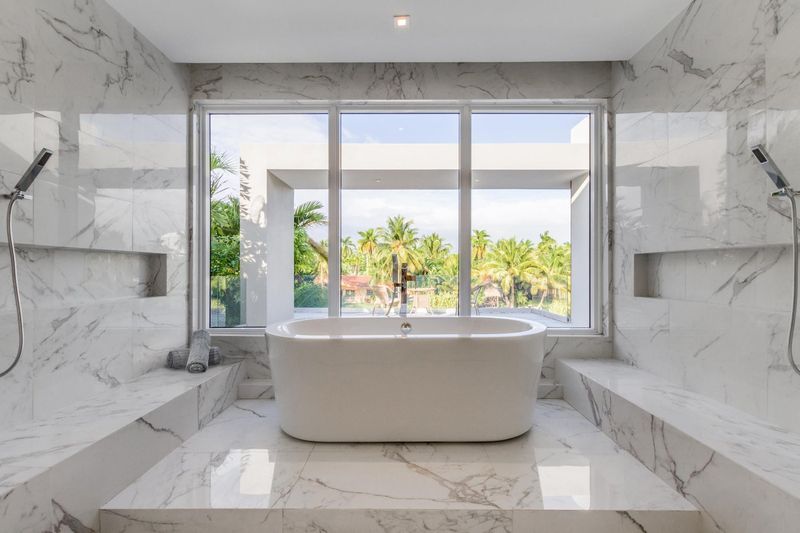
Polished marble can be slippery, especially in wet bathroom conditions. To improve safety, choose honed or textured marble finishes, which provide better traction. Adding non-slip bath mats near showers and tubs also reduces slip risks. If you prefer a polished look, consider smaller tiles with more grout lines for extra grip. Proper sealing helps maintain slip resistance by preventing water absorption.
How often should marble floors be sealed?
Marble should be sealed every 6-12 months, depending on usage and the type of sealer used. High-traffic bathrooms may require more frequent sealing. To test if resealing is needed, sprinkle water on the floor—if it darkens the stone instead of beading up, it’s time to reseal. Always use a high-quality, penetrating sealer designed for natural stone.

Can marble floors be repaired if scratched or chipped?
Minor scratches can be buffed out with a marble polishing powder, while deeper chips may require professional repair. Epoxy resin mixed with marble dust can fill chips, and color-matched fillers blend with the stone. Honed marble hides imperfections better than polished marble. Prevent damage by using felt pads under furniture and avoiding abrasive cleaners.
Does marble flooring increase home value?
Yes, marble flooring is considered a premium feature that can boost resale value. Buyers often associate marble with luxury, making it an attractive selling point. However, its appeal depends on the overall bathroom design and maintenance. Well-kept marble floors can justify a higher asking price, while damaged or poorly installed marble may deter buyers.
What’s the best way to clean marble bathroom floors?
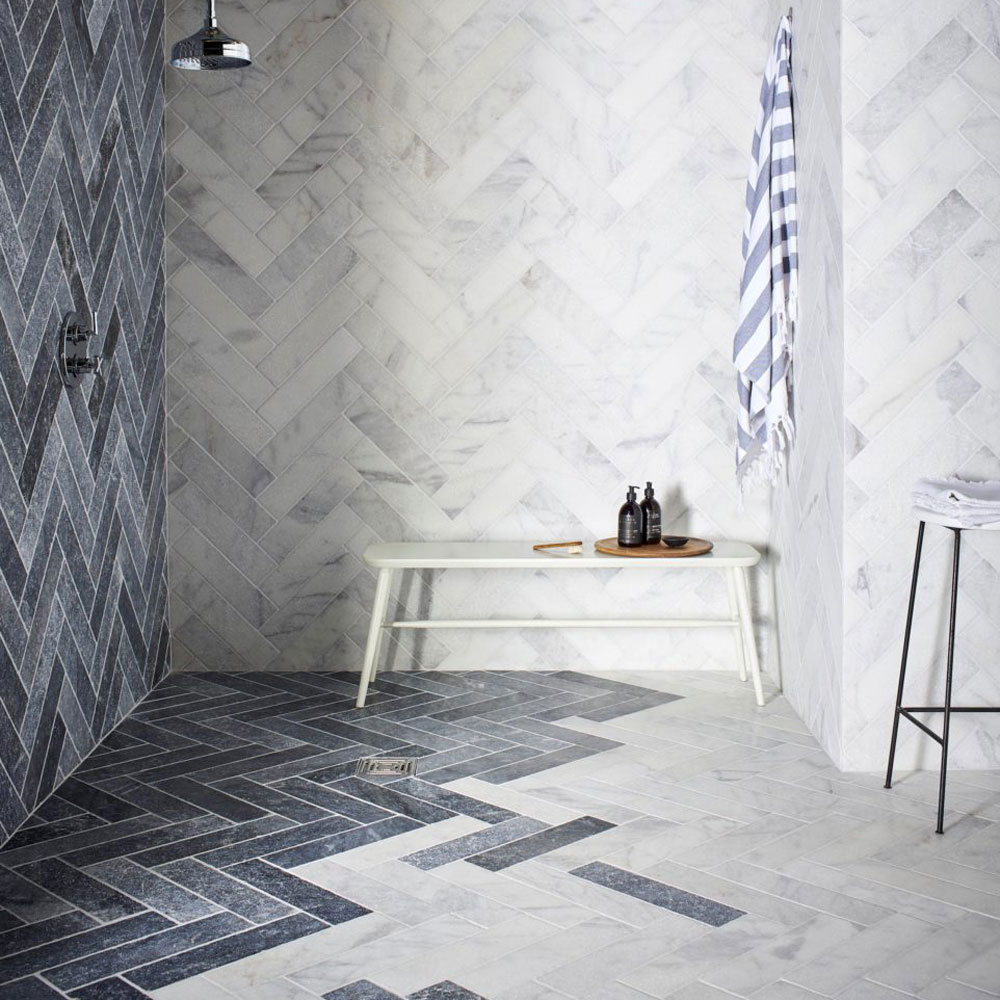
Use a pH-neutral stone cleaner and a soft mop or cloth to avoid scratching the surface. Avoid vinegar, bleach, or ammonia-based cleaners, which can etch the marble. For daily maintenance, dry dust mopping removes debris that could cause scratches. Immediately wipe up spills, especially from colored liquids like wine or makeup, to prevent staining.
Can marble flooring be used with underfloor heating?
Yes, marble works well with radiant heating systems because it conducts and retains heat efficiently. However, the heating system must be installed correctly to prevent cracking from thermal expansion. Use a programmable thermostat to avoid sudden temperature changes. Always consult a professional to ensure compatibility between the marble type and heating system.
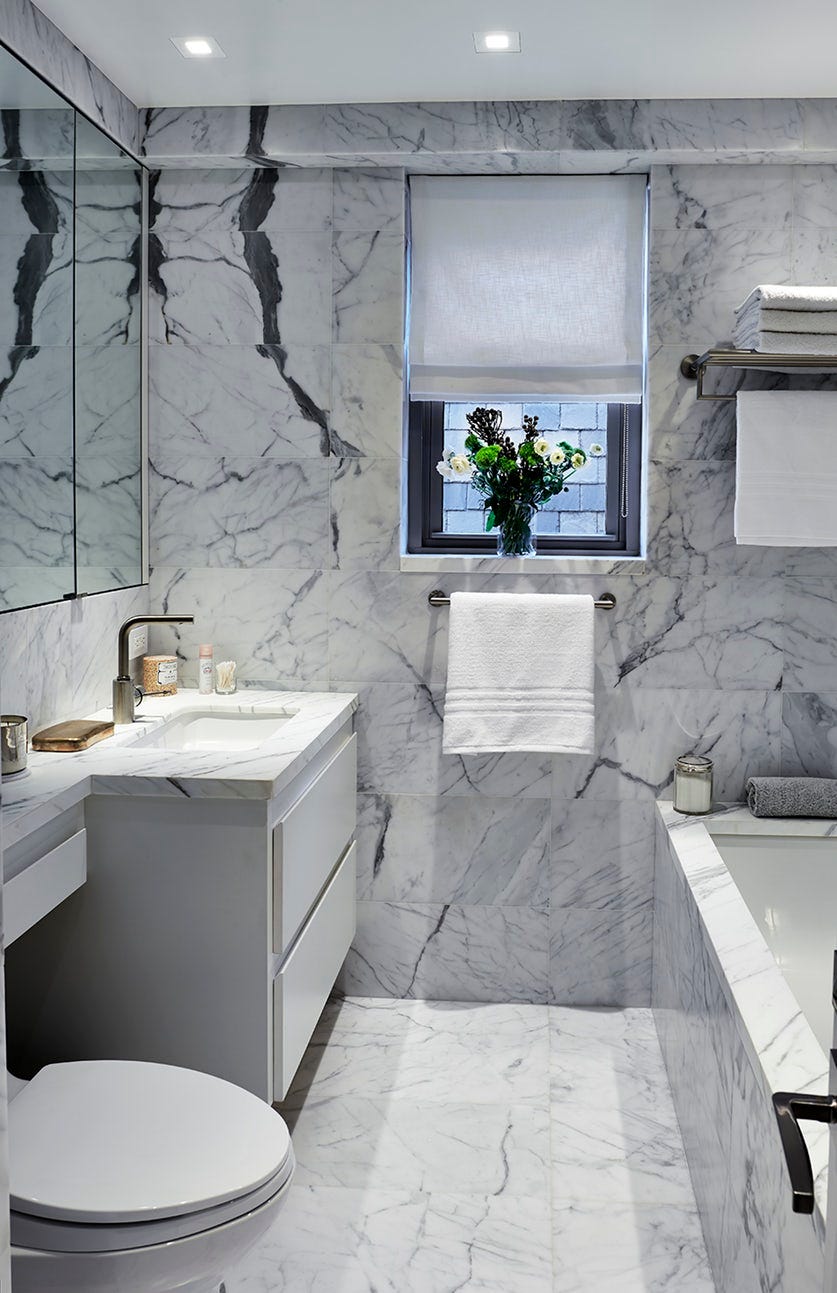
Should you Use White Marble Tiles in your Shower?
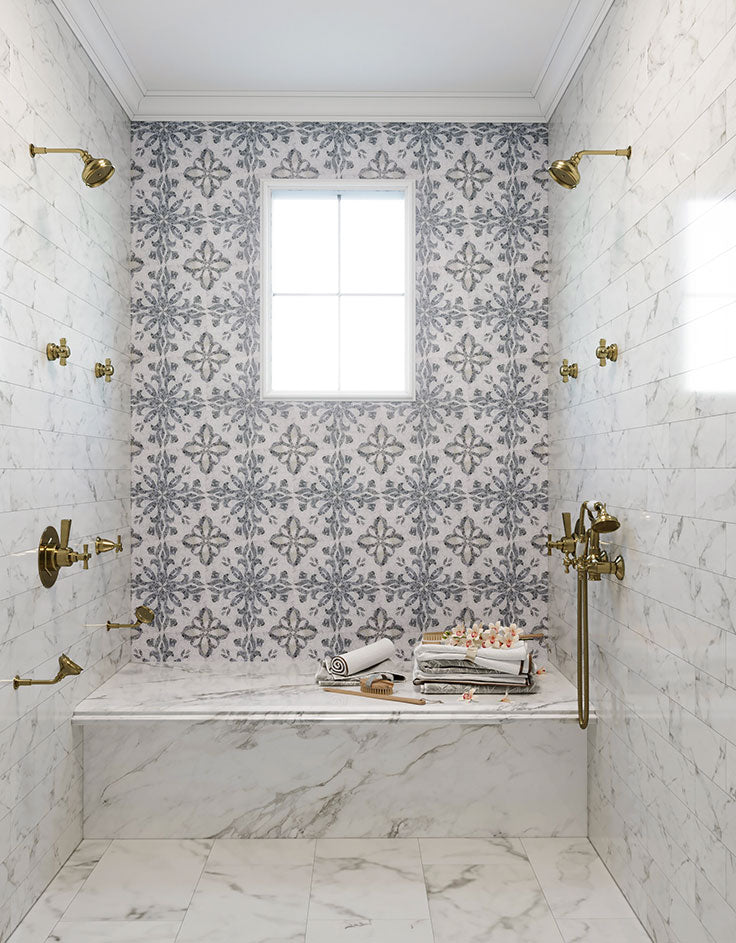
Marble Bathroom Floors

These Are the Best Marble Bathroom Design Ideas

Modern Marble Tile Bathroom Ideas
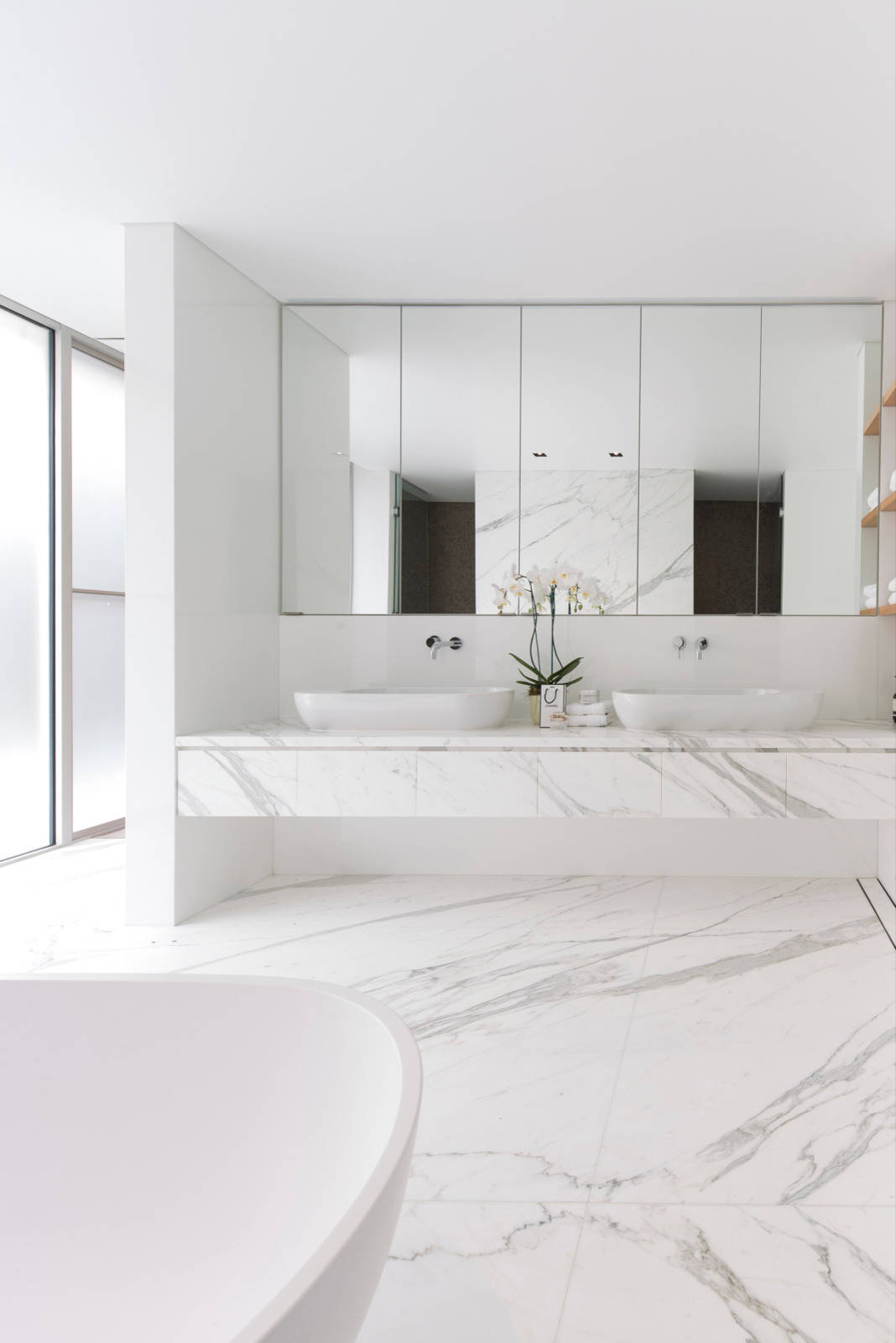
Related Posts: