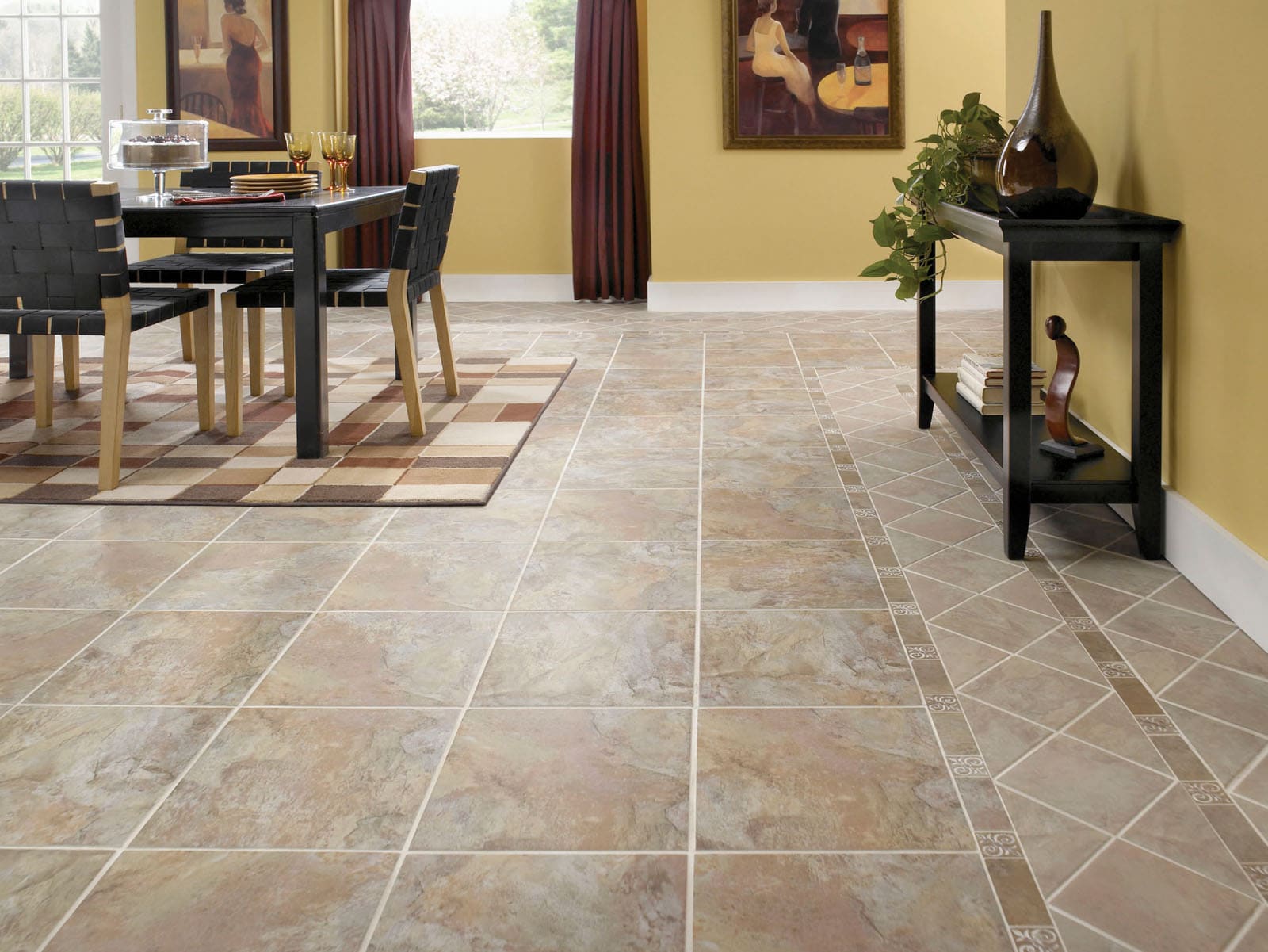
Slate style laminate flooring offers the elegant look of natural slate without the high cost or maintenance. This type of flooring mimics the textured, layered appearance of real slate stone while providing the durability and ease of installation that laminate is known for. Ideal for homeowners who want a high-end aesthetic with practical benefits, slate style laminate is resistant to scratches, moisture, and daily wear. Whether used in living rooms, kitchens, or commercial spaces, it delivers a sophisticated yet low-maintenance flooring solution.
The Aesthetic Appeal of Slate Style Laminate
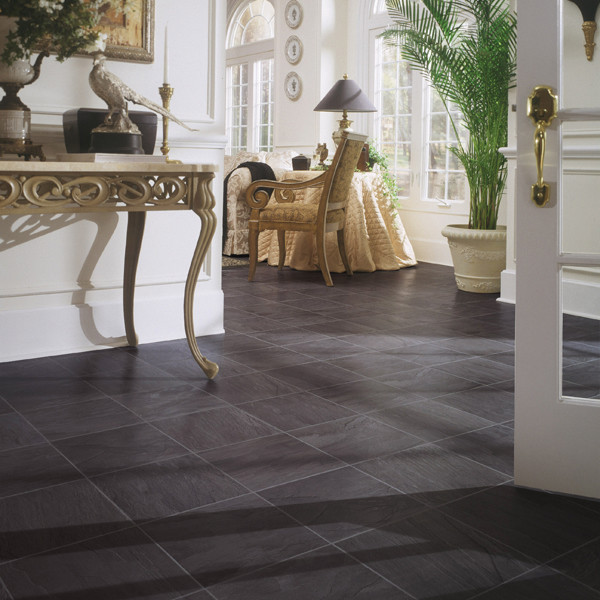
Slate style laminate flooring captures the natural beauty of slate with its rich color variations and textured surface. Unlike real slate, which can have inconsistencies, laminate offers a uniform appearance while maintaining a realistic stone-like look. The deep grays, charcoal tones, and subtle veining create a modern and timeless aesthetic that complements both contemporary and traditional interiors.
Another advantage is the ability to choose from different finishes, such as matte or glossy, to match your design preferences. Matte finishes provide a more natural, understated look, while glossy options add a touch of refinement. The embossed textures in high-quality laminates enhance the realism, making it difficult to distinguish from genuine slate without close inspection.
Homeowners and designers appreciate slate style laminate for its versatility. It pairs well with various decor styles, from industrial lofts to rustic farmhouses. Whether used as a statement floor or a neutral backdrop, it adds depth and character to any space. The consistent quality of laminate also ensures that the flooring maintains its appearance over time, unlike natural stone, which may require sealing or polishing.
Durability and Performance
Slate style laminate flooring is engineered to withstand heavy foot traffic, making it a practical choice for busy households. The wear layer protects against scratches, dents, and stains, ensuring the floor stays looking new for years. Many products also feature moisture-resistant cores, reducing the risk of warping or damage in humid environments like kitchens or basements.
Unlike real slate, which can chip or crack under pressure, laminate offers superior impact resistance. This makes it ideal for homes with pets, children, or frequent gatherings. Advanced manufacturing techniques have improved laminate’s ability to handle spills and moisture, though it’s still important to clean up liquids promptly to prevent long-term damage.
Maintenance is another key benefit. Slate style laminate requires only regular sweeping and occasional damp mopping to keep it clean. There’s no need for waxing, polishing, or special cleaners, unlike natural stone floors. This low-maintenance aspect makes it a favorite among homeowners who want a beautiful floor without the hassle of intensive upkeep.

Easy Installation Process
One of the biggest advantages of slate style laminate flooring is its user-friendly installation. Most laminate products feature a click-lock system that allows planks to snap together without glue or nails. This floating floor method makes it a great DIY project for those with basic home improvement skills, saving on professional installation costs.
Laminate can be installed over various subfloors, including concrete, plywood, or existing flooring (as long as it’s level and stable). Unlike slate tiles, which require mortar and precise cutting, laminate planks can be easily trimmed with a saw. Underlayment is often used to provide cushioning, sound absorption, and moisture protection, enhancing comfort and performance.
For those who prefer professional installation, the process is still quicker and less messy than traditional slate. Since laminate doesn’t require grout or drying time, rooms can be used almost immediately after installation. This convenience makes it a popular choice for renovations or quick home updates.

Cost-Effectiveness Compared to Real Slate
Slate style laminate flooring is significantly more affordable than real slate, offering a budget-friendly alternative without sacrificing aesthetics. Natural slate can be expensive due to material costs, shipping, and professional installation, whereas laminate provides a similar look at a fraction of the price.
In addition to lower upfront costs, laminate also reduces long-term expenses. Real slate requires periodic sealing and may need repairs over time, adding to maintenance costs. Laminate, on the other hand, retains its appearance with minimal upkeep, making it a cost-effective investment for homeowners.
The value of slate style laminate extends beyond price. Its durability means fewer replacements or repairs, and its resistance to wear ensures it stays attractive for years. For those who love the look of slate but need a more economical option, laminate is an excellent choice.

Ideal Applications in Home and Commercial Spaces
Slate style laminate flooring works well in various settings, from residential homes to commercial spaces. In living rooms and bedrooms, it adds a touch of sophistication, while in kitchens and entryways, its durability handles spills and heavy foot traffic. Basements also benefit from moisture-resistant laminate options.
Commercial spaces like offices, retail stores, and restaurants appreciate laminate for its resilience and professional appearance. Unlike real slate, which can be slippery when wet, textured laminate provides better traction, improving safety in high-traffic areas. The ease of cleaning is another plus for businesses needing low-maintenance flooring.
For renters or homeowners planning to sell, slate style laminate adds value without the permanence of stone. Its neutral yet upscale look appeals to a wide range of buyers, making it a smart choice for staging or upgrading a property.

Environmental and Health Considerations
Many slate style laminate options are made with eco-friendly materials, including recycled wood fibers and low-VOC finishes. This makes them a greener choice compared to some vinyl or chemically treated flooring. Look for certifications like FloorScore or GREENGUARD to ensure indoor air quality safety.
Laminate is also a healthier option for households with allergies. Unlike carpet, it doesn’t trap dust, pet dander, or pollen, making it easier to maintain a clean environment. The smooth surface prevents mold and mildew growth, especially in moisture-resistant varieties.
While laminate isn’t biodegradable like natural slate, its long lifespan reduces waste. High-quality products can last 15-25 years with proper care, minimizing the need for frequent replacements. For environmentally conscious consumers, choosing responsibly sourced laminate is a step toward sustainable living.
Is slate style laminate flooring suitable for kitchens?
Yes, slate style laminate flooring is a great option for kitchens, especially if it has a moisture-resistant core. While laminate isn’t completely waterproof, many modern varieties are designed to handle spills and humidity better than traditional options. It’s important to wipe up liquids quickly to prevent seepage between planks. The durability of laminate also makes it resistant to scratches from dropped utensils or chair movement, ensuring it stays looking new even in high-traffic areas.
How does slate style laminate compare to vinyl plank flooring?
Slate style laminate and luxury vinyl plank (LVP) both mimic natural stone, but they differ in material and performance. Laminate is made with a fiberboard core and a photographic layer, while vinyl consists of PVC with a printed design. Vinyl is more waterproof, making it better for bathrooms or basements, but laminate often has a more realistic texture. Laminate also tends to be more scratch-resistant, whereas vinyl can dent under heavy furniture. Cost-wise, both are affordable, but premium laminates may offer a higher-end look.

Can slate style laminate be installed over radiant heating?
Some slate style laminate flooring is compatible with radiant heating systems, but it’s essential to check the manufacturer’s guidelines. Laminate can expand and contract with temperature changes, so using a product rated for heated floors ensures stability. The underlayment should also allow heat transfer without trapping moisture. Proper installation is key to preventing warping or gaps, so consulting a professional is recommended for radiant heat setups.
What’s the best way to clean slate style laminate flooring?
Regular sweeping or vacuuming (with a hard floor attachment) removes dirt and debris that could scratch the surface. For deeper cleaning, a damp mop with a mild laminate cleaner is sufficient—avoid excess water, which can damage the seams. Steer clear of abrasive cleaners, wax, or steam mops, as these can strip the protective layer. Immediate spill cleanup helps maintain the floor’s integrity and prevents moisture-related issues.
Does slate style laminate fade in sunlight?
High-quality laminate includes UV-resistant coatings to minimize fading, but prolonged direct sunlight can still cause gradual discoloration over time. Using curtains, blinds, or UV-protective window films can help preserve the floor’s color. Rotating rugs or furniture periodically also ensures even exposure, preventing noticeable shade differences in high-sunlight areas.
How long does slate style laminate flooring typically last?
With proper care, slate style laminate can last 15-25 years, depending on the quality and traffic levels. Thicker wear layers and high-density cores enhance longevity. Avoiding excessive moisture, using furniture pads, and keeping the floor clean contribute to its lifespan. While it may not last as long as real slate, its affordability and low maintenance make it a worthwhile investment for many homeowners.

Dark Grey Slate 8mm Moisture Resistant Tile Effect Laminate Flooring – 2.28m2
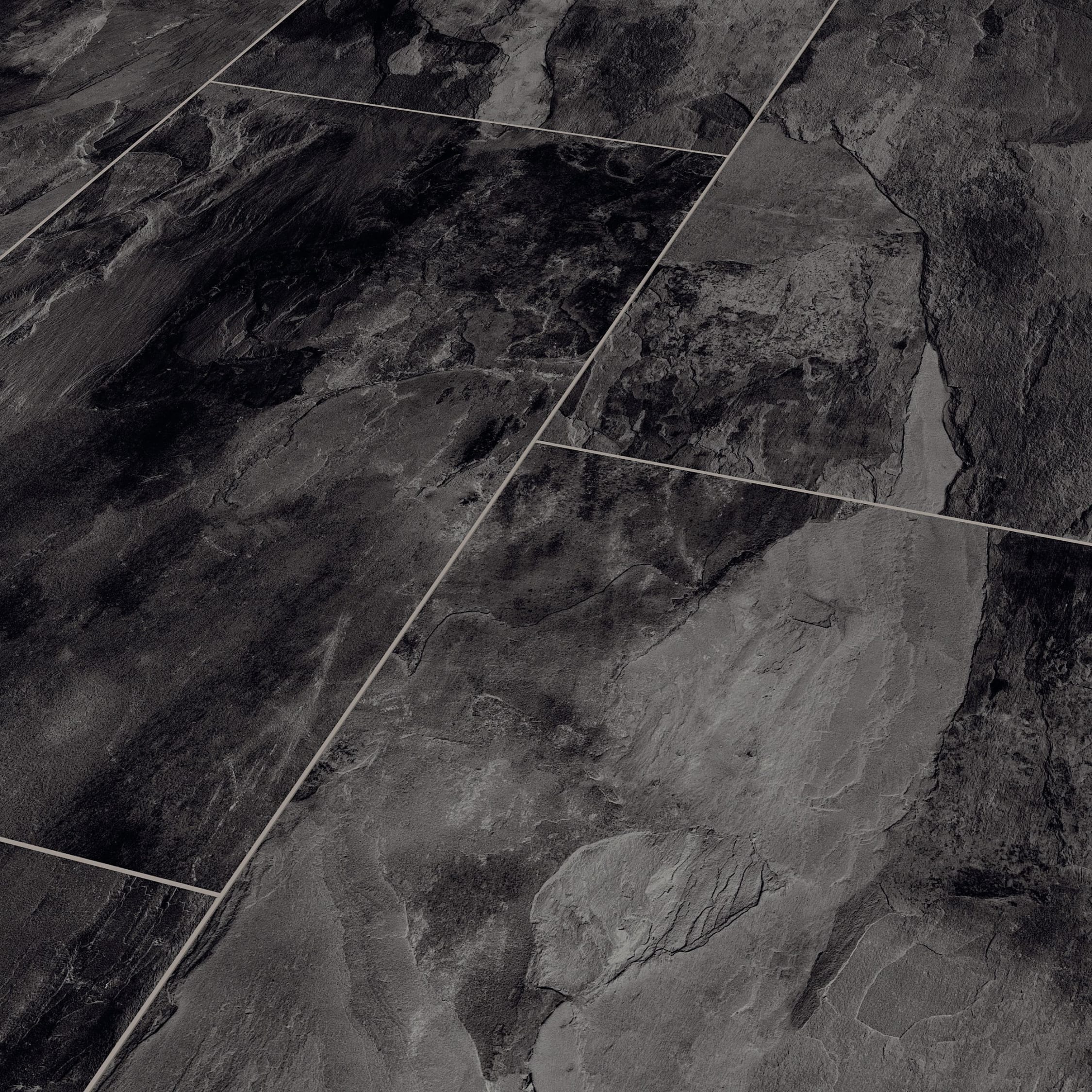
Style Selections Glentanner Slate Thick Tile Look Laminate

Elite Stone – 8mm Tile Effect Laminate Flooring – Dark Slate

Black Slate Tile Effect Laminate Flooring Tile effect laminate

Related Posts: