Installing oak wood flooring throughout my home five years ago remains one of my best renovation decisions, transforming ordinary rooms into spaces filled with warmth, character, and enduring beauty. From selecting the perfect oak species to living with these floors through daily family life, I’ve learned that oak offers unmatched durability, versatility, and timeless appeal that continues to enhance my home’s value and atmosphere every single day.
Choosing Between Red Oak and White Oak Varieties
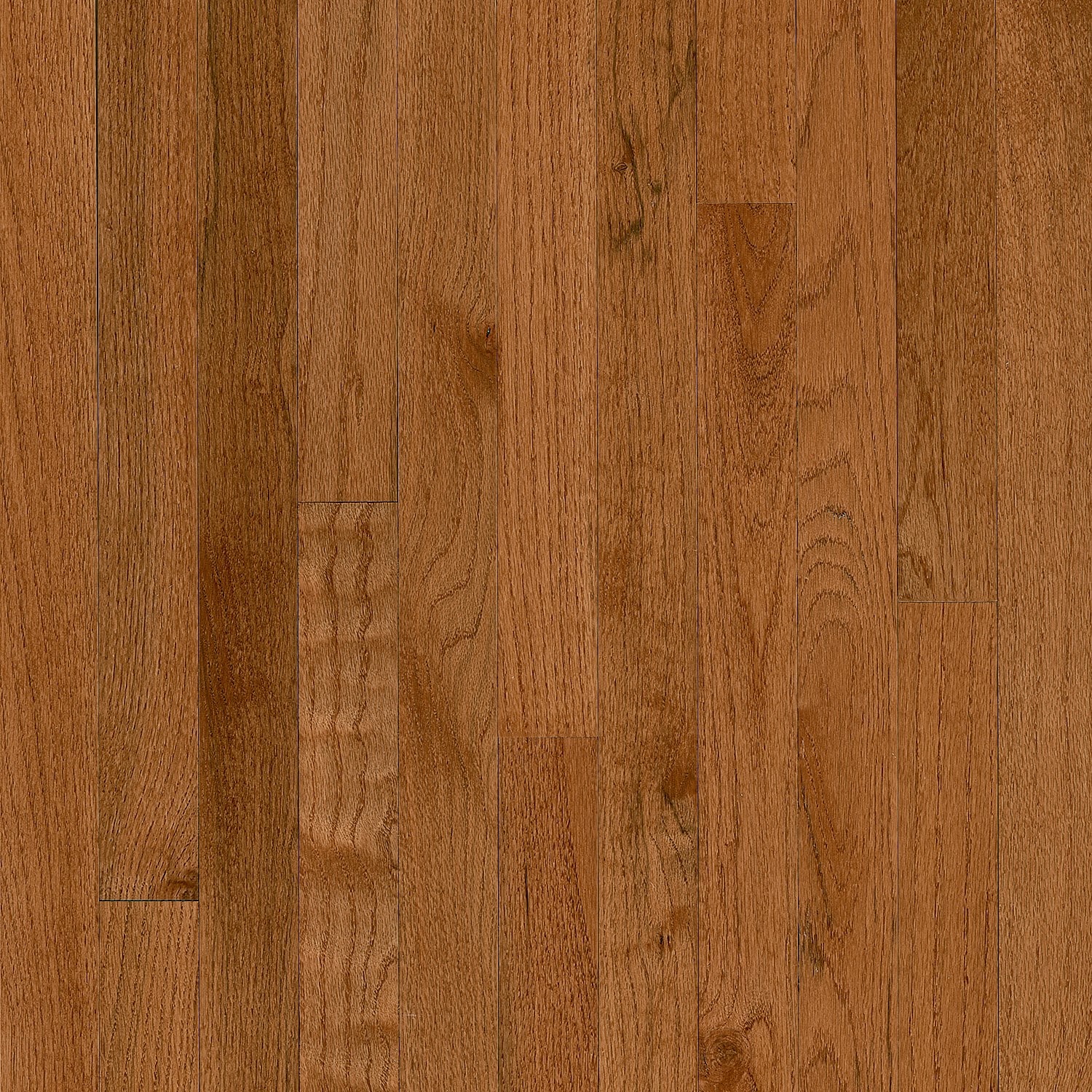
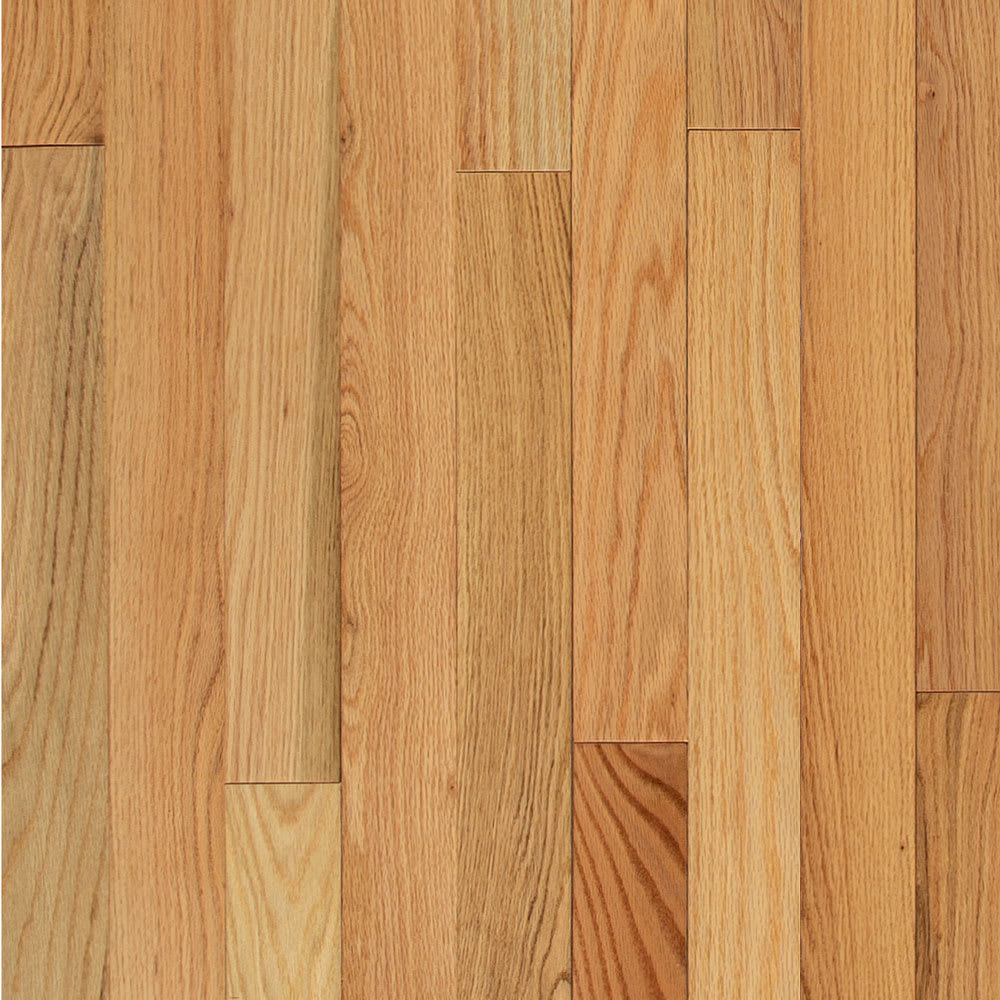
Selecting between red oak and white oak required careful consideration of each species’ unique characteristics, appearance, and performance qualities for my specific needs. Red oak features more prominent grain patterns with warm, honey-colored tones that create cozy, traditional atmospheres perfect for family rooms and bedrooms. I chose red oak for my living areas because its distinctive grain adds visual interest and complements my rustic furniture beautifully.
White oak offers superior durability and moisture resistance compared to red oak, making it my preferred choice for kitchens and entryways where spills occur frequently. The subtle grain patterns and cooler undertones create sophisticated, contemporary looks that work beautifully with modern design elements. White oak’s natural tannins provide better stain resistance, which has proven valuable in high-traffic areas of my home.
Price differences between red and white oak influenced my room-by-room selection strategy, as white oak typically costs 10-20% more than red oak varieties. I invested in white oak for areas requiring maximum durability while using red oak in bedrooms and low-traffic spaces where cost savings mattered more than moisture resistance. This mixed approach allowed me to optimize both budget and performance throughout my home.
Solid vs Engineered Oak Flooring Performance
Living with both solid and engineered oak floors in different rooms has taught me valuable lessons about each option’s strengths and limitations. Solid oak planks in my dining room have developed beautiful character over five years, with minor dents and scratches adding to their authentic charm. The ability to sand and refinish solid oak multiple times means these floors will last for generations with proper maintenance and care.
Engineered oak floors in my kitchen have performed exceptionally well despite daily cooking activities, spills, and heavy foot traffic from family meals and entertaining. The layered construction provides better dimensional stability than solid wood, preventing the seasonal gaps that appear between my solid oak planks during dry winter months. This stability makes engineered oak ideal for areas with fluctuating humidity levels.
Installation flexibility became a major factor in my flooring decisions, as engineered oak can be installed over concrete subfloors using floating methods. I used this advantage in my basement recreation room, where concrete subfloors would have required expensive preparation for solid wood installation. The result looks identical to solid oak while providing practical benefits for below-grade applications.

Grain Patterns and Color Variations in Oak
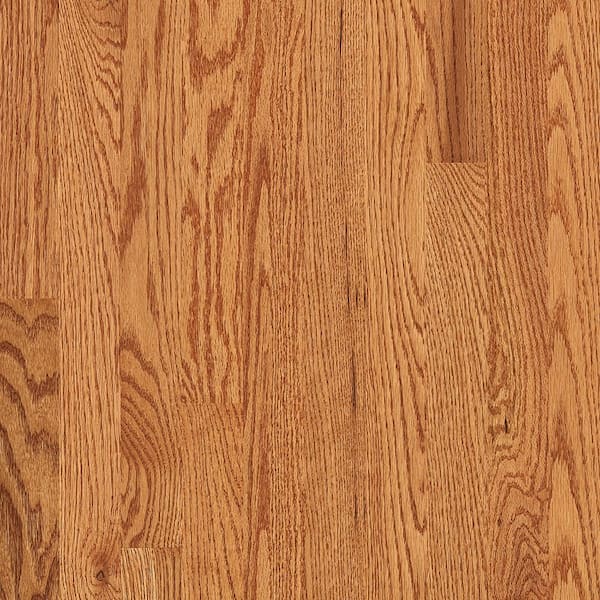
Understanding oak’s natural grain patterns and color variations helped me select planks that create the visual impact I desired in each room. Quarter-sawn oak displays distinctive ray patterns that catch light beautifully, creating visual depth and interest I used as accent features in my home office. Plain-sawn boards show bold cathedral patterns that add dramatic character to large spaces like my living room and dining areas.
Color variation within individual oak planks and between different boards creates natural beauty that prevents monotonous appearances throughout installed floors. I learned to embrace these variations rather than trying to achieve uniform coloring, as the natural differences add authenticity and visual richness that synthetic materials cannot replicate. Strategic plank placement during installation helps distribute color variations evenly across rooms.
Sapwood and heartwood differences in oak create light and dark contrasts that I initially worried about but now appreciate as distinctive character features. The pale sapwood areas provide beautiful contrast against darker heartwood sections, creating natural highlighting that adds depth and interest to my floors. These variations become less noticeable over time as foot traffic and sunlight naturally age all areas toward consistent patina.
Finishing Options and Maintenance Requirements
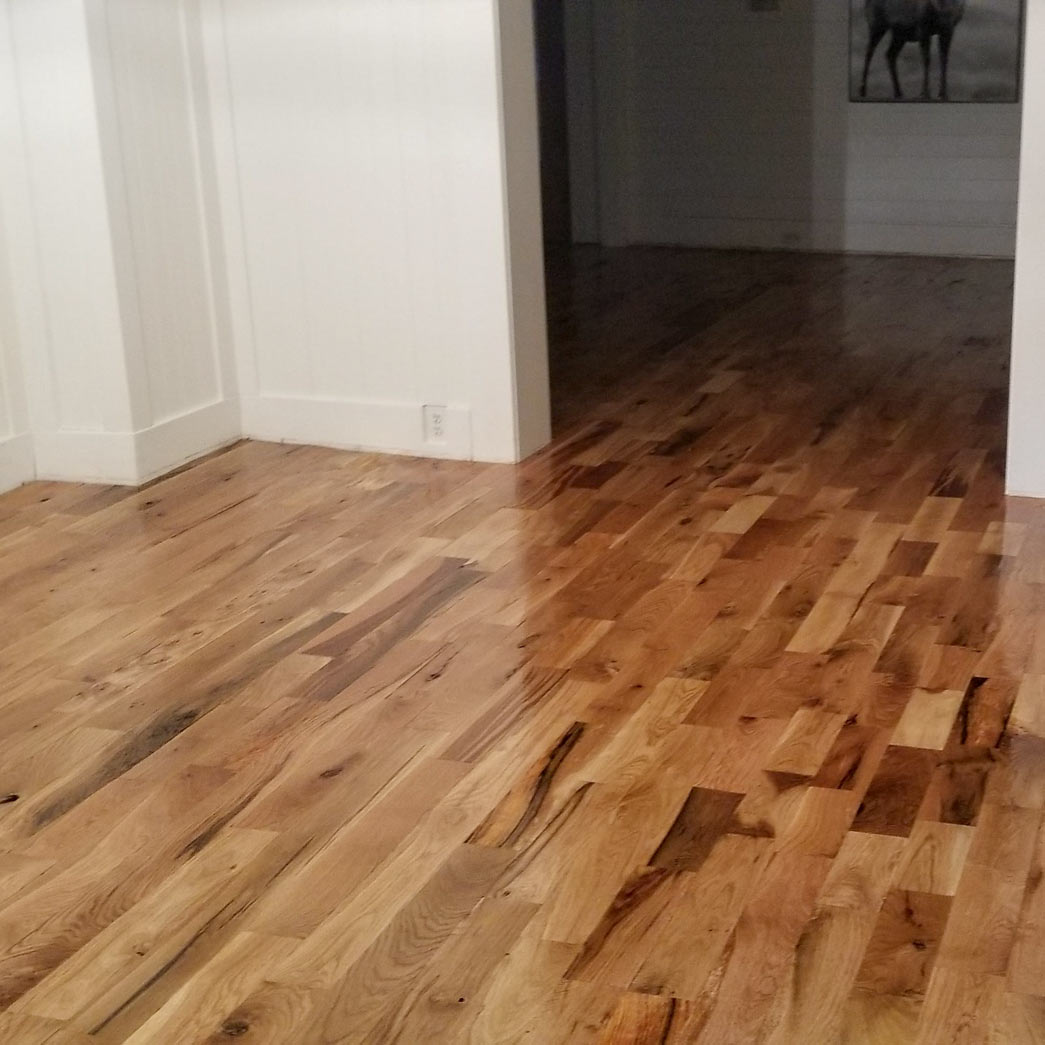
Choosing appropriate finish types proved crucial for both appearance and long-term maintenance requirements throughout my oak floor installation project. I selected satin polyurethane finishes for high-traffic areas like hallways and kitchens because they provide excellent durability while hiding minor scratches better than gloss finishes. The subtle sheen adds elegance without creating distracting reflections or showing every footprint and dust particle.
Oil-based finishes in my bedrooms create warm, natural appearances that enhance oak’s inherent beauty while allowing the wood’s texture to remain tactile. These finishes require more frequent maintenance than polyurethane but develop a beautiful patina over time that adds character and warmth. I reapply oil finishes annually in bedrooms, which takes minimal time but keeps the wood looking fresh and protected.
Daily maintenance routines I’ve developed keep my oak floors looking beautiful with minimal effort and time investment required. Dust mopping removes daily debris, while damp mopping with wood-specific cleaners handles spills and deeper cleaning needs. I avoid excessive water and harsh chemicals that could damage the wood or finishes, instead using products specifically formulated for hardwood floor care and maintenance.
Installation Challenges and Professional Solutions
Professional installation became essential for achieving the flawless results I desired, particularly for complex room layouts and transitions between different flooring materials. My installer’s expertise in subfloor preparation, moisture testing, and proper acclimation prevented common problems like cupping, crowning, and excessive gaps that could have developed with improper installation. The investment in professional services has paid dividends through years of trouble-free performance.
Subfloor preparation required more attention than I initially anticipated, as any imperfections or moisture issues could cause problems after installation completion. My contractor corrected squeaks, leveled high spots, and installed moisture barriers where needed before beginning oak installation. This thorough preparation created stable foundations that have prevented movement, squeaking, and premature wear throughout my home.
Room transitions and complex cuts around obstacles like heating vents and doorways require specialized tools and experience for professional-looking results. I attempted some simple installations myself but quickly realized that challenging areas needed professional attention to avoid costly mistakes. The seamless transitions and perfect cuts my installer achieved would have been impossible for me to duplicate with basic tools.
Long-Term Value and Aging Characteristics
Oak flooring’s investment value has exceeded my expectations through both immediate home value increases and ongoing appreciation over five years of ownership. Real estate professionals consistently cite hardwood floors as top features that attract buyers and justify higher home prices. My oak floors have required minimal replacement costs while maintaining their beauty and functionality through daily family use and entertaining.
The aging process has enhanced my oak floors’ beauty rather than diminishing their appearance, as natural patina development creates rich, complex colors impossible to achieve with stains alone. High-traffic areas develop smooth, lustrous surfaces that feel wonderful underfoot while showing minimal wear despite constant use. This natural aging process adds character and authenticity that newer materials cannot replicate.
Refinishing potential gives oak floors virtually unlimited lifespans when properly maintained, making them excellent long-term investments compared to replacement flooring materials. I plan to refinish my floors in another five years, which will restore their original beauty while allowing me to change stain colors if desired. This renewal capability means my oak floors can adapt to changing design preferences while maintaining their structural integrity.

How often do oak wood floors need refinishing and what does the process involve?
Oak floors typically need refinishing every 7-10 years, depending on traffic and care, though mine still look great after five years. The process involves sanding away the old finish and top wood layer, then applying new stain and protective coatings. I plan to hire professionals for refinishing as it requires specialized equipment and expertise. The process takes 3-5 days and temporarily displaces household activities, but completely restores the floors’ original beauty while allowing color changes.
What’s the difference in cost between solid and engineered oak flooring?
Solid oak flooring typically costs $3-8 per square foot for materials, while engineered oak ranges from $4-12 per square foot, depending on quality and thickness. Installation costs remain similar for both options. I found that higher-quality engineered oak with thick wear layers provides excellent value, especially in challenging environments. While solid oak offers unlimited refinishing potential, quality engineered oak can be refinished 2-4 times, making it suitable for most homeowners’ needs.
How do I prevent scratches and dents in my oak floors from furniture and pets?
Furniture pads under all legs and bases prevent most scratching, while area rugs in high-traffic zones protect against pet claws and dropped items. I use felt pads that stick to furniture bottoms and replace them regularly as they wear down. For pets, keeping nails trimmed helps significantly. Minor scratches add character to oak floors and often blend naturally with the wood grain. Deeper scratches can be touched up with wood markers or professionally repaired during refinishing.
Can oak wood flooring be installed in kitchens and bathrooms?
Oak can work in kitchens with proper sealing and immediate spill cleanup, but I recommend engineered oak over solid for better moisture stability. I successfully installed engineered white oak in my kitchen five years ago with excellent results. Bathrooms require more caution due to humidity and water exposure. Proper ventilation, immediate water cleanup, and quality finishes are essential. Some areas, like shower surround,s should use tile or other water-resistant materials instead.

How do I choose the right oak stain color for my home’s design style?
Consider your existing furniture, wall colors, and overall design aesthetic when selecting oak stain colors for cohesive room coordination. Natural and honey tones complement traditional and farmhouse styles, while darker stains work well with contemporary designs. I tested multiple stain samples on actual oak pieces in my home’s lighting before deciding. Remember that oak’s natural grain will show through any stain, creating beautiful depth and character regardless of color choice.
What’s the best way to clean and maintain oak wood floors daily?
Daily dust mopping removes debris that could scratch the surface, while weekly damp mopping with hardwood-specific cleaners handles deeper cleaning needs. I avoid excessive water, vinegar, and harsh chemicals that could damage wood or finishes. Immediately clean spills to prevent staining or water damage. Use doormats at entrances to reduce tracked-in dirt and debris. Professional deep cleaning annually helps maintain the floors’ appearance and extends the time between refinishing cycles significantly.

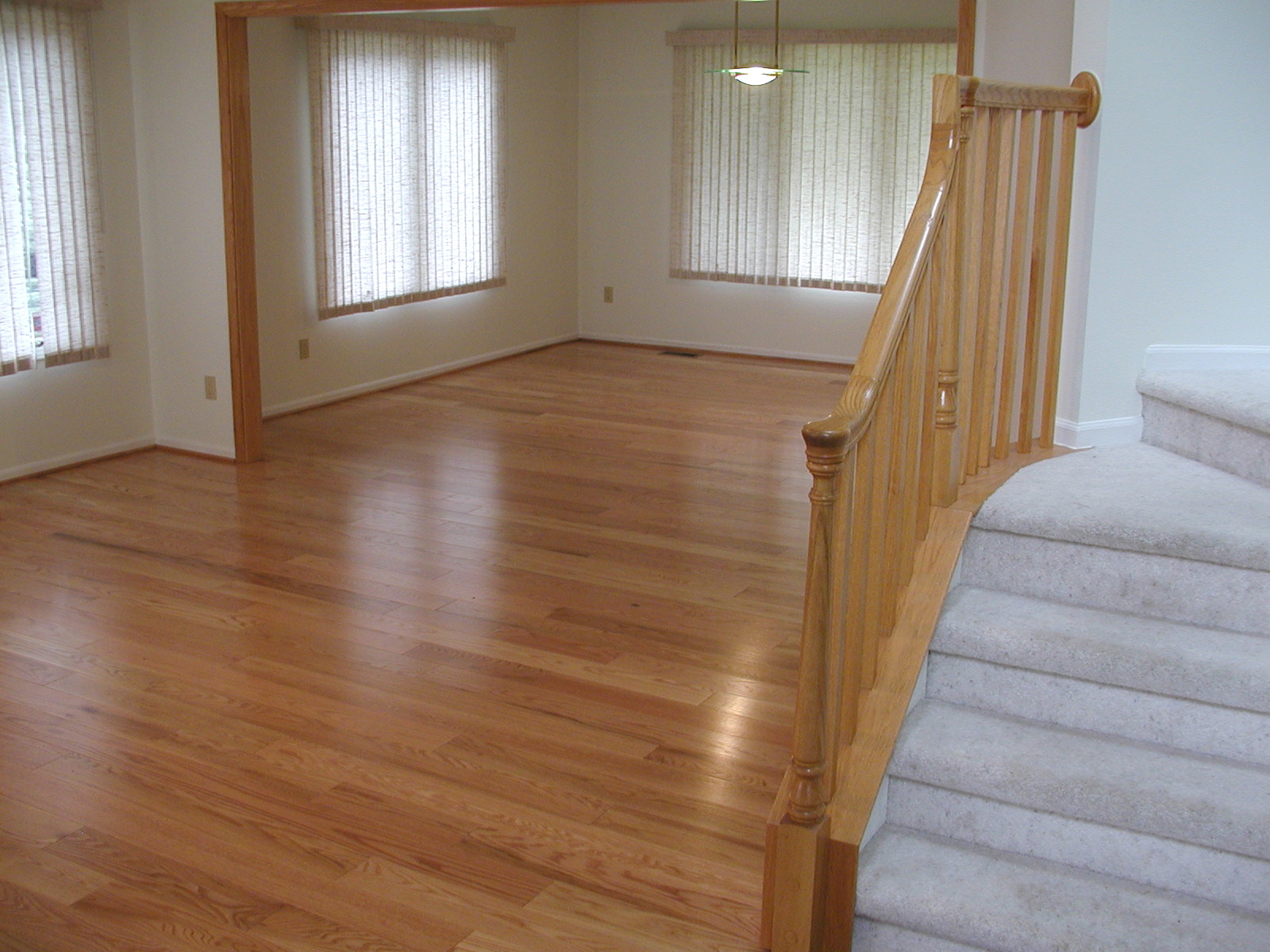
Golden Oak – Boardwalk Hardwood Floors
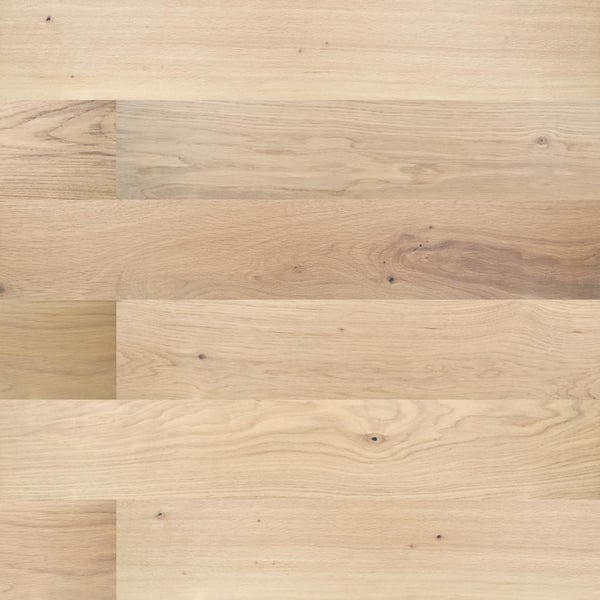
Lifeproof Shenandoah Oak 6.5 in. W x 48 in. L Engineered
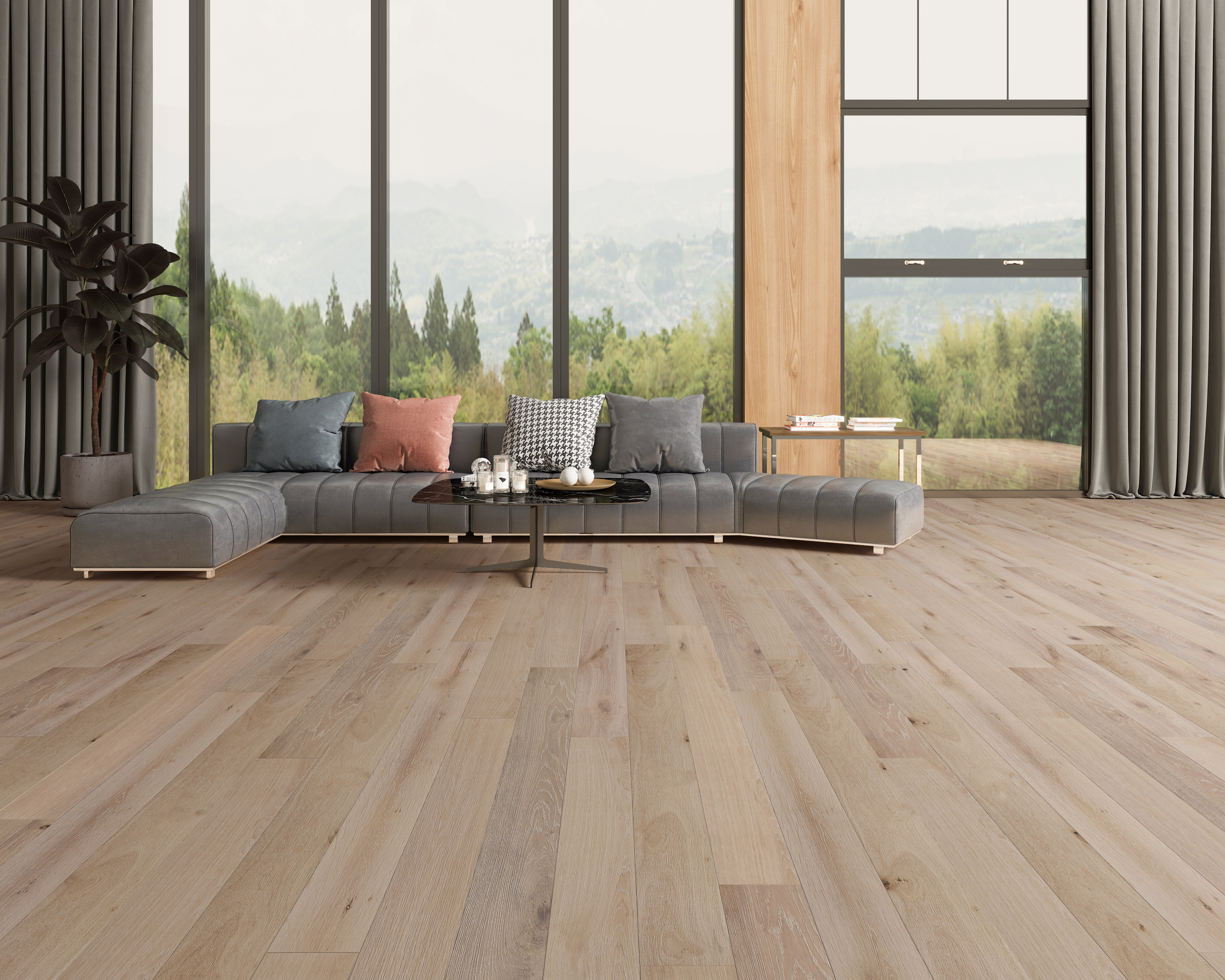
Casablanca Oak 5/9″ Thick x 7″ Wide x 87″ Length Solid Hardwood Flooring
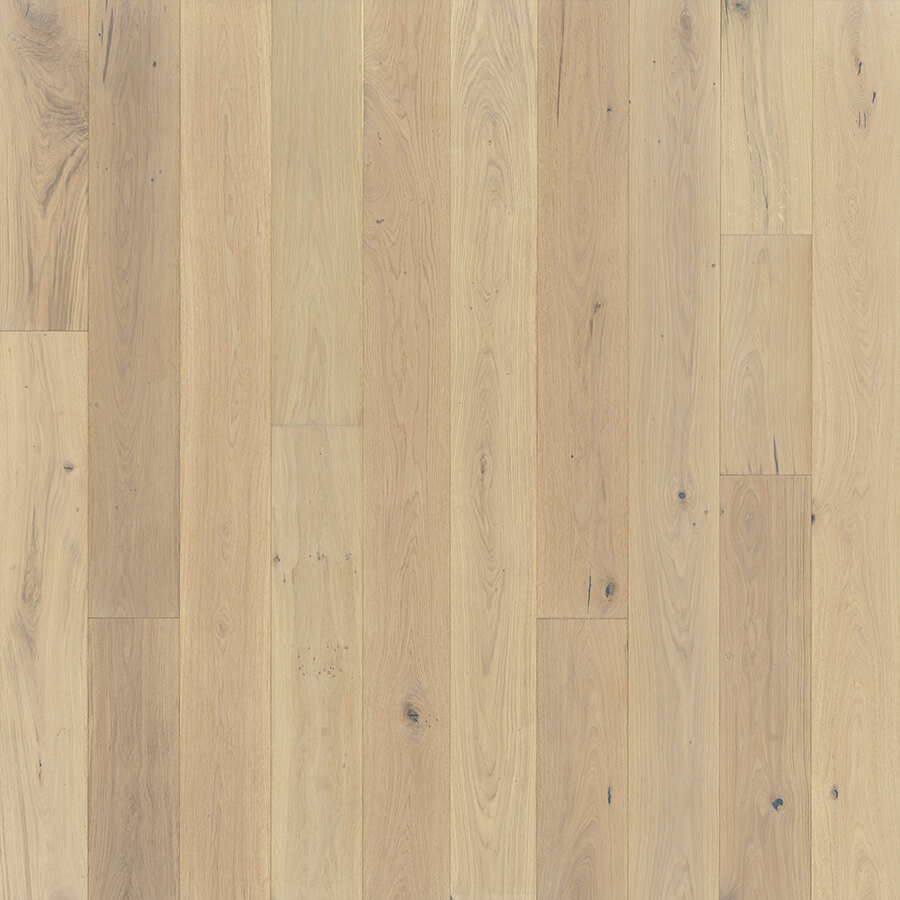
Laguna Oak Hardwood Hallmark Floors
Related Posts: