A Stylish Yet Functional Choice for Kitchens
Real wood flooring in kitchens offers a natural beauty that adds warmth and charm to one of the most used areas in a home. Unlike synthetic materials, wood brings in organic texture and timeless appeal. Its unique grain patterns and rich tones create a welcoming environment that blends well with a wide range of kitchen styles. Whether the kitchen is rustic, modern, or classic, wood flooring can support the overall design effortlessly.
Homeowners appreciate the visual continuity wood flooring provides when kitchens open up into living or dining areas. Instead of abrupt transitions between different materials, wood flooring offers a smooth flow. This not only looks clean but also adds to the perceived size of the space. When used throughout open-concept homes, it encourages a sense of unity and design balance that many modern layouts require.
Functionality remains just as important as appearance. Today’s wood floors come with stronger finishes and improved sealing technologies, making them more resistant to moisture and scratches. This makes them more suited for kitchens than in the past. With regular upkeep and care, real wood flooring can perform reliably even in areas where spills and foot traffic are common.
Types of Wood That Work Best in Kitchens
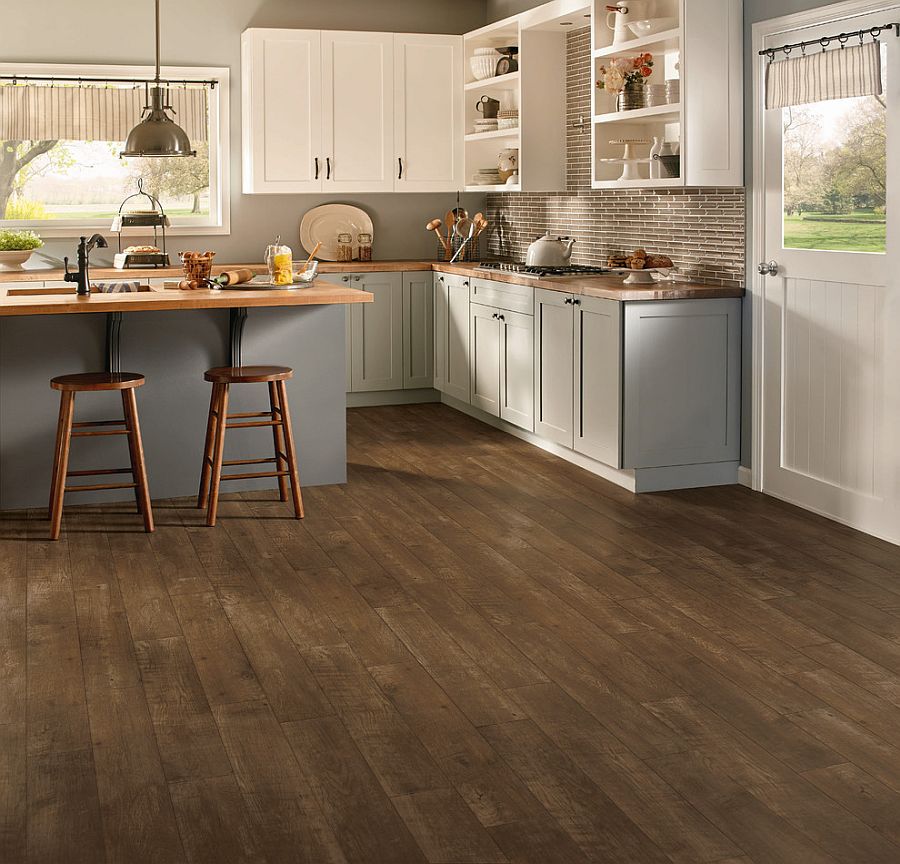
Choosing the right type of wood makes a big difference when installing flooring in kitchens. Hardwoods like oak, maple, and hickory stand out because of their durability and resistance to dents. Their dense structure allows them to hold up under frequent use and the occasional dropped pan or appliance. These species also come in a wide range of shades, offering both light and dark options for various kitchen aesthetics.
Engineered wood has become a smart alternative for kitchens, combining the surface of real wood with a stable core. Its layered construction reduces movement caused by humidity, which is particularly useful in a room that experiences moisture and heat changes. With a similar look to solid wood but better moisture performance, engineered flooring strikes a good balance between function and appearance.
Exotic wood species like teak or Brazilian cherry can also work, though they are typically more expensive. Their natural oils and dense makeup help resist moisture better than many domestic woods. However, homeowners must ensure that these woods are responsibly sourced. While exotic wood can add flair and uniqueness, it’s essential to weigh sustainability and availability alongside aesthetics.
Managing Moisture and Spills
One of the key concerns with wood flooring in kitchens is moisture. Kitchens are high-activity zones where water spills, food splashes, and humidity levels change often. To protect wood floors, it’s important to wipe spills immediately and use rugs in high-risk areas like near the sink or stove. These small habits can go a long way in preserving the flooring’s finish and avoiding long-term damage.
Protective finishes are essential for moisture management. Modern sealants like polyurethane create a barrier that helps repel water and stains. Some manufacturers offer wood flooring that comes prefinished with durable coatings that don’t need additional treatment after installation. Homeowners can also choose between matte, satin, or gloss finishes depending on how much shine or texture they want.
It’s also wise to control the kitchen’s indoor environment. A consistent temperature and humidity level prevent wood from expanding or contracting too much. Using exhaust fans during cooking and ensuring good ventilation helps maintain this balance. By taking these precautions, homeowners can enjoy the charm of wood floors in the kitchen without compromising their longevity.
Design Flexibility and Visual Impact
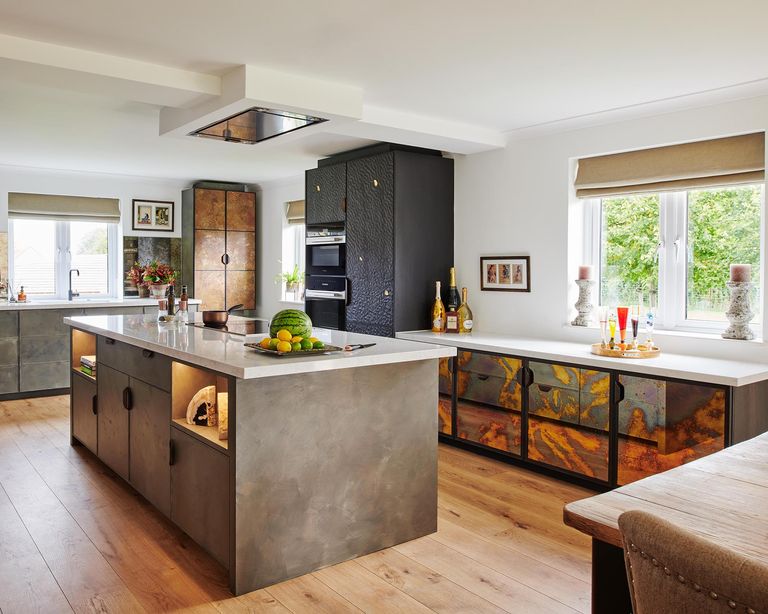
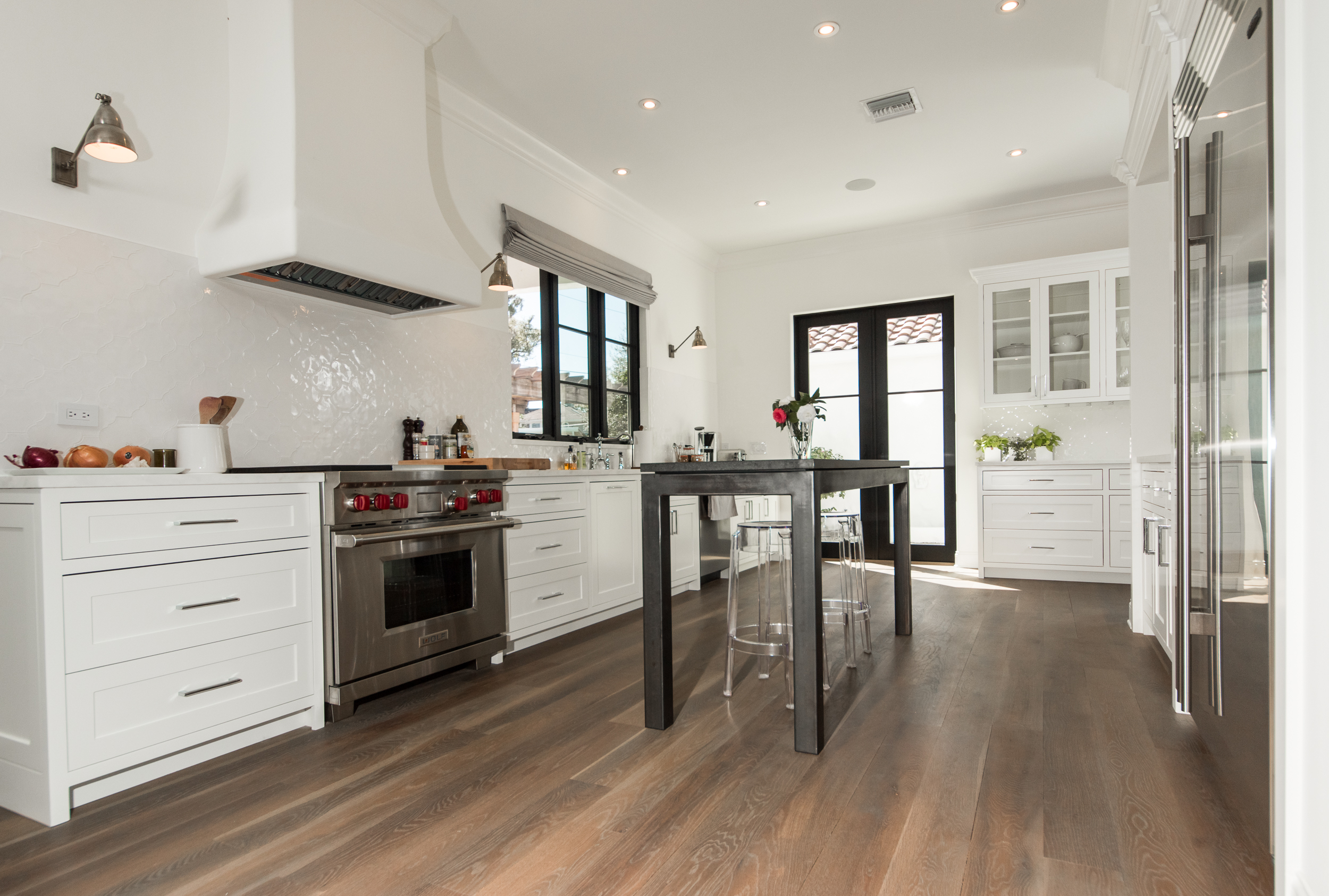
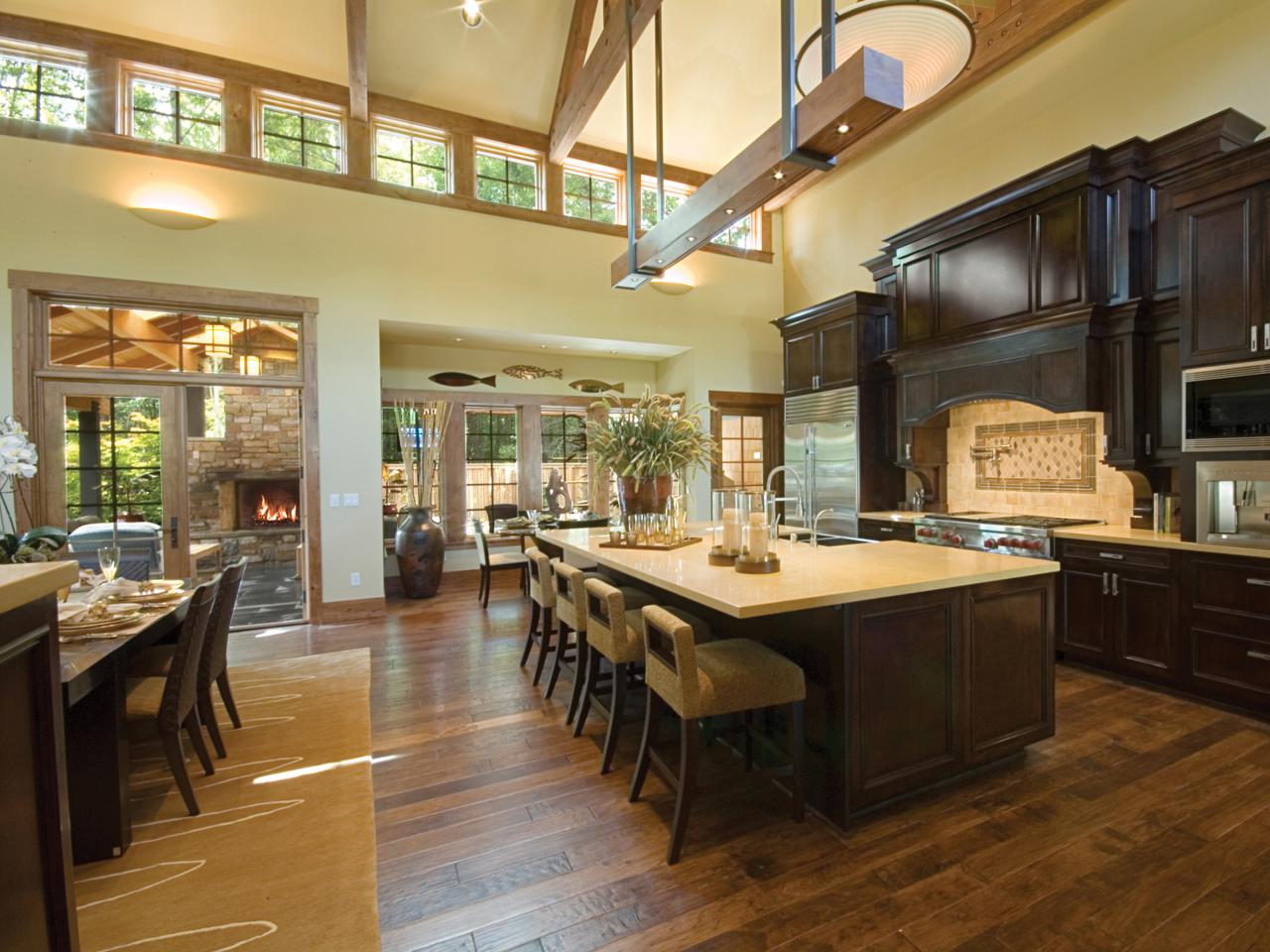
Real wood flooring brings versatility in design, allowing it to match almost any kitchen concept. Light woods like ash or white oak can brighten up smaller kitchens, making them feel more open and airy. On the other hand, rich tones like walnut or mahogany can add depth and luxury to larger spaces, especially when paired with soft cabinet colours or neutral countertops.
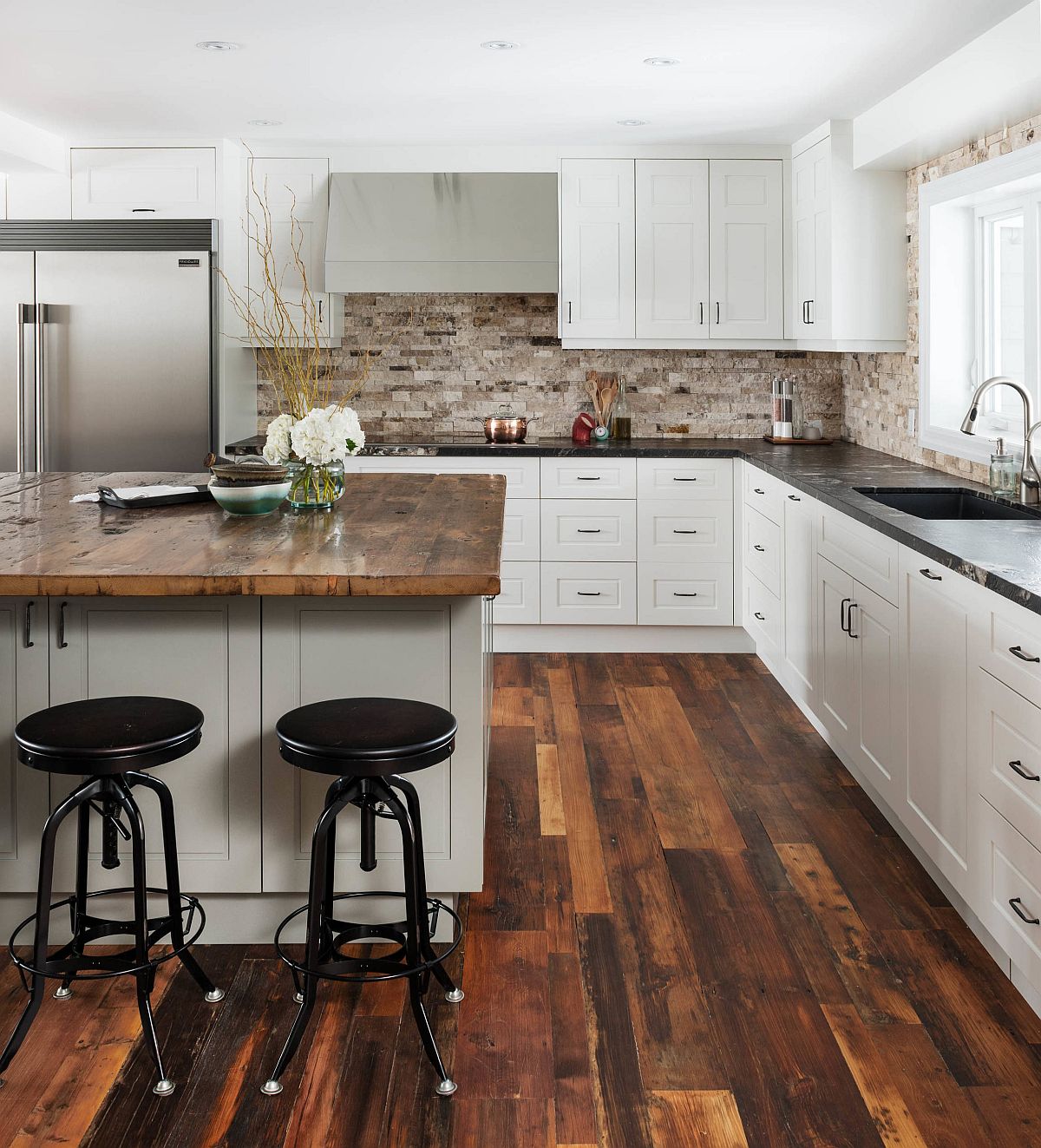
Wood flooring also works well with other materials commonly found in kitchens. It contrasts beautifully with stainless steel appliances, natural stone backsplashes, and painted cabinets. The mix of warm wood and cool surfaces adds visual interest without creating clutter. This balance of textures contributes to a well-rounded and stylish kitchen environment.
Patterned wood floors like herringbone or wide planks can add subtle drama without overwhelming the space. These layouts allow homeowners to customize the look while staying within a traditional palette. Even the direction of the planks can change how the room feels—horizontal planks widen the space, while vertical ones add length. With so many layout options, wood flooring provides the freedom to fine-tune the kitchen’s look.
Maintenance Tips for Long-Term Performance
Taking care of real wood flooring in the kitchen doesn’t have to be complicated. Regular sweeping or vacuuming with a soft attachment removes dirt that could scratch the surface. Damp mops—never wet—can be used for occasional deeper cleaning, especially if paired with wood-safe cleaning solutions. Avoiding excess water during cleaning is key to keeping the floor in good shape.
Using felt pads under chairs and tables helps prevent scratches and dents. Placing doormats at entry points keeps out dirt and grit that could wear down the surface. In high-traffic zones like near the sink or dishwasher, small rugs with non-slip backing offer extra protection without compromising the look. These practical steps can extend the floor’s life and maintain its shine.
Refinishing is another benefit of real wood. Over time, if the finish wears thin or minor damage appears, sanding and reapplying the protective coat can restore the floor. Solid hardwood can be refinished multiple times, depending on thickness, making it a longer-lasting investment. Even engineered wood can be refinished once or twice, offering some level of renewal that vinyl or laminate cannot provide.
Making the Right Investment
Installing real wood flooring in a kitchen is a design and financial decision. While the initial cost may be higher than other materials, the long-term value often justifies the expense. Wood flooring adds character and class, qualities that enhance home resale value. Many buyers consider wood a premium feature, especially when maintained well.
It’s also an emotional investment. Wood carries a warmth and familiarity that many synthetic floors lack. Over time, it develops a patina that reflects the home’s life and activity. These signs of age often add charm rather than detract from the look. A wood floor becomes part of the home’s personality, evolving along with the people who live there.
Finally, choosing real wood reflects a desire for natural materials in a world full of artificial alternatives. It connects the kitchen—the heart of the home—with nature. With the right wood type, finish, and care routine, real wood flooring is not only a practical choice but a lasting one that stands the test of time both visually and structurally.
Hardwood Flooring in the Kitchen
Hottest Trending Kitchen Floor
How Hard Can It Be to Choose a Hardwood Floor? – The New York Times

THE BEST KITCHEN FLOOR: TILE VS HARDWOOD

Hottest Trending Kitchen Floor for 2020: Wood Floors Take Over
Related Posts: