Marble flooring has been a symbol of luxury and sophistication for centuries. Its natural beauty, unique veining patterns, and cool surface make it a favorite for homeowners who want a high-end look. I’ve always admired how marble can instantly elevate a space, whether it’s a grand foyer, a sleek kitchen, or a serene bathroom. But beyond its aesthetics, solid marble flooring is also incredibly durable when properly maintained. Let me walk you through everything you need to know about marble flooring, from its benefits to maintenance tips.
The Beauty and Uniqueness of Solid Marble Flooring
One of the biggest reasons I love marble flooring is its natural elegance. No two marble slabs are exactly alike, meaning your floor will have a one-of-a-kind appearance. The veining patterns range from subtle swirls to bold, dramatic streaks, allowing you to choose a style that fits your home’s aesthetic. Whether you prefer the classic white Carrara or the deep green of Verde Antique, marble offers endless design possibilities.
Another aspect I appreciate is how marble reflects light, making spaces feel brighter and more open. This is especially useful in rooms with limited natural light. The polished finish enhances this effect, creating a glossy, high-end look. Even in matte finishes, marble retains its luxurious appeal, proving its versatility in different interior styles, from modern to traditional.
However, marble isn’t just about looks, it’s also a statement of quality. Unlike synthetic materials, marble ages gracefully, developing a patina over time that adds character. Some people worry about scratches or etching, but I see these minor imperfections as part of the stone’s charm. With proper sealing and care, marble floors can last for decades, making them a worthwhile investment.
Durability and Longevity of Marble Floors
When I first considered marble flooring, I was concerned about its durability. But after researching and speaking with experts, I learned that marble is actually quite strong when installed correctly. It’s resistant to cracking under pressure, making it suitable for high-traffic areas. However, it’s softer than granite, so it’s more prone to scratches from sharp objects. Placing felt pads under furniture and avoiding dragging heavy items can help preserve its surface.
Another factor that impressed me is marble’s ability to withstand heat, making it ideal for kitchens where hot pots and pans are common. Unlike vinyl or laminate, marble won’t warp or discolor from temperature changes. This heat resistance also makes it a great choice for bathrooms with underfloor heating systems. The stone retains warmth, providing a comfortable surface underfoot during colder months.
That said, marble does require maintenance to keep it looking its best. Acidic substances like lemon juice or vinegar can cause etching, so wiping spills immediately is crucial. Regular sealing (every 6-12 months) helps protect against stains and moisture damage. While some may see this as a downside, I think the trade-off is worth it for such a stunning and long-lasting material.

Installation Process and Key Considerations
Installing marble flooring is not a DIY project, at least not for beginners. I learned this the hard way when I considered doing it myself. Marble tiles are heavy, and the subfloor must be perfectly level to prevent cracking. Professionals use specialized thinset mortar and leveling systems to ensure a flawless installation. If the floor isn’t prepped correctly, you might end up with uneven tiles or grout lines that don’t align properly.
Another thing I discovered is that marble needs acclimation before installation. The stone should sit in the room for at least 48 hours to adjust to the humidity and temperature. Skipping this step can lead to expansion or contraction after installation, causing cracks. Also, marble tiles should be sealed before grouting to prevent staining from the grout. A professional installer will handle all these details, saving you from costly mistakes.
One more consideration is the type of marble you choose. Honed marble has a matte finish and is slightly more slip-resistant, making it better for bathrooms. Polished marble, while stunning, can be slippery when wet. If you’re set on polished marble in wet areas, adding area rugs or textured sealants can improve safety. It’s all about balancing beauty with practicality.
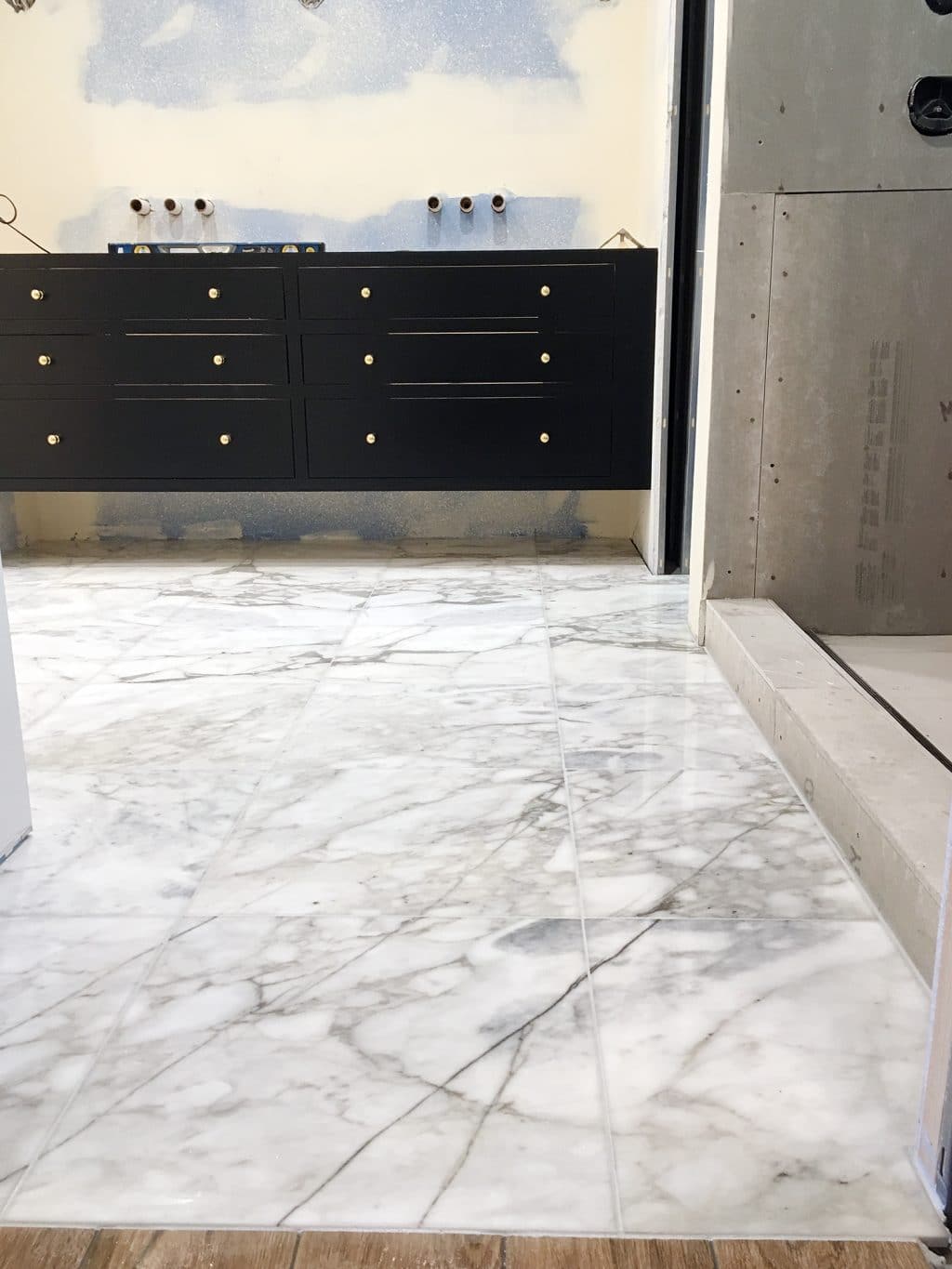
Cost Comparison with Other Flooring Options
Marble flooring is undeniably more expensive than materials like ceramic tile or laminate, but I believe the investment is justified. On average, marble costs between $10 and $20 per square foot, not including installation. High-end varieties like Calacatta can go up to $50 per square foot. Compare that to porcelain tile, which ranges from $3 to $10, and you’ll see why some homeowners hesitate. However, marble’s longevity and timeless appeal make it a better long-term value.
Another cost factor is maintenance. While marble requires sealing and careful cleaning, other premium flooring options like hardwood also need regular upkeep. Hardwood refinishing can cost thousands over time, whereas marble only needs resealing. If you factor in marble’s resistance to heat and moisture, it can actually be more practical than wood in kitchens and bathrooms, where water damage is a concern.
That said, marble isn’t for every budget. If you love the look but can’t afford solid marble, marble-look porcelain tiles are a great alternative. They mimic the veining patterns at a fraction of the cost. However, they lack the depth and natural variation of real marble. For me, nothing compares to the real thing, but it’s good to know there are options for different budgets.
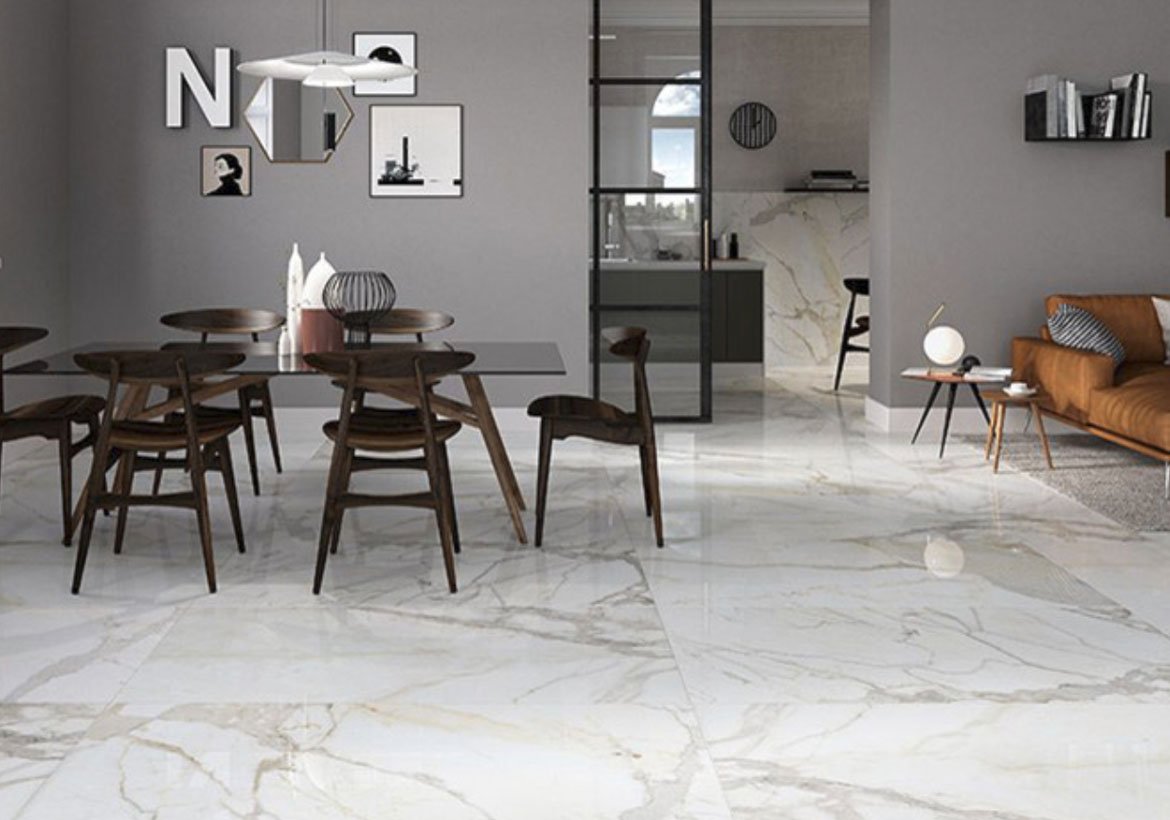
Maintenance Tips to Keep Marble Floors Pristine
Maintaining marble floors isn’t as daunting as some people think, but it does require consistency. The first rule I follow is using pH-neutral cleaners. Harsh chemicals like bleach or ammonia can strip the sealant and damage the stone. Instead, I use a mild dish soap mixed with warm water for routine cleaning. For deeper cleans, I rely on stone-specific cleaners that won’t leave residue or cause etching.
Another habit I’ve adopted is placing doormats at all entrances. Dirt and grit act like sandpaper, scratching the marble’s surface over time. By trapping debris before it reaches the floor, I minimize wear and tear. I also avoid walking on marble with high heels or shoes that have small rocks stuck in the treads. These small precautions go a long way in preserving the floor’s shine.
Finally, resealing is non-negotiable. I test my marble’s sealant every few months by sprinkling water on it. If the water beads up, the sealant is still effective. If it soaks in, it’s time to reseal. I prefer impregnating sealers because they penetrate the stone rather than sitting on top, providing longer-lasting protection. With these simple steps, my marble floors still look as stunning as the day they were installed.

Design Ideas to Enhance Your Space with Marble
Marble doesn’t have to be limited to traditional or ultra-luxury interiors. In my home, I’ve used it in unexpected ways to create a modern yet timeless feel. For example, I installed large-format marble tiles in my living room to minimize grout lines and create a seamless look. The reflective surface makes the room feel more spacious, and the neutral tones pair well with both bold and minimalist decor.
In the kitchen, I opted for a marble waterfall countertop that extends to the floor. This continuous flow adds a sleek, high-end touch. To prevent the space from feeling too cold, I balanced the marble with warm wood accents and textured rugs. Another idea I love is using marble in a herringbone or chevron pattern. It’s a fresh take on classic marble flooring and adds visual interest without overwhelming the space.
For bathrooms, I recommend book-matched marble slabs for the walls and floors. This technique places adjacent slabs like mirror images, creating a symmetrical, artistic effect. Pairing marble with matte black fixtures or brass hardware elevates the design further. Whether you prefer a monochromatic look or bold contrasts, marble’s versatility lets you customize your space to match your personal style.

Is marble flooring suitable for high-traffic areas?
Yes, marble can handle high-traffic areas, but it requires proper care. While it’s durable, it’s softer than granite, so it’s more prone to scratches. Placing rugs in entryways and using furniture pads can help protect the surface. Regular sealing and immediate spill cleanup are also essential. In commercial spaces, honed marble is a better choice because it hides wear better than polished marble. With the right precautions, marble floors can last for generations.
How often should marble floors be sealed?
The frequency depends on the type of marble and the amount of foot traffic. Generally, I reseal my marble floors every 6 to 12 months. To test if resealing is needed, sprinkle water on the floor. If it darkens the stone or soaks in within a few minutes, it’s time to reseal. High-traffic areas like kitchens may need more frequent sealing, while low-traffic spaces can go longer. Using a high-quality impregnating sealer provides longer protection than topical sealers.

Can marble flooring be used with underfloor heating?
Absolutely! Marble is an excellent conductor of heat, making it ideal for radiant heating systems. The stone retains warmth and distributes it evenly, creating a cozy feel underfoot. However, the heating system must be installed correctly to avoid temperature shocks that could crack the marble. A professional should ensure the thermostat has gradual temperature controls. I love how marble floors feel warm in winter and naturally cool in summer, adding year-round comfort.
What’s the difference between honed and polished marble?
Honed marble has a matte, smooth finish with little to no shine, making it more slip-resistant and better at hiding scratches. Polished marble has a glossy, reflective finish that enhances the stone’s natural veining but can be slippery when wet. I prefer honed marble in bathrooms and kitchens for safety, while polished marble works well in living rooms and entryways for a luxurious look. Both finishes require sealing, but honed marble may show stains more easily due to its porous surface.

How do I remove stains or etching from marble?
For stains, I make a poultice using baking soda and water, apply it to the stain, and cover it with plastic wrap overnight. The paste draws out the stain as it dries. For etching (dull spots caused by acids), a marble polishing powder can restore the shine. Deep scratches or severe etching may require professional refinishing. Prevention is key, so always wipe up spills immediately and avoid acidic cleaners. With prompt care, most stains and etches can be minimized or removed.
Is marble flooring eco-friendly?
Marble is a natural stone, so it doesn’t emit VOCs like synthetic flooring. However, quarrying and transporting marble have environmental impacts. To make a more sustainable choice, I sourced marble from local suppliers to reduce transportation emissions. Another option is using reclaimed marble from old buildings. While marble isn’t as eco-friendly as bamboo or cork, its longevity means it won’t need replacement as often, reducing waste over time.
Final Thoughts
Marble flooring is a timeless investment that adds elegance and value to any home. While it requires care, the payoff is a stunning, durable surface that only gets better with age. Whether you choose classic white Carrara or bold black Marquina, marble brings unmatched beauty to your space. If you’re considering marble, I hope this guide helps you make an informed decision. Let me know if you have any other questions!

The Pros and Cons of Marble Tile

Tile That Looks Like Marble: Solid Ideas for Your Remodel
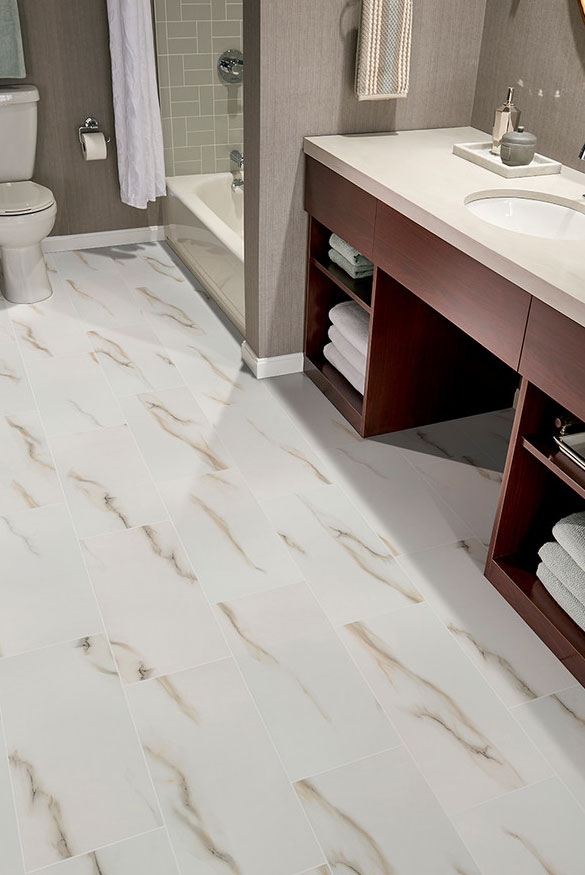
12×12 Botticino Beige Solid Tumbled Square Marble Flooring Tile

Achim Nexus 12″x12″ 1.2mm Peel u0026 Stick Vinyl Floor Tiles 20 Tiles
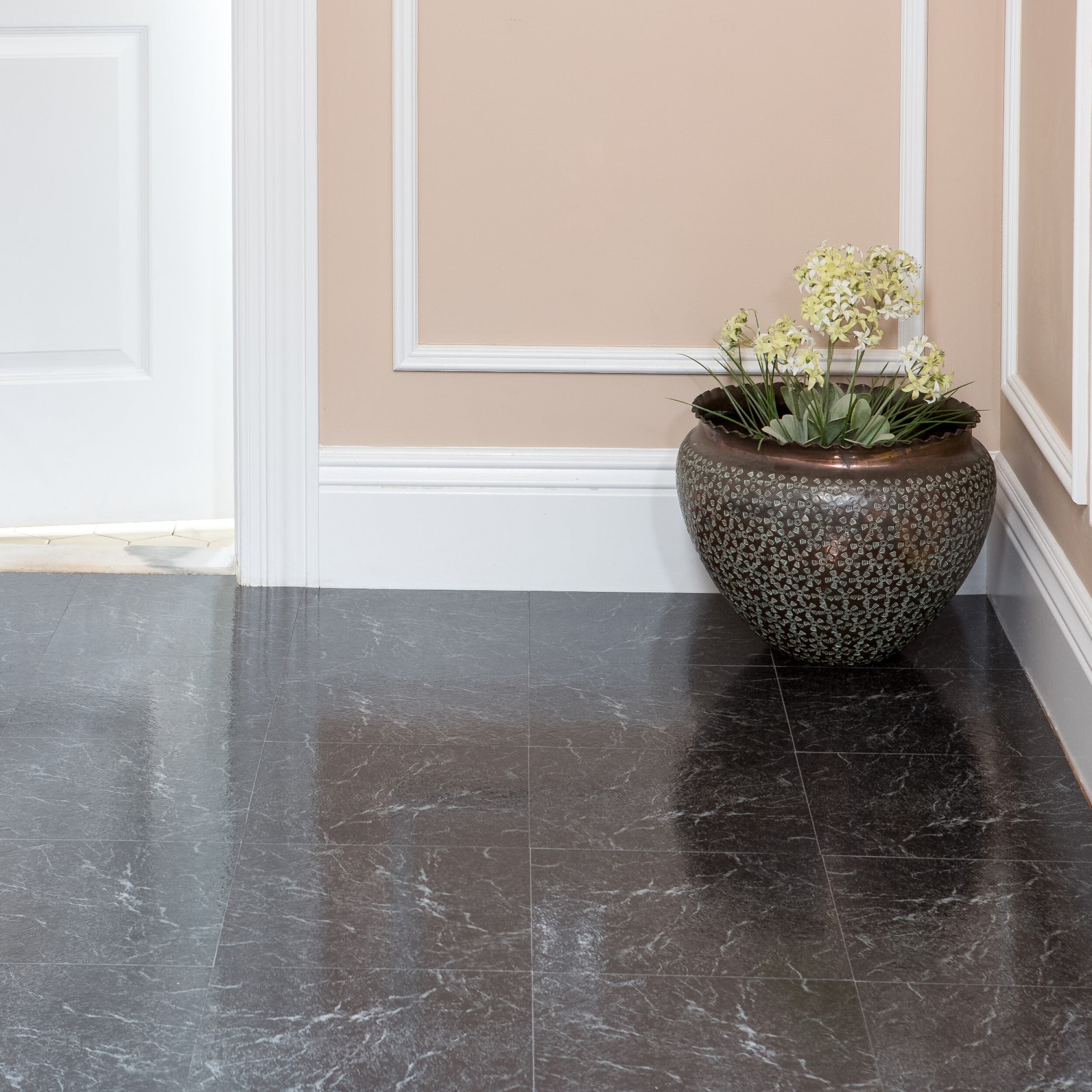
Solid Rectangles II – Rice White Marble Honed Architonic

Related Posts: