Keeping tile floors clean can be challenging, especially when dealing with grime, spills, and stubborn stains. Over the years, I’ve tried countless mop solutions, from store-bought cleaners to DIY mixtures, and I’ve learned what works. The right mop solution not only cleans effectively but also protects your tiles and grout from damage. Below, I share my top recommendations, including commercial cleaners, homemade recipes, and the best mop types for different tile surfaces.
Understanding Different Types of Tile Floors
Not all tile floors are the same, and using the wrong cleaning solution can cause damage. Ceramic and porcelain tiles are durable and resistant to moisture, making them easier to clean. However, natural stone tiles like marble, travertine, and slate require gentler solutions because acidic or abrasive cleaners can etch or dull their surfaces. I made the mistake of using vinegar on my marble floors once, and it left dull spots that needed professional polishing to fix.
Glazed tiles have a protective coating that repels stains, so they can handle stronger cleaners. Unglazed tiles, on the other hand, are more porous and absorb liquids quickly, meaning harsh chemicals can seep in and cause discoloration. When choosing a mop solution, I always check the manufacturer’s recommendations first. A pH-neutral cleaner is usually the safest bet for most tile types, but it’s worth doing a patch test in an inconspicuous area before full application.
Another factor to consider is grout. Grout lines trap dirt and bacteria, turning gray or black over time if not cleaned properly. Some cleaners are specifically formulated to brighten grout, while others focus solely on the tile surface. If your grout is stained, you might need a separate grout cleaner or a steam mop for deep cleaning. Understanding your tile and grout type is the first step in choosing the right mop solution.
Best Commercial Tile Floor Cleaners
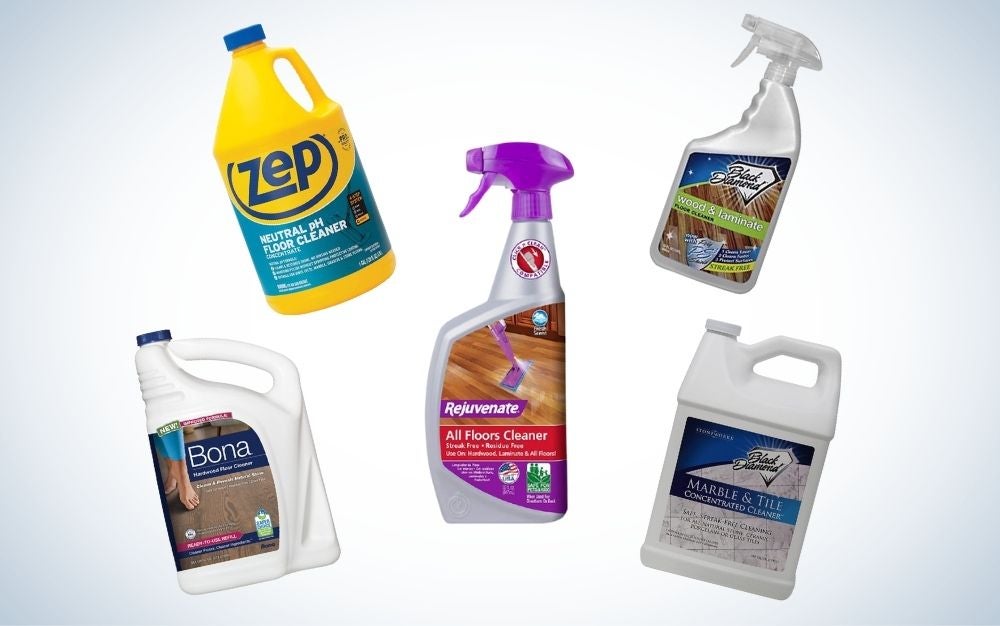
After testing numerous commercial cleaners, I’ve found a few that stand out. Bona Stone, Tile & Laminate Floor Cleaner is my go-to for natural stone tiles because it’s pH-balanced and doesn’t leave residue. It’s also safe for sealed grout, which is a big plus. For ceramic and porcelain tiles, I like Zep Neutral pH Floor Cleaner because it cuts through grease and dirt without damaging the finish. Both of these are easy to use—just spray and mop without rinsing.
For heavily soiled floors or homes with pets, I recommend a stronger cleaner like Rejuvenate All Floors Cleaner. It’s designed to remove tough stains and restore shine without leaving a slippery film. However, it’s not suitable for unsealed natural stone, so always check the label. Another great option is Black Diamond Stoneworks Grout & Tile Cleaner, which works well on grout lines and eliminates mildew. I’ve used it in my bathroom, and it made a noticeable difference in just one application.
One thing I avoid is cleaners with ammonia or bleach unless necessary. While they disinfect well, they can break down sealants over time and discolor grout. If I need disinfecting power, I opt for hydrogen peroxide-based cleaners instead. They’re gentler but still effective against bacteria. Commercial cleaners are convenient, but they can be pricey, which is why I also use DIY solutions for regular maintenance.
Effective Homemade Mop Solutions
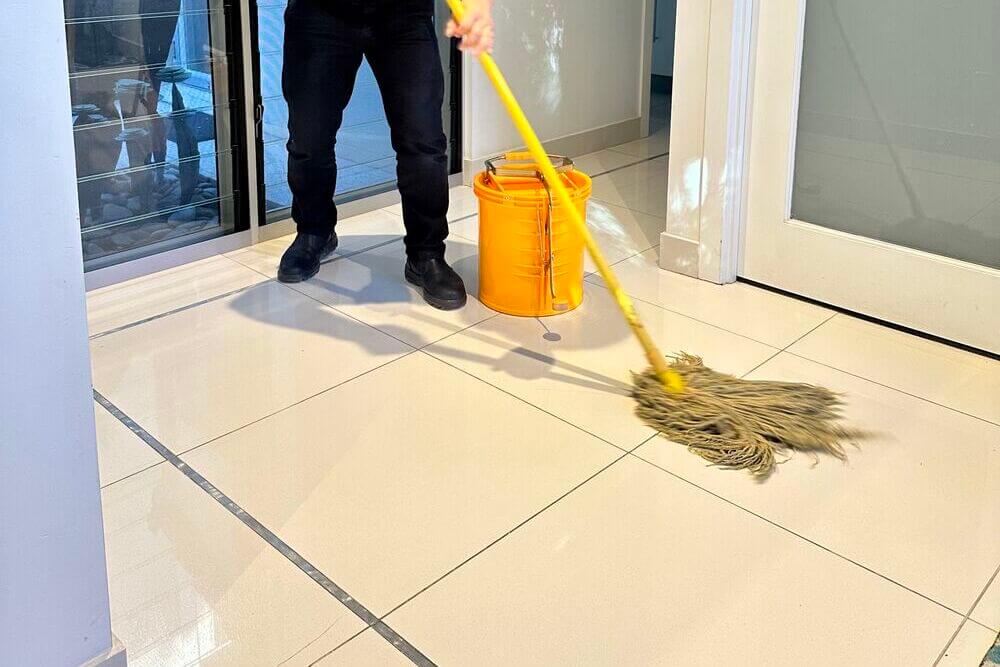
If you prefer natural cleaners, a simple mix of warm water and dish soap works surprisingly well for daily mopping. I use a few drops of Dawn in a bucket of warm water—it’s gentle enough for most tiles but tough on grease. For disinfecting, I add a cup of hydrogen peroxide, which kills germs without harming surfaces. This combo is safe for ceramic, porcelain, and sealed stone tiles, and it leaves floors looking shiny.
For deeper cleaning, I make a baking soda paste for grout lines. I mix baking soda with water to form a thick paste, scrub it into the grout with a toothbrush, then rinse. If there’s mildew, I spray diluted vinegar (only on ceramic or porcelain, never stone) before applying the paste. The reaction helps lift stains. Another favorite is a mix of warm water, rubbing alcohol, and a few drops of essential oil for fragrance. The alcohol evaporates quickly, reducing streaks.
One mistake I used to make was using too much cleaner, which leaves a sticky residue. Now, I wring out the mop thoroughly to avoid excess moisture. Too much water can seep into grout and cause mold or loosen tiles over time. Homemade solutions are cost-effective and customizable, but they may not be as powerful as commercial cleaners for tough jobs. I alternate between both depending on the level of dirt.
:strip_icc()/using-mop-on-tile-floor-027ba7df-e1e99ac808ff462f8d6c78ce82d6a1e0.jpg)
The Power of Steam Mops for Deep Cleaning
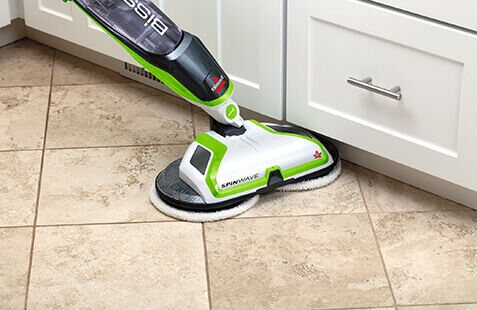
When it comes to deep cleaning tile floors, nothing beats a steam mop in my experience. The high-temperature steam penetrates grout lines and kills bacteria without chemicals, which is perfect for homes with kids or pets. I was skeptical at first, thinking it might damage the grout, but after using one regularly I can confirm it’s safe for sealed tiles and actually helps preserve them by removing dirt that causes wear.
My favorite feature is how quickly steam mops dry compared to traditional mopping. There’s no waiting around for floors to dry, which means no slippery surfaces or water spots. I’ve found they work especially well on textured tiles that tend to trap dirt in crevices. Just be careful with unsealed natural stone – the heat and moisture can sometimes cause problems if used too frequently.
For best results, I use distilled water in my steam mop to prevent mineral buildup. Some models come with attachments for grout cleaning, which saves me from getting on my hands and knees to scrub. While steam mops are more expensive upfront than regular mops, they’ve saved me money on cleaning products in the long run.
Choosing the Right Mop for Tile Floors
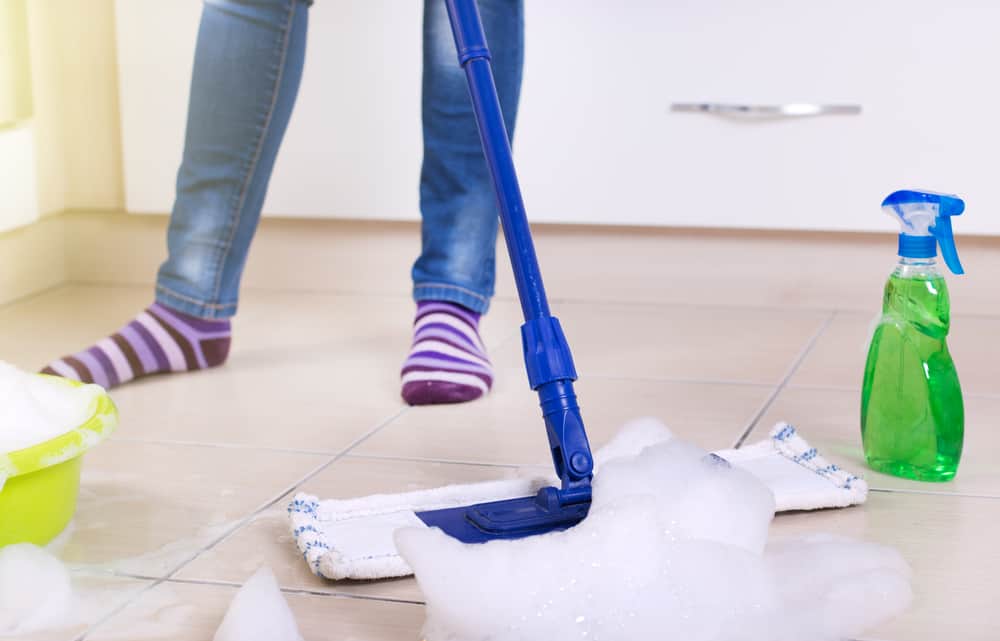
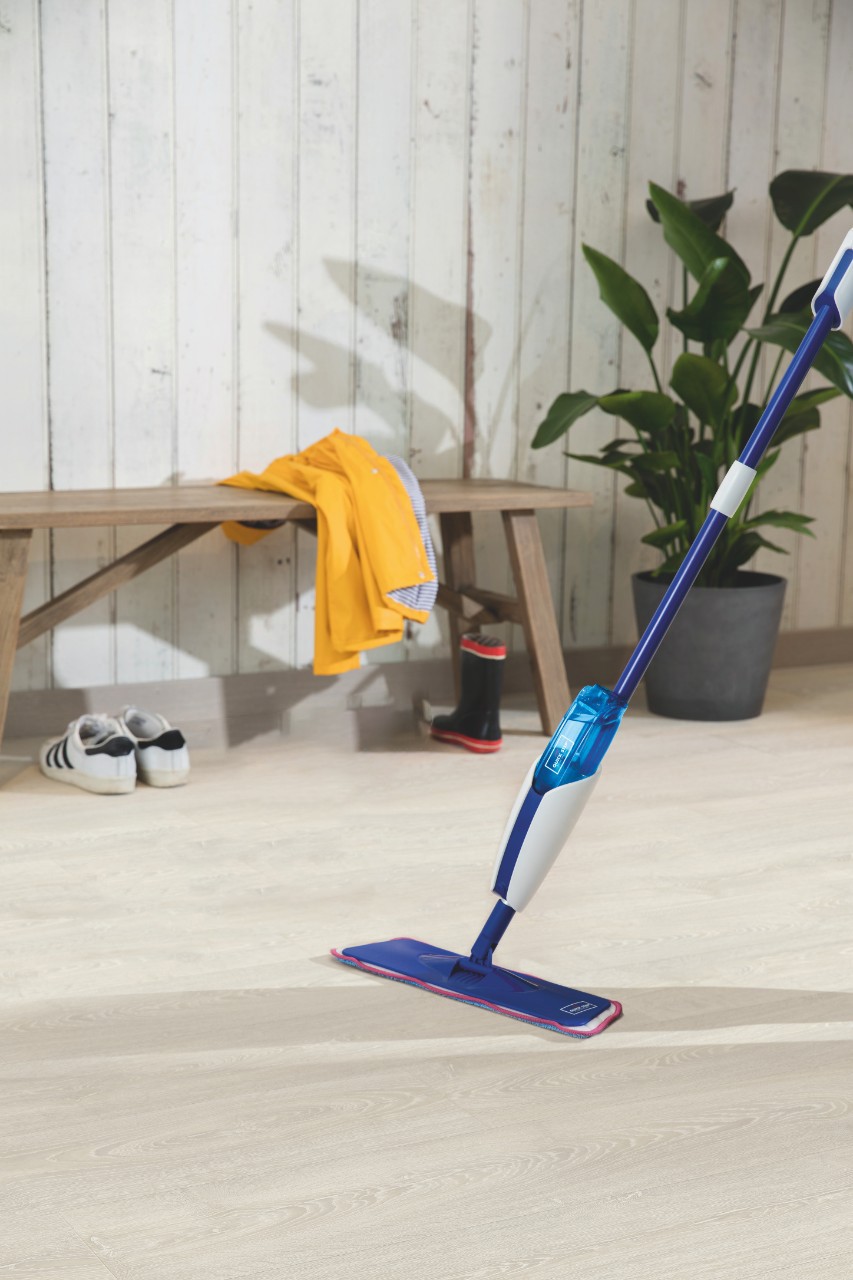
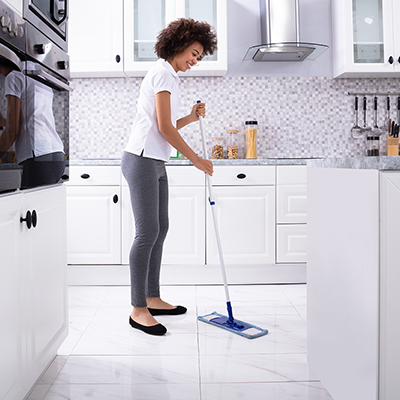
Through trial and error, I’ve learned that not all mops work equally well on tile. My top pick is a microfiber mop because the dense fibers trap dirt instead of just pushing it around. The flat design gets into corners better than traditional string mops, and the removable pads make cleaning easier – just toss them in the wash. I keep several pads on hand so I can switch them out as they get dirty during cleaning.
Spin mops are another great option, especially for larger areas. The bucket’s spinning mechanism helps wring out excess water, which is crucial for preventing streaking and water damage. I like that I can control how damp the mop head stays – more water for tough messes, less for quick cleanups. The replaceable mop heads last longer than disposable pads, making them more economical over time.
I avoid sponge mops for tile floors because they tend to leave behind too much moisture and can spread dirt if not rinsed frequently. String mops have their place for deep cleaning, but they require more effort to wring out properly and can leave lint behind. Whatever mop you choose, make sure to clean or replace the head regularly to avoid spreading bacteria.
Maintaining Your Tile Floors Between Cleanings
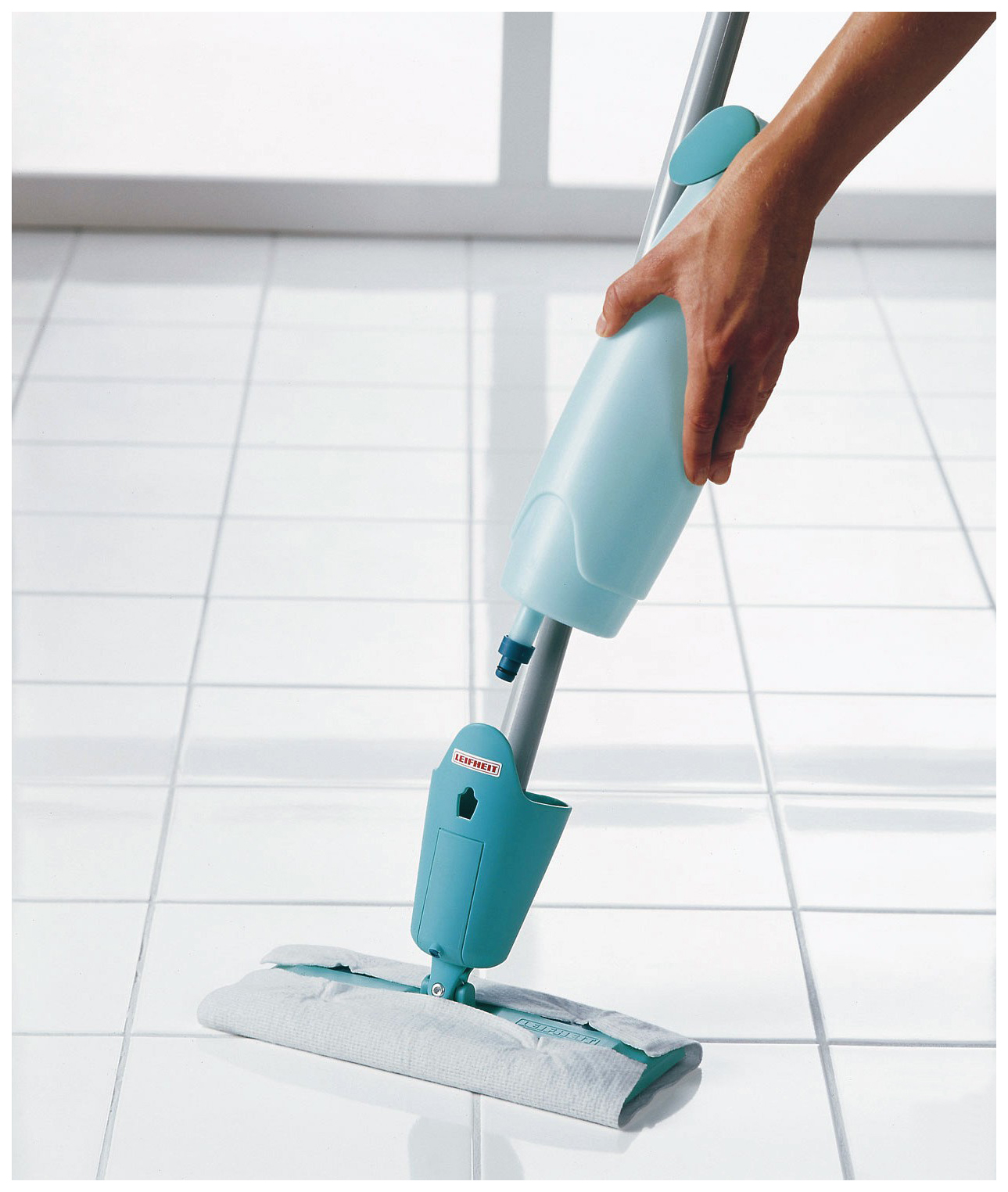
Regular maintenance is key to keeping tile floors looking their best. I’ve developed a simple routine that prevents dirt buildup and makes deep cleaning easier. First, I sweep or vacuum daily to remove loose debris that can scratch the surface. A dry microfiber mop works great for this too, especially for picking up pet hair and dust.
For quick spot cleaning, I keep a spray bottle with my favorite cleaning solution and a microfiber cloth handy. Immediate attention to spills prevents stains, especially on porous tiles like travertine. In high-traffic areas, I place washable mats to catch dirt before it reaches the floor. Rotating rugs occasionally helps prevent uneven wear patterns.
Every few months, I check the grout condition and reseal if necessary. This simple step makes routine cleaning much easier by preventing stains from setting in. I also inspect tile edges and corners for any cracks or loose pieces that might need repair. Taking these preventative measures has significantly extended the life of my tile floors and kept them looking like new.

Eco-Friendly Cleaning Solutions for Tile
As someone who prefers environmentally friendly options, I’ve tested many green cleaning methods for tile floors. One of my favorites is using castile soap – it’s plant-based, biodegradable, and gentle yet effective. A small amount mixed with warm water cleans most tile surfaces without leaving residue. For tough stains, I sprinkle baking soda first, then scrub with the soap solution.
Essential oils can add natural cleaning power and fresh scent. Tea tree oil has natural antifungal properties that help keep grout lines clean, while lemon oil works well on grease. I mix 10-15 drops per gallon of cleaning solution. Just remember that some oils shouldn’t be used on natural stone, so always check compatibility first.
For those who want completely waste-free options, reusable cleaning pads and refillable spray bottles reduce plastic waste. I’ve even switched to a steam mop with washable pads to eliminate disposable cleaning products altogether. These green solutions prove you don’t need harsh chemicals to maintain beautiful, clean tile floors.

How often should I mop my tile floors?
I recommend mopping high-traffic areas at least once a week, and less-used spaces every 2-3 weeks. However, this depends on your household – homes with pets or kids may need more frequent cleaning. The key is to sweep or vacuum first to remove abrasive dirt that can scratch surfaces during mopping. Spot clean spills immediately to prevent stains, especially on porous tiles.
Can I use vinegar to clean tile floors?
Vinegar works well on ceramic and porcelain tiles, but I never use it on natural stone like marble or travertine. The acid can etch the surface over time, leaving dull spots. Even for safe surfaces, I dilute vinegar with water (1 part vinegar to 4 parts water) and rinse afterward. For regular cleaning, I prefer pH-neutral cleaners that are safer for all tile types and won’t damage grout sealant.
What’s the best way to clean grout lines?
For routine cleaning, I use a stiff-bristled brush with my regular tile cleaner. For deeper cleaning, I make a paste of baking soda and water, apply it to grout lines, then spray with hydrogen peroxide before scrubbing. Steam mops with grout attachments also work wonders. For persistent stains, a oxygen bleach solution (not chlorine bleach) can help brighten grout without damaging it.
How do I prevent streaks after mopping?
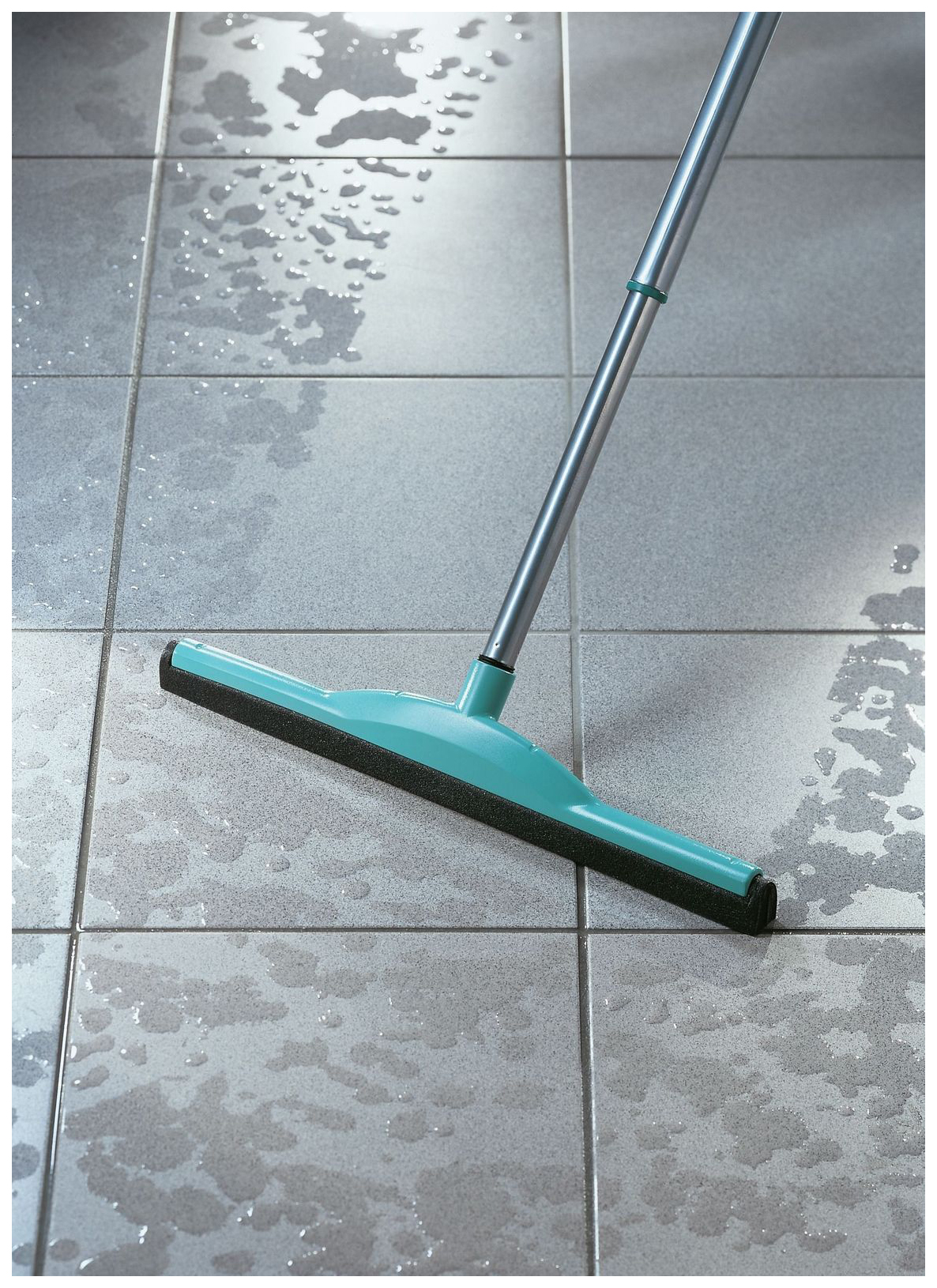
Streaking usually happens from using too much cleaner or not rinsing properly. I always wring out my mop thoroughly and change the water frequently. Using distilled water helps prevent mineral deposits that cause streaks. After mopping, I go over the floor with a dry microfiber mop to pick up any remaining moisture. Avoiding wax-based cleaners also prevents buildup that leads to streaking.
Are steam mops safe for all tile floors?
Steam mops are generally safe for ceramic and porcelain tiles with sealed grout. However, I’m cautious with natural stone tiles – the heat and moisture can potentially damage some types if used too frequently or at high temperatures. Always check your tile manufacturer’s recommendations first. I use my steam mop on the lowest effective setting and keep it moving to prevent excessive moisture in one spot.
How can I make my tile floors shine naturally?
After cleaning, I buff the floors with a dry microfiber mop to bring out natural shine. For extra gloss, I occasionally use a solution of 1 gallon warm water with 1/2 cup rubbing alcohol and 1/2 cup white vinegar (for non-stone tiles only). The alcohol helps prevent streaks while enhancing shine. For stone floors, a stone polish specifically designed for your tile type works best without damaging the surface.

Best Way to Clean Tile Floors BISSELL® Tips
Best floor cleaners
How to Clean Tile Floors
Related Posts: