I’ve been installing and working with white oak flooring for over fifteen years, and I can confidently say it remains one of my favorite materials to recommend to homeowners. The combination of durability, natural beauty, and versatility makes white oak an exceptional choice for any home renovation project. Through countless installations across different climates and household situations, I’ve witnessed firsthand how this remarkable hardwood transforms spaces while standing up to the demands of daily life. Let me share my insights and experiences with this timeless flooring option that continues to exceed expectations.
Understanding White Oak’s Natural Characteristics
White oak possesses a unique closed-grain structure that sets it apart from other hardwood species. I’ve noticed how this characteristic makes it naturally more resistant to moisture penetration compared to red oak or other open-grain woods. The density and tight grain pattern create a barrier that helps prevent water damage, making it suitable for kitchens and areas with occasional spills.
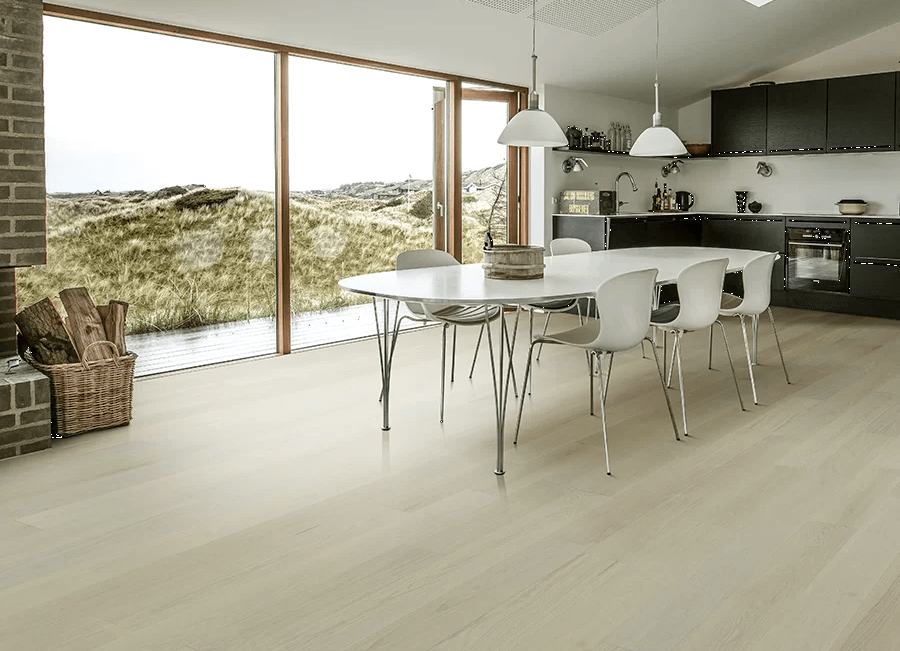
The natural color of white oak ranges from light cream to medium brown with subtle gray undertones. I appreciate how these neutral tones provide an excellent foundation for any design scheme. Unlike woods with pronounced red or yellow hues, white oak’s understated palette allows homeowners to change their decor without worrying about color clashes with their flooring investment.
One aspect I find fascinating about white oak is its ability to develop a beautiful patina over time. The wood naturally ages gracefully, often becoming more attractive as years pass. This aging process adds character and depth that synthetic materials simply cannot replicate, making each installation unique and increasingly valuable over time.
Installation Methods and Professional Techniques
My preferred installation method for white oak depends on the specific subfloor conditions and client needs. For wooden subfloors, I typically recommend nail-down installation using pneumatic nailers with appropriate fasteners. This method provides excellent stability and allows for future refinishing without concerns about adhesive interference during sanding operations.
Proper acclimation proves crucial for successful white oak installation. I always require the flooring to sit in the installation environment for at least 48 hours before beginning work. This process allows the wood to adjust to local humidity and temperature conditions, preventing future movement issues that could cause gaps or buckling problems.
Subfloor preparation makes the difference between a mediocre and an exceptional installation. I meticulously check for levelness, moisture content, and structural integrity before proceeding. Any deficiencies must be corrected first, as white oak’s hardness will telegraph even minor imperfections through to the finished surface, compromising both appearance and performance.

Durability and Performance in Real Conditions
White oak’s Janka hardness rating of 1360 places it among the more durable hardwood options available. Through my experience, I’ve seen these floors withstand heavy foot traffic, pet claws, and furniture movement better than softer species. The dense structure resists denting and scratching, maintaining its appearance even in busy households with children and pets.
Moisture resistance represents one of white oak’s greatest advantages over other hardwood choices. I’ve installed these floors in kitchens, dining rooms, and even covered porches where other woods would fail. While no hardwood is completely waterproof, white oak’s closed grain structure provides significantly better protection against humidity fluctuations and occasional water exposure.
The longevity of white oak flooring continues to impress me after years of follow-up visits with clients. Properly maintained installations from decades ago still look remarkable, often requiring only minor refinishing to restore their original beauty. This durability translates into excellent value for homeowners seeking a long-term flooring investment.
Staining and Finishing Options
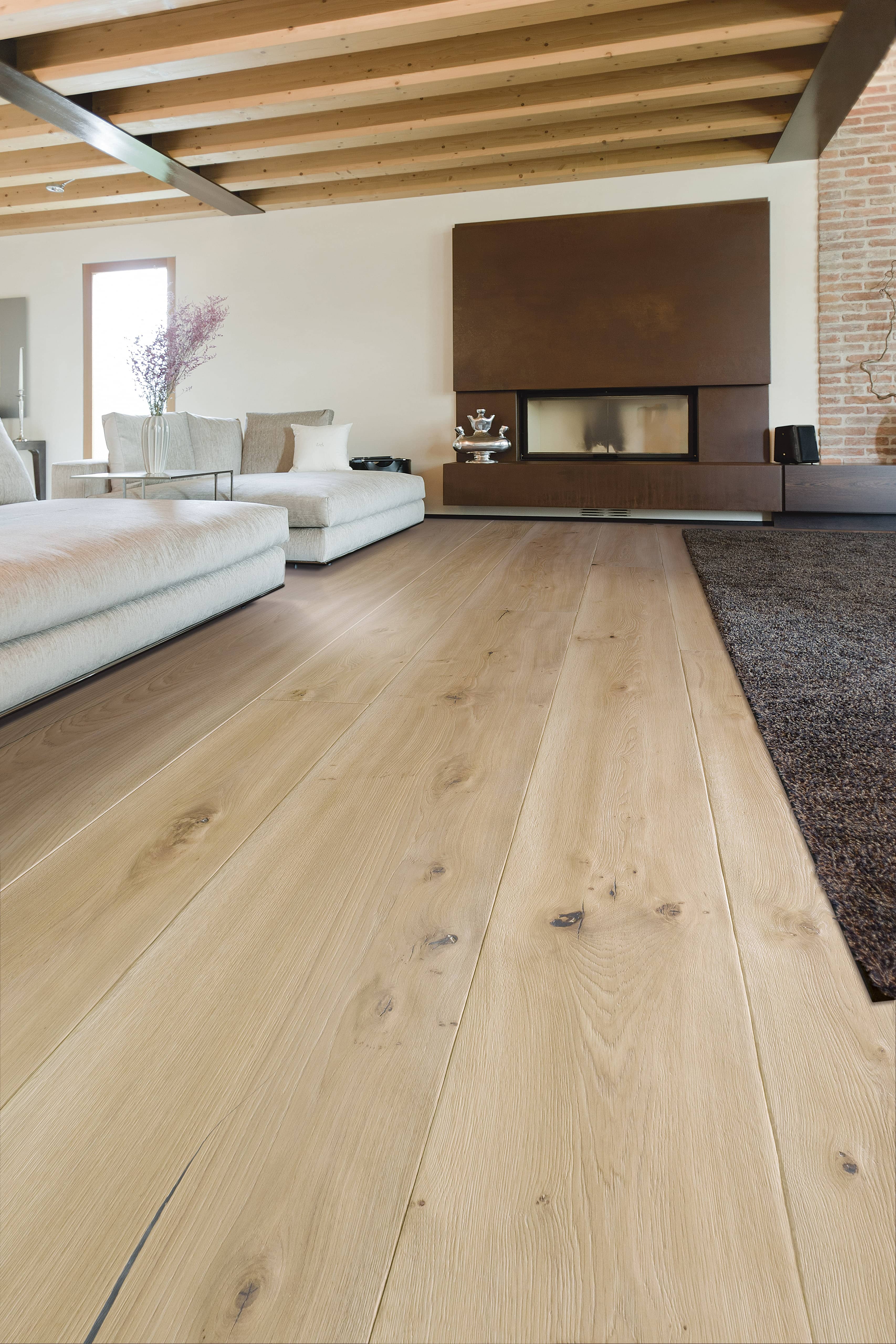
White oak accepts stains exceptionally well due to its consistent grain structure and porosity. I’ve achieved everything from light, Scandinavian-inspired finishes to rich, dark tones that rival walnut in depth. The wood’s neutral base allows for dramatic color transformations while maintaining the natural grain patterns that make hardwood so appealing to homeowners.
My finishing process typically involves multiple steps to achieve optimal durability and appearance. I prefer water-based polyurethane finishes for their clarity and low odor, though oil-based options provide deeper penetration and longer working times. The choice depends on the client’s preferences for sheen level, durability requirements, and environmental considerations.
Custom color matching has become increasingly popular among my clients seeking unique looks. White oak’s receptiveness to stains makes it possible to match existing woodwork or achieve specific design goals. I maintain samples of various stain combinations to help clients visualize the final result before committing to their flooring investment.

Maintenance Requirements and Long-term Care
Daily maintenance of white oak flooring requires minimal effort when proper techniques are followed. I recommend regular sweeping or vacuuming with soft brush attachments to remove dirt and debris that could cause scratching. Weekly damp mopping with pH-neutral cleaners designed for hardwood maintains the finish without causing damage or buildup.
Preventive care proves more effective than reactive maintenance for preserving white oak’s appearance. I advise clients to use furniture pads, maintain consistent humidity levels, and address spills immediately. These simple practices prevent the most common problems and extend the time between refinishing cycles significantly.
Refinishing white oak typically becomes necessary every seven to ten years in high-traffic areas, though this varies based on usage and care. The process involves sanding away the existing finish, applying new stain if desired, and protecting with fresh polyurethane coats. This renewal capability makes white oak an excellent long-term investment for homeowners.

Cost Considerations and Value Proposition
White oak pricing falls into the mid to upper range of hardwood flooring options, reflecting its quality and desirability. While initial costs exceed those of softer woods or engineered alternatives, the longevity and refinishing capability provide excellent value over the floor’s lifetime. I often explain to clients that quality hardwood represents a one-time investment rather than an ongoing expense.
Installation costs for white oak remain competitive with other premium hardwood species. The material’s stability and workability make it relatively straightforward to install, keeping labor expenses reasonable. However, proper installation requires experienced professionals to achieve optimal results and prevent future problems that could compromise the investment.
The resale value impact of white oak flooring consistently impresses the real estate professionals I work with. Quality hardwood floors, particularly white oak, significantly enhance home values and appeal to potential buyers. This appreciation often offsets the initial investment cost, making white oak both a lifestyle improvement and a sound financial decision for homeowners.
How does white oak compare to red oak in terms of durability and appearance?
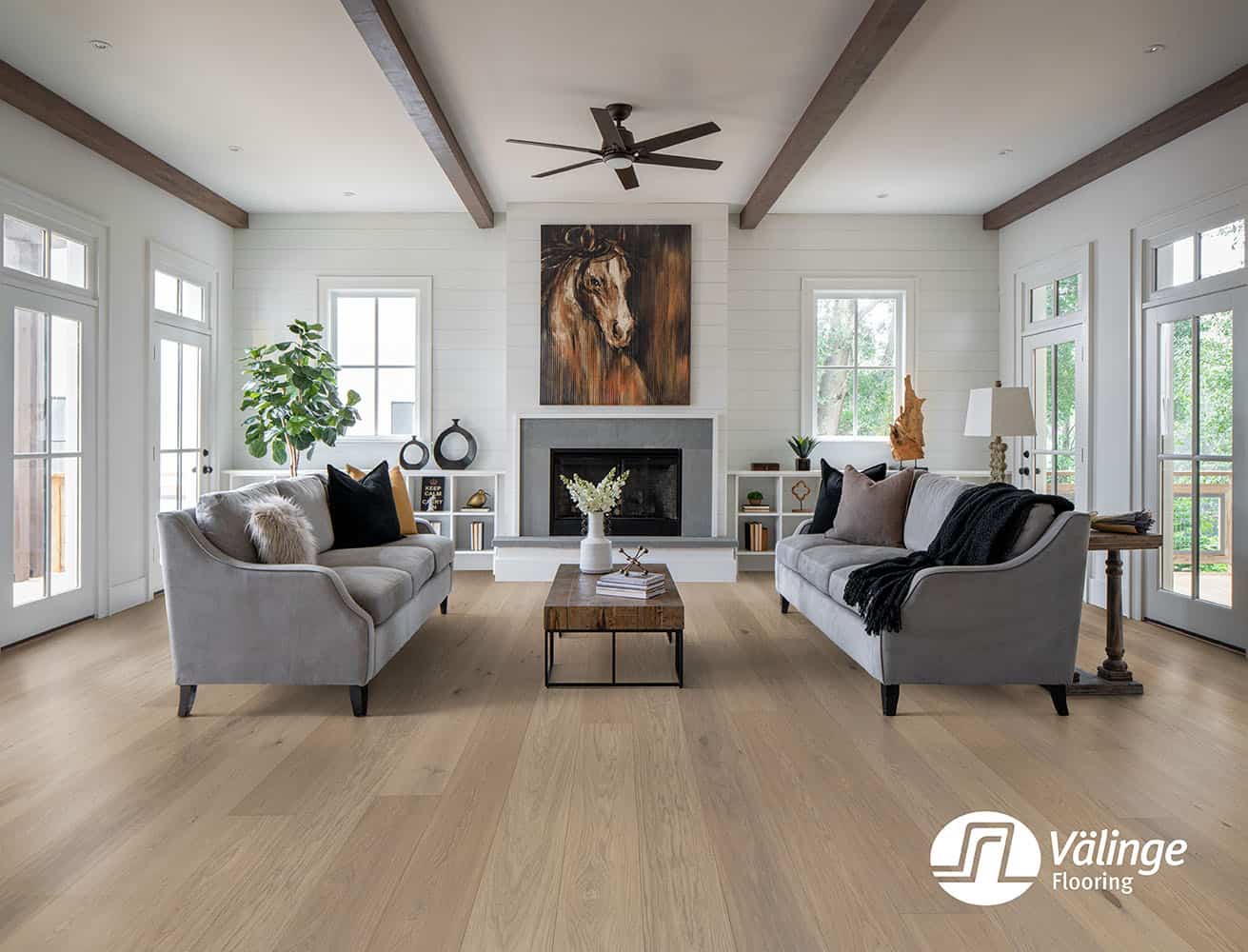
White oak surpasses red oak in several key areas, particularly moisture resistance and hardness. The closed-grain structure of white oak makes it more water-resistant, while its slightly higher Janka rating provides better dent and scratch resistance. Appearance-wise, white oak offers more neutral tones with gray undertones, while red oak tends toward warmer, reddish hues. Both accept stains well, but white oak’s neutral base provides more flexibility for achieving lighter finishes.
Can white oak flooring be installed in kitchens and bathrooms?
White oak works well in kitchens due to its moisture resistance, though I still recommend prompt cleanup of spills and proper ventilation. For bathrooms, I’m more cautious, typically suggesting engineered white oak or alternative materials in areas with high humidity and direct water exposure. The key is understanding that while white oak resists moisture better than most hardwoods, it’s not waterproof and requires appropriate care in wet environments.
What’s the typical lifespan of white oak flooring with proper maintenance?
Properly maintained white oak flooring can last 50 to 100 years or more, making it a true lifetime investment. The ability to sand and refinish the surface multiple times means the floor can be renewed whenever it shows wear. I’ve worked on white oak floors installed in the 1940s that still look beautiful after refinishing. The key factors are quality installation, appropriate maintenance, and periodic refinishing every 7-10 years in high-traffic areas.
Is white oak flooring suitable for homes with pets and children?
White oak performs excellently in homes with pets and children due to its hardness and scratch resistance. The closed-grain structure resists pet accidents better than softer woods, and the surface can withstand the wear from active families. I recommend area rugs in play areas and keeping pet nails trimmed to minimize scratching. The durability and refinishing capability make white oak an ideal choice for busy households that need flooring capable of handling daily wear.

How much does white oak flooring typically cost compared to other hardwood options?
White oak pricing typically falls in the mid to upper range of hardwood options, generally costing more than red oak or maple but less than exotic species like Brazilian cherry. Expect to pay 20-40% more than basic oak options, but the investment pays dividends in durability and longevity. When factoring in the extended lifespan and refinishing capability, white oak often provides better value than initially cheaper alternatives that require earlier replacement.
What installation method works best for white oak flooring?
I prefer nail-down installation for white oak on wooden subfloors, as it provides excellent stability and allows for easy refinishing. Glue-down works well over concrete subfloors, while floating installation can work but may feel less solid underfoot. The choice depends on your subfloor type, budget, and performance expectations. Proper acclimation and subfloor preparation matter more than the specific method chosen, so focus on working with experienced installers regardless of the technique selected.

Voyage Waren White Oak Wire-Brushed Engineered Hardwood
Related Posts: