Cherry wood flooring brings rich, reddish-brown tones and distinctive grain patterns that develop deeper character over time. This premium hardwood offers a sophisticated alternative to more common oak or maple, with its unique ability to darken and mature beautifully with exposure to light. Prized for its smooth texture and natural luster, cherry wood creates floors that feel both luxurious and inviting. While softer than some hardwoods, proper finishing and maintenance allow cherry floors to withstand decades of use while gaining a prized patina. From traditional to contemporary spaces, cherry wood’s warm hues and organic variations make it a versatile choice for homeowners seeking floors with personality.
Characteristics of Cherry Wood Flooring
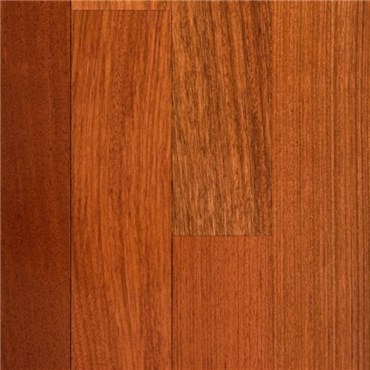
Cherry wood’s most notable quality is its evolving color palette. Freshly milled boards display a light pinkish-brown hue that gradually deepens to rich amber and eventually a warm reddish-brown over several months of light exposure. This natural darkening process creates floors that mature along with your home, developing depth and character impossible to replicate with stains. The color change occurs most dramatically in the first six months but continues subtly for years.
The wood’s grain pattern features smooth, straight lines with occasional wavy or curly figuring that adds visual interest. Smaller, tighter knots may appear as charming natural imperfections rather than defects. Cherry’s relatively uniform texture accepts stains and finishes evenly, though many homeowners prefer clear coats to highlight its natural coloring. The wood’s moderate luster reflects light beautifully without appearing overly glossy, contributing to its refined appearance.
While not as hard as oak or hickory, cherry’s Janka hardness rating of 950 provides sufficient durability for residential use. It shows wear differently than harder woods—developing gentle dents and scratches that blend into the patina rather than standing out as damage. This characteristic makes cherry ideal for homes embracing a lived-in, collected aesthetic where perfection isn’t the goal.
Grades and Cut Variations
Select grade cherry flooring offers the cleanest appearance with minimal character marks. These boards showcase the wood’s consistent color and straight grain with only occasional small knots or mineral streaks. Select grade works well in formal spaces or contemporary designs where uniform aesthetics take priority. The premium price reflects the careful sorting required to achieve this streamlined look.
#1 Common grade includes more natural features like larger knots, mineral streaks, and color variations. These “character marks” add rustic charm and authenticity to the flooring. The variation between boards creates dynamic floors with organic movement and visual texture. Many homeowners prefer this grade for traditional or country-style homes where personality outweighs perfection.
Plain sawn cherry (also called flat sawn) displays the classic cathedral grain pattern most associated with wood floors. Quarter sawn cherry produces straighter grain with distinctive ray fleck patterns that shimmer when light hits them. Rift sawn cherry offers the most linear grain appearance, prized for its sleek, uniform look. Each cutting method reveals different aspects of the wood’s figure, allowing customization of the floor’s overall character.

Finishing Options and Effects
Oil-based polyurethane finishes enhance cherry’s natural warmth while providing durable protection. These amber-toned finishes accelerate the wood’s darkening process, creating rich, glowing floors. Multiple coats build a protective layer that resists scratches and stains while allowing for future refinishing. The slight color change from oil-based products unifies the floor’s appearance.
Water-based polyurethane maintains cherry’s truer color with minimal yellowing over time. These clear finishes preserve the wood’s initial pinkish tones while still allowing natural darkening from light exposure. Water-based options dry faster and emit fewer odors during application but may require more frequent recoating than oil-based alternatives.
Unfinished cherry flooring allows for complete customization of stain and finish. Some homeowners choose light stains to slow the darkening process or dark stains to approximate the mature color immediately. Others apply just a clear sealant to let the wood age naturally. Unfinished installation requires sanding and finishing onsite, creating more dust but offering perfect control over the final appearance.
Ideal Installation Environments
Cherry performs best in climate-controlled interior spaces with stable humidity levels. Like all hardwoods, it expands and contracts with seasonal moisture changes. Maintaining 30-50% relative humidity minimizes excessive movement. Installation over above-grade wood subfloors works better than basement or slab applications where moisture fluctuations are greater.
Proper acclimation before installation prevents later problems. Cherry planks should sit in the installation environment for 5-7 days, opened and stacked with spacers to allow air circulation. This equalizes the wood’s moisture content with the room’s conditions. Skipping acclimation can lead to gaps or cupping as the wood adjusts after installation.
Cherry’s moderate hardness makes it suitable for most residential living areas but less ideal for extremely high-traffic zones. It works beautifully in bedrooms, dining rooms, and formal living spaces where its aesthetic qualities shine. Entryways and kitchens can also use cherry successfully with proper maintenance and area rugs in wear-prone spots.

Maintenance and Long-Term Care
Regular sweeping or dust mopping removes abrasive particles that could scratch the surface. Damp mopping with a well-wrung mop and wood floor cleaner maintains the finish without excessive moisture. Immediately wiping up spills prevents water marks and staining, especially important during cherry’s early years when it’s more prone to discoloration.
Protective measures preserve cherry’s beauty over time. Felt pads under furniture legs prevent dents, while area rugs in high-traffic zones reduce wear patterns. Window treatments help control sunlight exposure, allowing more even darkening across the floor. Rotating rug positions periodically ensures uniform aging of exposed areas.
Refinishing cycles depend on household activity but typically occur every 7-10 years for residential cherry floors. Sanding removes surface scratches and allows for updating the finish as the wood’s color matures. Unlike some woods, cherry sands evenly without blotchiness, making refinishing straightforward for professionals.
Design Pairing Suggestions
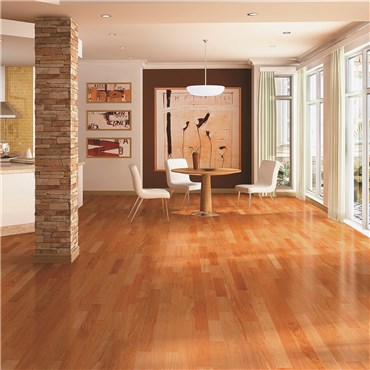
Cherry wood’s warm tones complement both light and dark color schemes. Pairing with creamy white walls creates classic American traditional interiors, while charcoal gray walls make the wood’s reddish tones pop dramatically. The wood works equally well with warm and cool color palettes, offering surprising versatility.
Traditional interiors often combine cherry floors with mahogany or walnut furniture for rich, layered wood tones. Contemporary spaces might contrast cherry with sleek metal finishes and minimalist furnishings. Transitional designs frequently mix cherry floors with painted furniture in black, white, or gray for balanced contrast.
Flooring layout choices affect the overall design impact. Wider planks (5 inches or more) emphasize cherry’s grain patterns and create a more substantial, luxurious feel. Narrower strips offer a traditional appearance that suits colonial or cottage styles. Diagonal installations add dynamic movement to the space but require more material and labor.
How quickly does cherry wood flooring darken after installation?
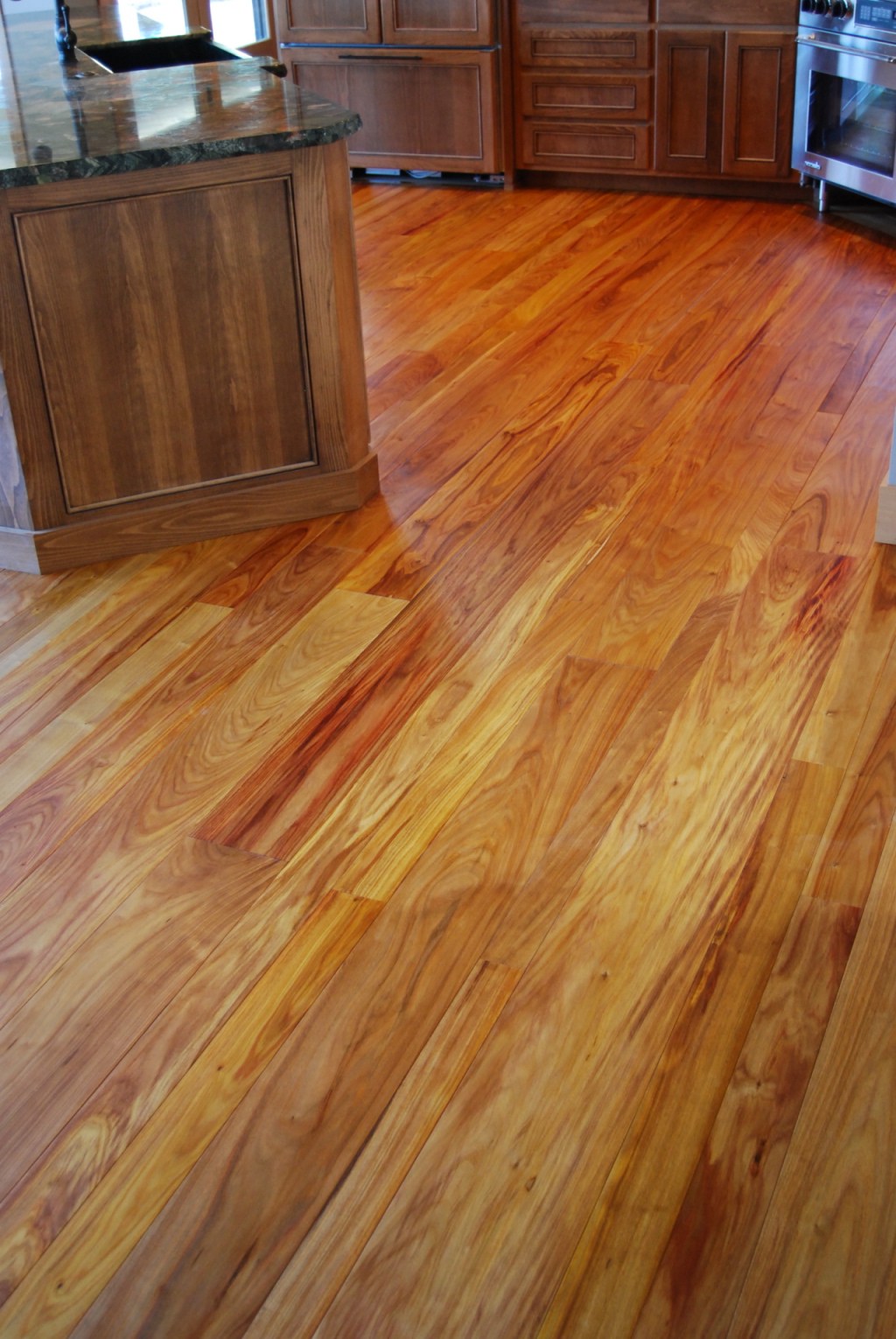
Cherry’s color change begins immediately upon exposure to light, with noticeable darkening within the first month. The most dramatic shift occurs in the initial 6-12 months as the pinkish tones deepen to amber. The process continues gradually for several years until reaching its mature reddish-brown hue. UV light accelerates the change, so areas near windows darken faster than shaded spots. Using window treatments helps control uneven darkening across the floor.
Is cherry wood too soft for homes with pets?
While softer than oak or hickory, cherry can work well in pet-friendly homes with proper precautions. Keep pets’ nails trimmed and use area rugs in high-traffic paths. The wood’s natural darkening helps camouflage minor scratches over time. For households with large, active dogs, consider a harder wood or opt for a distressed cherry finish that embraces natural wear as part of its character.

What’s the price difference between cherry and more common hardwoods?
Cherry typically costs 15-30% more than red oak but remains less expensive than premium exotics. Prices range from $5-$12 per square foot for materials, depending on grade and width. Installation adds $3-$8 per square foot. While more costly initially, cherry’s longevity and timeless appeal often justify the investment. Budget-conscious buyers might use cherry as an accent in formal rooms rather than throughout the entire home.
Can you lighten cherry floors that have darkened too much?
Once cherry has naturally darkened, sanding alone won’t restore the original light color. Professional bleaching can lighten the wood somewhat, but results vary, and the process may affect the grain appearance. The best approach is to prevent uneven darkening initially through window treatments and area rug rotation. Some homeowners embrace the mature color, appreciating how it adds richness and depth to their space.

How does cherry wood flooring affect home resale value?
Cherry floors generally increase home value, appealing to buyers who appreciate quality materials. Their warm tones create inviting spaces that photograph well for listings. However, the distinctive color may not suit all tastes, unlike more neutral oak. In upscale markets, cherry’s premium status can be a selling point. For maximum appeal, pair cherry floors with neutral wall colors that allow future owners to envision their own style.
What’s the best way to minimize gaps in cherry flooring during dry seasons?
Maintaining consistent indoor humidity (30-50%) is key to minimizing seasonal gaps. Use humidifiers in winter and dehumidifiers in humid summers. Engineered cherry flooring with plywood backing resists gapping better than solid planks. For existing gaps, specialized wood fillers that move with the floor can help. Most gaps will close naturally when humidity rises, as cherry has excellent dimensional stability compared to some hardwoods.
Prefinished Solid Hardwood Flooring at Wholesale Prices Hurst
Domestic Prefinished Engineered Wood Floors Priced Cheap at
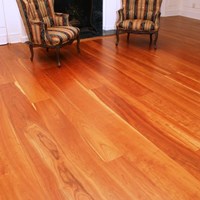
Discount 5″ x 3/4″ Cherry Select u0026 Better Unfinished Solid by Hurst Hardwoods Hurst Hardwoods
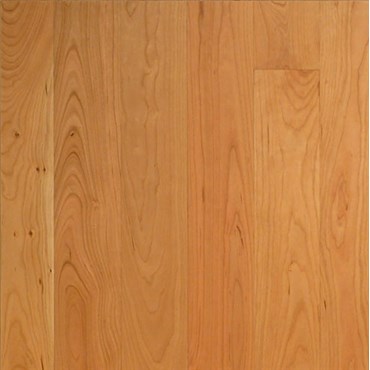
The Basics of Brazilian Cherry Hardwood Floors Cherry hardwood

Brazilian Cherry Flooring
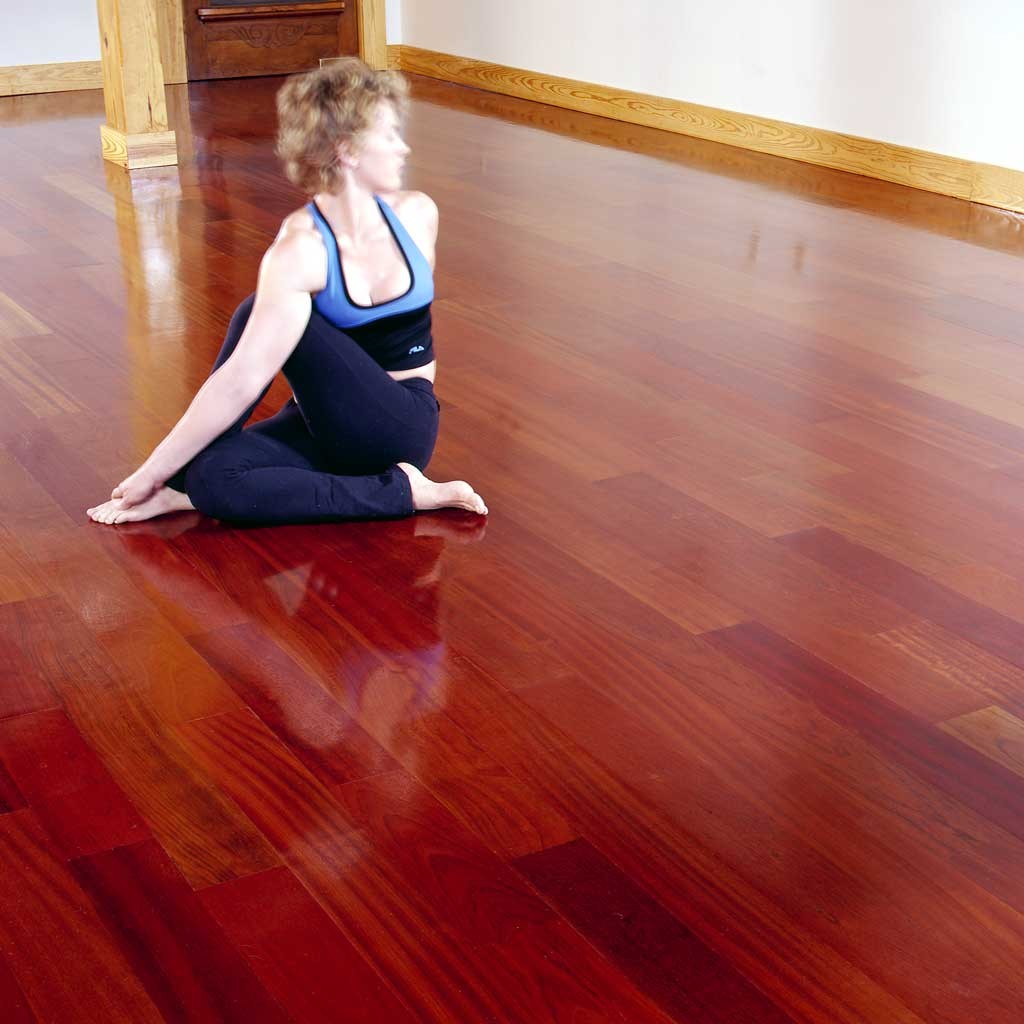
Triangulo Brazilian Cherry 3 1/4″ Exotic Solid Hardwood

Related Posts: