Walnut bamboo flooring is gaining recognition among homeowners, designers, and builders for its unique blend of style, sustainability, and strength. Combining the dark, rich tones of walnut with the eco-friendly properties of bamboo, this flooring option offers an attractive and practical choice for modern interiors. Whether you’re renovating a single room or planning a whole-house update, walnut bamboo flooring can deliver both visual appeal and long-term performance. Let’s discuss its features, benefits, and what to consider before making a purchase.
Appearance and Aesthetic Appeal
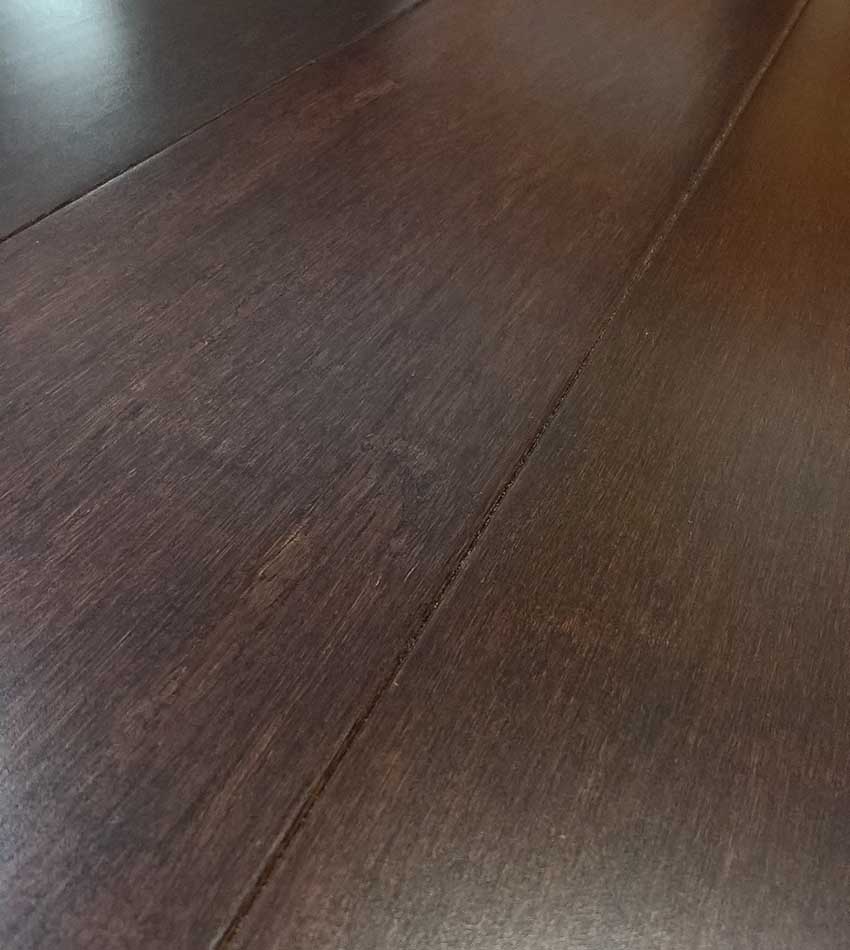
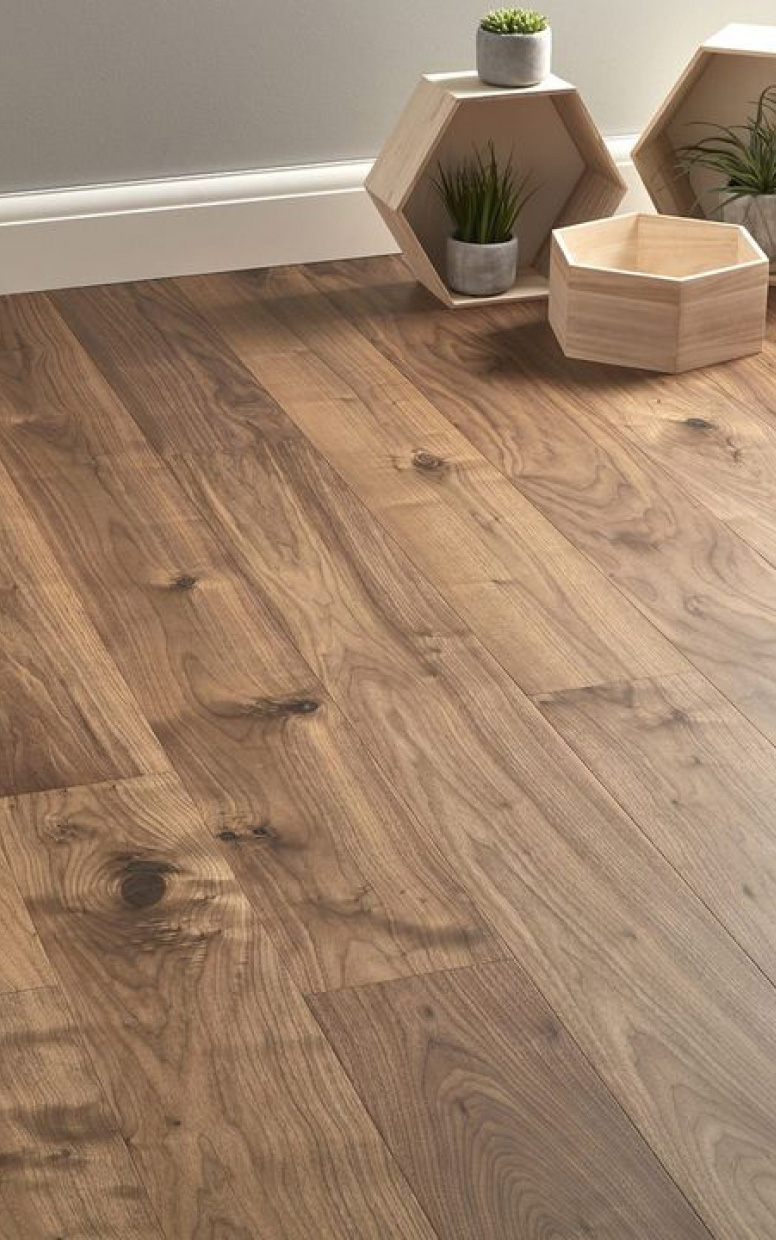
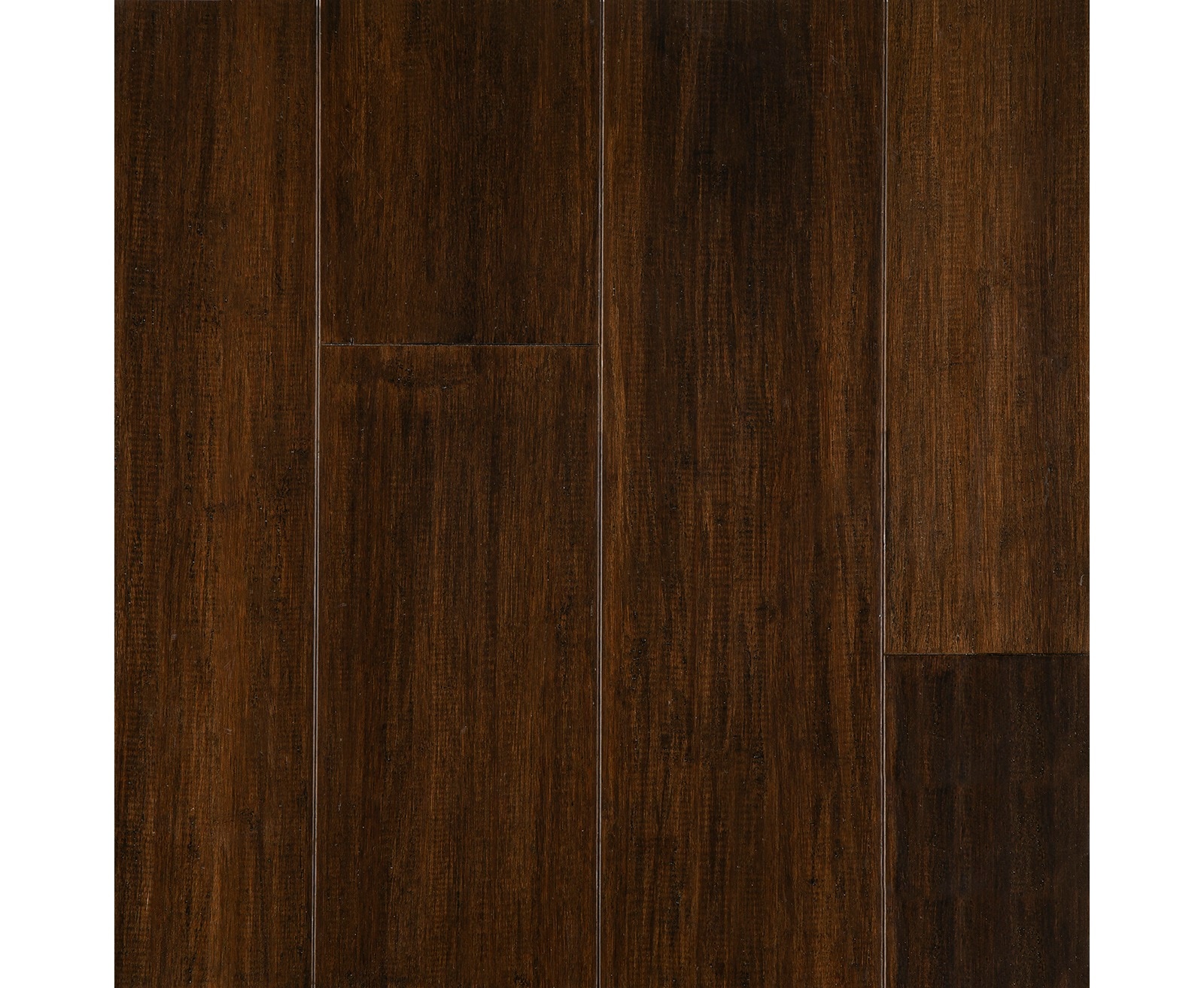
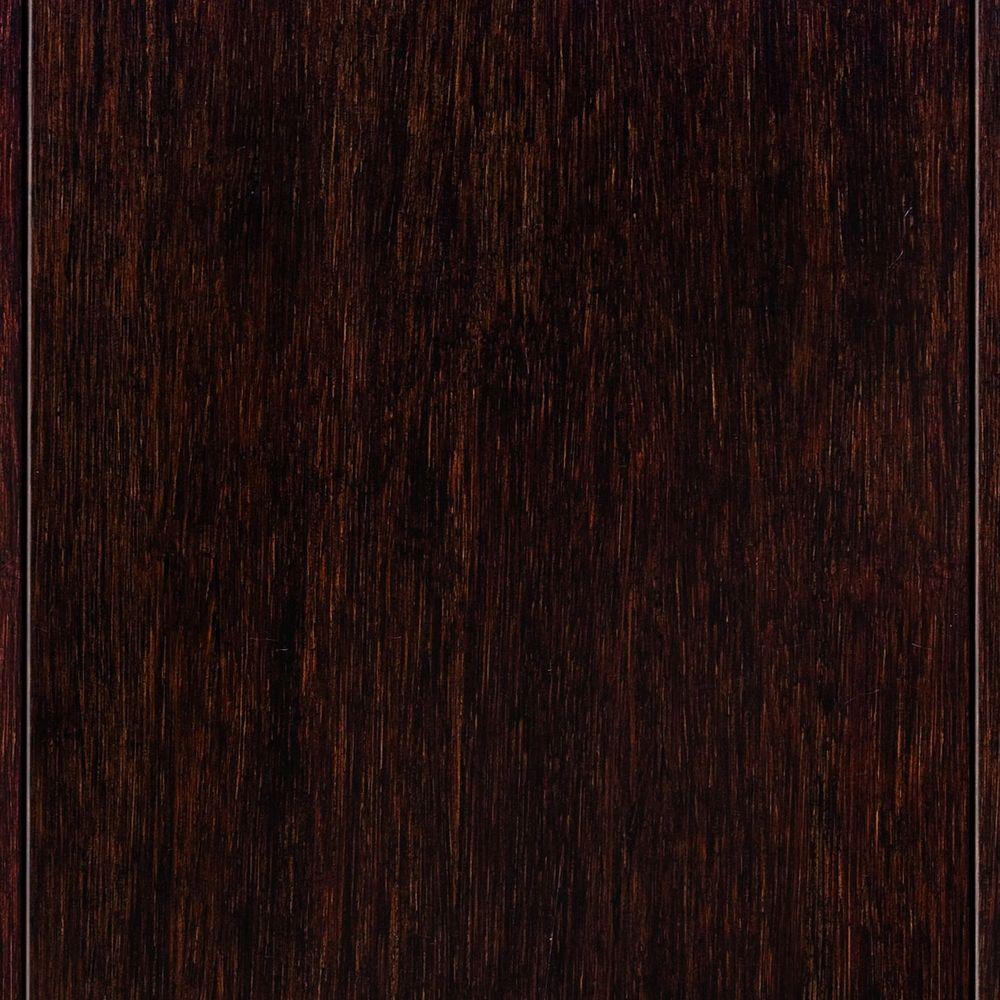
Walnut bamboo flooring stands out for its distinctive look. The warm, chocolate-brown hues and fine grain patterns of walnut are striking when applied to the structure of bamboo. This creates a sophisticated surface that pairs well with both traditional and contemporary interiors. The variation in shades offers a natural look that adds depth and character to any room without overwhelming other design elements.
This flooring often mimics the appearance of natural walnut hardwood, but with the added smoothness and uniformity that comes from the bamboo manufacturing process. The finish is typically matte or semi-gloss, helping to maintain a clean and polished appearance. With its rich tone, walnut bamboo flooring can make spaces feel cozy and inviting, especially when paired with neutral walls or minimalist furniture.
One of the main reasons people choose walnut bamboo flooring is its ability to complement a wide range of interior styles. From rustic charm to urban chic, it fits seamlessly with various aesthetics. Its darker shade contrasts well with lighter furnishings and cabinetry, offering a balance that can ground open floor plans or emphasize certain architectural features.
Durability and Longevity
One of the standout traits of walnut bamboo flooring is its exceptional durability. Bamboo is known for being one of the hardest natural materials used in flooring, and when processed into strand-woven form, it surpasses even many hardwoods in resistance to dents and scratches. This makes it an ideal choice for high-traffic areas like hallways, kitchens, and living rooms.
Strand-woven bamboo is created by compressing shredded bamboo fibers with adhesives under high heat and pressure, resulting in a material that is both strong and stable. When finished with a walnut tone, this flooring gains the aesthetic of walnut wood while retaining the toughness of engineered bamboo. Its resilience to daily wear and tear extends its lifespan compared to softer flooring alternatives.
With proper care, walnut bamboo flooring can last 25 years or more. Regular sweeping, occasional mopping, and immediate cleaning of spills will help preserve its appearance. While no flooring is completely immune to damage, walnut bamboo handles pets, furniture movement, and foot traffic better than many traditional options, making it a smart long-term investment for busy households.

Eco-Friendliness and Sustainability
Bamboo is widely celebrated as one of the most sustainable flooring materials available. Unlike hardwood trees, which can take decades to mature, bamboo can be harvested in just 3–5 years. This rapid growth cycle makes it a renewable resource that doesn’t contribute to deforestation when sourced responsibly.
Walnut bamboo flooring combines this sustainability with stylish aesthetics, allowing homeowners to make environmentally conscious choices without compromising design. Many manufacturers follow eco-friendly practices, using non-toxic adhesives and low-VOC finishes, ensuring better indoor air quality and less environmental impact during production.
In addition, bamboo plantations often grow without the need for heavy pesticides or irrigation, reducing their environmental footprint even further. Choosing walnut bamboo flooring supports responsible forestry and reduces demand for slower-growing hardwood species. For eco-minded consumers, it’s an appealing option that supports both conservation and craftsmanship.
Installation and Maintenance
Walnut bamboo flooring is available in various formats, including tongue-and-groove planks, click-lock systems, and engineered boards with a plywood core. These installation methods make it versatile for different subfloors and skill levels. Click-lock options, in particular, are popular for DIY projects since they don’t require nails or glue.
Installation should begin with acclimating the planks to the room’s humidity and temperature for at least 72 hours. This helps prevent warping or gaps after placement. Underlayment is recommended for soundproofing and moisture protection, especially in multi-level homes or areas with higher humidity like basements.
Maintenance is relatively simple. Regular sweeping or vacuuming with a hardwood floor attachment keeps dust and debris at bay. Avoid wet mops or steam cleaners, which can damage the finish over time. Using felt pads under furniture and area rugs in high-traffic zones can help prevent surface scratches, keeping your walnut bamboo flooring looking new for years.

Cost and Value
Walnut bamboo flooring typically costs less than exotic hardwoods but slightly more than standard bamboo or laminate options. The price generally ranges from \$3 to \$7 per square foot, depending on the brand, thickness, and finish. While this may seem mid-range, its durability and aesthetic appeal offer solid value for the cost.
Compared to real walnut hardwood, walnut bamboo provides a similar look at a fraction of the price. Additionally, its strand-woven construction means it may outperform walnut in terms of wear resistance. Over time, its longevity and low maintenance requirements can lead to cost savings, making it a financially smart choice for many homeowners.
Buyers should also consider the added resale value that attractive, eco-friendly flooring can bring. More buyers today are aware of sustainability and long-term durability, and walnut bamboo checks both boxes. It’s a worthwhile investment that can increase a home’s appeal on the market while reducing upkeep and repair costs.
Things to Consider Before Buying
Before purchasing walnut bamboo flooring, it’s important to consider your household’s specific needs. For homes with large pets or small children, strand-woven varieties with a strong finish are best. Some options may be more scratch-resistant or moisture-tolerant than others, so it’s vital to compare specs before making a decision.
Climate also plays a role. While bamboo handles humidity better than many hardwoods, it can still expand or contract with significant moisture changes. Homes in very dry or very damp areas should be equipped with humidity control or choose engineered bamboo varieties designed for better stability.
Finally, source your flooring from reputable manufacturers who offer quality guarantees and meet environmental certifications like FSC or FloorScore. Knowing where and how your flooring is made ensures you’re investing in a safe, sustainable product. A little research upfront can lead to greater satisfaction and fewer issues down the road.
What is walnut bamboo flooring made of?
Walnut bamboo flooring is crafted from compressed bamboo fibers that are treated and dyed to resemble the color and grain of natural walnut wood. The core material is strand-woven bamboo, known for its strength and durability. The surface is then finished with a protective layer that enhances the walnut tone and adds resistance to wear, making it both functional and visually appealing.
Is walnut bamboo flooring better than hardwood?
In terms of sustainability and hardness, walnut bamboo flooring often outperforms many hardwoods. Its strand-woven form offers superior resistance to dents and scratches, and it’s made from rapidly renewable bamboo. However, hardwood may offer a more authentic look and feel, and some homeowners may prefer its natural aging process. The better choice depends on your design preferences and lifestyle needs.

Can walnut bamboo flooring be refinished?
Yes, but it depends on the thickness of the wear layer. Solid strand-woven bamboo with a thick top layer can be sanded and refinished once or twice. Engineered versions with a thinner surface layer may not be suitable for refinishing. Always check the product specifications or consult a professional before attempting refinishing, as over-sanding can damage the flooring.
How does it hold up to water and moisture?
Walnut bamboo flooring handles moisture better than traditional hardwoods, but it is not completely waterproof. Spills should be cleaned promptly to avoid warping or staining. In high-moisture areas like bathrooms or basements, engineered bamboo flooring with added water resistance is recommended. Using rugs and humidity control devices can also help maintain its condition.

Is walnut bamboo flooring safe for indoor air quality?
Yes, most quality walnut bamboo flooring products are safe for indoor use, especially when certified by FloorScore or GREENGUARD. These certifications ensure low levels of volatile organic compounds (VOCs), which can affect air quality. Look for products labeled low-VOC and made with formaldehyde-free adhesives for the healthiest indoor environment.
Does walnut bamboo flooring scratch easily?
Strand-woven walnut bamboo flooring is highly resistant to scratching, more so than many traditional hardwoods. However, like any flooring, it’s not completely immune. Pet claws, moving furniture, or heavy objects can still cause damage if proper precautions aren’t taken. Using furniture pads, keeping pet nails trimmed, and regular maintenance will help prevent visible scratches.

Home Decorators Collection Strand Woven Distressed Dark Honey 1/2 in. T x Multi Width x 72 in. L Engineered Click Bamboo Flooring HD13004A
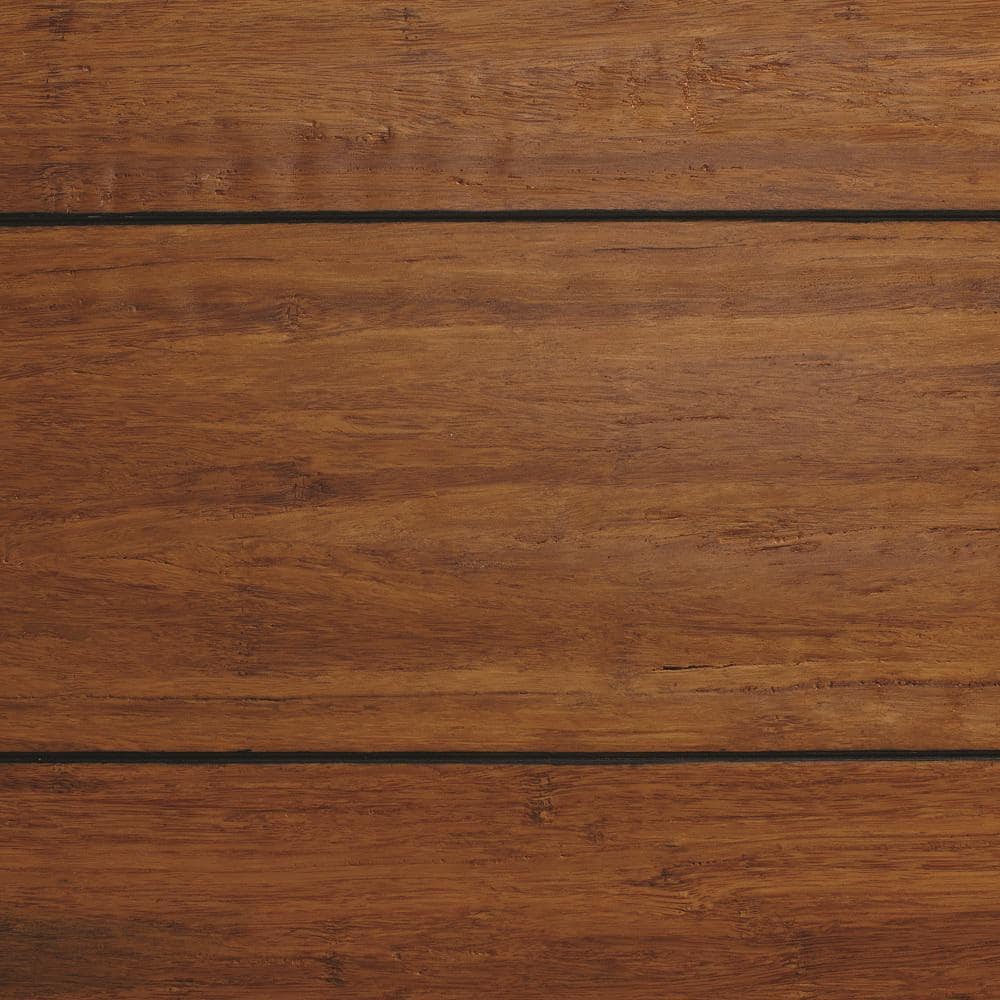
Hydri-HDPC Waterproof HDPC Core Lexington Bamboo 5-1/8-in Wide x 1/4-in Thick Handscraped Waterproof Engineered Hardwood Flooring (11.59-sq ft)
Home Legend Strand Woven Walnut 9/16 in. Thick x 4-3/4 in. Wide x
Related Posts: