When I first started looking into new flooring for my home, travertine tile immediately caught my attention. There’s something about its natural, earthy beauty and the way it brings a sense of timelessness to any space. I’ll admit, I was a little intimidated at first. Natural stone just sounds fancy, right? But after living with travertine tile and learning how to care for it, I’ve come to appreciate not just its looks, but also its durability and versatility. If you’re considering travertine for your floors, let me walk you through what I’ve learned, from its unique character to the practical side of installation and maintenance.
The Natural Beauty and Character of Travertine Tile
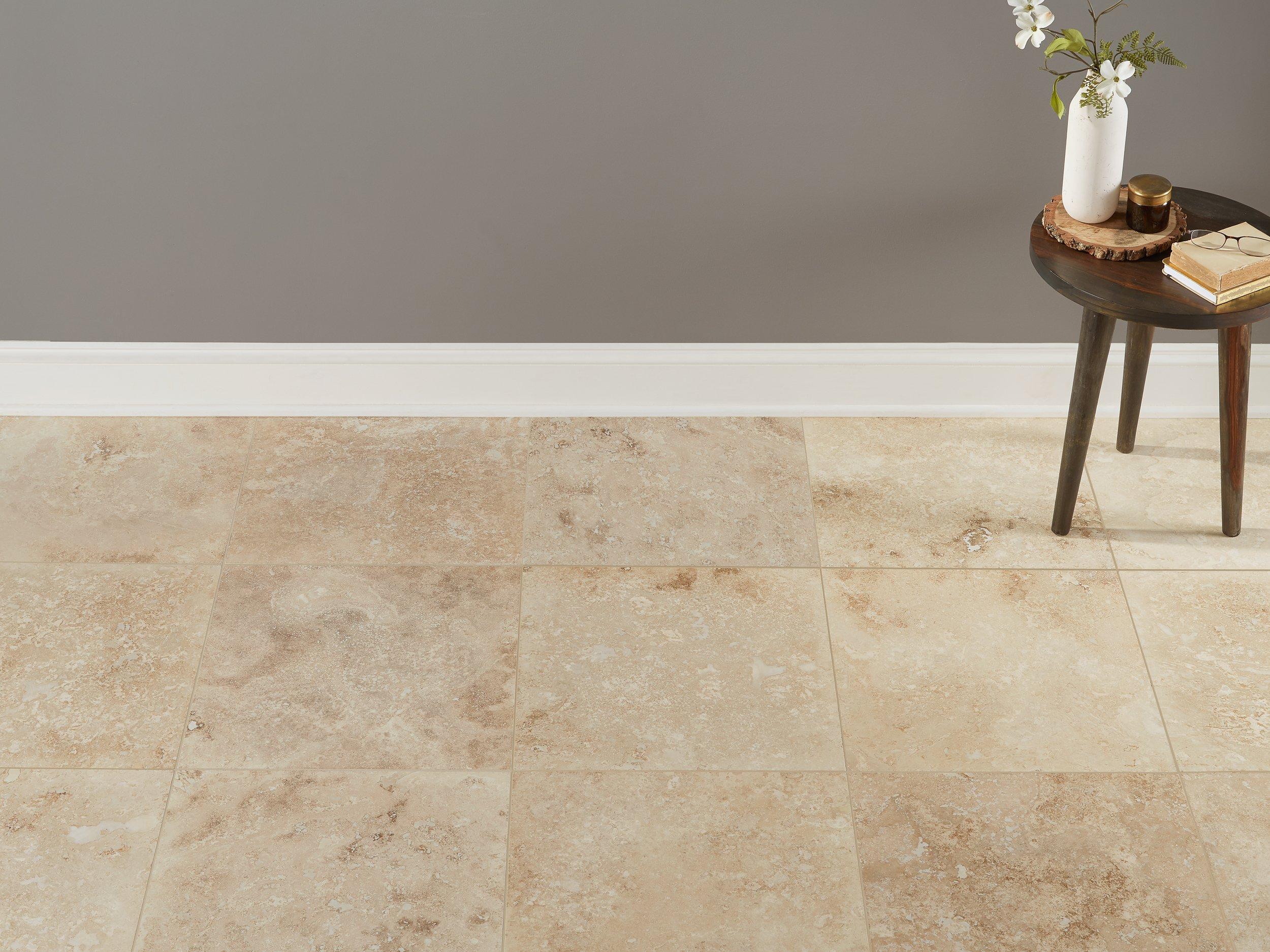
One of the things I love most about travertine tile is how every piece feels like a little work of art. Travertine is a type of limestone, mostly made of calcium carbonate, and it forms in natural hot springs, which gives it those signature pits and swirls. The surface is naturally porous and pitted, so you get this beautiful texture that’s both rustic and elegant at the same time. I’ve seen tiles in creamy whites, warm beiges, honey golds, and even rich browns and rusty reds, each one with its own unique veining and banding.
What’s really special is that no two tiles are exactly alike. The color variations and patterns are all thanks to the minerals present during formation, like iron, which can add those lovely earthy tones. Whether you want a smooth, polished look or something more rugged and natural, travertine can be finished in different ways to suit your style. I personally love the honed and filled finish for a soft, matte look that still feels refined.
Travertine’s natural beauty isn’t just for show. It brings a sense of warmth and timelessness to any room, and I’ve found it works just as well in a cozy kitchen as it does in a formal entryway. The stone’s unique character is a big part of why I chose it for my own home.
Where Travertine Works Best in the Home
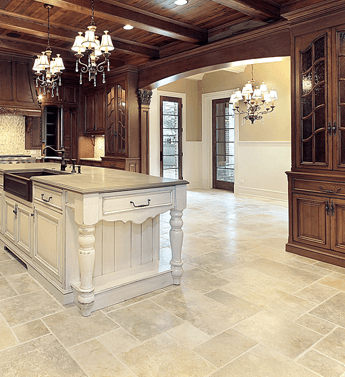
I’ve used travertine tile in a few different rooms, and I’m always surprised by how versatile it is. In the kitchen, it’s tough enough to handle spills and foot traffic, and it adds a touch of elegance to the space. I’ve also seen it used for backsplashes and even countertops, though you’ll want to seal it well if you go that route.
Bathrooms are another great spot for travertine. The stone’s non-slip texture, especially in honed or tumbled finishes, makes it a safe choice for wet areas. I love the spa-like feel it brings to showers and bathroom floors. In living areas, travertine’s durability shines; it stands up to kids, pets, and plenty of activity, all while looking sophisticated.
What really surprised me was how well travertine works outdoors. I’ve seen it used for patios, walkways, and pool decks, and it stays cool underfoot even in the summer. The natural slip resistance is a big plus around the pool, and the stone’s earthy tones blend beautifully with outdoor landscaping. If you want a seamless look from inside to outside, travertine makes it easy to create that flow.
Design Options, Finishes, and Patterns
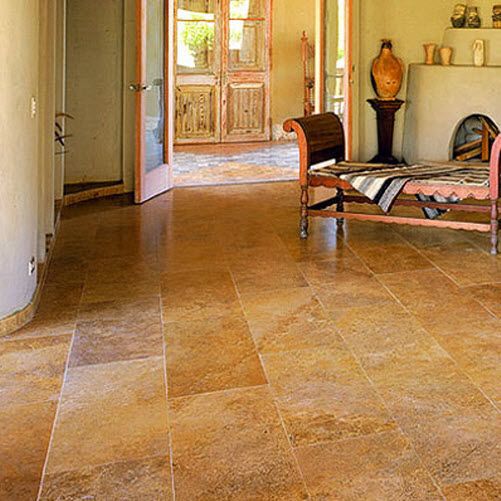
One of the most fun parts of choosing travertine was exploring all the design possibilities. Travertine comes in a range of finishes: polished for a glossy, formal look; honed and filled for a smooth, matte surface; tumbled for a soft, weathered feel; and brushed or chiseled for a rustic, aged effect. I went with a honed finish in my kitchen for a modern yet natural vibe, but I’ve seen tumbled travertine look amazing in more traditional or Mediterranean-style homes.
The color palette is another big draw. From creamy ivories and soft beiges to warm walnuts and even silvery greens or rustic reds, there’s a shade for every taste. The natural variation means your floor will never look cookie-cutter, and I love how the subtle differences in each tile add depth and interest to the room.
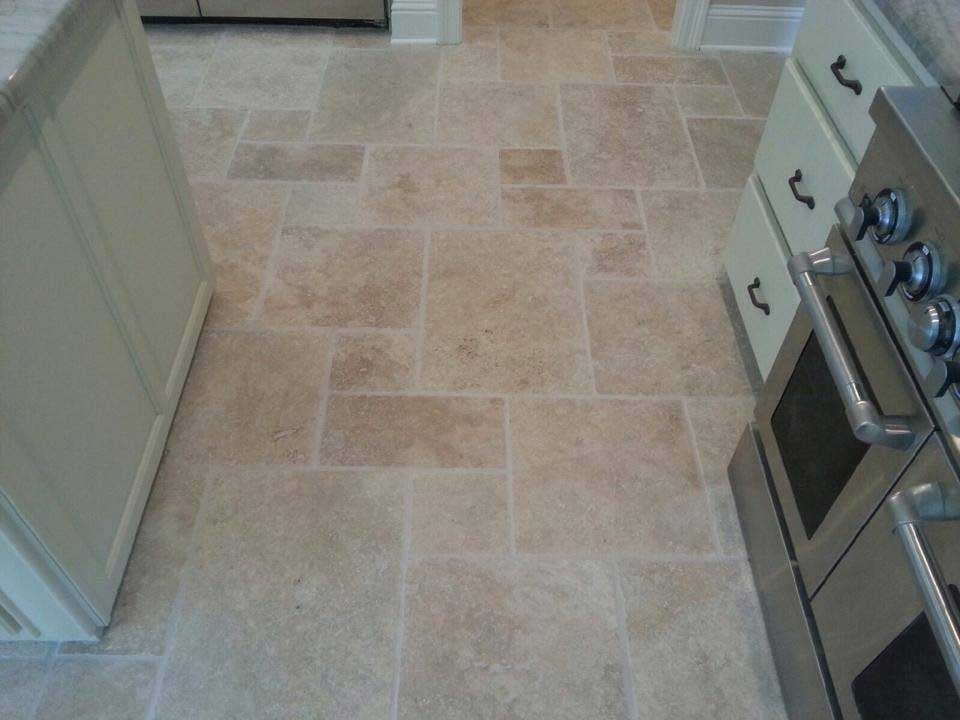
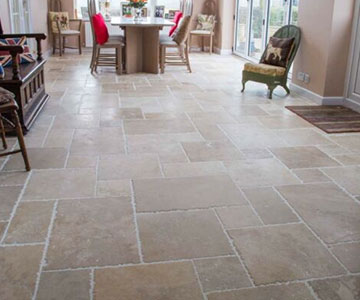
Patterns are where you can really get creative. I’ve seen travertine laid in straight lines for a clean, modern look, or in a French (Versailles) pattern for something more classic and elegant. Herringbone and basketweave patterns are also popular and can make a big statement. The choice of pattern can totally change the feel of a space, so it’s worth playing around with different layouts before you commit.
:fill(white)/https://www.toppstiles.co.uk/static/media/catalog/product/i/m/040559_travertine-filled-honed-floor-tile_kitchen_floor_1.jpg)
Installation: What to Expect and DIY vs. Professional
I’ll be honest, installing travertine tile is not quite as simple as snapping together laminate planks. The process starts with making sure your subfloor is clean, dry, and level. Any unevenness can cause problems down the line, so don’t skip this step! You’ll need the right tools: a notched trowel, tile spacers, a wet saw for cutting, and a good-quality adhesive made for natural stone.
Laying out the tiles before you start setting them helps you avoid awkward cuts at the edges and ensures a balanced look. Once you start setting the tiles, it’s important to use spacers for even grout lines and to check that everything is level as you go. After the adhesive cures, you’ll grout the joints and then clean the surface thoroughly.
Sealing is a must, both before and after grouting, since travertine is porous and can absorb stains. While I tackled a small bathroom myself, I’d recommend hiring a professional for larger or more complex spaces. The pros have the experience and tools to get the job done quickly and with fewer headaches. DIY can save money, but mistakes are hard to fix and can be costly in the long run.
Caring for Travertine: Maintenance and Cleaning
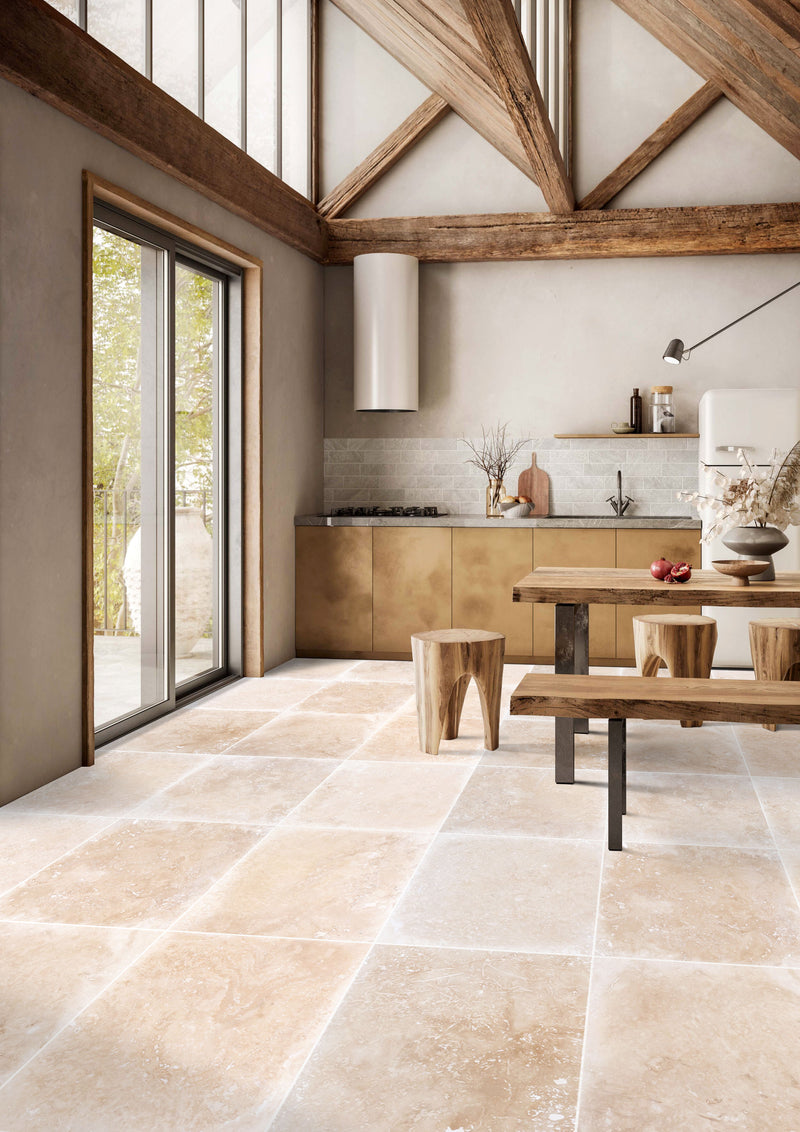
Travertine is durable, but it does need a little TLC to keep it looking its best. I make a habit of sweeping or dust mopping regularly to keep grit and dirt from scratching the surface. For routine cleaning, I use a pH-neutral cleaner made for natural stone, never anything acidic or abrasive, since those can etch or dull the finish.
Spills should be wiped up right away, especially anything acidic like wine or juice. Travertine is porous, so sealing is key to protecting against stains and moisture. I reseal my floors about once a year, but you can test if it’s time by seeing if water beads up on the surface. If it soaks in, it’s time to reseal.
For deeper cleaning, I use a steam cleaner or a gentle stone soap a couple of times a year. If you get a scratch or dull spot, a marble polishing powder can help, but for bigger issues, I’d call in a professional. With the right care, travertine can last for decades and still look gorgeous.
Pros and Cons: What I’ve Learned Living with Travertine
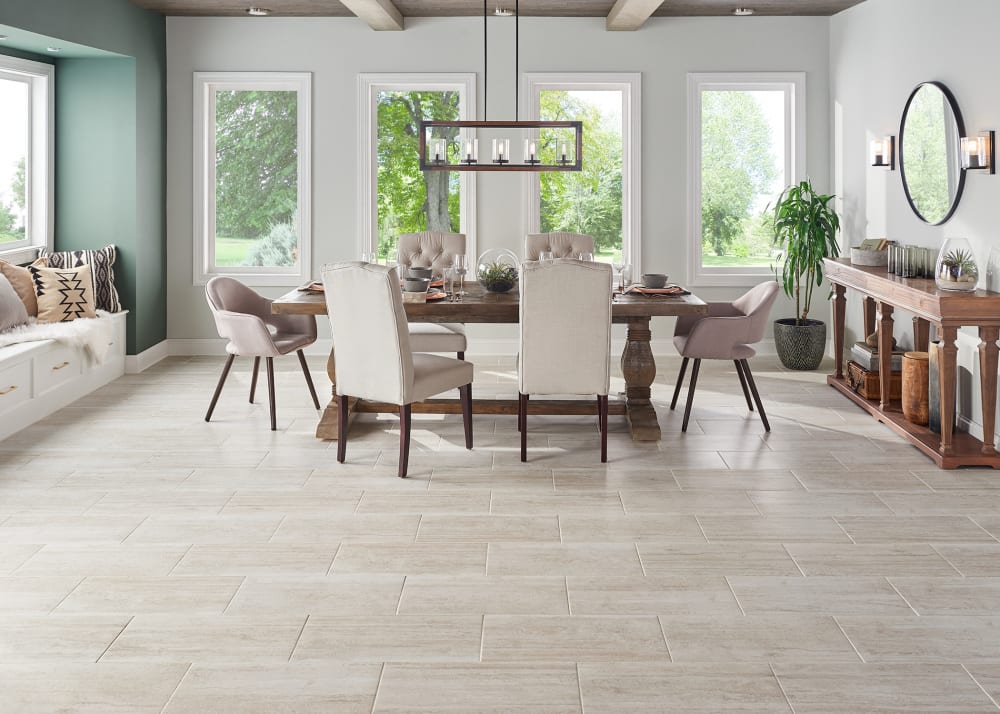
Travertine has a lot going for it. The natural beauty and unique character are hard to beat, and it’s tough enough for high-traffic areas. I love that it stays cool in the summer and doesn’t trap dust or allergens, which is great for my family’s health. The timeless look also adds value to the home, and I’ve found it works with just about any décor style.
But there are a few things to keep in mind. Travertine is more porous than some other stones, so it needs regular sealing and a bit more attention to spills. It’s also on the pricier side, both for the material and installation, especially compared to porcelain tile. Polished finishes can be slippery when wet, so I stick to honed or tumbled finishes in bathrooms and kitchens for better traction.
Travertine can chip or scratch if you’re not careful, but with rugs in high-traffic areas and felt pads under furniture, I haven’t had any major issues. The natural variation in color and texture means you won’t get a perfectly uniform look, but I see that as part of its charm.
Is travertine tile flooring suitable for bathrooms and kitchens?
Absolutely! I’ve used travertine in both spaces. Just make sure to choose a honed or tumbled finish for better slip resistance, and keep up with sealing to protect against moisture and stains. Quick cleanup of spills is key to keeping it looking great.
How much does travertine tile flooring cost compared to other options?
Travertine is a bit of an investment. It can cost up to £50 per square foot, which is higher than porcelain or ceramic tile. The price depends on the quality, finish, and where you buy it. While the upfront cost is higher, its longevity can make it worthwhile in the long run.
How long does travertine tile flooring last?
With proper care and regular sealing, travertine can last 50 to 100 years or more. It’s one of those materials that actually looks better with age, developing a lovely patina over time. That’s a big part of why I chose it for my home.
Is travertine tile flooring pet- and kid-friendly?
I’ve found it to be a good choice for families. It’s tough enough to handle pets and kids, but you’ll want to sweep often to avoid scratches from grit. Rugs in play areas and entryways help, and sealing protects against the occasional spill or accident.
What’s the best way to clean and maintain travertine tile?
I stick to sweeping or dust mopping regularly, and I use a pH-neutral stone cleaner for mopping. Avoid anything acidic or abrasive. Wipe up spills right away, and reseal the floors every year or so to keep them protected and looking their best.
Are there any downsides to travertine tile flooring?
The main downsides are the need for regular sealing, the higher initial cost, and the fact that it can be sensitive to acids and heavy impacts. But for me, the beauty and durability outweigh those drawbacks, especially if you’re willing to put in a little extra care.
Wholesale Versailles Mexican Tumbled Stone Tile Flooring
Related Posts: