Three years ago, I stood in a showroom surrounded by gleaming Italian marble samples, overwhelmed by their beauty and intimidated by their reputation. Everyone warned me about maintenance nightmares, yet I couldn’t resist the allure of authentic Carrara and Calacatta varieties. After living with Italian marble floors throughout my home, I’ve learned truths that sales brochures never mention. My experience reveals both the stunning rewards and practical challenges of choosing these legendary materials for modern living spaces.
Discovering Authentic Italian Marble Quality
Walking through marble quarries in Tuscany changed my understanding completely. I watched workers extract massive blocks with precision techniques perfected over centuries. Each piece tells a geological story spanning millions of years, creating patterns impossible to replicate artificially. The weight alone distinguishes genuine Italian marble from imitations, requiring specialized handling and installation methods.
Quality variations exist even within prestigious Italian sources. My contractor taught me to examine veining patterns and color consistency across multiple slabs before purchasing. Premium grades feature uniform thickness and minimal natural flaws, while commercial grades may include filled holes or color variations that affect both appearance and durability over time.
Temperature sensitivity became apparent during my selection process. Italian marble feels noticeably cooler than ceramic or porcelain alternatives, creating comfortable surfaces during summer months. However, this same characteristic requires careful consideration in colder climates where radiant heating systems become essential for year-round comfort and preventing thermal shock damage.
Installation Challenges I Wasn’t Prepared For
My installation took twice as long as originally estimated due to marble’s demanding requirements. Each tile needed individual assessment for thickness variations and natural imperfections. The installer used specialized adhesives designed for natural stone, requiring longer curing times that delayed furniture placement and normal household activities significantly.
Cutting Italian marble requires diamond-tipped tools and water cooling systems to prevent heat damage and cracking. The dust created during installation necessitated extensive protection for furniture and air filtration systems. I hadn’t anticipated how disruptive the process would be, requiring temporary relocation during the most intensive cutting phases of the project.
Substrate preparation proved more critical than with ceramic tiles. The subfloor required absolute levelness and stability to prevent cracking under the marble’s weight. My contractor reinforced joists and applied specialized underlayment materials, adding unexpected costs but ensuring long-term stability. Rushing this foundation work would have compromised the entire investment later.

Daily Living With Italian Marble Floors
Morning routines transformed after the installation. The cool surface feels luxurious underfoot during summer but requires warming up in winter months. I invested in radiant heating systems that maintain comfortable temperatures while preserving the marble’s natural thermal properties. The initial shock of cold marble gave way to appreciation for consistent, gentle warmth.
Cooking spills taught me respect for marble’s porosity. Acidic substances like lemon juice or wine require immediate cleanup to prevent permanent etching. I keep specialized marble cleaners readily available and have developed reflexes for quick response to spills. These habits became second nature within weeks of living with the floors daily.
Traffic patterns became visible faster than expected. High-use areas developed subtle wear patterns that enhanced the natural character rather than detracting from appearance. The patina developing over time adds authenticity that machine-made materials cannot replicate. I’ve learned to appreciate these signs of life rather than fighting them unnecessarily.

Maintenance Realities Nobody Mentions
Weekly sealing proved insufficient for my busy household. I now apply penetrating sealers monthly in kitchen areas and every six weeks elsewhere. The process takes an entire weekend, including preparation, application, and curing time. Quality sealers cost significantly more than general stone products but provide superior protection against stains and etching damage.
Professional restoration became necessary after two years despite careful maintenance. Traffic wear and minor scratches accumulated beyond what household cleaning could address. The restoration process involved diamond polishing that removed surface imperfections and restored the original luster. This service costs substantially, but transforms worn areas back to showroom condition.
Specialized cleaning products represent ongoing expenses I hadn’t budgeted initially. Regular household cleaners can damage marble surfaces permanently. I use pH-neutral stone cleaners exclusively, along with specialized polishing compounds for monthly deep cleaning. These products cost triple what standard floor cleaners cost, but they protect my significant investment.
Design Integration Lessons Learned
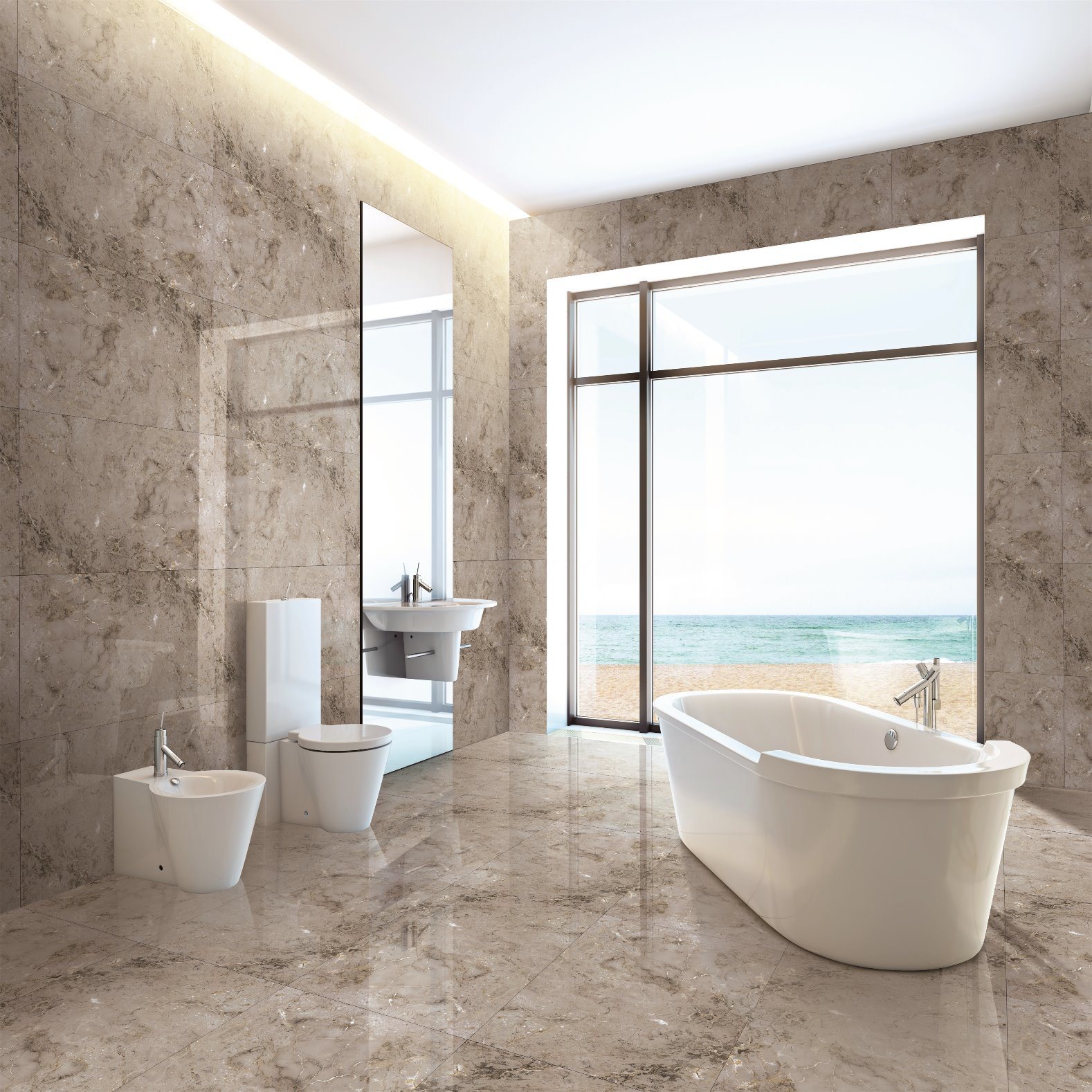
Color coordination required more thought than anticipated. Italian marble’s natural variations meant each room developed slightly different character despite using identical material. I learned to embrace these differences rather than trying to achieve perfect uniformity across spaces. The variations add visual interest that manufactured materials lack completely.
Lighting dramatically affects marble appearance throughout the day. Natural sunlight reveals subtle color variations and veining patterns invisible under artificial illumination. I repositioned furniture and adjusted window treatments to maximize natural light exposure. Evening lighting requires careful positioning to prevent harsh shadows that obscure the marble’s natural beauty.
Furniture selection became more critical with marble floors. Heavy pieces require protective pads to prevent scratching during movement. The elegant appearance demands quality furnishings that complement rather than compete with the floor’s natural beauty. Cheap furniture looks inferior to genuine Italian marble backgrounds.
Long-Term Value and Satisfaction Assessment
Resale value considerations influenced my decision initially, and real estate professionals confirm that marble floors significantly increase property appeal. Potential buyers consistently respond positively during showings, viewing Italian marble as a premium upgrade that justifies higher asking prices. The investment pays dividends beyond personal enjoyment when selling time arrives.
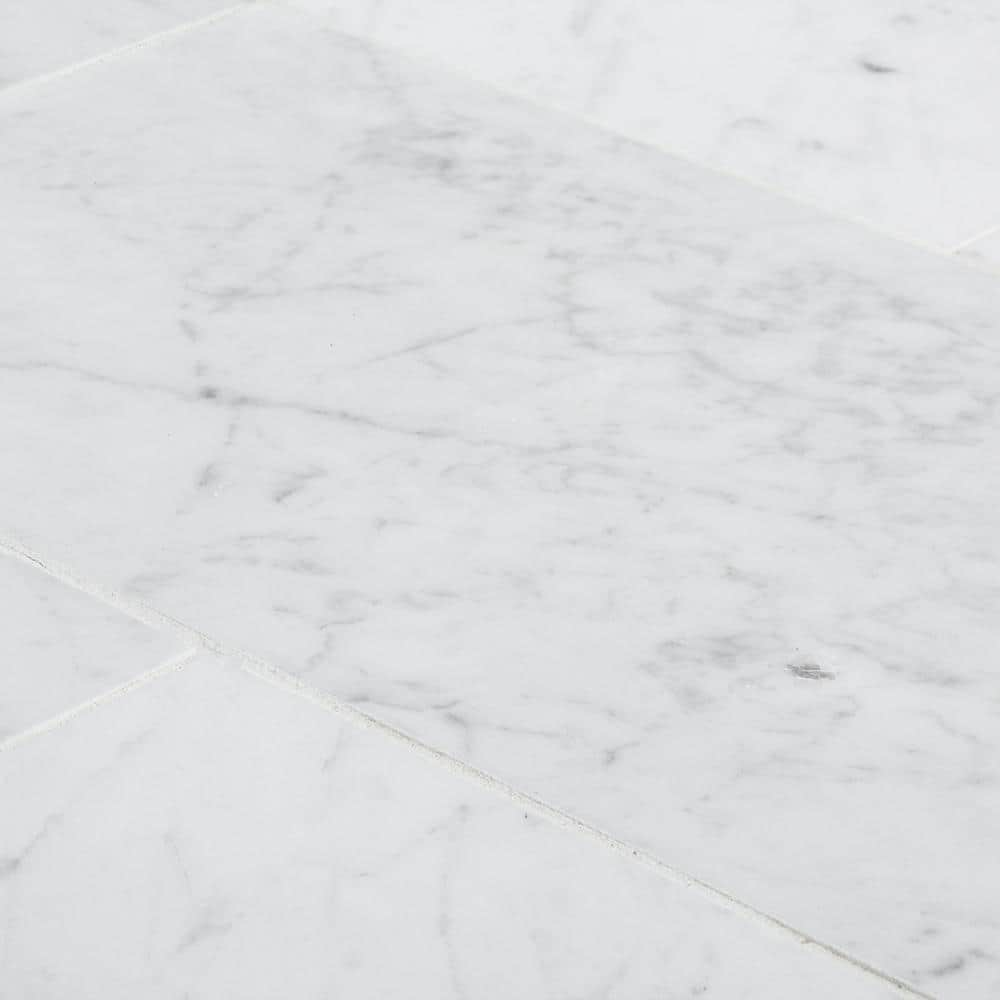
Durability exceeded expectations despite maintenance requirements. Properly cared for Italian marble develops character while maintaining structural integrity. Minor imperfections become part of the material’s story rather than defects requiring repair. This aging process creates authenticity impossible to achieve with synthetic alternatives.
Personal satisfaction remains high despite challenges encountered. The daily pleasure of walking across genuine Italian marble outweighs the maintenance efforts required. Guests consistently comment on the floors’ beauty and ask detailed questions about the selection process. The pride of ownership makes extra care efforts feel worthwhile rather than burdensome.

How much does authentic Italian marble flooring actually cost installed?
Quality Italian marble ranges from $15 to $40 per square foot for materials alone, with Carrara varieties typically costing less than premium Calacatta or Statuario types. Installation adds $8 to $15 per square foot, depending on complexity and regional labor costs. My 1,200 square foot installation totaled approximately $35,00,0, including materials, labor, and substrate preparation. Premium grades with complex patterns can exceed $50 per square foot installed. These costs don’t include ongoing maintenance, supplies, and professional restoration services.
Is Italian marble suitable for kitchens and high-traffic areas?
Italian marble works beautifully in kitchens with proper care and realistic expectations. Acidic spills require immediate cleanup to prevent etching, and frequent sealing protects against stains. High-traffic areas develop natural patina that enhances character rather than detracting from appearance. I use entrance mats and maintain consistent cleaning schedules to minimize wear. The key is embracing marble’s living characteristics rather than expecting it to remain unchanged. Proper maintenance makes kitchen installation practical and rewarding.

How often does Italian marble flooring need professional maintenance?
Professional restoration becomes necessary every 18 to 24 months in high-traffic areas, depending on usage patterns and care quality. Kitchen areas may require annual attention due to increased exposure to acidic substances and heavy use. The process involves diamond polishing that removes surface scratches and restores the original luster. Between professional services, I perform monthly deep cleaning and sealing. Emergency restoration may be needed after severe staining or damage incidents. Budget approximately $3 to $5 per square foot annually for professional maintenance.
Can Italian marble floors be repaired if damaged or stained?
Most damage to Italian marble can be professionally repaired through grinding, honing, and polishing techniques. Surface scratches, etching from acidic spills, and minor staining respond well to restoration processes. Deep cracks or structural damage may require individual tile replacement, which can be challenging to match exactly due to natural variations. I’ve successfully restored wine stains and minor scratches through professional services. However, prevention through proper care and immediate spill cleanup remains more cost-effective than repair work.
What’s the difference between Italian marble and other natural stone options?
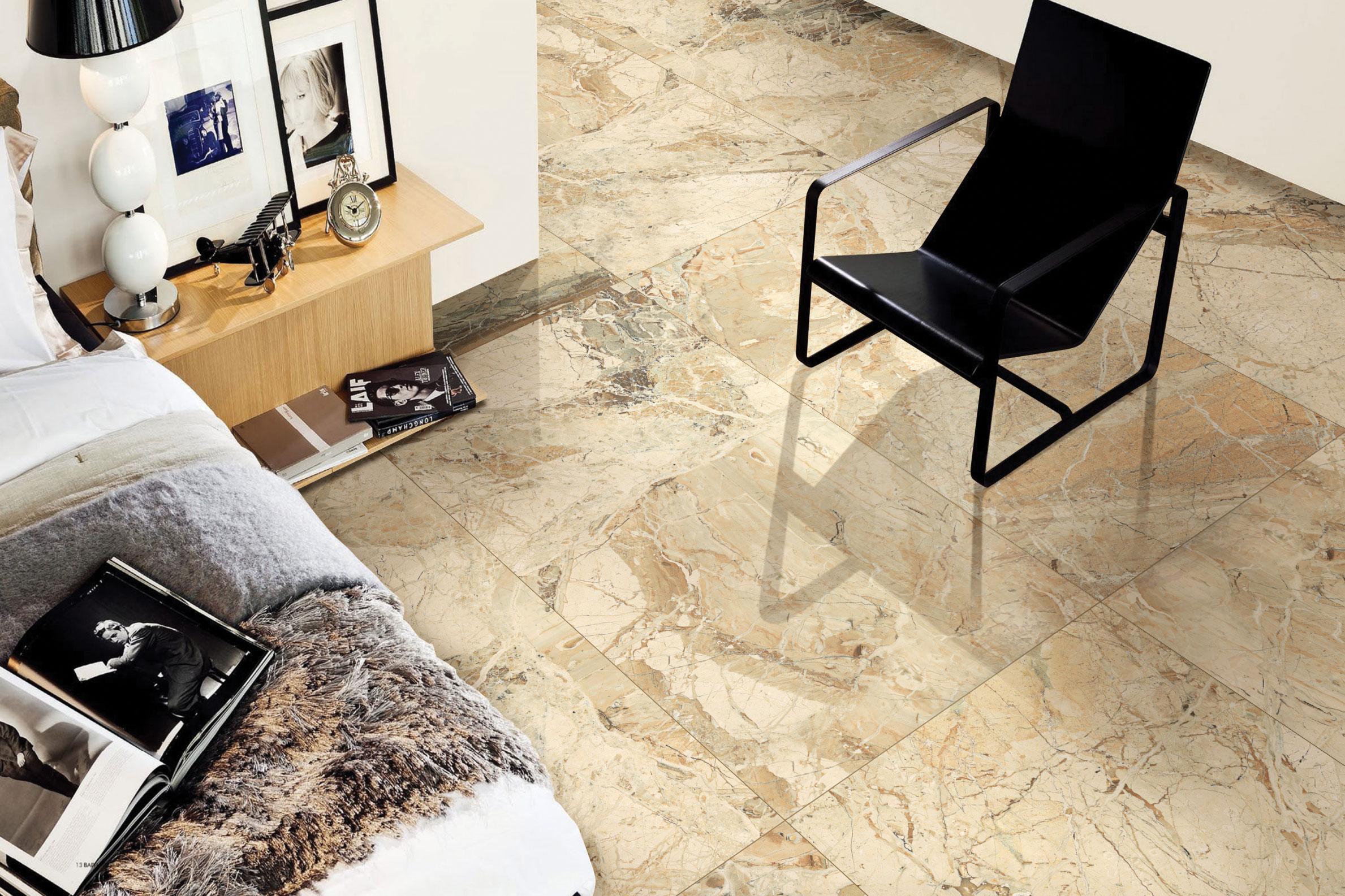
Italian marble’s geological formation creates unique characteristics impossible to replicate elsewhere. Carrara, Calacatta, and Statuario varieties feature distinctive veining patterns and color palettes developed over millions of years. The quarrying and processing traditions perfected in Italy ensure superior quality control and finishing techniques. While other countries produce beautiful marble, Italian varieties command premium pricing due to their legendary reputation and consistent quality. The investment difference reflects both material superiority and cultural heritage associated with these prestigious stones.
How do I verify I’m purchasing genuine Italian marble versus imitations?
Authentic Italian marble includes documentation tracing its origin to specific quarries in regions like Carrara, Massa, or Pietrasanta. Reputable suppliers provide certificates of origin and geological analysis reports. Physical characteristics include natural temperature coolness, distinctive veining patterns, and substantial weight compared to synthetic alternatives. I visited showrooms that import directly from Italian quarries and requested documentation for verification. Price alone isn’t reliable since some vendors mark up synthetic products deceptively. Trust established dealers with proven Italian connections and verified supply chains.

Marvel – Premium Italian Marble Look Porcelain Tiles

ITALIAN DESIGN Marble look tile trend and other news
Italian Dyna Marble

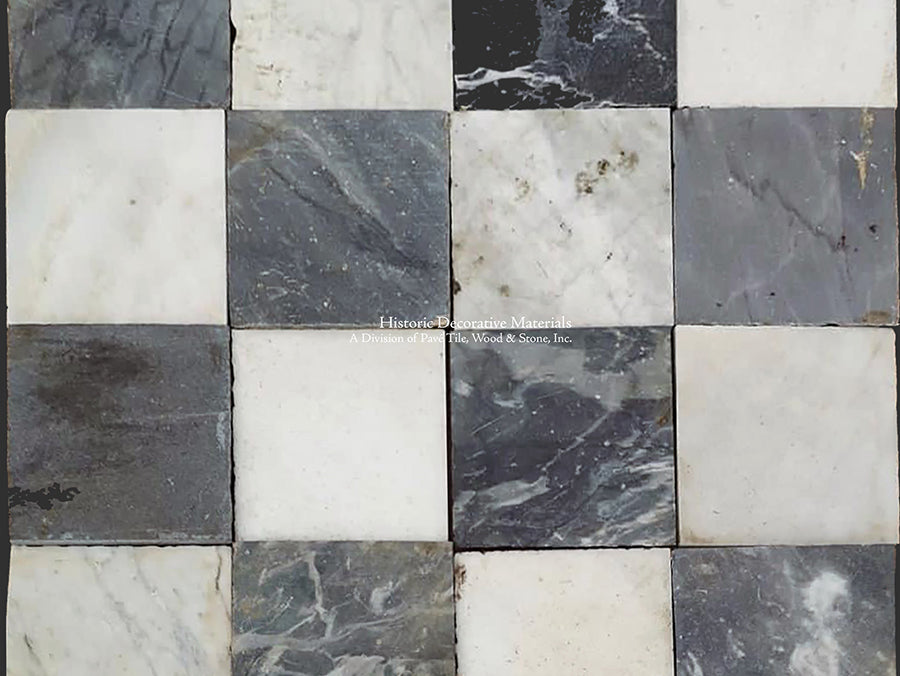
Antique Black and White Nero & Bianco Carrara Marble Checkered
Related Posts: