When I first started experimenting with tile floor designs, I thought decorative meant expensive and complicated. After renovating four different spaces in my home over the past five years, I’ve discovered that stunning tile floors come from creativity rather than budget size. My kitchen, bathroom, entryway, and laundry room each tell different stories through thoughtful tile choices and unexpected design approaches. Let me share the techniques and ideas that transformed ordinary spaces into conversation starters.
Bold Pattern Mixing That Works
I learned pattern mixing through happy accidents in my powder room renovation. Combining hexagonal floor tiles with subway wall tiles created visual tension that somehow felt perfectly balanced. The key was maintaining a consistent color palette while varying shapes and sizes. This approach prevents chaos while adding sophisticated complexity to small spaces.
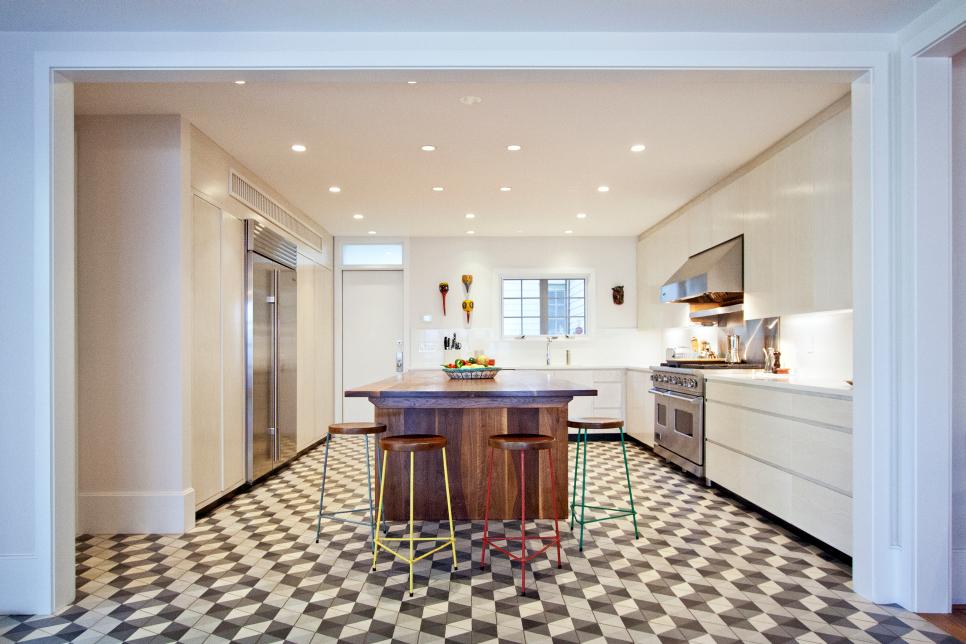
My kitchen features a checkerboard pattern using two different textures of the same neutral tone. Glossy tiles alternate with matte ones, creating a subtle contrast that changes throughout the day as light shifts. This technique adds depth without overwhelming the space or clashing with cabinet colors. Guests often touch the floor to confirm they’re seeing texture differences rather than color variations.
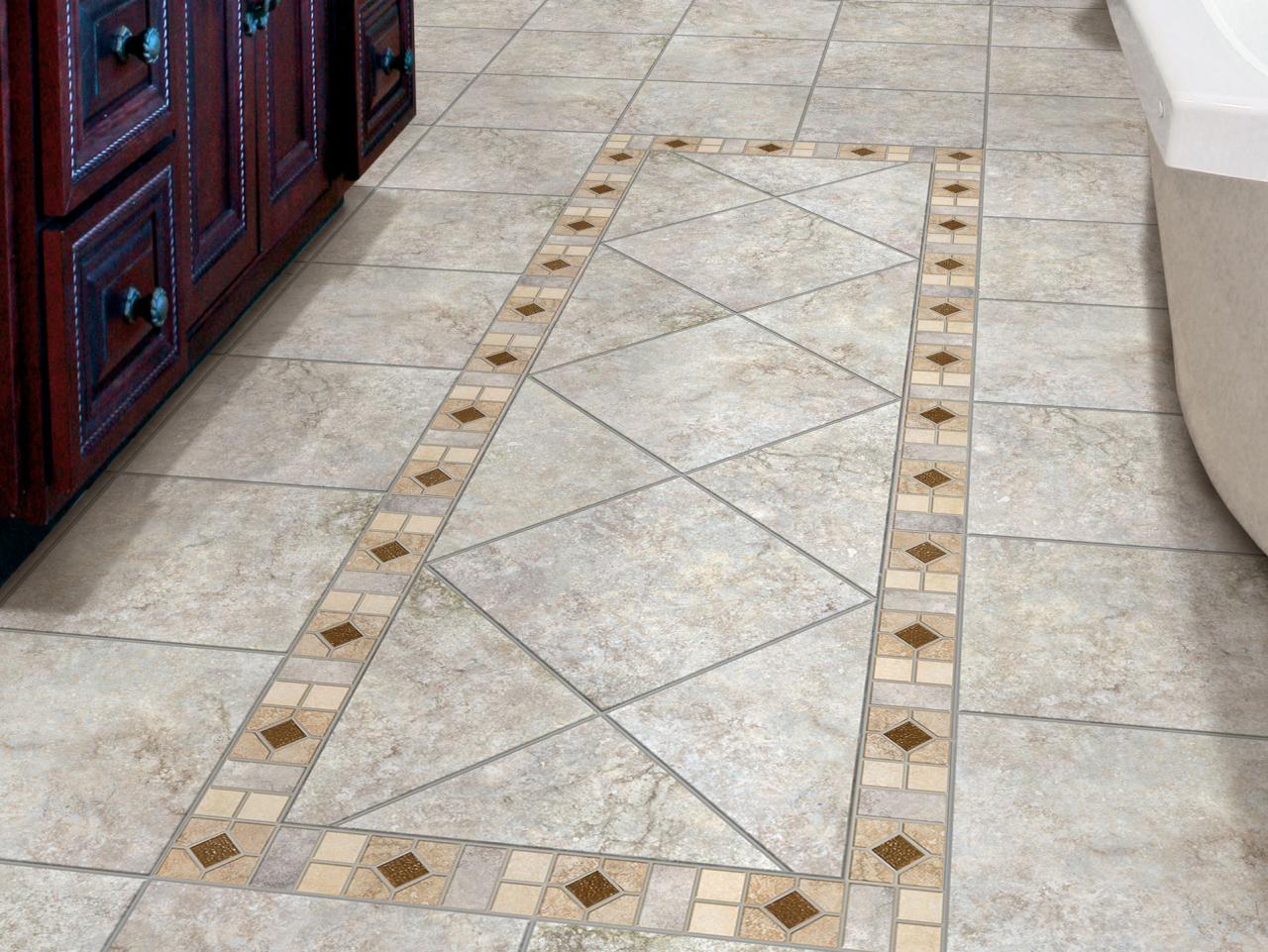
Geometric borders became my signature move after accidentally ordering extra decorative tiles. I use contrasting patterns as borders around room perimeters, creating defined spaces within open floor plans. Small geometric tiles frame larger field tiles, establishing visual boundaries that guide traffic flow naturally. This technique works especially well in transitional areas between rooms.
Color Coordination Techniques I’ve Mastered
Monochromatic schemes using different tile finishes create sophisticated depth without color commitment anxiety. My entryway features three shades of gray tile arranged in a gradient pattern from light to dark. The subtle variation guides visitors naturally toward the main living areas while creating visual interest that photographs beautifully in different lighting conditions.
Accent colors, achieved through strategic tile placement, transformed my neutral spaces dramatically. I insert single colored tiles randomly throughout neutral fields, creating controlled pops of interest. Blue accents in my bathroom and green ones in my kitchen tie into existing decor while allowing flexibility for future color scheme changes without major renovations.
Temperature mixing balances warm and cool tones within single installations. I combine warm beige base tiles with cool gray accents, creating spaces that feel comfortable year-round. This approach prevents rooms from feeling too stark in winter or too warm in summer. The neutral foundation accommodates seasonal decor changes easily.
Budget-Friendly Decorative Solutions
Leftover tiles from previous projects become decorative inserts in new installations. I save partial boxes and use them as accent strips or random pattern elements in later renovations. This approach reduces waste while creating custom looks that cost significantly less than purchasing specialty decorative tiles. My laundry room features remnants from three previous projects.
Paint transforms plain ceramic tiles into custom decorative elements. I use specialized tile paint to create patterns on existing floors, adding visual interest without replacement costs. Stenciled designs over neutral base tiles create the appearance of expensive patterned tiles at fraction of the cost. This technique works especially well in low-traffic decorative areas.
Creative grout color choices dramatically change tile appearance without increasing material costs. Contrasting grout colors make patterns pop, while matching grout creates seamless appearances. I use dark grout with light tiles in high-traffic areas to hide dirt, and light grout with dark tiles in cleaner spaces to emphasize pattern details.
Texture Combination Strategies
Mixing smooth and textured tiles within single installations creates tactile interest that enhances visual appeal. My bathroom combines polished marble-look porcelain with textured slate-look tiles, creating zones that feel different underfoot. The smooth areas around the vanity contrast beautifully with textured shower and tub surrounds, preventing slips while adding luxury.
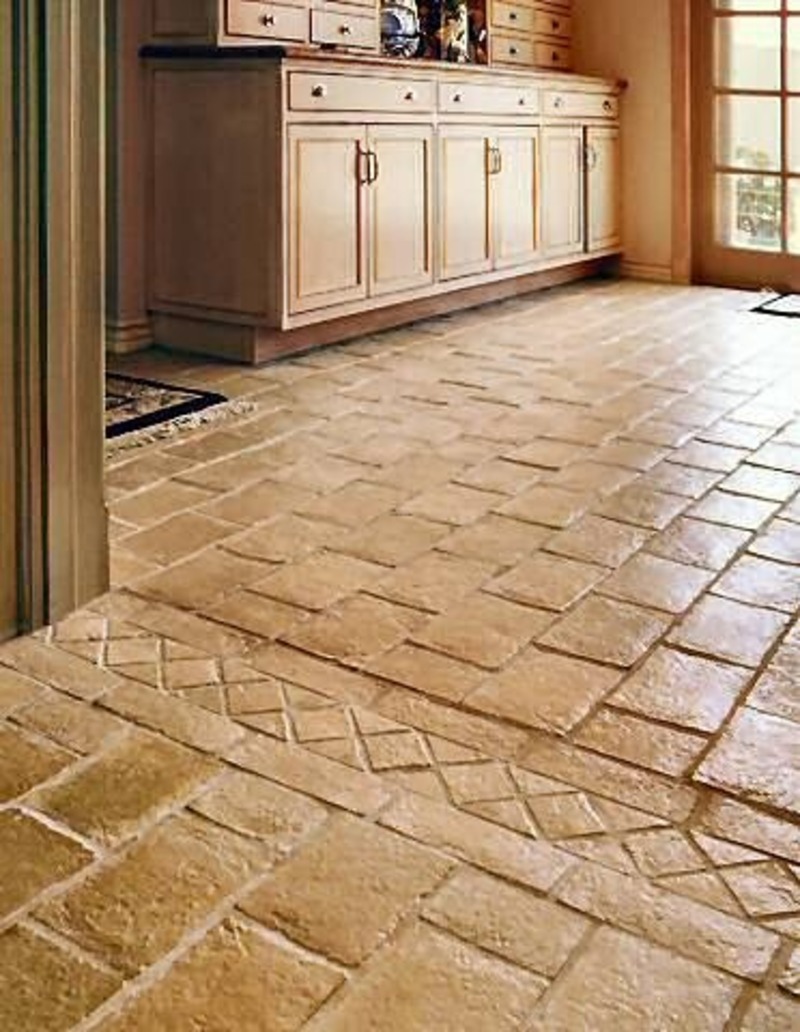
Natural stone textures paired with manufactured tiles offer the best of both aesthetics and practicality. I use natural travertine as accent strips within porcelain installations, gaining authentic texture without full natural stone maintenance requirements. This approach provides character and warmth while maintaining easy cleaning and durability for daily use.
Raised patterns through dimensional tiles add architectural interest to flat surfaces. Three-dimensional hexagons in my kitchen backsplash create shadows that shift throughout the day, making the space feel dynamic and alive. These textural elements work especially well as accent features rather than full installations, preventing overwhelming, busy appearances.

Furniture and Decor Integration Methods
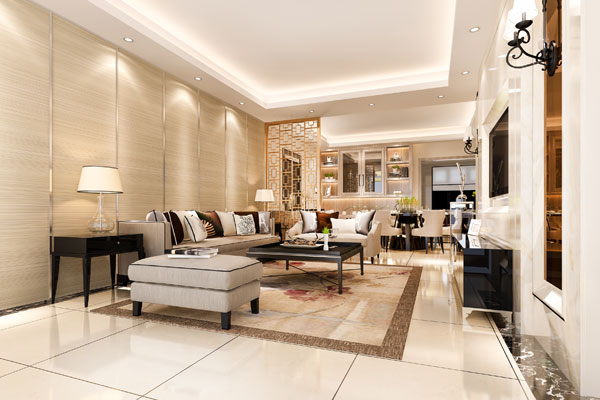
Area rugs over tile floors require strategic placement to enhance rather than hide decorative patterns. I position rugs to frame tile designs, leaving decorative borders visible while adding warmth and comfort to seating areas. This approach showcases both the tile investment and rug selection while providing practical benefits like noise reduction and thermal comfort.
Furniture legs and tile patterns need coordination to prevent visual conflicts. I align furniture placement with tile grid lines when possible, creating orderly appearances that feel intentional rather than accidental. This technique works especially well with geometric patterns where furniture placement can either enhance or disrupt the design rhythm significantly.
Lighting placement dramatically affects tile pattern visibility and impact. I position fixtures to highlight decorative elements while minimizing harsh shadows that obscure pattern details. Under-cabinet lighting in kitchens and strategic accent lighting in bathrooms ensure tile investments remain visible and appreciated throughout all hours of daily use.
Maintenance-Friendly Decorative Approaches
Pattern placement strategies hide dirt and wear in high-traffic areas while maintaining decorative impact. I use busy patterns near entrances where dirt accumulates and simple patterns in cleaner areas where maintenance is easier. This approach provides visual interest while making cleaning routines more manageable and effective long-term.
Sealed decorative tiles require different care than standard installations. I learned to research maintenance requirements before selecting decorative elements, ensuring my design ambitions match my cleaning commitment levels. Some decorative finishes need specialized products that significantly increase ongoing maintenance costs and time requirements.
Grout color selection affects long-term appearance maintenance significantly. Light grout shows dirt quickly but bleaches easily, while dark grout hides dirt but shows soap residue and hard water deposits. I choose grout colors based on expected soil types and cleaning preferences rather than just aesthetic considerations alone.

What’s the most cost-effective way to create decorative tile floor patterns?
Using standard tiles in creative layouts costs significantly less than purchasing specialty decorative tiles. I create stunning patterns by rotating square tiles 45 degrees, alternating tile directions, or mixing different sizes of the same tile type. Paint treatments on existing tiles offer another budget option, using stencils to create custom patterns. Colored grout transforms ordinary installations dramatically without material replacement. Creative borders using different-shaped tiles frame spaces beautifully while using minimal specialty materials for maximum visual impact.
How do I choose tile patterns that won’t look dated in a few years?
Classic geometric patterns like herringbone, basketweave, and simple checkerboards remain timeless, while trendy patterns quickly appear outdated. I stick to neutral base colors and add personality through grout color choices or small accent tiles that can be changed easily. Large format tiles in simple layouts create clean, contemporary looks that age well. Avoid overly complex patterns or trendy colors in permanent installations, saving bold choices for removable elements like area rugs and decorative accessories.
Can I mix different tile materials in the same floor installation?
Mixing materials requires matching thickness and expansion rates to prevent cracking and uneven surfaces. I successfully combine ceramic and porcelain tiles with similar specifications, but mixing natural stone with manufactured tiles needs professional assessment. Different materials may require different adhesives and installation techniques. Transition strips help manage material changes at doorways. Always test combinations in small areas first and use experienced installers familiar with mixed-material installations for best results.
What decorative tile patterns work best in small spaces?
Large format tiles with minimal grout lines make small spaces appear larger, while busy patterns can overwhelm compact areas. I use diagonal layouts to expand visual space and light colors to reflect more light. Monochromatic schemes with subtle texture variations add interest without visual clutter. Border treatments can define spaces without breaking up the floor area. Vertical patterns in narrow spaces and horizontal patterns in short spaces help correct proportion issues effectively.
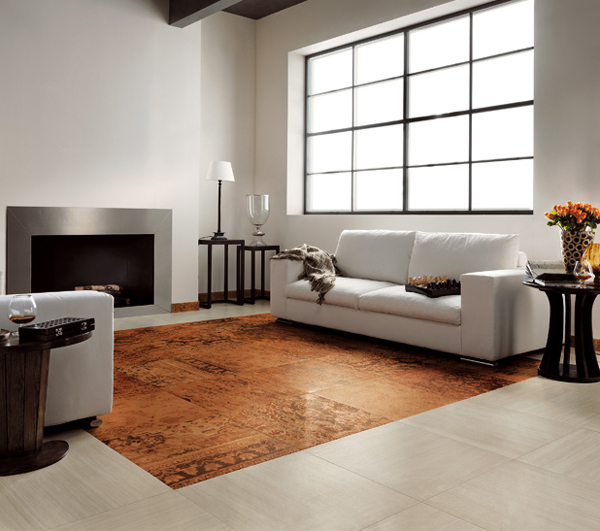
How do I incorporate colored tiles without overwhelming the space?
Use the 80/20 rule, with neutral tiles comprising 80% of the installation and colored accents making up 20% maximum. I scatter colored tiles randomly throughout neutral fields or use them as border elements. Monochromatic color schemes using different shades of the same hue create depth without chaos. Consider your lighting conditions since colored tiles appear different under various light sources. Test samples in actual lighting before purchasing, and remember that less is often more effective than bold statements.
What’s the best way to transition between different tile patterns in open floor plans?
Transition strips provide clean boundaries between different patterns while accommodating expansion differences. I use contrasting border tiles to frame pattern changes, creating intentional design elements rather than awkward transitions. Gradual pattern changes work better than abrupt shifts, using common elements like color or size to connect different areas. Strategic furniture placement can hide transition points naturally. Consider traffic flow patterns when planning transitions, ensuring changes don’t create trip hazards or visual disruption in high-use pathways.

Tile Floor Design Ideas
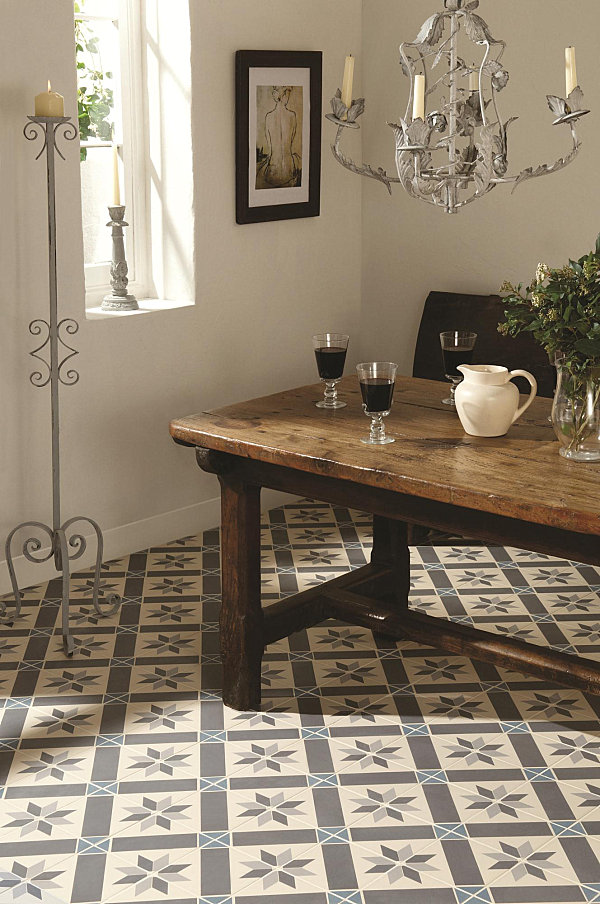
Flooring Design Ideas for Kitchen, Bathroom, Living Room, Mudroom
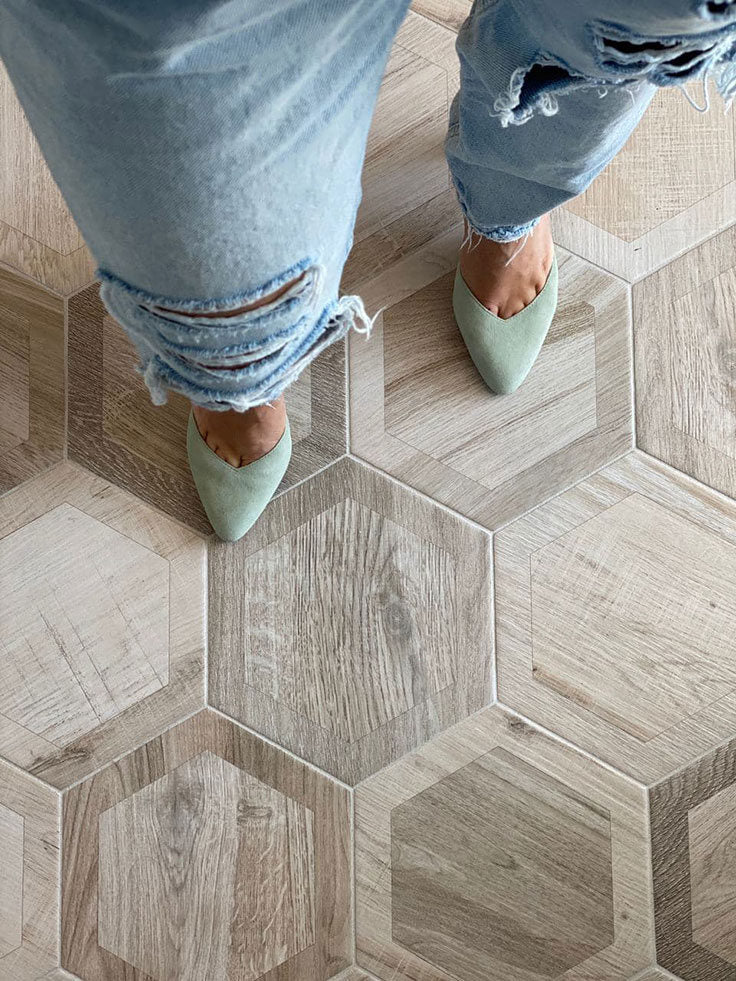
Kitchen Floor Tiles Design Ideas & Beautiful
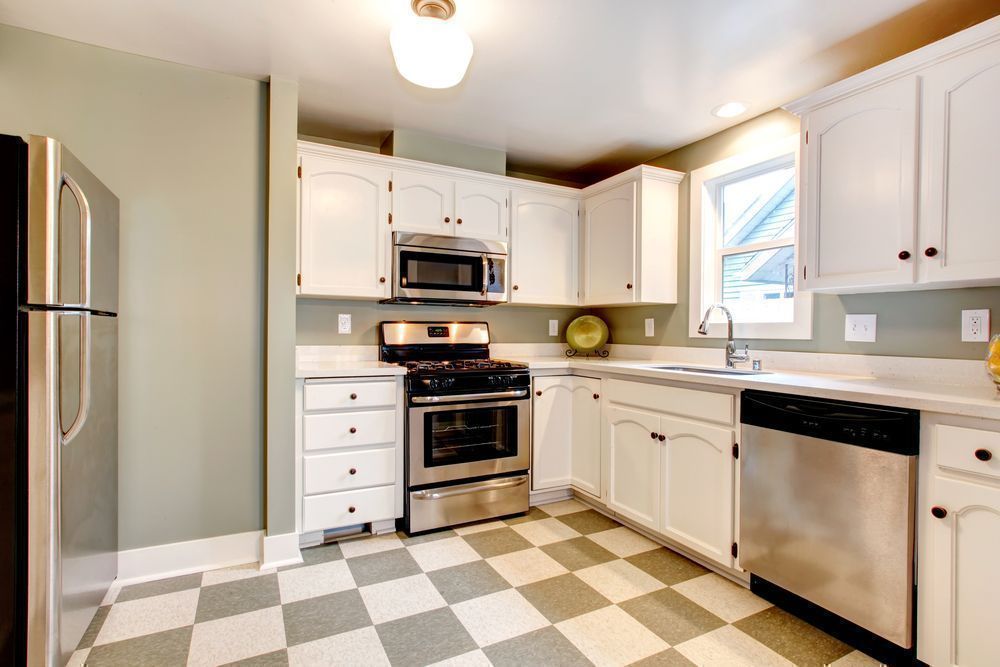
Related Posts: