When I moved into my current home five years ago, the laminate floors looked decent but lacked that lustrous finish I craved. Over time, foot traffic, cleaning mistakes, and general wear had left them dull and lifeless. I tried countless products and methods, some successful and others complete disasters. Through trial and error, I’ve discovered reliable techniques that consistently restore that coveted shine to laminate surfaces without causing damage.
Understanding Why Laminate Floors Lose Their Shine
I learned the hard way that laminate floors aren’t solid wood; they’re photographs of wood grain covered with a protective wear layer. This top coating takes the brunt of daily abuse, gradually becoming scratched and clouded from improper cleaning products. My biggest mistake initially was using oil-based cleaners that left residue buildup.
The protective aluminum oxide layer responds differently to treatments than natural materials. Traditional wood floor products often contain waxes and oils that make the laminate appear duller over time. I discovered this after months of wondering why my expensive floor polish seemed to make things worse rather than better.
Foot traffic creates microscopic scratches that scatter light rather than reflecting it smoothly. Pet claws, furniture legs, and gritty debris act like sandpaper on the surface. Understanding this helped me realize that restoration isn’t just about cleaning, it’s about minimizing further damage while addressing existing imperfections through proper techniques.
My Deep Cleaning Method That Works
I start every restoration project with thorough debris removal using a microfiber dust mop. Regular vacuums can scratch the surface, so I invested in a soft-bristled attachment specifically for hard floors. This initial step removes particles that would otherwise spread around during wet cleaning, potentially causing more scratches.
My cleaning solution combines one cup white vinegar with one gallon warm water, nothing more. Commercial cleaners often leave residue that dulls the finish over time. I apply this mixture with a well-wrung microfiber mop, working in sections to prevent oversaturation. Excess moisture can seep into seams and cause swelling.
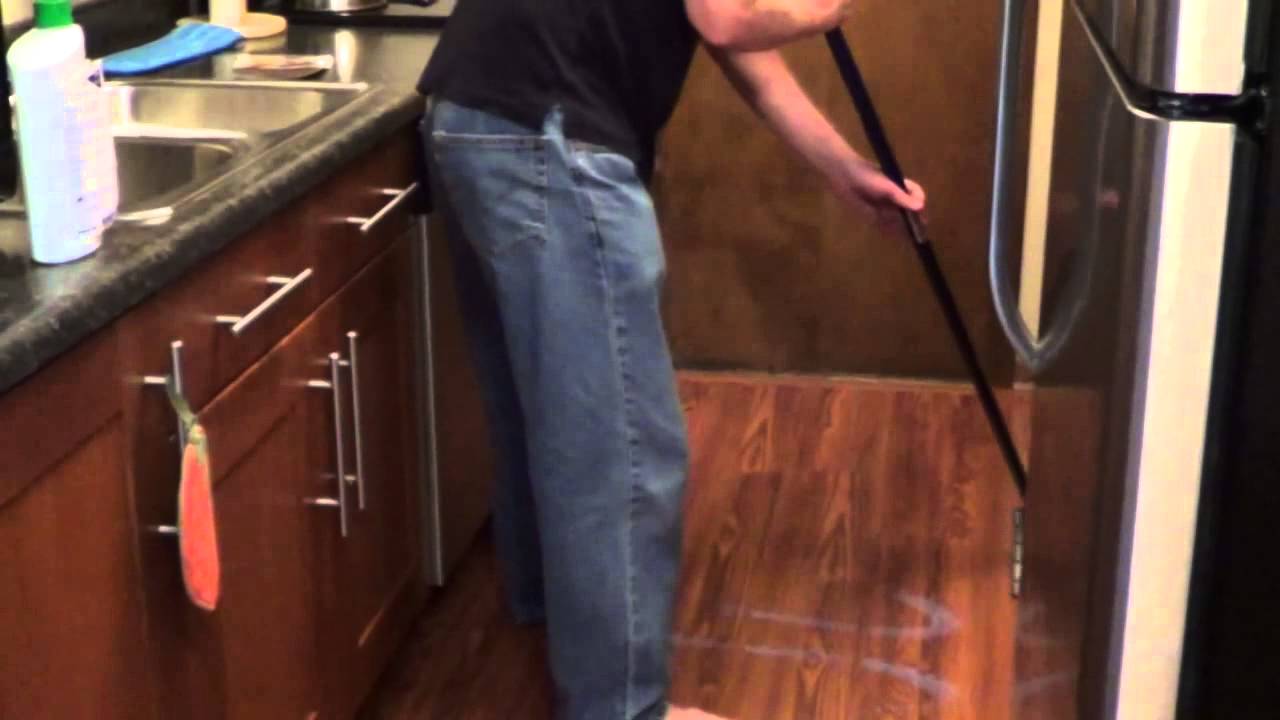
The drying process matters more than most people realize. I follow up immediately with a clean, dry microfiber cloth, buffing in circular motions to remove any remaining moisture and restore initial luster. This step alone often brings back significant shine that had been hidden under soap film and residue from previous cleaning attempts.
Natural Shine Restoration Techniques I Swear By
After deep cleaning, I mix equal parts white vinegar and olive oil for my signature shine treatment. The vinegar cuts through remaining residue while the oil adds protective luster without building up like commercial products. I apply this sparingly with a soft cloth, working small sections at a time for even coverage.
Club soda became my secret weapon for stubborn, dull spots. The carbonation helps lift embedded grime while the minerals add subtle shine. I pour it directly onto problem areas, let it sit for five minutes, then buff with microfiber cloths. This method works especially well around high-traffic doorways and kitchen areas.
Baby oil applied with extreme restraint can restore shine to severely dulled areas. I use just a few drops on a microfiber cloth, spreading it over large sections until barely visible. Too much creates slippery surfaces and attracts dirt, but the right amount penetrates micro-scratches and reflects light beautifully.

Commercial Products Worth Your Money
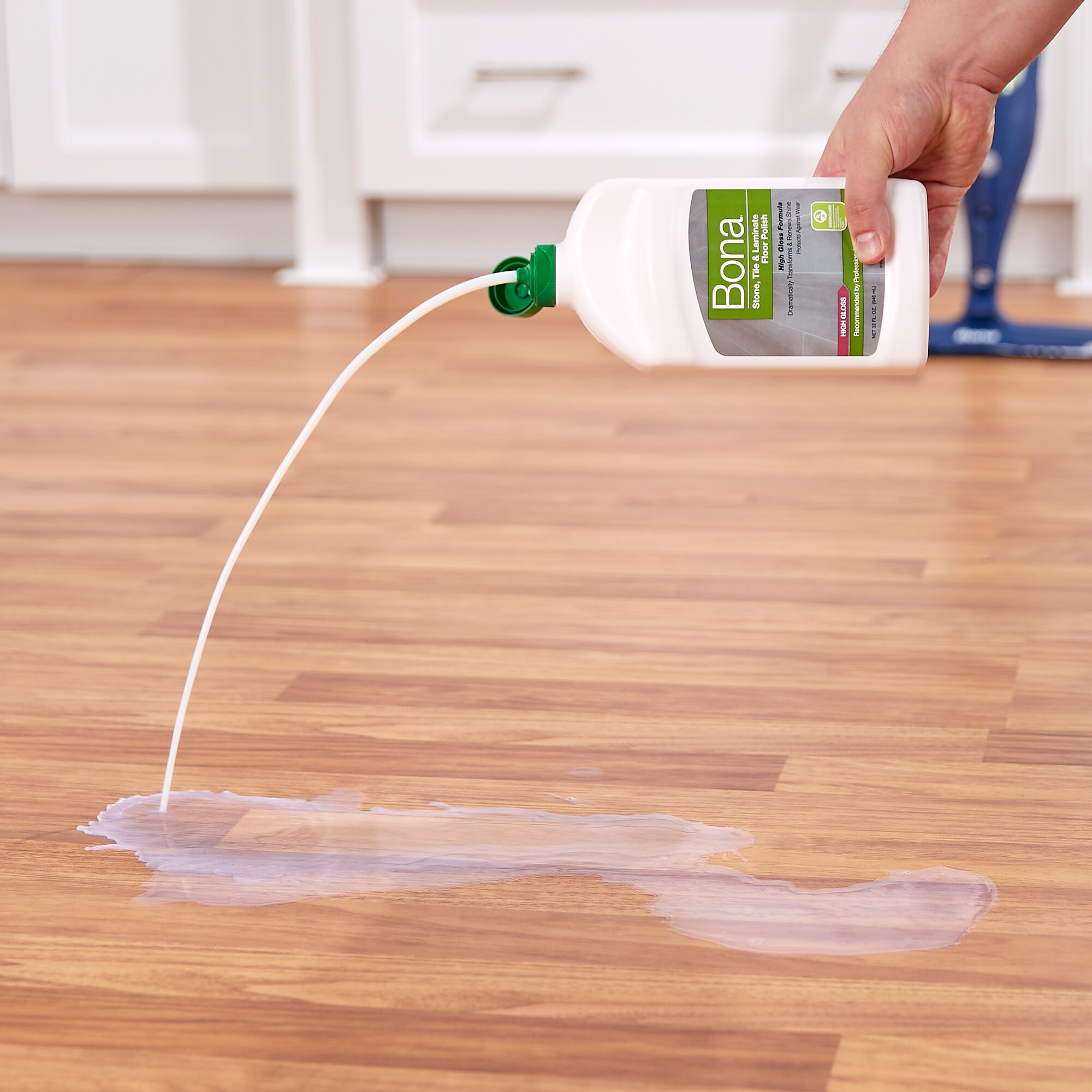
I’ve tested dozens of laminate-specific products, and Bona Hard-Surface Floor Cleaner consistently delivers professional results. Unlike multi-surface cleaners, it’s formulated specifically for laminate’s protective coating. The pH-balanced formula removes grime without leaving residue that attracts dirt or creates dullness over time.
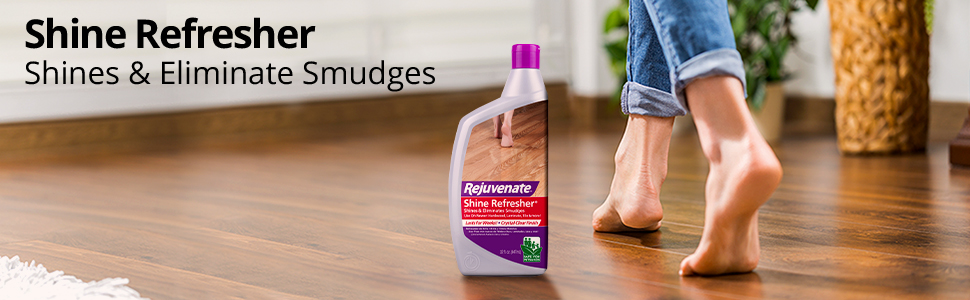
Weiman Laminate Floor Polish became my go-to for monthly treatments. It fills minor scratches while adding protective shine that lasts weeks longer than homemade solutions. The key is applying thin, even coats with microfiber applicators rather than dumping it on and spreading randomly like I did initially.
Quick Shine Multi-Surface Floor Finish surprised me with its effectiveness and ease of use. Simply spray and buff, no mixing or measuring required. While more expensive per application than homemade solutions, the convenience and consistent results justify the cost for busy households or large floor areas requiring regular maintenance
Preventing Future Dullness Through Smart Habits
I placed high-quality mats at every entrance to trap dirt and moisture before it reaches the floors. These aren’t decorative rugs but serious barrier systems with rubber backing and absorbent fibers. Replacing them regularly prevents accumulated grime from transferring to shoes and eventually scratching the laminate surface.
Furniture pads under every chair, table, and appliance leg eliminated the scratching that previously dulled my floors within months of restoration. I learned to check these regularly because they shift or fall off, especially on frequently moved items like dining chairs. This simple prevention saves hours of restoration work later.
My cleaning schedule now includes daily dust mopping and weekly damp cleaning rather than waiting for visible dirt buildup. Consistent light maintenance prevents the heavy soil accumulation that requires aggressive cleaning methods. This approach keeps the shine longer and reduces wear on the protective coating over time.
Troubleshooting Common Shine Problems
Streaky results usually indicate too much cleaning product or insufficient buffing during the drying phase. I learned to use less solution and spend more time with dry microfiber cloths. Working in smaller sections allows proper attention to each area rather than rushing through the entire floor and missing spots that need extra buffing.
Cloudy areas often result from soap buildup from previous cleaning attempts. My solution involves multiple vinegar rinses followed by thorough drying and buffing. Sometimes this requires several treatments over days to completely remove embedded residue that has accumulated over months or years of improper maintenance.
Persistent dull spots might indicate permanent damage to the wear layer that can’t be restored through cleaning alone. In these cases, I use furniture or area rugs to camouflage problem areas while protecting the surrounding floor from further damage. Sometimes strategic placement of decorative elements provides better long-term solutions than continued restoration attempts.

How often should I restore shine to my laminate floors?
The frequency depends on foot traffic and maintenance habits, but I typically perform deep restoration monthly in high-traffic areas and quarterly elsewhere. Daily dust mopping and weekly cleaning with proper techniques maintain shine between deep treatments. Heavy-use areas like entryways and kitchens may need attention every two weeks. Signs that restoration is needed include visible dullness, streaking after normal cleaning, or lack of light reflection. Consistent maintenance prevents major restoration projects.
Can I use regular floor wax or polish on laminate floors?
Never use traditional floor wax or wood polish on laminate surfaces. These products contain ingredients that build up over time, creating dull films that attract dirt and reduce shine. Laminate requires products specifically formulated for synthetic surfaces. I learned this expensive lesson after using wood floor polish that took weeks of vinegar treatments to remove. Always check labels for laminate compatibility before purchasing any floor care product.

What’s the biggest mistake people make when trying to restore laminate floor shine?
Using too much product is the most common error I see. Whether it’s cleaning solution, polish, or natural treatments, less is always more with laminate floors. Excess product creates streaks, attracts dirt, and can seep into seams, causing damage. I use barely damp mops and apply treatments sparingly with microfiber cloths. Proper buffing removes excess while distributing remaining product evenly. This approach delivers better results than soaking floors with cleaners.
How do I remove buildup that’s making my floors look dull?
Soap and product buildup require patient removal through multiple vinegar treatments. I mix one part white vinegar with three parts warm water, apply with a microfiber mop, and immediately buff dry. This process may need to be repeated several times over several days to dissolve stubborn buildup. For severe cases, I let the vinegar solution sit for five minutes before buffing. Never use harsh chemicals or abrasive scrubbers that could damage the protective surface permanently.

Are steam mops safe for restoring shine to laminate floors?
I strongly advise against steam mops on laminate flooring. The high heat and moisture can penetrate seams, causing boards to warp or separate. Steam also doesn’t effectively remove the residue that typically causes dullness. Traditional damp mopping with appropriate cleaners, followed by thorough drying, produces better results without risking expensive damage. If you must use steam, ensure it’s designed specifically for laminate and use the lowest setting with extreme caution around seams.
Can severely scratched laminate floors be restored to their original shine?
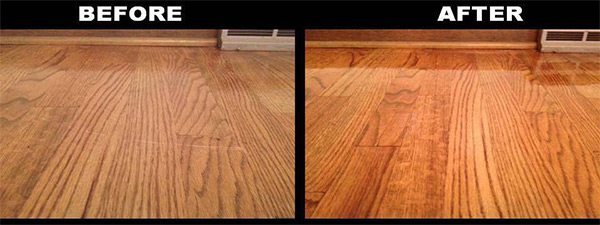
Minor scratches can often be minimized through proper cleaning and polish application, but deep scratches that penetrate the wear layer are permanent. I use laminate floor polish to fill superficial scratches and restore some shine, but realistic expectations are important. For severely damaged floors, strategic furniture placement or area rugs can camouflage problem areas. In extreme cases, replacement of individual boards might be necessary for complete restoration of appearance and shine.
How To Shine Laminate Floors
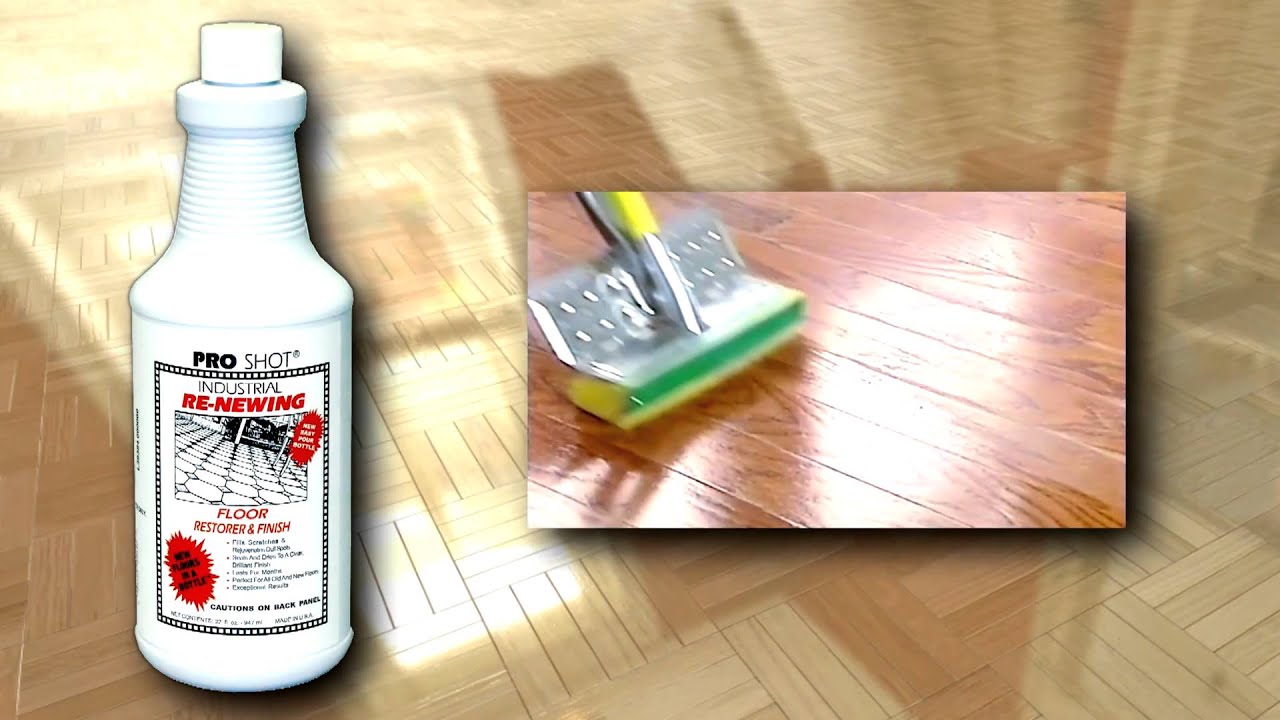
Quick Ways to Make Laminate Floors Shine
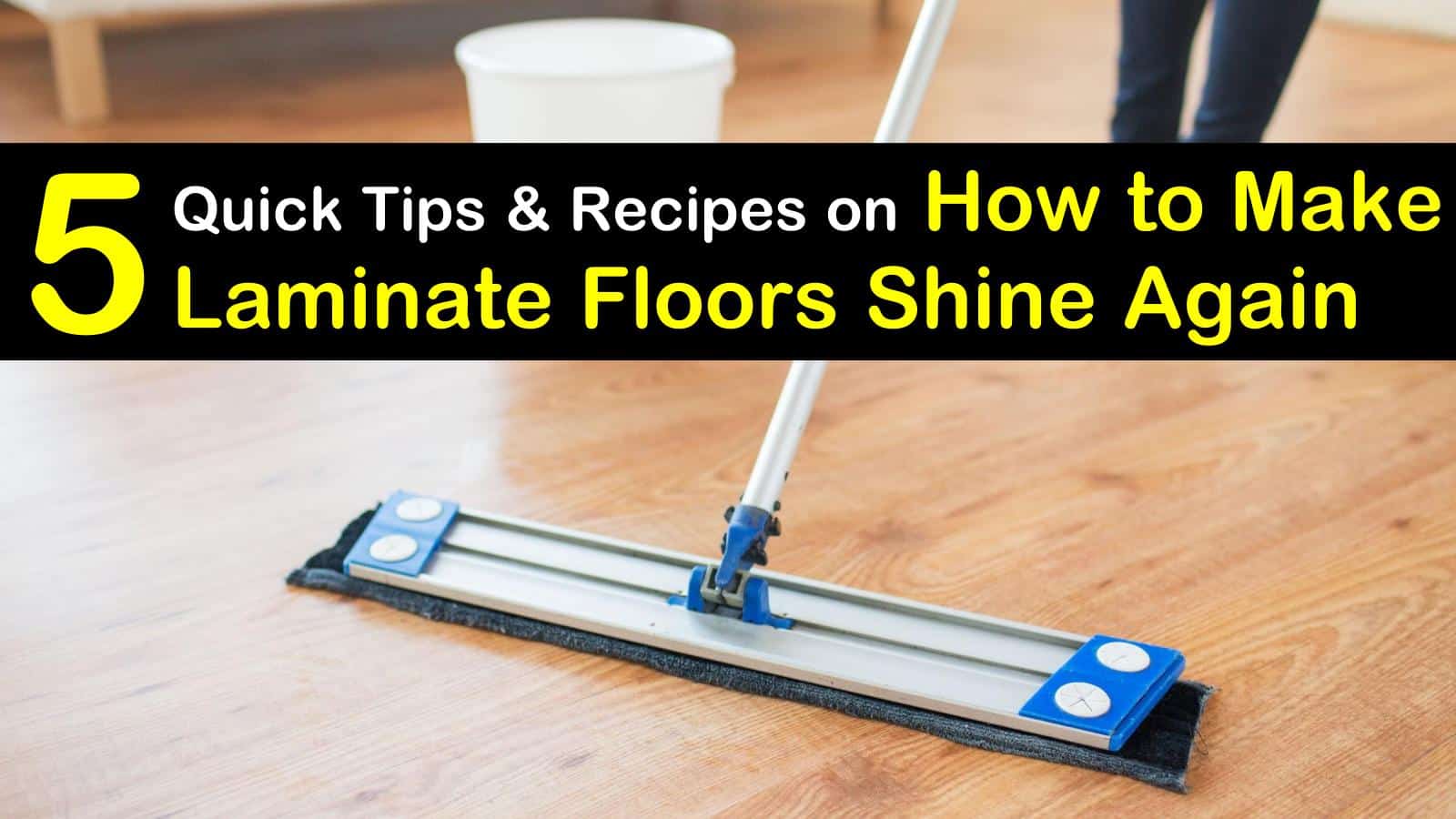
Rejuvenate 32-fl oz Liquid High Gloss Floor Polish
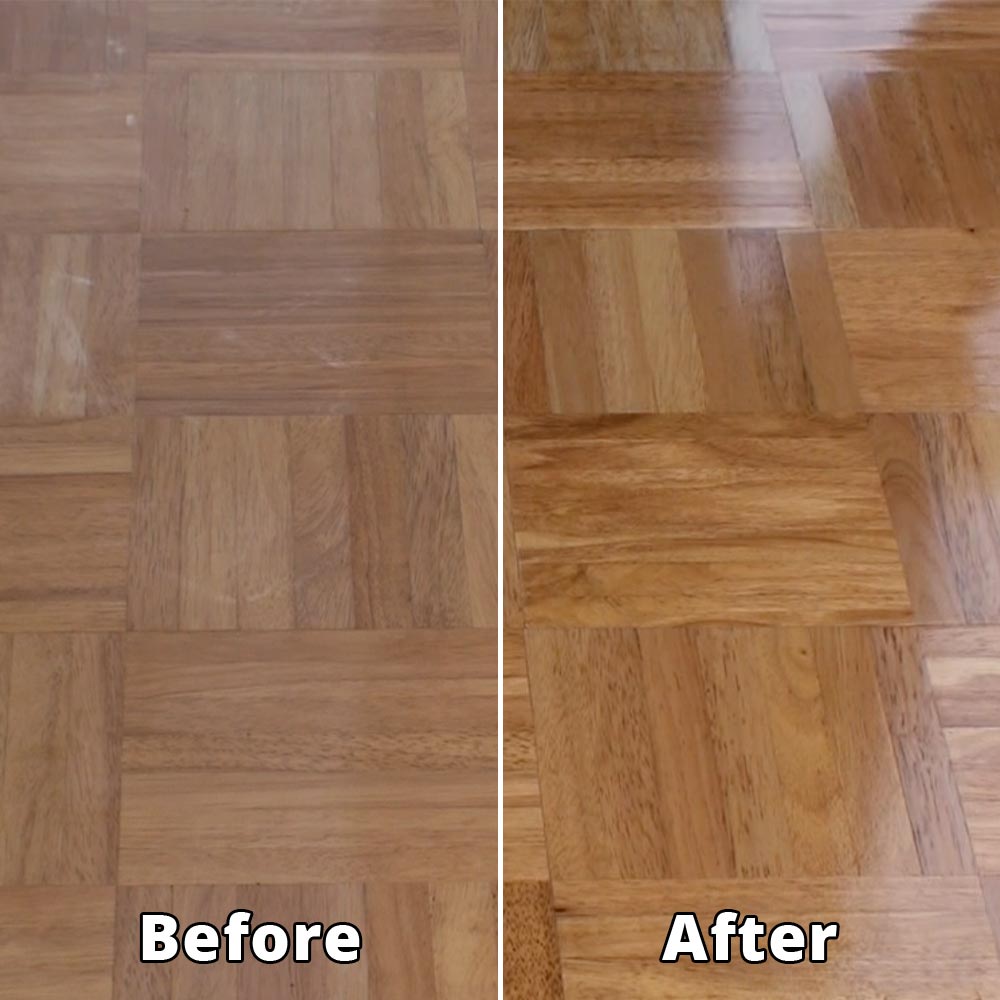
How to Get the Shine Back on a Laminate Floor

Related Posts: