When I first saw genuine reclaimed barnwood flooring at a specialty lumber yard, I fell in love with the weathered textures, nail holes, and authentic patina that told stories of decades past. Unfortunately, the $12 per square foot price tag and complex installation requirements quickly brought me back to reality. That’s when I discovered barnwood laminate flooring, a modern solution that captures all the rustic charm I craved at a fraction of the cost. After installing it throughout my living room and hallway two years ago, I can honestly say it was one of my best home improvement decisions. The realistic wood grain, varied plank widths, and authentic color variations create the perfect farmhouse aesthetic without the maintenance headaches or budget-breaking expense of real reclaimed wood.
Choosing the Right Barnwood Style and Pattern
My search for the perfect barnwood laminate began with understanding the different weathering patterns available. I discovered that manufacturers offer various aging styles, from lightly distressed barn wood with subtle wear marks to heavily weathered planks that look centuries old. The heavily distressed options initially caught my eye, but I realized they might be too busy for my space. I settled on a medium distressed pattern that shows character without overwhelming the room’s other design elements.
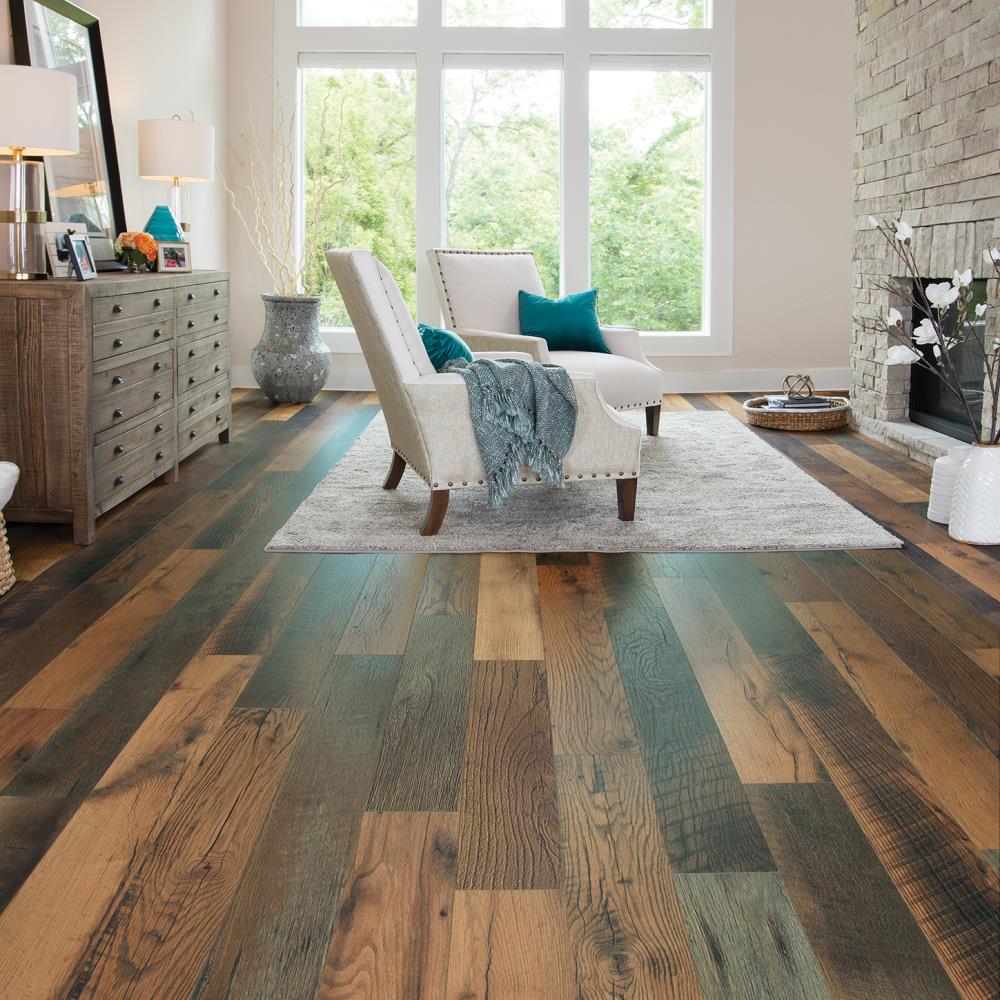
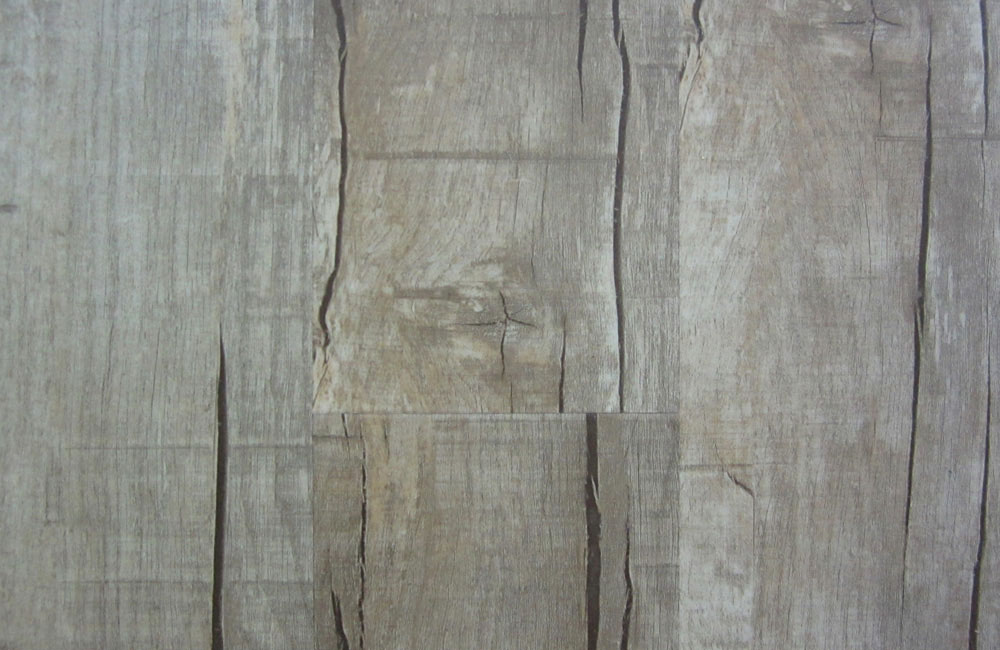
Color variation became crucial in creating an authentic barnwood appearance. Real barn wood shows natural color differences from weathering, sun exposure, and different wood species used in original construction. I chose a laminate collection that included planks in three complementary tones: light weathered gray, medium brown, and darker charcoal. The random distribution of colors throughout the installation creates realistic variation that mimics genuine reclaimed wood perfectly. This attention to color mixing makes the difference between obvious laminate and convincing barnwood replication.
Plank width selection significantly impacts the overall aesthetic of barnwood laminate installations. Traditional barn construction used various lumber sizes, creating floors with mixed plank widths that add visual interest. I chose a collection offering 5-inch, 7-inch, and 9-inch wide planks that install randomly for an authentic appearance. The wider planks showcase the wood grain patterns better, while narrower planks add detail and prevent monotony. This mixed-width approach creates the irregular, organic look that makes barnwood flooring so appealing.
Installation Techniques for Realistic Results
Proper layout planning became essential for achieving an authentic barnwood appearance during installation. I spent considerable time arranging planks before installation to ensure good color and width distribution throughout each room. Random installation doesn’t mean completely haphazard placement; I avoided clustering similar colors or widths together while maintaining natural-looking variation. Creating a layout diagram helped me visualize the final result and make adjustments before committing to permanent installation.
Staggering joint patterns required careful attention to mimic traditional barn construction methods. Real barnwood floors rarely show uniform staggering patterns due to irregular lumber lengths and practical construction considerations. I varied my joint spacing more than typical laminate installations, sometimes creating shorter runs and irregular patterns that look more authentic. This approach required more cutting and planning but created results that truly resemble reclaimed barn flooring rather than obviously manufactured laminate.
Direction changes added authenticity by replicating how barn floors were actually constructed. In my hallway, I installed planks perpendicular to the living room direction, creating the appearance of separate construction phases common in old barns. Transition strips between direction changes help define spaces while maintaining the rustic aesthetic. These directional variations require careful planning and precise cutting but create visual interest that makes the installation look intentional and historically accurate.
Durability and Performance Characteristics
Wear resistance has exceeded my expectations despite initial concerns about laminate durability in high-traffic areas. The AC4 commercial-grade wear layer on my barnwood laminate handles daily foot traffic from my family of four without showing scratches or wear patterns. The textured surface actually helps hide minor imperfections better than smooth laminates. After two years, the floors look identical to installation day despite heavy use from kids, pets, and frequent entertaining.
Moisture resistance proved adequate for most residential applications, though I learned that laminate isn’t truly waterproof like luxury vinyl alternatives. Quick spill cleanup prevents damage, but I avoid using barnwood laminate in bathrooms or other high-moisture areas. The tight click-lock joints resist minor moisture penetration, and the AC4 rating includes moisture resistance testing. I installed it successfully in my kitchen with careful maintenance and immediate attention to any spills.
Scratch and dent resistance impressed me, given the affordable price point of quality barnwood laminate. The realistic texture helps camouflage minor damage that would be obvious on smooth surfaces. Pet claws and dropped items cause less visible damage than I expected. However, major impacts can still cause chips or gouges that require plank replacement. The key is choosing quality laminate with thick wear layers rather than budget options that show damage easily.

Cost Analysis and Budget Benefits
Material costs for barnwood laminate delivered exceptional value compared to genuine reclaimed wood alternatives. I paid $3.50 per square foot for high-quality barnwood laminate compared to $12-15 per square foot for authentic reclaimed barn wood. The 400% cost difference allowed me to upgrade other aspects of my renovation while still achieving the rustic aesthetic I wanted. Even premium barnwood laminate options rarely exceed $5 per square foot, making them accessible for most renovation budgets.
Installation savings compounded the material cost advantages significantly. The click-lock installation system allowed me to complete 800 square feet over one weekend using basic tools. Professional hardwood installation would have cost $6-8 per square foot in my area, while I managed the laminate installation myself. Even hiring professionals for laminate installation typically costs half as much as hardwood due to simpler installation requirements and faster completion times.
Long-term value considerations make barnwood laminate a smart financial choice for achieving rustic aesthetics. The 15-25 year lifespan with basic care provides excellent return on investment. Unlike real reclaimed wood that may require refinishing, repairs, or pest treatment, laminate maintains its appearance with minimal maintenance. The dramatic transformation in room appearance and increased home value justify the investment while keeping costs reasonable for middle-class budgets.
Maintenance and Care Requirements
Daily cleaning has proven remarkably simple compared to genuine wood flooring that requires special products and techniques. I sweep or vacuum regularly to remove dirt and debris that could scratch the surface. Damp mopping with standard laminate cleaners keeps the floors looking fresh without special treatments. The textured surface hides dust and pet hair better than smooth laminates, reducing the frequency of cleaning needed to maintain appearance.
Spill cleanup requires immediate attention to prevent moisture damage at seams and edges. I keep microfiber cloths handy for quick cleanup of spills, particularly around pet food bowls and in the kitchen area. While the laminate surface resists stains well, standing water can penetrate joints and cause swelling or warping. The key is developing habits for immediate attention to any moisture rather than letting spills sit even briefly.
Seasonal maintenance involves monitoring for expansion and contraction issues that can affect laminate installations. I check transition strips and baseboards periodically to ensure proper expansion gaps remain clear. Humidity control helps minimize seasonal movement that could cause gaps or buckling. The barnwood pattern’s natural variation helps disguise minor gaps that might be noticeable with uniform laminate patterns. Annual inspection and minor adjustments keep the installation looking perfect.

Design Coordination and Decorating Tips
Color palette selection became crucial for showcasing barnwood laminate effectively without creating overwhelming rustic themes. I chose neutral wall colors in warm whites and soft grays that complement the floor’s weathered tones without competing for attention. Bold accent colors work beautifully against the neutral floor background, allowing me to change decorating schemes without replacing flooring. The varied tones in barnwood laminate provide a perfect foundation for both traditional and contemporary décor styles.
Furniture coordination required balancing rustic and refined elements to prevent the space from becoming too theme-heavy. I mixed reclaimed wood furniture pieces with sleeker modern elements to create a sophisticated farmhouse style. The barnwood floors provide enough rustic character that furniture and décor can lean more contemporary without losing the desired aesthetic. This balance prevents the space from feeling like a theme park while maintaining authentic barnwood charm.
Lighting considerations help showcase the floor’s texture and color variations throughout different times of day. I installed warm LED lights that enhance the wood tones without creating harsh shadows that might emphasize imperfections. Natural light from large windows brings out the subtle color variations beautifully during daytime hours. The interplay between artificial and natural lighting creates depth and interest that makes the laminate look even more authentic and appealing.
Comparing Laminate to Real Reclaimed Wood
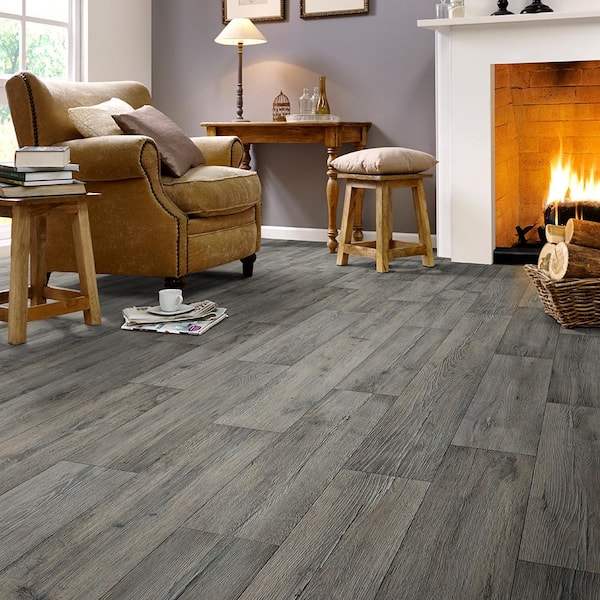
Appearance differences between quality barnwood laminate and genuine reclaimed wood have become minimal with modern manufacturing techniques. The high-definition printing and textured surfaces create convincing wood grain patterns that fool most observers. However, genuine reclaimed wood offers unique character marks, nail holes, and patina that can’t be perfectly replicated. The choice often comes down to budget constraints and practical considerations rather than pure aesthetics.
Performance comparisons favor laminate in many practical applications. Laminate won’t harbor insects, splinters, or require refinishing like genuine reclaimed wood might. The consistent thickness and engineered construction prevent structural issues common with old barn wood. While purists prefer authentic materials, laminate offers superior performance for active households with children and pets. The convenience and reliability often outweigh authenticity concerns for practical homeowners.
Installation complexity strongly favors laminate over genuine reclaimed barn wood. Real barn wood requires extensive preparation, sorting, and skilled installation to address irregular sizes and potential structural issues. Laminate installs predictably with standard tools and techniques. The time savings and reduced complexity make laminate accessible to DIY installers, while reclaimed wood often requires professional installation. This practical advantage makes laminate the smart choice for budget-conscious renovators.
How realistic does barnwood laminate look compared to genuine reclaimed wood?
Modern barnwood laminate is surprisingly convincing! My guests consistently think it’s real reclaimed wood until I tell them otherwise. The high-definition printing, varied colors, and textured surfaces create an authentic appearance that’s nearly indistinguishable from genuine barn wood. While purists might notice differences up close, the overall effect is remarkably realistic for a fraction of the cost.
Can barnwood laminate handle pets and children in busy households?
Absolutely! My AC4-rated barnwood laminate has handled two kids and a large dog beautifully for two years. The textured surface hides minor scratches and wear better than smooth laminates. Pet claws and dropped toys cause minimal visible damage. The durable wear layer resists stains and scratches while maintaining its rustic appearance through heavy daily use.

Is barnwood laminate suitable for kitchens and other areas prone to spills?
I successfully installed it in my kitchen with careful maintenance. While not waterproof like luxury vinyl, quality laminate resists minor moisture when spills are cleaned immediately. The key is developing good habits for quick cleanup and avoiding standing water. I wouldn’t recommend it for bathrooms, but kitchens and dining areas work well with proper care.
How difficult is DIY installation of barnwood laminate flooring?
Much easier than I expected! The click-lock system makes installation straightforward for DIYers with basic skills. I completed 800 square feet in one weekend using standard tools. The key is proper subfloor preparation and taking time to plan plank layout for an authentic appearance. Online tutorials and manufacturer instructions provide excellent guidance for first-time installers.

What’s the expected lifespan of quality barnwood laminate flooring?
Quality barnwood laminate typically lasts 15-25 years with proper care. My floors look identical to installation day after two years of heavy use. The thick wear layer protects against scratches and fading that would damage lesser quality options. Unlike real wood that needs refinishing, laminate maintains its appearance consistently throughout its lifespan with basic maintenance.
How does the cost of barnwood laminate compare to other flooring options?
Barnwood laminate offers exceptional value at $3-5 per square foot compared to $12-15 for genuine reclaimed wood. It costs more than basic laminate but less than luxury vinyl or engineered hardwood. When I factor in installation savings and long-term maintenance, laminate provides the best value for achieving authentic barnwood aesthetics within reasonable budgets.

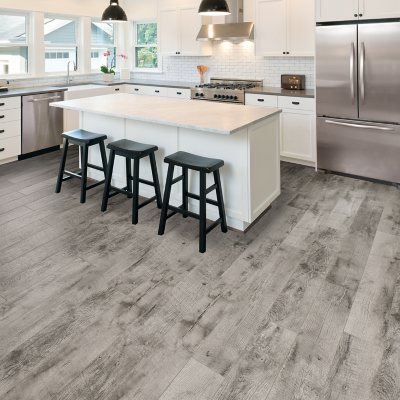
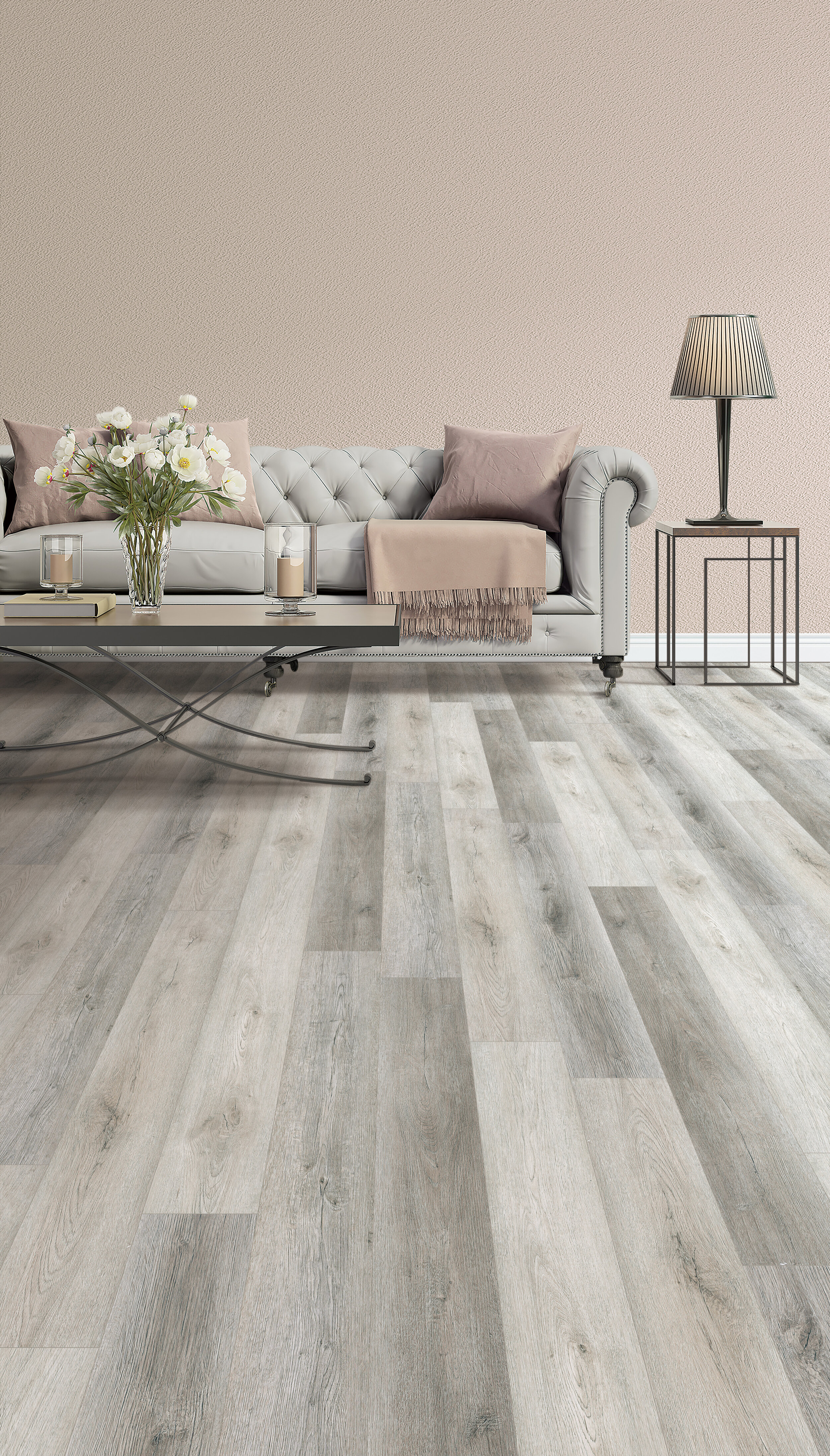
Grey hardwood flooring continues to be a hot trend. Loving this

Incredible Next Floor®
Related Posts: