When I first considered white tile flooring for my home renovation, I worried it would look sterile and hospital-like, but I couldn’t have been more wrong. Over the past four years, I’ve installed white tiles in my kitchen, both bathrooms, and laundry room, each with different patterns and finishes that have completely transformed these spaces.
What started as a practical choice for easy maintenance has become my signature design element, creating bright, clean spaces that feel both timeless and fresh. The versatility of white tile has amazed me, from classic subway patterns to modern large-format slabs; each installation has taught me new ways to use this seemingly simple material. Now I’m convinced that white tile flooring is one of the smartest design investments you can make for both style and functionality.
Classic Subway Tile Patterns and Layouts
My first white tile project featured traditional 3×6 subway tiles in my guest bathroom, and I quickly learned that the layout makes all the difference in the final appearance. The classic running bond pattern, where tiles are offset by half their length, creates clean horizontal lines that make small spaces appear wider. I chose bright white glazed ceramic tiles with slightly beveled edges that catch light beautifully and add subtle dimension to the walls and floor. The timeless appeal of this pattern means it will never look dated, unlike trendy alternatives that might seem outdated in a few years.
Herringbone subway tile installation in my kitchen created a more dynamic and sophisticated look than traditional running bond patterns. The V-shaped zigzag pattern adds visual interest while maintaining the clean, classic appeal of white subway tiles.
Installation complexity increases significantly with herringbone layouts, requiring precise cutting and careful planning to maintain consistent spacing. I hired a professional installer for this project after attempting a small test area myself and realizing the skill level required for perfect results.
Vertical stacking patterns offered a completely different aesthetic when I used subway tiles in my laundry room. Installing tiles in straight vertical columns rather than offset patterns creates a more modern, contemporary appearance that works beautifully in utility spaces.
The vertical lines draw the eye upward, making the ceiling appear higher and the room feel more spacious. This pattern is also easier for DIY installation since it requires no complex measurements or offset calculations, making it perfect for first-time tile installers.

Large Format White Tiles for Modern Spaces
My living room transformation involved 24×24 inch white porcelain tiles that create a sleek, minimalist aesthetic perfect for contemporary design. Large format tiles dramatically reduce grout lines, creating seamless surfaces that make spaces appear larger and more sophisticated. The fewer grout lines also mean easier maintenance, which was crucial for my busy household with kids and pets. I chose matte finish tiles that hide footprints and water spots better than glossy alternatives while maintaining an elegant, understated appearance.
Installation challenges with large format tiles taught me the importance of perfectly level subfloors and experienced installers. Any imperfections in the substrate telegraph through large tiles, creating lippage and visual irregularities that are impossible to ignore. My contractor spent extra time with self-leveling compound to ensure flawless installation, and the results justified the additional preparation work. The investment in proper installation prevents long-term problems and maintains the sophisticated appearance that makes large format tiles so appealing.
Color consistency became more noticeable with large format white tiles since each tile covers more surface area, and variations stand out more prominently. I learned to inspect tiles carefully during selection and mix boxes during installation to distribute any color variations evenly. High-quality manufacturers offer better consistency, investing in premium tiles is worthwhile for large installations. The dramatic impact of large format tiles transforms ordinary spaces into sophisticated, gallery-like environments that feel luxurious and modern.
Textured and Patterned White Tile Options
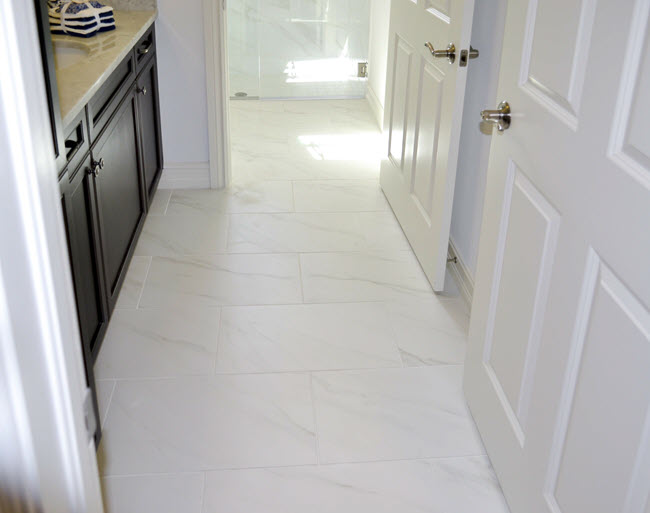
Marble-look white tiles in my master bathroom provided luxury aesthetics without the maintenance requirements of genuine stone. The realistic veining and subtle color variations create sophisticated elegance while offering the practical benefits of ceramic tile. I chose 12×24 inch tiles with soft gray veining that adds character without overwhelming the space. The porcelain material resists stains and etching that would damage real marble, making it perfect for busy bathroom environments where practicality matters as much as beauty.
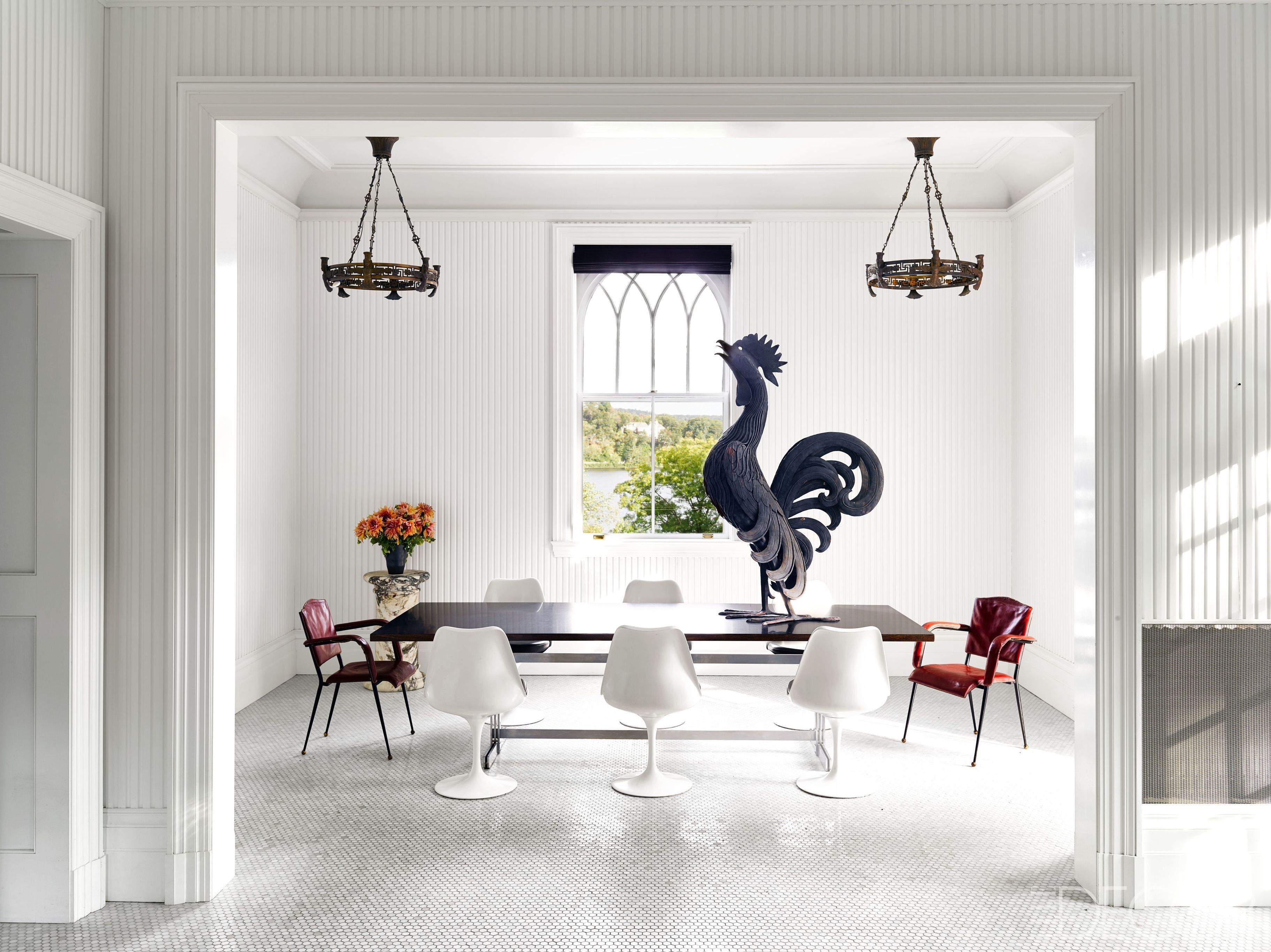
Geometric-patterned white tiles added personality to my powder room while maintaining the clean, bright aesthetic I wanted throughout the house. I selected hexagon tiles that create visual interest through shape rather than color, maintaining the white palette while adding dimension and texture. The honeycomb pattern works beautifully in small spaces, creating focal points without overwhelming limited square footage. Installation requires careful planning and skilled cutting, but the unique appearance makes the extra effort worthwhile.
Wood-look white tiles in my mudroom entry provided the warmth of wood grain with the durability and easy maintenance of ceramic tile. The subtle texture and grain patterns add visual interest while maintaining the practical benefits of white tile flooring. These tiles handle muddy boots, wet umbrellas, and heavy traffic beautifully while looking like expensive hardwood. The realistic printing and embossed textures convince most visitors that they’re seeing genuine wood until they feel the cool, smooth ceramic surface.

Grout Color Selection and Design Impact
Grout color selection dramatically impacts the final appearance of white tile installations, something I learned through trial and error across multiple projects. White grout creates seamless, monochromatic looks that make tiles appear continuous and spacious. However, white grout shows dirt and stains more readily, requiring frequent cleaning to maintain its pristine appearance. I use white grout in low-traffic areas like bathroom walls, where maintenance is manageable and the seamless appearance is most important.
Light gray grout became my go-to choice for white tile floors after discovering it provides subtle definition while hiding dirt better than pure white. The contrast is gentle enough not to overwhelm white tiles but sufficient to define individual tiles and create visual structure. Gray grout also complements the natural variations in white tiles, creating cohesive appearances that feel intentional rather than stark. This combination works beautifully in kitchens and bathrooms where practical maintenance considerations matter.
Charcoal grout created a dramatic contrast in my powder room, making white hexagon tiles pop with bold definition. The high contrast emphasizes the geometric pattern and creates a graphic, contemporary appeal that transforms simple white tiles into striking design statements. Dark grout requires careful installation to prevent staining tile surfaces, but the dramatic results justify the extra attention. This combination works best in smaller areas where the bold contrast creates impact without becoming overwhelming.

Maintenance Tips for White Tile Floors
Daily maintenance routines became essential for keeping white tile floors looking pristine and bright. I sweep or vacuum daily to remove dirt and debris that could scratch tile surfaces or accumulate in grout lines. White tiles show dirt, hair, and dust more readily than darker alternatives, making consistent cleaning crucial for maintaining their beautiful appearance. I keep microfiber slippers by each entrance to catch dirt before it spreads throughout the house, significantly reducing daily cleaning requirements.
Weekly deep cleaning involves mopping with pH-neutral tile cleaners that won’t damage grout or tile finishes. I avoid acidic cleaners that could etch ceramic glazes or discolor grout over time. Steam mopping works wonderfully for sanitizing white tile floors without chemicals, and the high temperature helps brighten white surfaces naturally. I pay special attention to grout lines, using soft brushes to remove embedded dirt that could darken grout and make the entire floor appear dingy.
Stain prevention strategies protect white tiles and grout from permanent discoloration. I clean spills immediately, especially acidic substances like wine, coffee, or citrus juices that could stain grout permanently. Sealing grout lines annually prevents stains from penetrating and makes routine cleaning more effective. I also use area rugs in high-traffic zones to protect tiles from excessive wear while adding warmth and comfort to hard surfaces. These preventive measures maintain the bright, clean appearance that makes white tile flooring so appealing.
Budget-Friendly White Tile Solutions
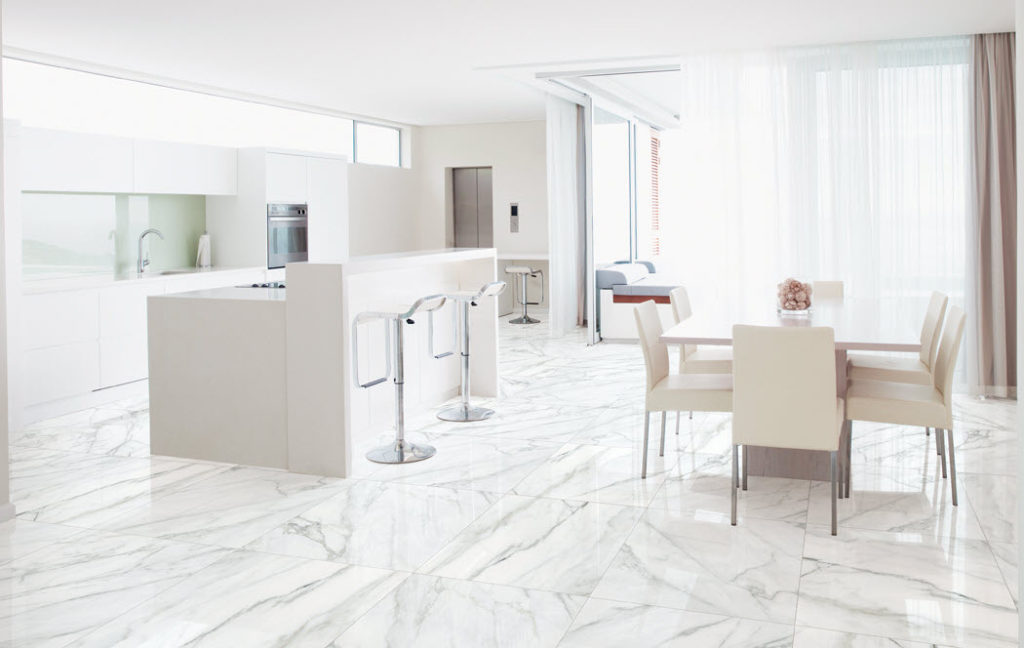
Ceramic white tiles offer excellent value for homeowners seeking beautiful flooring without premium price tags. I found quality ceramic options for $2-4 per square foot that look nearly identical to expensive porcelain alternatives. The key is selecting reputable manufacturers and inspecting tiles carefully for consistency and quality. Ceramic tiles work perfectly in most residential applications, though I choose porcelain for high-traffic areas or exterior installations where durability is paramount.
DIY installation saves significant labor costs for homeowners with basic skills and patience. I successfully installed white subway tiles in my laundry room using online tutorials and rented tools. The key is starting with simple patterns in low-visibility areas to build confidence before tackling complex installations. Proper preparation and taking time for precise measurements prevent costly mistakes that could require professional correction. DIY installation typically saves $5-8 per square foot compared to professional installation.
Shopping strategies help maximize value when purchasing white tiles for large installations. I buy extra tiles during initial purchases to ensure color matching for future repairs or additions. End-of-season sales and clearance events offer substantial savings on quality tiles from major manufacturers. I also found excellent deals at tile outlets and warehouse stores that offer premium tiles at discounted prices. Building relationships with local tile suppliers often leads to contractor pricing for homeowners doing their own installations.

Design Coordination and Styling Ideas
Color coordination with white tile flooring provides endless possibilities for creating sophisticated, cohesive design schemes. I use white tiles as neutral foundations that showcase colorful furnishings, artwork, and accessories without competing for attention. Bold accent colors pop beautifully against white backgrounds, allowing me to change decorating schemes seasonally without replacing permanent elements. The timeless neutrality of white tiles ensures they’ll complement any future design changes or style evolution.
Lighting design becomes crucial for showcasing white tile floors effectively and preventing spaces from feeling cold or sterile. I installed warm LED lights that enhance the white tiles’ brightness while creating an inviting atmosphere. Natural light brings out subtle variations in white tiles beautifully, so I maximize window exposure and use light-colored window treatments. Strategic accent lighting highlights tile patterns and textures, transforming functional flooring into decorative design elements.
Texture layering adds warmth and visual interest to white tile installations without compromising their clean, bright appeal. I use area rugs, woven baskets, and natural wood furniture to introduce organic textures that balance the tile’s smooth surfaces. Plants and greenery provide life and color that complement white tiles beautifully. The key is adding enough texture to prevent sterile appearances while maintaining the sophisticated simplicity that makes white tile flooring so appealing.

Do white tile floors show dirt and require constant cleaning?
While white tiles do show dirt more than darker options, I’ve found them surprisingly manageable with good daily habits. I sweep daily and mop weekly, which keeps them looking pristine. The bright appearance actually makes cleaning easier since you can see exactly what needs attention. Quality white tiles with proper sealing handle normal household dirt well without excessive maintenance.
Are white tiles too cold and sterile for comfortable living spaces?
Not at all! I was initially worried about this, but white tiles create bright, airy atmospheres that feel fresh and clean rather than cold. The key is balancing with warm lighting, area rugs, and natural textures in furnishings. My white tile floors have become a favorite feature that guests consistently compliment for their sophisticated, spa-like appeal.
How do white tiles hold up in high-traffic areas with kids and pets?
My white tiles have performed excellently with two kids and a dog for four years. Quality ceramic and porcelain tiles resist scratches, stains, and wear remarkably well. The smooth surfaces are easy to sanitize and don’t harbor bacteria like some other materials. Pet hair shows more on white surfaces, but it’s also easier to spot and remove quickly.
What’s the best grout color to use with white tiles?
I’ve tried several combinations and prefer light gray grout for most applications. It provides a subtle definition while hiding dirt better than pure white grout. White grout creates a seamless look but requires more maintenance. Darker grouts create a dramatic contrast that works beautifully for accent areas but can be overwhelming in large spaces.

Are white tiles suitable for kitchens where spills are common?
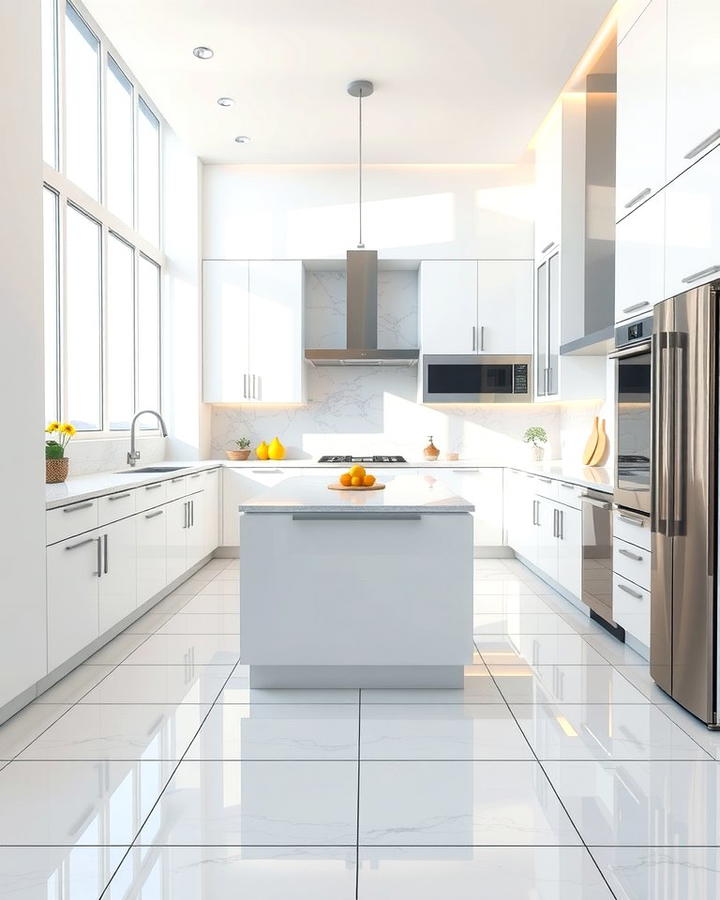
Absolutely! I installed white tiles in my kitchen, and they handle spills beautifully when cleaned promptly. The non-porous surfaces of quality ceramic and porcelain tiles resist stains from coffee, wine, and cooking spills. The bright surface makes it easy to spot spills immediately for quick cleanup. I’d definitely choose white tiles again for kitchen applications.
How do I prevent white tiles from looking boring or monotonous?
Pattern variation is key to creating visual interest with white tiles. I use different sizes, shapes, and installation patterns to add character without color. Textured tiles, interesting grout choices, and strategic lighting create depth and dimension. Mixing matte and glossy finishes in the same space also adds subtle variation that prevents monotony while maintaining the clean aesthetic.

Best Polished white tile floor ideas white tile floor, tile

White Flooring – White Wash Floors
Kitchen White Cabinets Ceramic Tile Floors Design Photos and Ideas

Related Posts: