When I first moved into my home with stunning Carrara marble floors, I thought cleaning them would be straightforward. How wrong I was. Within weeks, I noticed dull spots, etching marks, and stains that seemed impossible to remove with my usual cleaning products. After accidentally damaging several areas with inappropriate cleaners and learning expensive lessons about marble’s delicate nature, I embarked on a journey to master proper marble care. Through consultations with stone restoration professionals, countless hours of research, and plenty of trial and error, I discovered that maintaining marble floors requires specific knowledge, techniques, and products that differ dramatically from caring for other flooring materials.
Understanding Marble’s Unique Properties
Marble’s calcium carbonate composition makes it particularly susceptible to acid damage, something I learned the hard way when lemon juice left permanent etching on my kitchen floor. Unlike granite or other natural stones, marble reacts chemically with acidic substances, creating dull spots that penetrate beyond the surface. Even seemingly harmless products like vinegar-based cleaners or citrus-scented detergents can cause irreversible damage that requires professional restoration to repair properly.
The porous nature of marble allows liquids to penetrate deeply into the stone, creating stains that become increasingly difficult to remove over time without proper treatment. I discovered this when red wine soaked into my dining room floor during a dinner party, leaving a persistent stain despite immediate cleanup attempts. Understanding porosity helped me realize why sealing marble regularly is crucial for preventing permanent damage from spills and everyday use.
Natural variations in marble density and mineral composition mean that different areas of the same floor may react differently to cleaning products and staining agents. I noticed that some sections of my floor showed etching more readily than others, leading me to adjust my cleaning approach based on each area’s specific characteristics. This variability requires careful observation and customized care rather than uniform treatment across all marble surfaces.
Essential Tools and Products
pH-neutral stone cleaners became my go-to products after learning that conventional household cleaners could permanently damage marble surfaces through chemical reactions. I invested in specialized marble cleaners that maintain the stone’s natural beauty without causing etching or dulling. These products cost more than regular cleaners but prevent expensive restoration work that results from using inappropriate cleaning solutions on delicate marble surfaces.
Microfiber cloths and soft-bristled brushes proved essential for effective marble cleaning without scratching the surface or leaving lint behind on polished finishes. I learned to avoid paper towels and rough cleaning pads that can create microscopic scratches over time. Quality cleaning tools make the difference between maintaining marble’s lustrous appearance and gradually degrading its surface through improper cleaning techniques and abrasive materials.
Marble-specific sealers protect against staining and etching while maintaining the stone’s natural breathability and appearance characteristics that make it so desirable. I apply penetrating sealers annually to create an invisible barrier against spills and everyday wear. Professional-grade sealers provide superior protection compared to consumer products, though they require careful application to avoid streaking or uneven coverage that affects the floor’s appearance.
Daily Maintenance Routines
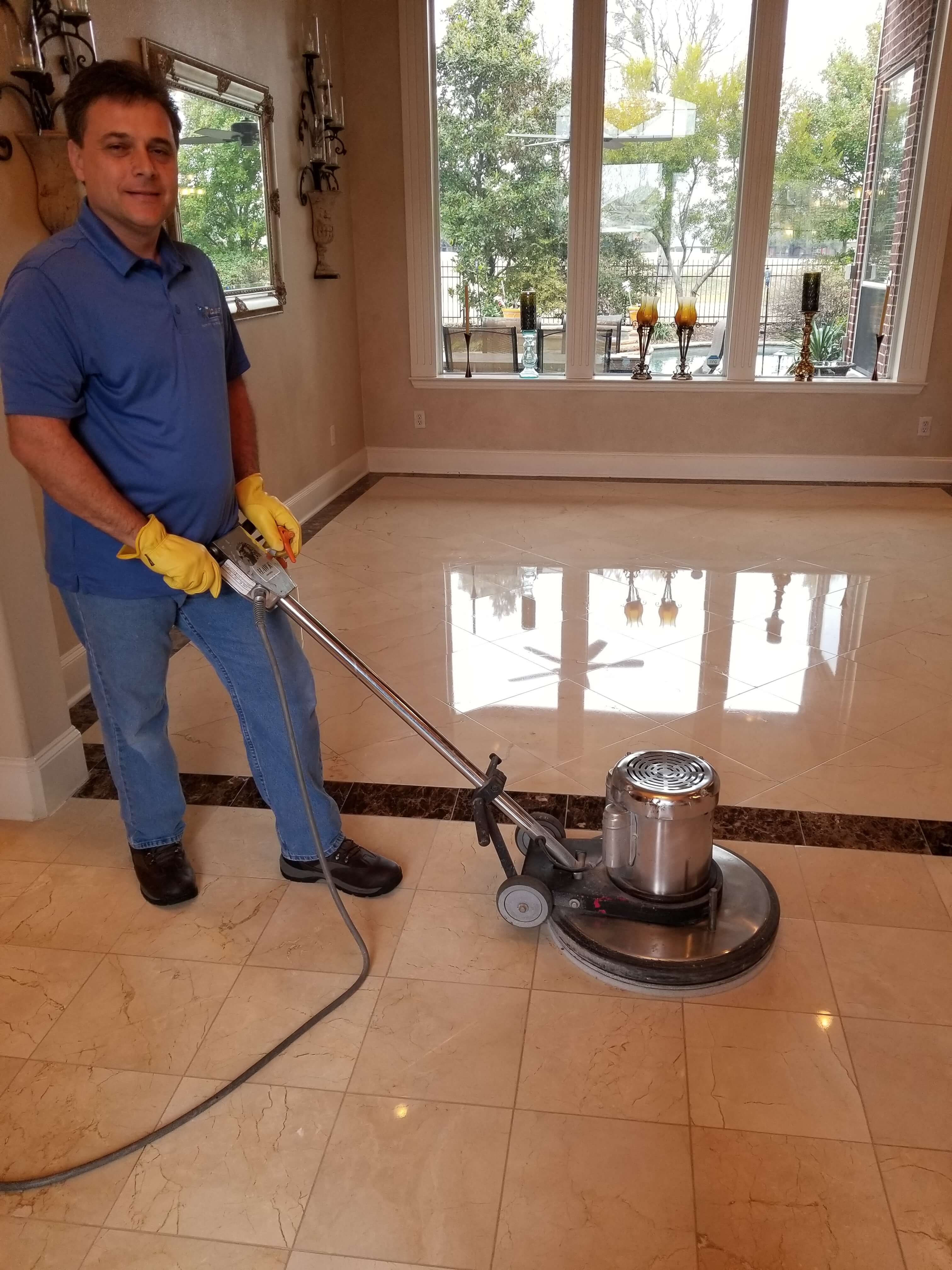
Daily sweeping or dust mopping removes abrasive particles that can scratch marble surfaces during foot traffic, preventing gradual dulling of the stone’s natural shine. I use a dry microfiber mop each morning to capture dust, sand, and debris before they can cause damage. This simple routine takes just minutes but significantly extends the time between professional polishing services while maintaining the floor’s beautiful appearance.
Immediate spill cleanup prevents staining and etching that becomes permanent if acidic liquids remain on marble surfaces for extended periods. I keep absorbent cloths readily available and blot spills immediately rather than wiping, which can spread the liquid across a larger area. Quick response to accidents has saved me from numerous potential stains and etching incidents that would have required expensive professional restoration.
Weekly damp mopping with appropriate marble cleaners removes accumulated dirt and maintains the stone’s natural luster without causing damage through harsh chemicals. I use minimal water and dry the floor immediately to prevent water spots and mineral buildup that dulls marble’s appearance. Consistent weekly cleaning prevents deep-seated dirt accumulation that requires aggressive cleaning methods potentially harmful to marble surfaces.

Stain Removal Techniques
Organic stains from coffee, wine, or food require different treatment approaches than oil-based stains or mineral deposits that appear on marble surfaces. I learned to identify stain types before attempting removal, as incorrect treatment methods can set stains permanently or cause additional damage. Poulticing techniques using appropriate absorbent materials and cleaning agents draw stains from marble’s porous structure without causing etching or surface damage.
Oil-based stains respond well to acetone or mineral spirits applied with absorbent powder to create poultices that extract the staining material from marble pores. I cover these treatments with plastic wrap and allow extended contact time for maximum effectiveness. Patience is crucial, as rushing the process or using too much solvent can spread stains or damage the marble’s surface finish.
Rust and mineral stains require specialized removal products designed specifically for natural stone surfaces to avoid etching while effectively removing discoloration. I learned that common rust removers containing acids will permanently damage marble, requiring professional restoration to repair. Stone-safe rust removers work more slowly but preserve the marble’s integrity while addressing stubborn mineral stains and discoloration.
Professional Restoration and Polishing
Recognizing when marble damage exceeds DIY repair capabilities helped me avoid making problems worse through inappropriate restoration attempts that could cause irreversible harm. Deep etching, extensive staining, or widespread dulling require professional stone restoration equipment and expertise. I learned to call professionals early rather than attempting complex repairs that often worsen damage and increase restoration costs.
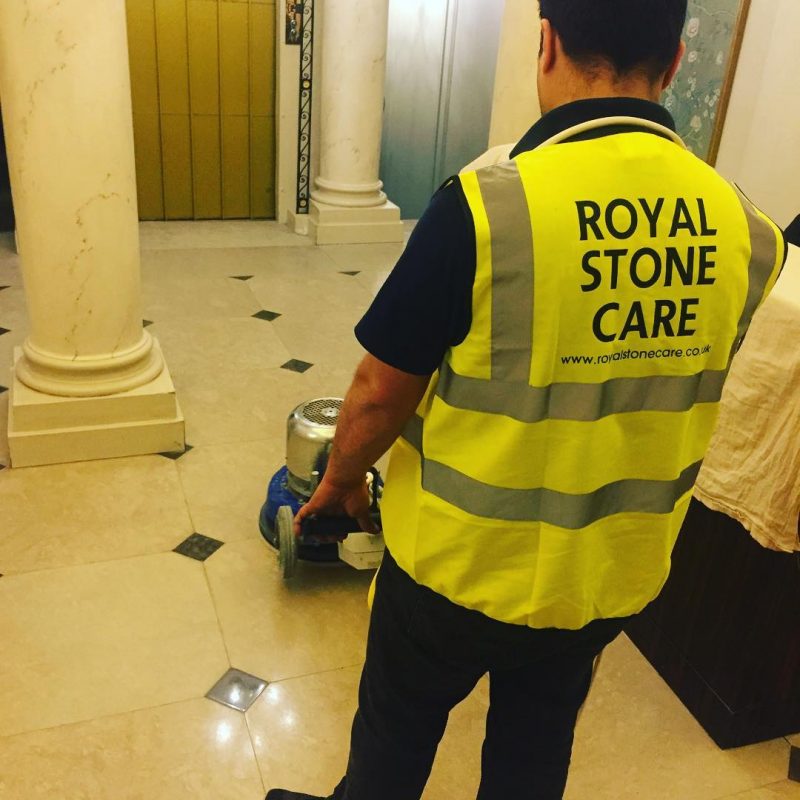
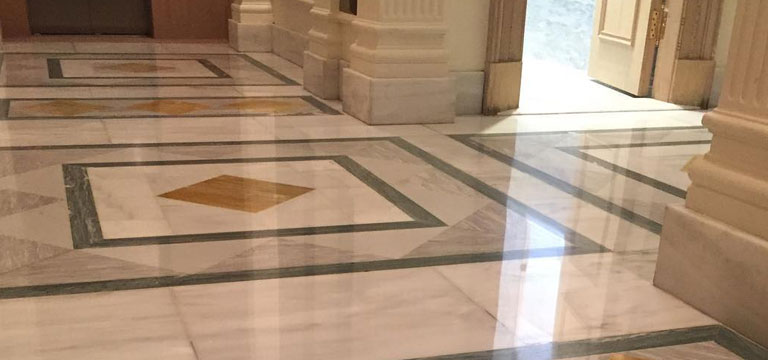
Professional diamond polishing restores marble’s natural shine and smoothness after years of wear or damage from improper cleaning methods have dulled the surface. I schedule professional polishing every 2-3 years, depending on traffic levels and wear patterns. This service removes minor scratches and etching while bringing back the deep luster that makes marble flooring so beautiful and valuable.
Crystallization treatments provide additional protection and enhanced shine that extends the time between major restoration services while improving marble’s resistance to daily wear. I combine this service with regular polishing for maximum protection and appearance enhancement. Professional treatments cost significantly less than replacement and maintain marble’s value while addressing accumulated damage from years of use.
Long-Term Preservation Strategies
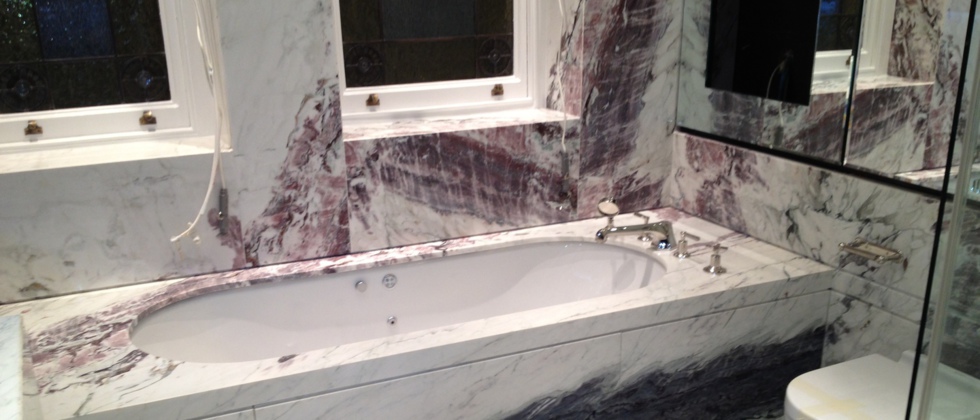
Preventive measures like entrance mats and furniture pads protect marble floors from the majority of damage that occurs during normal household activities and traffic patterns. I installed high-quality mats at all entrances to capture dirt and moisture before they reach the marble. Strategic placement of protective pads under furniture legs prevents scratching during movement while preserving the floor’s pristine appearance.
Regular sealing schedules based on traffic levels and marble porosity ensure consistent protection against staining and etching throughout the floor’s surface area. I test sealer effectiveness annually by dropping water in inconspicuous areas to check absorption rates. Maintaining proper sealer coverage prevents most staining incidents while making daily cleaning more effective and less labor-intensive.
Environmental controls, including humidity management and temperature stability,y prevent expansion and contraction that can cause cracking or separation in marble installations. I monitor indoor conditions and use humidifiers during dry seasons to maintain optimal conditions for marble preservation. Stable environmental conditions extend marble’s lifespan while preventing structural damage that requires expensive repair or replacement.
What’s the biggest mistake homeowners make when cleaning marble floors, and how can I avoid it?
The most common mistake I see is using acidic cleaners like vinegar, lemon juice, or common bathroom cleaners that permanently etch marble surfaces through chemical reactions. These products create dull spots that require professional restoration to repair, costing hundreds or thousands of dollars. I learned to read all cleaning product labels carefully and only use pH-neutral stone cleaners specifically designed for marble. When in doubt, test any new product in an inconspicuous area first to avoid costly damage.
How often should marble floors be professionally cleaned and polished, and what factors affect this schedule?
My experience suggests professional polishing every 2-3 years for most residential marble floors, though high-traffic areas may need annual attention. Factors like household size, pet ownership, entertaining frequency, and daily maintenance quality all affect this timeline significantly. I schedule professional services based on visible wear rather than rigid timelines, watching for dulling or etching that indicates restoration needs. Regular professional maintenance costs far less than major restoration required when marble is neglected too long.

Can I repair small etching marks and scratches myself, or should I always call professionals for marble damage?
Minor surface etching and light scratches can often be addressed with marble polishing powder and careful technique, though results vary based on damage severity and marble type. I successfully repaired small etching marks using fine polishing compounds and patience, but deeper damage always requires professional attention. Attempting major repairs without proper equipment and experience often worsens damage and increases restoration costs. When unsure about repair complexity, consulting professionals first prevents costly mistakes.
What’s the proper way to seal marble floors, and how do I know when resealing is necessary?
Marble sealing requires clean, dry surfaces and penetrating sealers applied according to manufacturer specifications for optimal protection without surface buildup. I test sealer effectiveness annually by dropping water drops in inconspicuous areas, looking for absorption that indicates compromised protection. Proper sealing creates invisible protection that repels liquids without changing marble’s appearance. Professional application ensures even coverage and maximum effectiveness, though careful homeowners can achieve good results with quality products and patience.

Are there any household items I can safely use for emergency marble cleaning when specialized products aren’t available?
Plain water and mild dish soap without additives provide safe emergency cleaning for marble when stone-specific products aren’t available immediately. I avoid anything with citrus, vinegar, ammonia, or bleach that can permanently damage marble through chemical reactions. Baking soda can safely absorb spills, but shouldn’t be used as an abrasive cleaner. For serious emergencies, professional stone cleaners are worth keeping on hand rather than risking damage with improvised solutions that might seem harmless but cause permanent etching.
How do I protect marble floors during home renovations or major cleaning projects that involve other trades?
I learned to protect marble floors with multiple layers, including plastic sheeting, cardboard, and protective films designed for stone surfaces during any construction or renovation work. Simple drop cloths aren’t sufficient protection against construction debris, chemical spills, or heavy equipment damage. Proper protection requires taping edges completely and checking coverage regularly throughout projects. The cost of comprehensive protection is minimal compared to restoration expenses when marble suffers damage during renovation work that could have been prevented.

Marble floor tile restoration The Floor Restoration Company
Professional cleaning services London completed by us with great

Related Posts: