When I started researching flooring options for my home renovation last year, environmental impact became my primary concern. Traditional flooring materials often contain harmful chemicals or require resource-intensive manufacturing processes that don’t align with my sustainability goals. My discovery of green laminate flooring opened up possibilities I hadn’t considered before. Through months of research, testing samples, and finally installing eco-friendly laminate throughout my main living areas, I learned that choosing environmentally responsible flooring doesn’t mean sacrificing style, durability, or affordability. The experience transformed my understanding of sustainable home improvement and proved that green choices can enhance both your living space and peace of mind.
Understanding Eco-Friendly Laminate Options
Green laminate flooring incorporates various environmentally conscious manufacturing practices that minimize harmful emissions and resource consumption compared to traditional products. I discovered that many manufacturers now use recycled wood content, formaldehyde-free adhesives, and water-based finishes that significantly improve indoor air quality. These innovations address health concerns while maintaining the durability and aesthetic appeal that make laminate flooring an attractive option for homeowners seeking practical solutions.
Certification programs like GREENGUARD Gold and Forest Stewardship Council provide reliable standards for evaluating laminate products’ environmental credentials and health safety. I learned to look for these certifications when comparing different brands and products during my selection process. Third-party verification ensures that marketing claims about sustainability and low emissions are backed by independent testing rather than manufacturer assertions alone.
Recycled content percentages vary significantly between manufacturers, with some products containing up to 70% post-consumer recycled materials in their core construction. I found that higher recycled content doesn’t necessarily compromise performance or appearance, though it may affect pricing and availability. Understanding these differences helped me make informed decisions that balanced environmental responsibility with practical considerations like budget constraints and installation requirements.
Health Benefits of Low-Emission Products
Indoor air quality improvements became immediately noticeable after installing low-VOC laminate flooring throughout my home, particularly in bedrooms where we spend significant time. Traditional laminate can off-gas formaldehyde and other chemicals for months or years, contributing to headaches, respiratory irritation, and long-term health concerns. My choice of certified low-emission products eliminated these worries while creating a healthier environment for my family, especially important given our sensitivity to chemical odors.
Children and pets benefit most from reduced chemical exposure that green laminate flooring provides through safer manufacturing processes and materials selection. I noticed that my dog no longer avoided certain areas of the house where chemical odors had previously been strongest. The peace of mind knowing that crawling toddlers and curious pets aren’t exposed to harmful off-gassing invests in eco-friendly options worthwhile for families prioritizing health and safety.
Formaldehyde-free adhesives and binders represent the most significant health improvement in modern green laminate products compared to older manufacturing methods. I researched extensively and chose products that use alternative binding agents like MDI or soy-based adhesives instead of traditional urea-formaldehyde resins. These alternatives maintain structural integrity while eliminating the primary source of indoor air pollution associated with laminate flooring installations.
Installation Considerations for Green Products
Green laminate installation often requires specific techniques and materials that differ from conventional flooring approaches, something I learned through careful product research. Eco-friendly underlayments made from recycled materials or natural fibers provide moisture protection and sound dampening without introducing harmful chemicals. These sustainable options sometimes cost more than traditional foam underlayments but offer superior performance and environmental benefits that justify the investment.
Adhesive requirements for floating green laminate installations typically involve low-VOC or solvent-free products that maintain strong bonds without compromising indoor air quality. I discovered that some eco-friendly laminates use innovative locking systems that require no adhesives at all, simplifying installation while eliminating potential chemical concerns. These mechanical connection systems also make future removal and recycling easier when the flooring eventually needs replacement.
Acclimation periods for green laminate products may differ from traditional materials due to alternative core compositions and manufacturing processes that affect moisture absorption. I allowed extra time for my eco-friendly planks to adjust to my home’s temperature and humidity conditions before installation. This patience prevented buckling and gapping issues that can occur when sustainable materials aren’t properly conditioned to their final environment before installation begins.

Cost Analysis and Long-term Value
Initial costs for green laminate flooring typically run 10-30% higher than conventional products, reflecting the premium materials and specialized manufacturing processes required for sustainable production. I budgeted carefully for this price difference while considering the long-term benefits of improved indoor air quality and environmental responsibility. The cost differential has decreased significantly as eco-friendly options become more mainstream and manufacturing scales increase across the industry.
Long-term value considerations extend beyond simple purchase price to include health benefits, durability improvements, and potential resale value increases from sustainable home features. I calculated that avoiding health issues related to poor indoor air quality could save thousands in medical costs over time. Additionally, eco-conscious buyers increasingly seek homes with sustainable features, potentially improving marketability when selling becomes necessary.
Maintenance costs for green laminate often prove lower than traditional options due to superior surface treatments and construction quality that resist wear and staining. I’ve found that my eco-friendly floors require less frequent deep cleaning and show fewer signs of wear after two years of use. The durability improvements offset higher initial costs while providing ongoing savings in cleaning products and maintenance time requirements.
Performance and Durability Factors
Wear resistance in quality green laminate products equals or exceeds traditional laminate performance through advanced surface treatments and improved core construction techniques. I was initially concerned that eco-friendly manufacturing might compromise durability, but extensive testing proved these fears unfounded. My floors have withstood heavy foot traffic, furniture movement, and pet activity without showing significant wear or damage after extensive daily use throughout busy household areas.
Moisture resistance capabilities in green laminate often surpass conventional products due to innovative core materials and edge sealing technologies developed for sustainable manufacturing. I tested this extensively in my kitchen and bathroom installations, finding that properly installed eco-friendly laminate handles spills and humidity better than expected. The improved moisture performance reduces maintenance requirements while extending product lifespan in challenging environments.
Scratch and impact resistance vary between green laminate products depending on surface treatment technologies and core density characteristics that affect overall performance. I learned to evaluate these factors carefully during product selection, testing samples with common household hazards like dropped objects and furniture scratches. Quality eco-friendly products demonstrate excellent resistance to normal household damage while maintaining their appearance over years of regular use and activity.

Future Trends in Sustainable Flooring
Recycling programs for end-of-life laminate flooring are expanding as manufacturers recognize the need for circular economy approaches to product lifecycle management. I researched companies that accept old flooring for recycling into new products, finding several programs that make disposal more environmentally responsible. These initiatives reduce landfill waste while creating raw materials for future flooring production, completing the sustainability cycle that makes green choices more impactful.
Bio-based materials increasingly replace petroleum-derived components in laminate manufacturing, with some companies experimenting with agricultural waste and rapidly renewable resources. I’m following developments in bamboo fiber cores, rice hull fillers, and other innovative materials that could further improve environmental performance. These advances suggest that future green laminate options will offer even better sustainability credentials while maintaining performance standards.
Digital printing technologies enable more realistic wood grain patterns while reducing water and chemical usage in laminate surface decoration processes. I observed significant improvements in appearance quality compared to older eco-friendly products that sometimes sacrificed aesthetics for environmental benefits. Modern green laminate combines stunning visual appeal with sustainability, eliminating the need to choose between environmental responsibility and attractive flooring options.

How do green laminate floors compare in price to traditional hardwood or conventional laminate options?
Green laminate typically costs 15-25% more than conventional laminate but remains significantly less expensive than solid hardwood flooring options. I found that the price premium for eco-friendly features has decreased as sustainable manufacturing becomes more common. When factoring in health benefits, improved durability, and potential home value increases, green laminate offers excellent value. The investment pays dividends through better indoor air quality and environmental responsibility without breaking renovation budgets.
Can I install green laminate flooring myself, or does it require professional installation for best results?
I successfully installed green laminate throughout my home using standard DIY techniques, though some eco-friendly products have specific requirements for underlayment and acclimation. The installation process mirrors conventional laminate, but attention to the manufacturer’s guidelines ensures optimal performance and warranty coverage. Professional installation guarantees perfect results, but it isn’t necessary for homeowners comfortable with basic flooring projects. Quality tools and patience produce excellent results for motivated DIY enthusiasts.

What certifications should I look for when shopping for environmentally friendly laminate flooring products?
GREENGUARD Gold certification ensures the lowest chemical emissions for improved indoor air quality, while FSC certification verifies responsible forest management practices. I prioritized these certifications during my selection process, finding them reliable indicators of genuine environmental benefits. CARB Phase 2 compliance indicates formaldehyde emission limits, and Cradle to Cradle certification addresses broader sustainability factors. These third-party verifications provide confidence that green claims are legitimate rather than marketing tactics.
How does the durability of green laminate compare to traditional laminate in high-traffic areas?
My experience with green laminate in high-traffic areas has been excellent, with performance equaling or exceeding traditional products after two years of heavy use. Modern eco-friendly surface treatments provide outstanding wear resistance while maintaining environmental benefits. I was initially skeptical about durability compromises, but found that sustainable manufacturing often produces superior products. Quality green laminate handles foot traffic, furniture movement, and daily activities without showing premature wear or requiring special maintenance considerations.
Are there any special maintenance requirements for green laminate floors that differ from conventional products?
Green laminate maintenance requirements mirror conventional products, though some eco-friendly options benefit from pH-neutral cleaners that preserve surface treatments. I use the same cleaning routine for my sustainable floors as I would for traditional laminate, finding no additional complexity or special products needed. The improved construction quality in many green products reduces maintenance needs while providing better stain and moisture resistance. Simple regular cleaning maintains appearance and performance without requiring specialized care routines.
What happens to green laminate flooring at the end of its useful life, and are recycling options available?
Several manufacturers now offer take-back programs for end-of-life laminate flooring, recycling materials into new products or alternative applications. I researched disposal options before purchase, finding that eco-friendly products often have better end-of-life solutions than conventional alternatives. Some green laminates contain higher recycled content, making them more suitable for future recycling processes. While recycling infrastructure continues developing, choosing products with established disposal programs ensures responsible handling when replacement becomes necessary years from now.
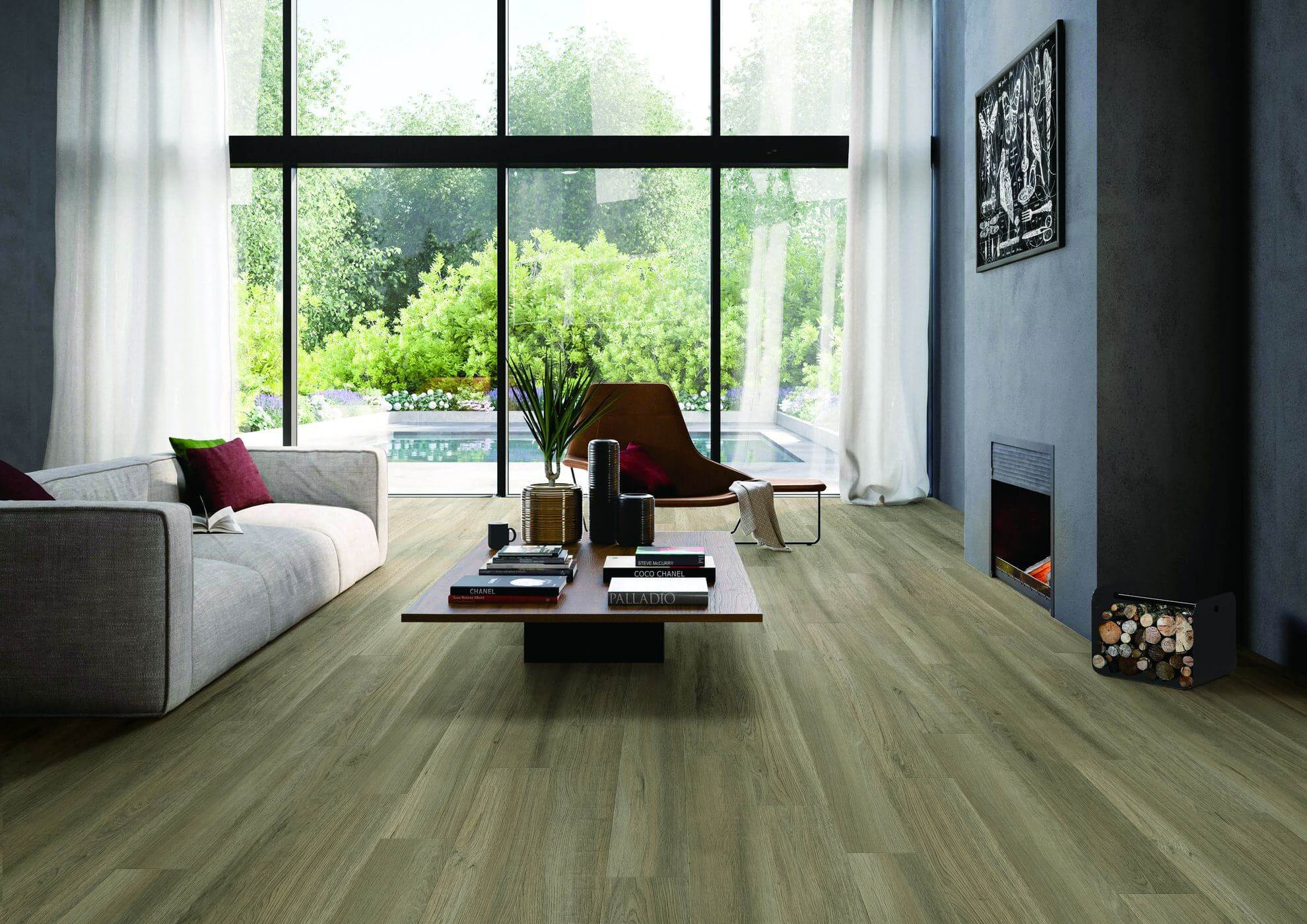
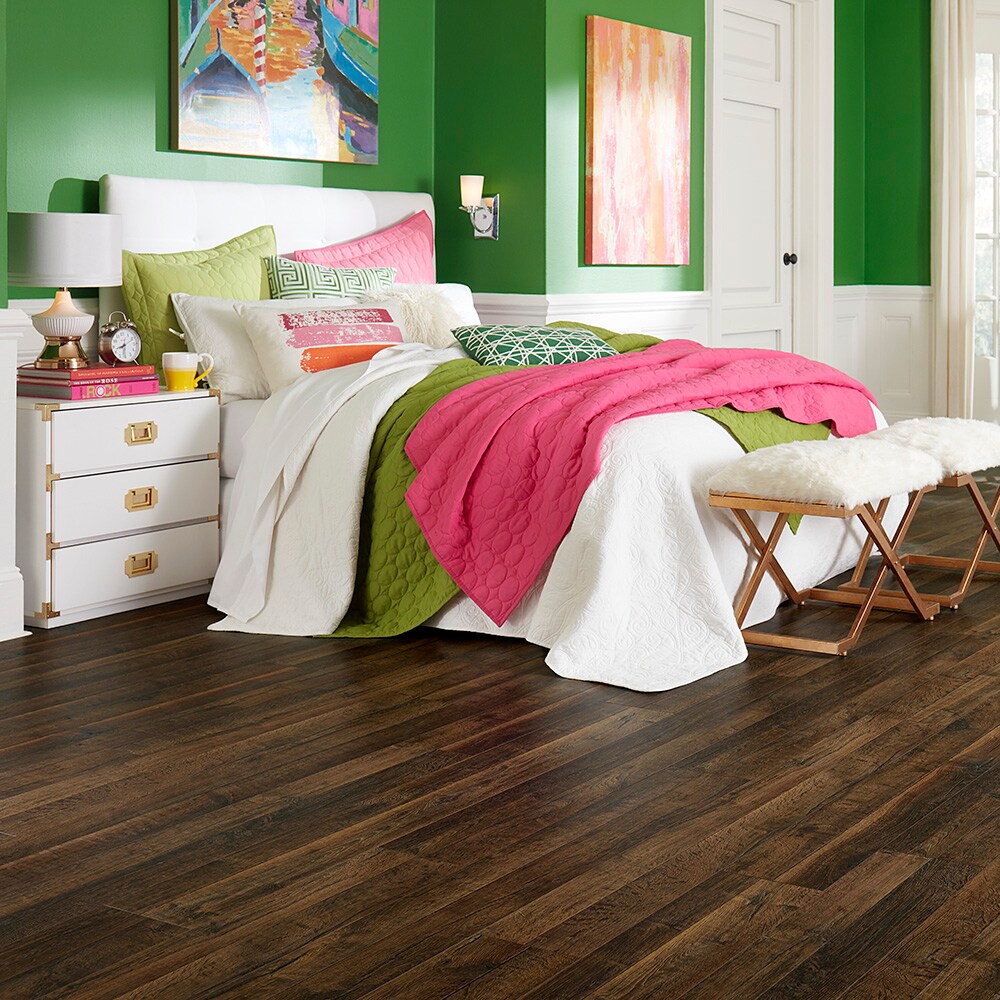
Pergo Portfolio + WetProtect Avenue Oak 10-mm Thick Waterproof
Energy Efficient Flooring Choices
Related Posts: