Three winters ago, I dreaded walking across my cold ceramic tile floors in the morning, especially in the bathroom where the shock of icy tiles made me dance from foot to foot. After researching radiant floor heating systems, I decided to transform my home’s comfort level by installing heated ceramic tile floors in key areas. The process taught me invaluable lessons about system selection, installation challenges, and long-term benefits that extend far beyond simple comfort. My journey from freezing morning routines to luxurious warm floors revealed how radiant heating can fundamentally change your relationship with tile flooring while providing energy-efficient heating solutions that enhance both comfort and home value.
Understanding Radiant Floor Heating Systems
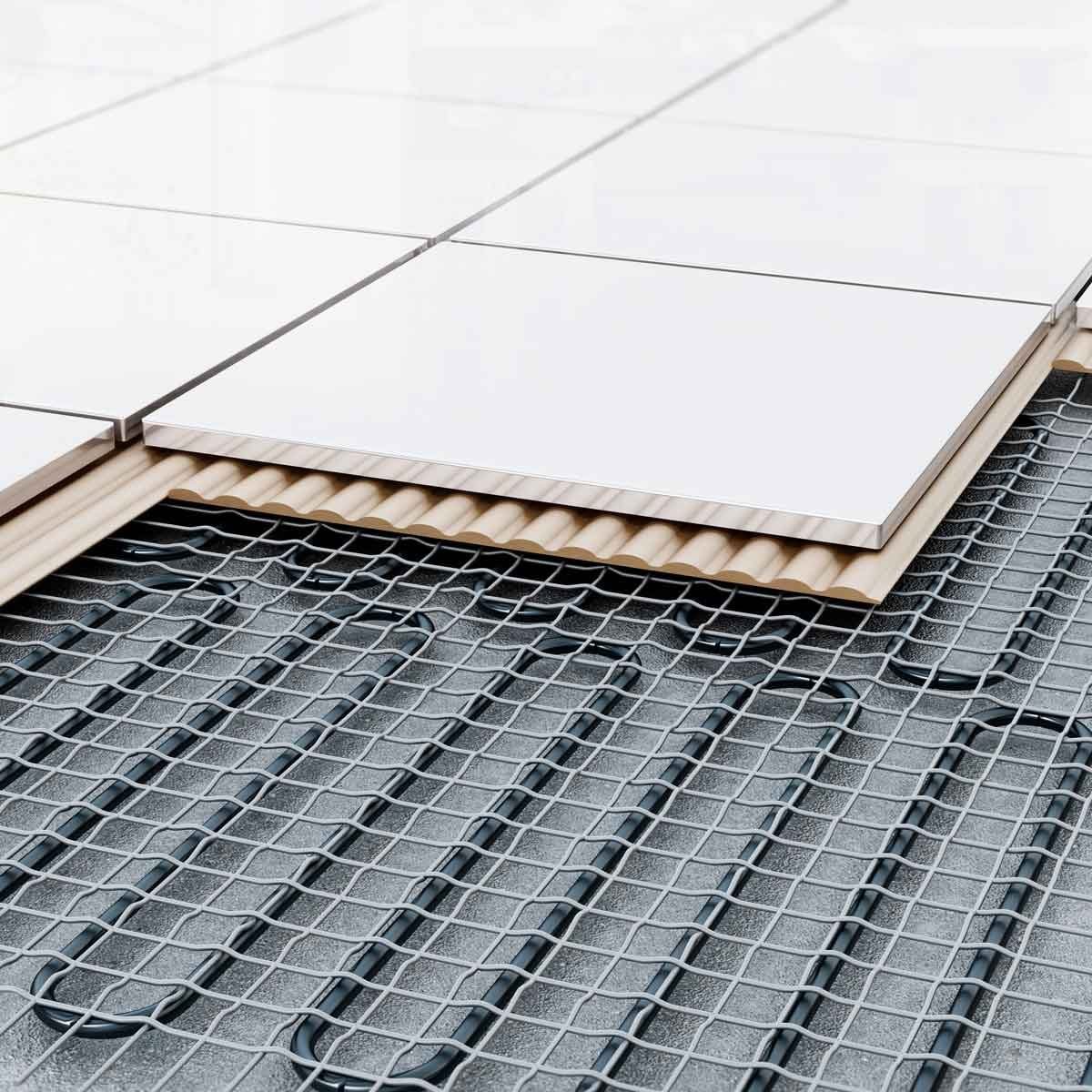
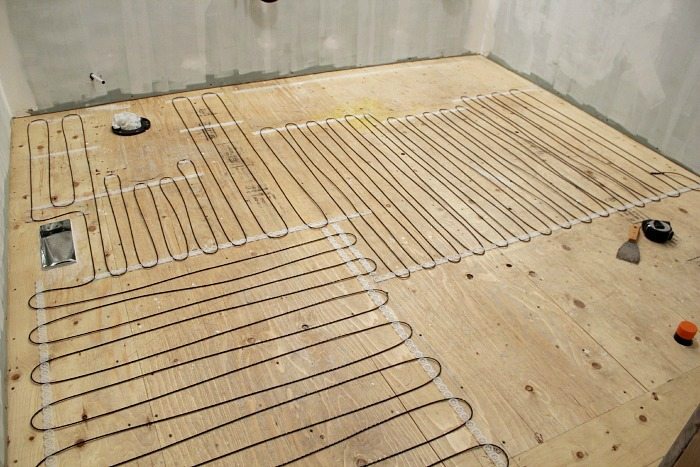
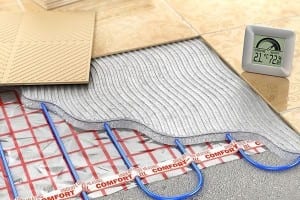
Electric radiant floor heating systems use resistance cables or mats installed beneath ceramic tiles to provide consistent, even heat distribution across the entire floor surface. I chose electric systems for their easier installation and lower upfront costs compared to hydronic alternatives. These systems heat the floor directly, creating radiant warmth that rises naturally and eliminates the cold spots common with forced-air heating systems that leave tile floors perpetually chilly.
Hydronic radiant heating circulates heated water through tubes embedded in the floor structure, offering superior efficiency for large areas but requiring more complex installation procedures. I considered this option for my main living areas but ultimately chose electric systems for their simplicity and zone control capabilities. Hydronic systems excel in new construction or major renovations where access to existing floor structures allows for comprehensive installation.
System controls and thermostats enable precise temperature management and scheduling that maximizes comfort while minimizing energy consumption throughout different seasons and usage patterns. I installed programmable thermostats that automatically adjust temperatures based on daily routines, warming floors before morning wake-up times, and reducing heating during away periods. Smart controls allow remote monitoring and adjustment, perfect for optimizing comfort and efficiency.
Choosing Compatible Ceramic Tiles
Thermal conductivity varies significantly between different ceramic tile types, affecting how efficiently heat is transferred from the radiant system to the room above. I learned that denser tiles like porcelain conduct heat more effectively than lighter ceramic options, providing better performance and more even heating distribution. Tile thickness also impacts heat transfer, with thinner tiles responding more quickly to temperature changes while thicker tiles provide more thermal mass for sustained warmth.
Expansion and contraction characteristics of ceramic tiles must be compatible with radiant heating systems to prevent cracking or separation during temperature cycling. I selected tiles with low expansion coefficients and ensured proper installation techniques that accommodate thermal movement. Quality tiles designed for radiant applications include specifications for maximum temperature exposure and thermal shock resistance that prevent damage from heating cycles.
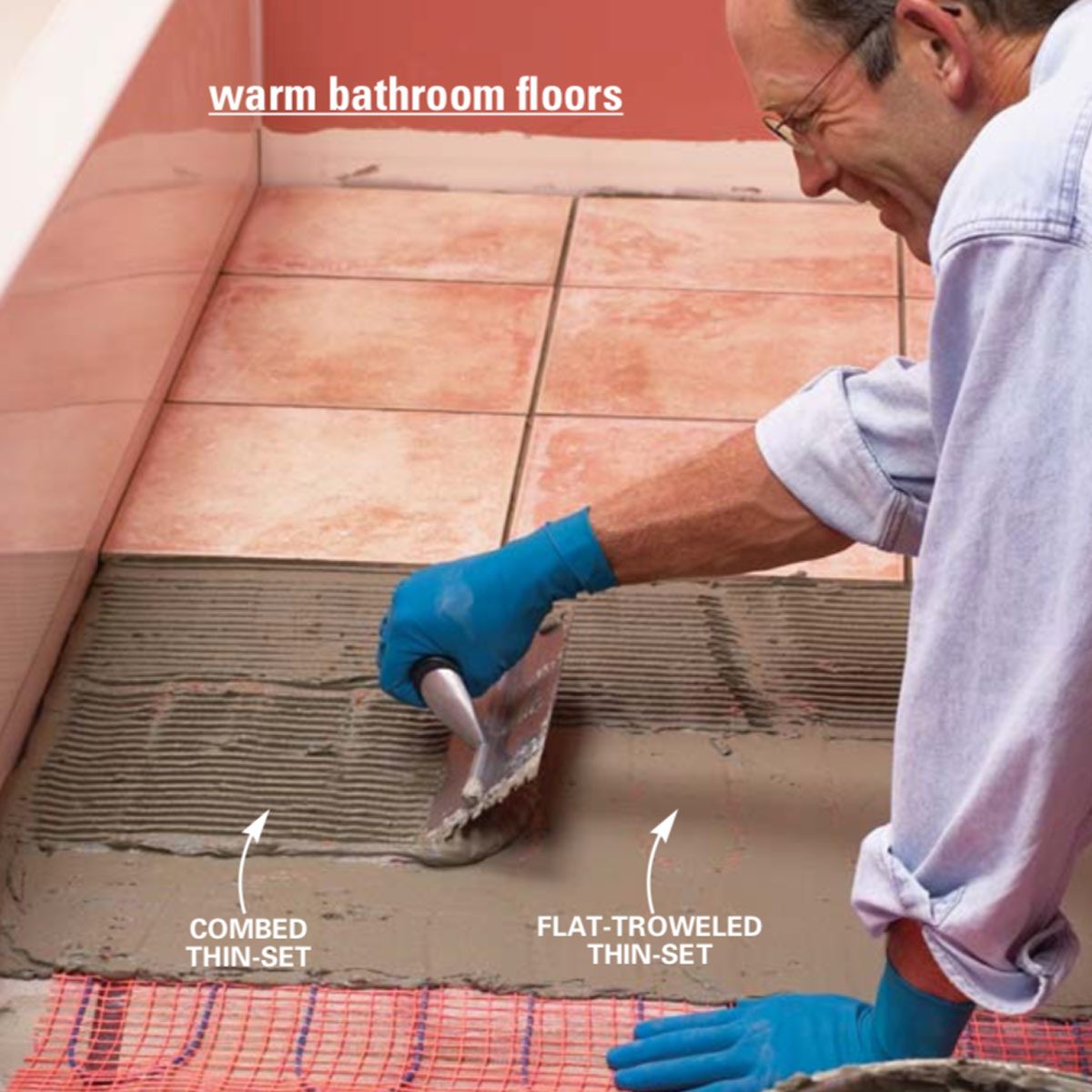
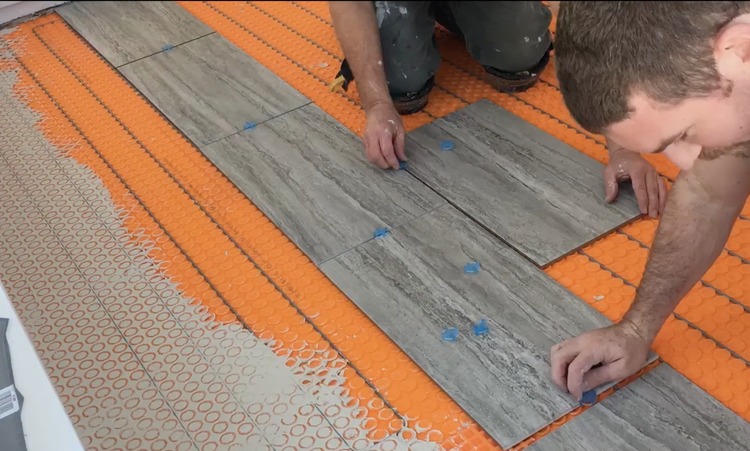
Installation requirements for radiant-compatible tiles include specific adhesives, grouts, and underlayment materials that withstand temperature fluctuations without failing or compromising system performance. I used flexible adhesives and grouts formulated for radiant applications, ensuring long-term durability and preventing failures that could damage both the tiles and the heating system. Professional installation ensures proper materials selection and technique for optimal performance.

Installation Process and Challenges
Planning electrical requirements and circuit capacity became crucial early in my project, as radiant heating systems require dedicated circuits sized appropriately for the total heating load. I consulted with electricians to ensure adequate power supply and proper GFCI protection for wet area installations. Electrical planning prevents system failures and ensures safe operation while meeting local building codes and manufacturer specifications for reliable performance.
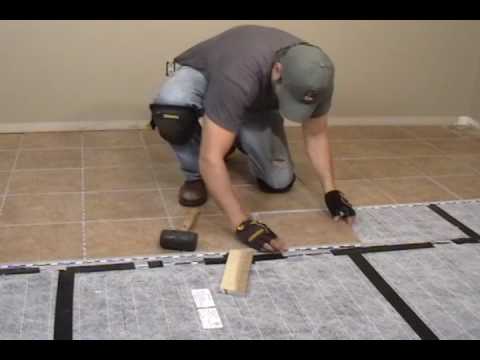
Floor preparation proved more critical than anticipated, requiring perfectly level surfaces and proper insulation to prevent heat loss and ensure even temperature distribution. I installed insulation boards beneath the heating elements to direct heat upward rather than into the subfloor below. Proper preparation prevents hot spots, cold zones, and inefficient operation that wastes energy and compromises comfort throughout the heated area.
System testing before tile installation revealed several connection issues that would have been expensive to address after completion of the flooring project. I performed resistance testing and heat distribution checks to verify proper installation and identify any problems early. This testing phase proved invaluable for ensuring reliable operation and preventing costly repairs that require tile removal and system reconstruction.
Operating Costs and Energy Efficiency
Daily operating costs for my heated ceramic tile floors average $2-4 per room during peak heating seasons, varying based on local electricity rates and usage patterns. I monitor energy consumption through smart thermostats that track usage and help optimize heating schedules for maximum efficiency. The cost proves reasonable when compared to the comfort benefits and supplemental heating provided to reduce whole-house heating demands.
Zoned heating capabilities allow me to heat only occupied areas rather than maintaining uniform temperatures throughout the entire house, resulting in significant energy savings. I programmed different schedules for bedrooms, bathrooms, and common areas based on usage patterns and comfort requirements. This targeted approach reduces overall heating costs while maintaining optimal comfort in areas where warm floors matter most for daily activities.
Insulation improvements made during installation enhanced overall home efficiency beyond the radiant heating benefits, reducing heat loss and improving comfort throughout adjacent areas. I added insulation beneath heated floors and sealed air leaks discovered during installation, creating comprehensive efficiency improvements. These upgrades work synergistically with radiant heating to maximize comfort and minimize energy consumption.
Maintenance and Troubleshooting
Regular system monitoring through smart thermostats helps identify potential issues before they become major problems requiring expensive repairs or system replacement. I check temperature sensors, monitor energy consumption patterns, and test system responsiveness monthly to ensure optimal performance. Early detection of problems allows for simple repairs that prevent system failures and maintain consistent comfort throughout heating seasons.
Tile and grout maintenance requires special attention to prevent moisture penetration that could damage electrical components or cause system failures in wet areas. I use appropriate sealers and maintain grout lines to prevent water infiltration while ensuring proper drainage around fixtures and transitions. Proper maintenance protects both the tile installation and the heating system beneath for long-term reliability and performance.
Professional servicing every few years ensures optimal system performance and identifies potential issues that might not be apparent during normal operation. I schedule inspections with qualified technicians who understand radiant heating systems and can perform comprehensive testing. Professional maintenance extends system lifespan while maintaining warranty coverage and ensuring safe, efficient operation throughout the heating system’s useful life.

Long-Term Benefits and Value
Comfort improvements from heated ceramic tile floors extend far beyond simple warmth, creating luxurious experiences that enhance daily routines and overall quality of life. I no longer dread morning bathroom visits or worry about cold floors affecting family comfort during winter months. The consistent warmth eliminates temperature shocks and creates spa-like comfort that makes tile flooring desirable rather than merely tolerable in cold climates.
Home value increases from radiant floor heating installations typically exceed installation costs, making heated ceramic tile floors excellent investments for long-term property appreciation. I researched comparable home sales and found that radiant heating features consistently add value and appeal to potential buyers. The combination of luxury comfort and energy efficiency creates marketable features that distinguish homes in competitive real estate markets.
Energy efficiency benefits compound over time as utility costs rise and environmental concerns increase the value of efficient heating systems that reduce overall consumption. I’ve noticed reduced reliance on central heating systems and improved comfort consistency that makes the entire home more pleasant. The long-term savings and comfort benefits justify the initial investment while providing ongoing value through reduced energy costs and enhanced livability.
How much does it cost to install heated ceramic tile floors, and what factors affect the total investment?
Installation costs for heated ceramic tile floors typically range from $15-25 per square foot, including materials, labor, and electrical work, in my experience. Factors affecting costs include room size, tile selection, electrical requirements, and installation complexity. Bathroom installations cost more due to GFCI requirements and waterproofing needs, while larger areas benefit from economies of scale. I found that professional installation ensures proper system operation and warranty coverage, making it worthwhile despite higher initial costs.
Can I install radiant heating under existing ceramic tile floors, or does it require complete floor replacement?
Retrofitting radiant heating under existing ceramic tiles is extremely difficult and usually not cost-effective compared to complete floor replacement. I investigated this option but found that accessing the subfloor requires tile removal, making new installation more practical. Some ultra-thin heating systems can be installed over existing tiles with minimal height increase, but these options have limitations. New installations provide optimal performance and allow for proper insulation and preparation that maximizes efficiency.
How long do radiant heating systems typically last, and what warranty coverage should I expect?
Quality radiant heating systems typically last 25-30 years with proper installation and maintenance, matching or exceeding the lifespan of ceramic tile floors. I chose systems with 25-year warranties that cover both materials and workmanship for peace of mind. Warranty terms vary between manufacturers, but reputable brands offer comprehensive coverage that protects against defects and installation issues. Proper installation by qualified professionals ensures warranty validity and optimal system performance throughout its useful life.
What are the main differences between electric and hydronic radiant heating systems for ceramic tile floors?
Electric systems use resistance cables or mats that are easier to install and ideal for smaller areas, while hydronic systems circulate heated water through tubing for greater efficiency in large spaces. I chose electric systems for their lower installation costs and simpler maintenance requirements, though hydronic systems offer better operating efficiency for whole-house applications. Electric systems provide faster response times and easier zone control, while hydronic systems require boilers and more complex plumbing that increases installation complexity.
How do heated ceramic tile floors affect indoor air quality compared to forced-air heating systems?
Radiant heating systems improve indoor air quality by eliminating forced-air circulation that distributes dust, allergens, and other airborne particles throughout the home. I noticed significant improvements in air quality and reduced dust accumulation after installing radiant floors. The gentle, even heat distribution doesn’t create air currents that stir up particles, making it ideal for family members with allergies or respiratory sensitivities. This benefit adds to the overall health and comfort advantages of radiant heating systems.
What temperature settings work best for heated ceramic tile floors, and how should I program the thermostat?
Optimal floor temperatures typically range from 78-85°F for comfortable walking while preventing overheating that wastes energy or damages flooring materials. I programmed thermostats to warm floors 30 minutes before wake-up times and reduce temperatures during away periods for maximum efficiency. Bathroom floors can handle slightly higher temperatures for luxury comfort, while living areas work well at moderate settings. Proper programming balances comfort with energy efficiency while preventing temperature extremes that could damage tiles or grout.
Heated Floors

Related Posts: