When I mentioned to friends that I was installing black laminate flooring throughout my main living areas, the reactions were mixed to say the least. Some called it daring, others worried it would make my space feel dark and cave-like. But after living with my gorgeous black laminate floors for eighteen months now, I can confidently say it was one of the best design decisions I’ve ever made. The dramatic elegance, surprising versatility, and unexpected practicality have completely transformed my home’s aesthetic while proving that dark floors can work beautifully in any space when done thoughtfully. Let me share what I’ve learned about making black laminate flooring work in real life.
Understanding Black Laminate Options and Quality Levels
My journey into black laminate began with discovering just how many variations exist within the “black” category. I initially assumed black meant simply black, but I quickly learned about ebony, charcoal, midnight, and countless other nuanced options. I spent weeks comparing samples in different lighting conditions throughout my home, ultimately choosing a rich ebony with subtle dark brown undertones that prevent the floor from looking flat or one-dimensional under various lighting scenarios.
The quality differences between budget and premium black laminate became apparent during my research phase. Cheaper options often look obviously fake with plastic-like surfaces and poor texture definition. I invested in a high-quality laminate with authentic wood grain texture and multiple color layers that create depth and visual interest. The AC rating system helped me choose appropriate durability for my high-traffic areas, selecting AC4-rated planks that handle heavy use without showing wear.
The thickness of the planks significantly impacts both appearance and performance. I chose 12mm thick planks over the standard 8mm options, and the difference in underfoot feel and sound dampening has been remarkable. Thicker planks also provide better stability and are less prone to the hollow sound that can plague cheaper laminate installations. The investment in quality materials has paid dividends in both daily enjoyment and long-term durability.
Installation Challenges and Solutions for Dark Floors
Installing black laminate presented unique challenges that lighter colors might forgive more easily. Every speck of dust, every slight gap, and every installation imperfection shows dramatically on dark surfaces. I learned to be obsessive about cleanliness during installation, vacuuming constantly and using tack cloths to remove even the finest particles before laying each plank. This attention to detail was crucial for achieving the professional appearance I wanted.
The click-lock installation system worked beautifully, but I discovered that black laminate requires more precise alignment than lighter colors. Slight misalignments that would be barely noticeable on oak or pine laminate stand out glaringly on black surfaces. I took extra time to ensure each row was perfectly straight and each plank was seated completely. Using a tapping block and pull bar became essential tools for achieving tight, invisible seams.
Lighting considerations during installation proved more important than I anticipated. I had to set up temporary work lights to properly see what I was doing, as my regular room lighting wasn’t sufficient for detecting imperfections on the dark surface. I also learned to work in sections, stepping back frequently to check my progress from different angles and lighting conditions. The extra care during installation has resulted in a flawless finished product that looks professionally installed.

Dealing with Dust, Debris, and Daily Maintenance
The biggest adjustment to black laminate flooring has been adapting my cleaning routine to manage the visibility of dust and debris. Light-colored pet hair, dust particles, and even water spots show dramatically on dark surfaces. I initially felt like I was constantly cleaning, but I’ve developed efficient daily maintenance habits that keep the floors looking pristine without excessive effort or time investment.
My cleaning arsenal now includes microfiber slippers for quick touch-ups, a cordless stick vacuum for daily debris removal, and spray mops for weekly deep cleaning. I vacuum high-traffic areas every other day and do a complete floor cleaning twice weekly. The key is staying ahead of accumulation rather than letting debris build up. Once I established this routine, maintenance became second nature and takes less time than my previous light oak floors required.
Choosing the right cleaning products took some experimentation to avoid streaking and residue buildup. I use a pH-neutral laminate cleaner that dries streak-free and doesn’t leave residue that attracts more dirt. Avoid oil-based products or anything that promises shine, as these create buildup that actually makes floors look dull and dirty faster. The right products make cleaning easier and help maintain the beautiful matte finish that gives black laminate its sophisticated appearance.
Design Impact and Room Transformation Effects
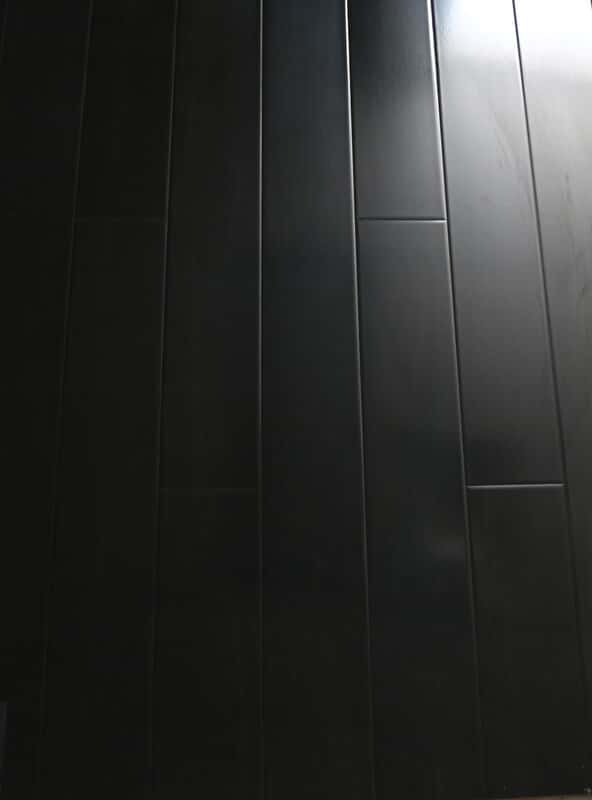
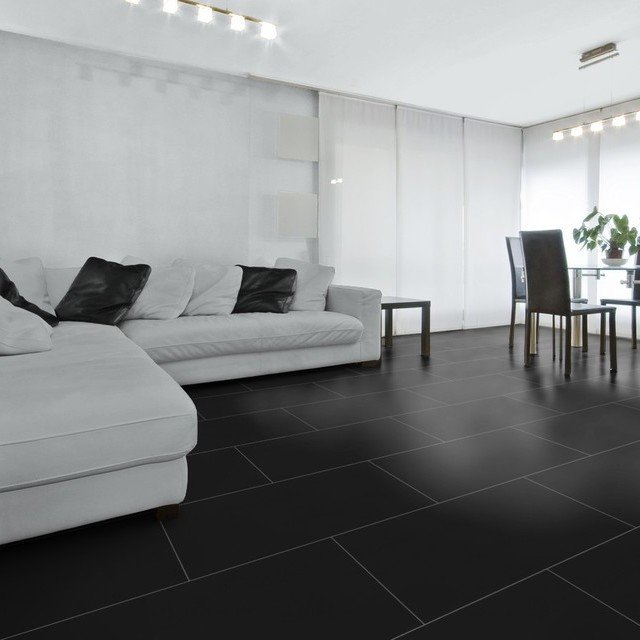
The visual impact of black laminate flooring exceeded my expectations in terms of creating drama and sophistication. My previously ordinary living spaces now feel like high-end showrooms with rich, luxurious foundations that ground all other design elements. The dark floors create stunning contrast with white walls and light furniture while providing a sophisticated backdrop for colorful artwork and accessories that really pop against the dramatic base.
Contrary to fears about dark floors making rooms feel smaller, I’ve found the opposite to be true in most cases. The black laminate creates depth and makes walls appear taller by providing a strong contrast. In my smaller rooms, I added strategic lighting and mirrors to maintain brightness while still benefiting from the dramatic elegance. The key is balancing the dark floors with adequate lighting and lighter wall colors to maintain proper contrast ratios.
The versatility of black flooring has surprised me most. I can change seasonal decor, rearrange furniture, or update accent colors without worrying about coordination. The neutral black base works with any color palette, from bright modern schemes to warm traditional tones. This flexibility has actually saved money on future redecorating, as the floors complement any direction I choose to take with furnishings and accessories.
Lighting Considerations and Interior Design Balance
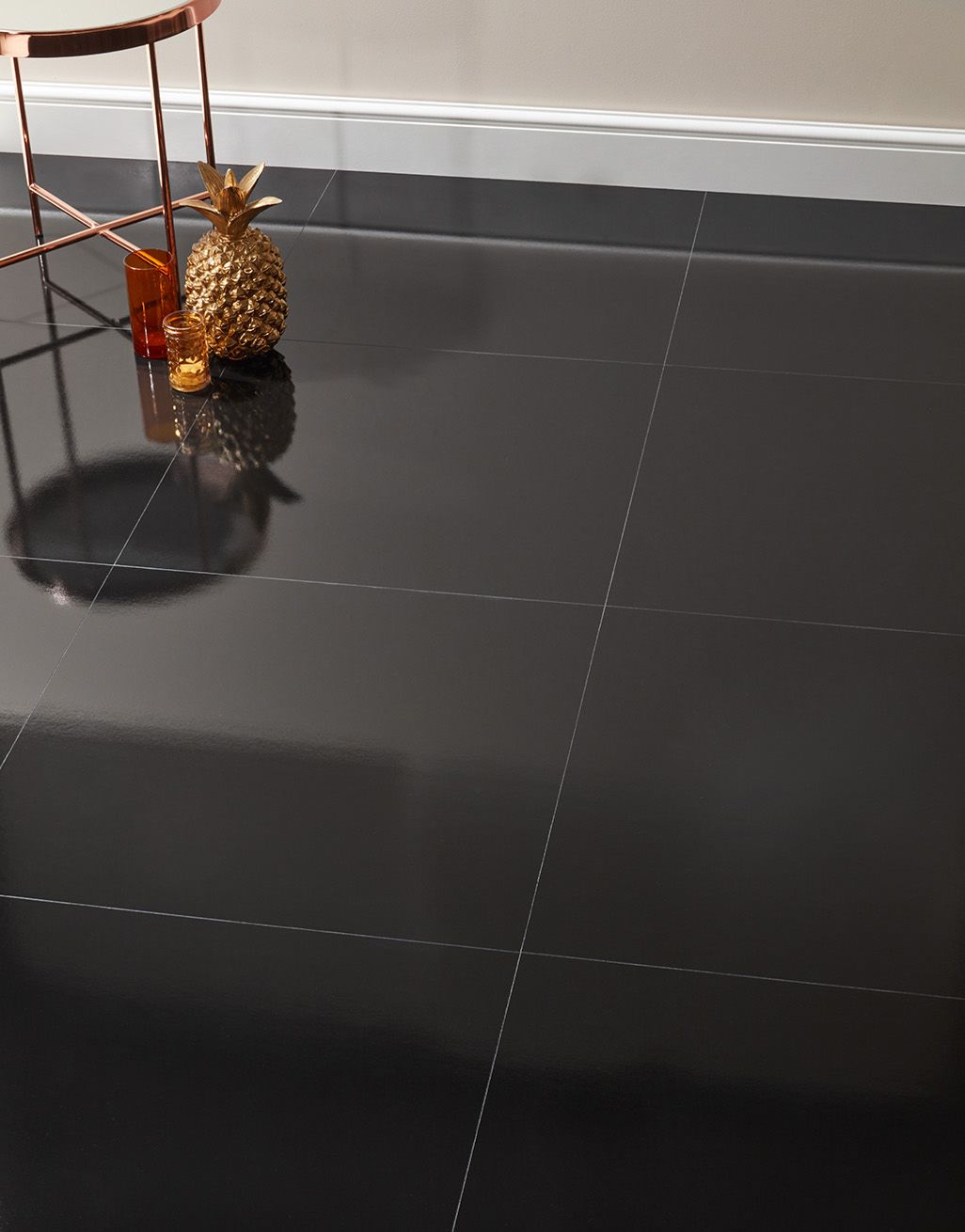
Proper lighting became crucial for making black laminate floors work effectively in my home. I increased both ambient and task lighting throughout the main living areas, adding table lamps, floor lamps, and under-cabinet lighting to ensure adequate illumination. The dark floors actually make good lighting more important but also more effective, as light fixtures and their reflections become beautiful design elements against the rich background.
Natural light interaction with black floors creates beautiful effects throughout the day. Morning sunlight streaming across the dark surface creates dramatic patterns and highlights the subtle texture variations in the laminate. I repositioned furniture to take advantage of these natural lighting patterns, creating conversation areas that feel warm and inviting despite the bold floor choice. Window treatments became more important for controlling light levels and preventing glare.
The reflective quality of the laminate finish helps bounce available light around rooms, actually contributing to overall brightness when combined with appropriate lighting design. I chose a semi-gloss finish that provides some reflection without being overly shiny or showing every footprint. This balance maintains the sophisticated matte appearance while still contributing to room illumination through light reflection.

Long-Term Performance and Durability Assessment
Eighteen months into living with black laminate floors, I’m impressed with their durability and continued appearance. The high-quality AC4-rated planks show minimal wear even in high-traffic areas like the main hallway and kitchen entrance. Small scratches that might be noticeable on lighter floors tend to blend into the dark surface, actually making wear less visible than I expected when I chose this bold color.
The fade resistance has been excellent, with no noticeable color changes in areas exposed to direct sunlight. I was concerned about UV damage creating uneven coloring, but quality laminate with UV-protective coating has maintained consistent color throughout the installation. Regular rotation of area rugs and furniture helps prevent any potential issues while protecting the floor from furniture indentations and wear patterns.
Moisture resistance has met expectations for laminate flooring, handling minor spills and occasional wet shoes without damage. I maintain the same precautions I would with any laminate, cleaning spills promptly and using mats at entrances. The dark color actually hides minor water spots better than light floors, though I still wipe them up to prevent mineral buildup that could create dull patches over time.

Does black laminate flooring make rooms look smaller and darker?
Surprisingly, no! I was worried about this too, but the black floors actually create depth and make my walls appear taller through contrast. The key is having adequate lighting and lighter wall colors. My rooms feel more sophisticated and spacious than before, though I did add extra lamps and lighting to maintain brightness throughout the day.
How difficult is it to keep black laminate floors looking clean?
It requires more frequent light cleaning than medium tones, but it’s manageable with the right routine. I vacuum every other day and use microfiber slippers for quick touch-ups. Pet hair and dust show more, but once you establish daily habits, maintenance becomes automatic. The dramatic beauty is worth the extra few minutes of daily care required.

Is black laminate flooring too bold for resale value?
I considered this carefully and chose high-quality neutral black rather than trendy colors. Black is actually quite timeless and appeals to buyers wanting sophisticated, modern aesthetics. The quality of installation and materials matters more than color for resale. I believe the dramatic elegance adds value, but personal taste varies among potential buyers.
What furniture and decor colors work best with black floors?
Almost everything! That’s been the biggest surprise. White, gray, navy, jewel tones, and natural wood all look stunning. The black provides a neutral base that makes other colors pop beautifully. I can change seasonal decor without worrying about coordination. Light-colored furniture creates beautiful contrast, while darker pieces create sophisticated monochromatic schemes.

Are there special installation requirements for black laminate?
Installation is the same as other laminates, but requires more attention to cleanliness and precision. Dust and slight gaps show more on dark surfaces, so I vacuumed constantly during installation and used extra care with alignment. Good lighting during installation is essential. The extra attention to detail during installation pays off with professional-looking results.
How does black laminate handle scratches and wear compared to lighter colors?
Surprisingly well! Small scratches actually blend into the dark surface better than on light floors. I chose quality AC4 rated planks that resist wear, and after 18 months, they still look excellent. The dark color hides minor imperfections that would be obvious on light floors. Proper furniture pads and entrance mats help prevent damage, just like any flooring.

Falquon High Gloss Black Laminate Tile Flooring 8mm Laminate Flooring
Explora Vintage High Gloss Dark Oak 8mm AC4 Laminate Flooring

Awesome Black laminate flooring ideas black laminate flooring

Black Micro V5 Groove Laminate Flooring

Related Posts: