Marble floors add elegance and sophistication to any space, but due to their porous nature, they are also prone to stains. Whether it’s spills from food, drinks, or household chemicals, stains can quickly dull the beauty of marble if not treated properly. Knowing how to remove stains safely without damaging the stone is essential for maintaining its shine and longevity. This guide covers six key methods for tackling different types of marble stains, ensuring your floors stay pristine for years to come.
Identifying the Type of Stain
Before attempting any stain removal, it’s crucial to determine the type of stain you’re dealing with. Organic stains, such as those from coffee, wine, or food, often appear as dark spots and can usually be treated with mild cleaning solutions. Oil-based stains, like grease or cosmetics, leave a dull film and require a different approach, often involving absorbent materials to draw out the oil. Rust or metallic stains, caused by iron-containing objects left on damp marble, may need specialized rust removers.
Understanding the stain’s source helps in selecting the right cleaning method. For example, acidic substances like vinegar or citrus juice can etch the marble’s surface, requiring a gentle pH-neutral cleaner instead of harsh chemicals. Water stains, which appear as cloudy spots, often result from hard water deposits and may need a light polish to restore shine. Always test any cleaning solution on a small, inconspicuous area first to avoid further damage.
Ignoring the stain type can lead to ineffective cleaning or even worsen the problem. For stubborn stains, consulting a professional stone restorer may be necessary. Proper identification ensures you use the right technique, preserving the marble’s natural beauty while effectively removing the blemish.
Removing Organic Stains
Organic stains from food, beverages, or plant materials are common on marble floors. A simple yet effective method is to create a paste using baking soda and water, applying it to the stain and letting it sit for several hours before gently wiping it away. For tougher stains, hydrogen peroxide mixed with a small amount of ammonia can help lift discoloration without harming the marble. Always rinse the area thoroughly with water afterward to prevent residue buildup.
Avoid using vinegar or lemon juice, as their acidity can etch the marble’s surface, leaving permanent dull marks. Instead, opt for pH-neutral cleaners specifically designed for natural stone. Blotting spills immediately with a soft cloth can prevent stains from setting in. For deep-set organic stains, repeating the cleaning process may be necessary, but patience is key to avoiding surface damage.
Preventive measures, such as using coasters under drinks and placing mats in high-spill areas, can minimize future stains. Regular sealing of marble floors also helps create a protective barrier against spills. By addressing organic stains promptly and correctly, you can maintain the floor’s polished appearance without resorting to abrasive techniques.
Treating Oil-Based Stains
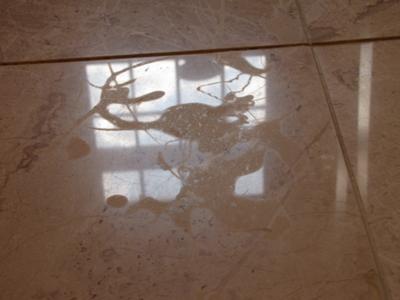
Oil-based stains, such as those from cooking grease or lotions, can penetrate marble deeply if not addressed quickly. Start by sprinkling cornstarch or talcum powder over the stain to absorb the oil, leaving it for several hours or overnight. Once the powder has drawn out the oil, gently sweep it away and clean the area with a mild dish soap solution. Avoid scrubbing aggressively, as this can spread the stain or scratch the marble.
For persistent oil stains, a poultice made from acetone and baking soda can be effective. Apply the mixture to the stain, cover it with plastic wrap, and let it sit for 24 hours before removing and rinsing. Since acetone evaporates quickly, this method minimizes the risk of residue. Always ensure proper ventilation when using strong chemicals and wear gloves for protection.
Preventing oil stains involves wiping up spills immediately and avoiding placing oily items directly on marble surfaces. Routine sealing with a high-quality marble sealer reduces porosity, making it harder for oils to seep in. With the right approach, even stubborn oil stains can be eliminated without harming the stone’s finish.
Addressing Rust and Metallic Stains
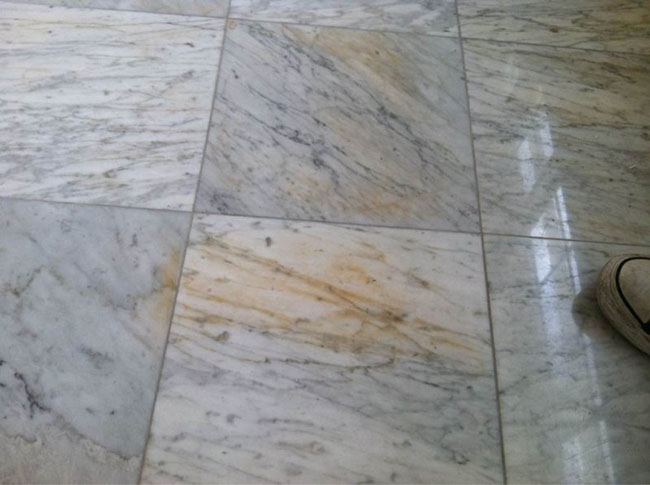
Rust stains occur when metal objects, such as furniture legs or cans, are left on damp marble. These stains appear as reddish-brown marks and require specialized treatment. A commercial rust remover designed for natural stone can be applied carefully, following the manufacturer’s instructions. Alternatively, a paste of baking soda and water left on the stain for several hours may lighten minor rust spots.
Avoid using bleach or acidic cleaners, as they can react with the rust and worsen the discoloration. For severe rust stains, professional restoration may be necessary to prevent permanent damage. Keeping metal objects dry and using protective pads under furniture legs can help prevent future rust marks.
Regular maintenance, including drying wet areas promptly and inspecting for metal contact, minimizes the risk of rust stains. Since rust can be particularly stubborn, early intervention is crucial to preserving the marble’s appearance.
Eliminating Water Stains and Hard Water Deposits
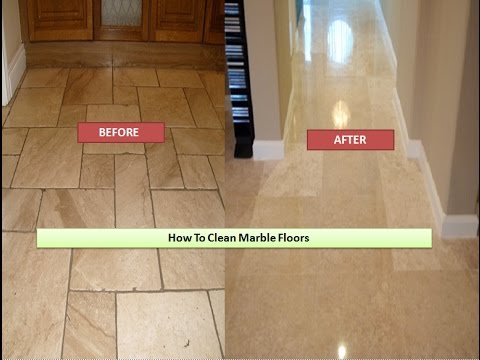
Water stains often appear as white, cloudy spots caused by mineral deposits from hard water. To remove them, mix a small amount of mild dish soap with warm water and gently scrub the area with a soft cloth. For tougher deposits, a marble polishing powder can restore the surface’s shine without scratching. Avoid vinegar-based cleaners, as they can etch the marble.
Prevent water stains by drying spills immediately and using a water softener if hard water is a recurring issue. Regular sealing also helps repel water and reduce mineral buildup. For persistent stains, a professional stone refinisher can buff out deep-set marks.
Proper care ensures water stains don’t become a long-term problem. By using the right cleaning techniques and preventive measures, your marble floors can remain spotless and lustrous.

Preventing Future Stains
The best way to maintain marble floors is by preventing stains before they occur. Place rugs or mats in high-traffic areas and use coasters under drinks to minimize spills. Apply a high-quality marble sealer every 6–12 months to reduce porosity and protect against absorption.
Promptly clean spills with a soft, damp cloth to prevent them from setting. Avoid harsh chemicals and abrasive tools that can scratch or dull the surface. Educate household members or guests about proper marble care to minimize accidental damage.
With consistent preventive measures, your marble floors will stay stunning for years. A little effort in maintenance goes a long way in preserving their elegance and durability.

Clever Ways to Clean Marble Floors

How to Get a Stain out of Marble – Bigger Than the Three of Us
How to Remove Stains from Marble Surfaces
DIY Ways to Clean Marble
Color Stains Removal from Marble or Granite
Related Posts: