White tile floors add a bright, clean look to any space, but keeping them spotless can be a challenge. Dirt, grime, and stains show up easily, requiring regular maintenance to preserve their shine. Whether you have ceramic, porcelain, or natural stone tiles, the right cleaning methods can make all the difference. Here are some essential steps to keep your white tile floors looking pristine, from daily upkeep to tackling tough stains.
Sweep or Vacuum Regularly
Dust, dirt, and debris can scratch the surface of white tiles over time, making them look dull. Sweeping daily with a soft-bristle broom or using a vacuum with a hard floor setting helps prevent buildup. Pay extra attention to corners and edges where dirt tends to accumulate.
For best results, use a microfiber dust mop, which traps particles more effectively than traditional brooms. If you have grout lines, ensure the vacuum or broom reaches into them to remove loose dirt. Regular sweeping reduces the need for deep cleaning and keeps floors looking fresh.
Avoid using stiff-bristle brooms or abrasive tools, as they can damage the tile’s finish. If you have pets, frequent sweeping is even more important to control hair and dander. A quick daily routine prevents dirt from settling and keeps your floors in top condition.
Mop with the Right Cleaning Solution
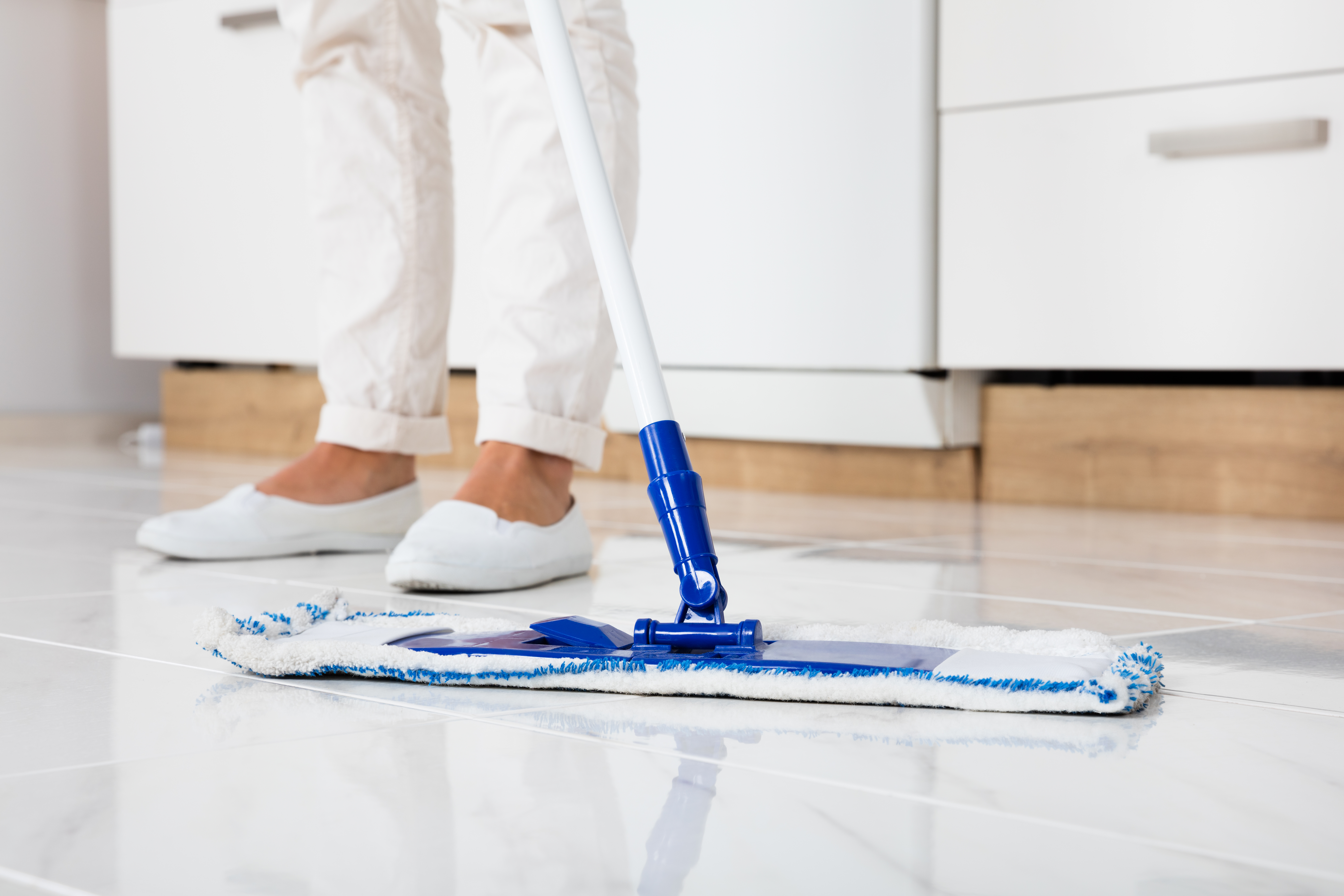
Water alone won’t remove stubborn dirt or disinfect white tiles. Instead, use a pH-neutral cleaner designed for tile floors to avoid damaging the surface. Mix the cleaner with warm water as directed, and mop in small sections for the best results.
Avoid harsh chemicals like bleach or ammonia unless necessary, as they can discolor tiles or grout over time. For a natural option, a mix of white vinegar and water (1:1 ratio) works well, but rinse afterward to prevent residue buildup. Always wring out the mop thoroughly to avoid excess water, which can seep into grout.
Change the mop water frequently to prevent spreading dirt around. After mopping, dry the floor with a clean microfiber cloth to prevent streaks and water spots. This step ensures a thorough clean without leaving behind film or dullness.

Deep Clean Grout Lines
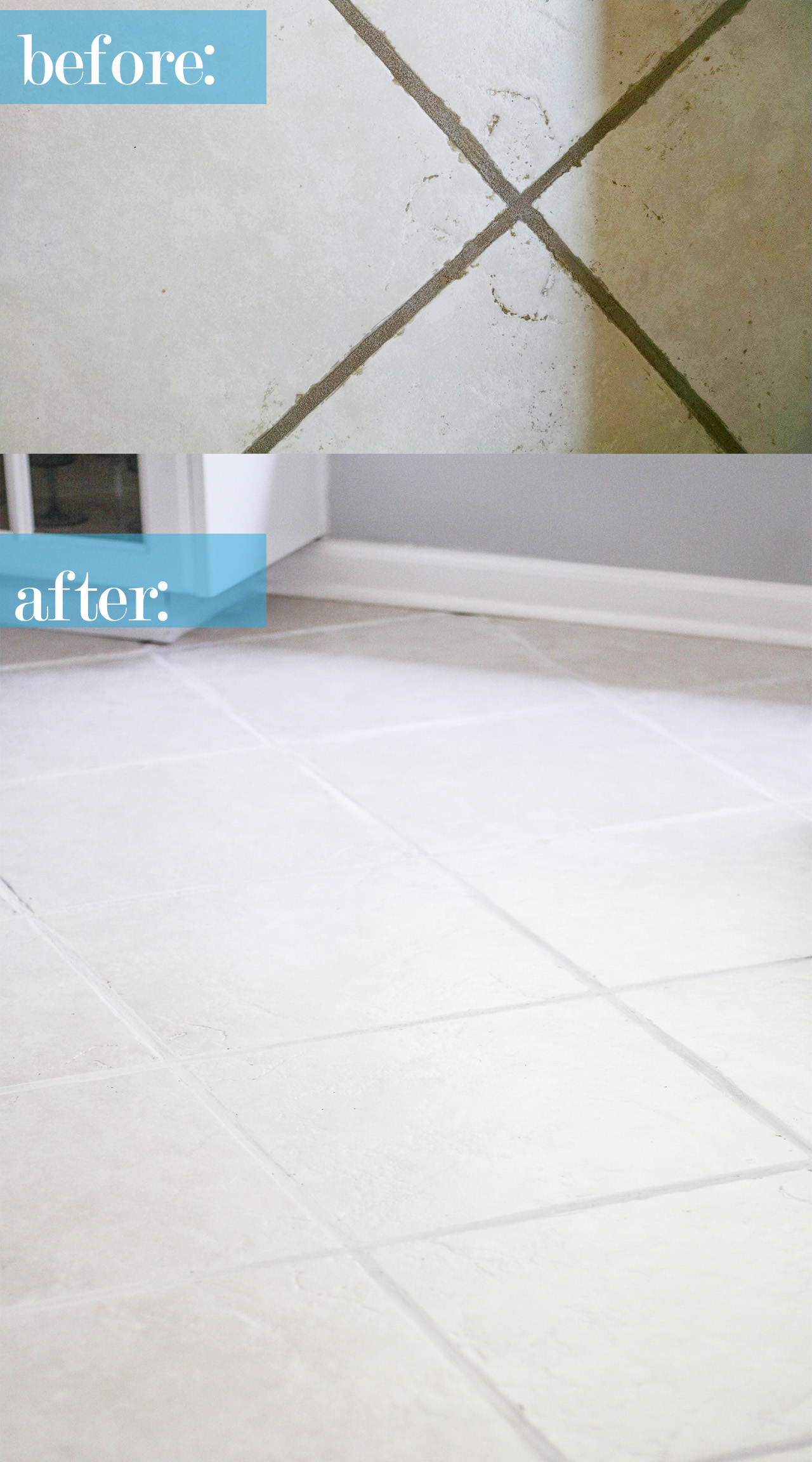
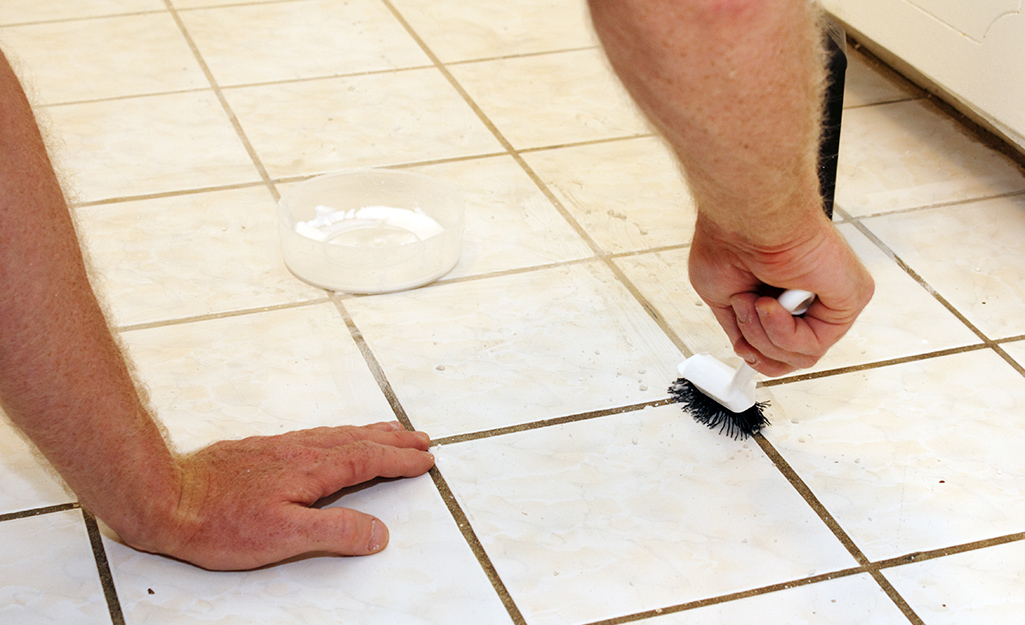
Grout absorbs stains easily, turning yellow or gray over time. To restore its original color, use a paste of baking soda and water, applying it to grout lines with an old toothbrush. Let it sit for 10 minutes before scrubbing gently.
For tougher stains, a hydrogen peroxide and baking soda mixture can help lighten discolored grout. Spray or apply the solution, let it bubble for a few minutes, then scrub and rinse. Avoid abrasive brushes that could erode the grout.
Sealing grout after cleaning protects it from future stains. Use a silicone-based grout sealer and reapply every six months to maintain a barrier against dirt and moisture. This step keeps grout looking fresh and reduces cleaning frequency.
Remove Tough Stains Safely
White tiles can show stains from spills like coffee, wine, or grease. Blot liquids immediately to prevent absorption, then clean with a mild detergent solution. For dried stains, a baking soda paste can lift discoloration without scratching.
Avoid using steel wool or harsh scrubbers, which can leave permanent marks. For rust stains, a commercial rust remover or lemon juice with salt can help break down the discoloration. Always test cleaners in an inconspicuous area first.
Persistent stains may require a specialized tile cleaner. Follow product instructions carefully and rinse thoroughly. Regular maintenance prevents deep-set stains, making spot-cleaning easier in the long run.
Polish Tiles for Extra Shine
Over time, white tiles can lose their luster. A commercial tile polish can restore shine, but choose one compatible with your tile type. Apply a small amount with a soft cloth, buffing in circular motions for even coverage.
For a natural shine, mix a few drops of olive oil with water, spray lightly on tiles, and buff with a microfiber cloth. Avoid excess oil, which can make floors slippery. Polish every few months to maintain a glossy finish.
Steer clear of wax-based polishes, which can create a sticky buildup. Instead, opt for non-toxic, streak-free formulas that enhance shine without residue. This step keeps floors looking new between deep cleans.
Prevent Future Dirt and Damage
Place doormats at entryways to reduce dirt tracked onto white tiles. Felt pads under furniture legs prevent scratches, and area rugs in high-traffic zones minimize wear. Encourage a no-shoes policy indoors to limit grime.
Wipe up spills immediately to avoid staining, especially with acidic substances like juice or vinegar. Regular maintenance, like weekly mopping and quick spot-cleaning, prevents buildup and extends the floor’s lifespan.
Consider applying a tile sealant for added protection against stains and moisture. Reapply as recommended, usually every 1-2 years, to maintain effectiveness. Preventive measures reduce deep-cleaning needs and keep floors looking their best.
By following these steps, your white tile floors will stay bright and clean with minimal effort. Consistent care ensures they remain a stunning feature in your home for years to come.
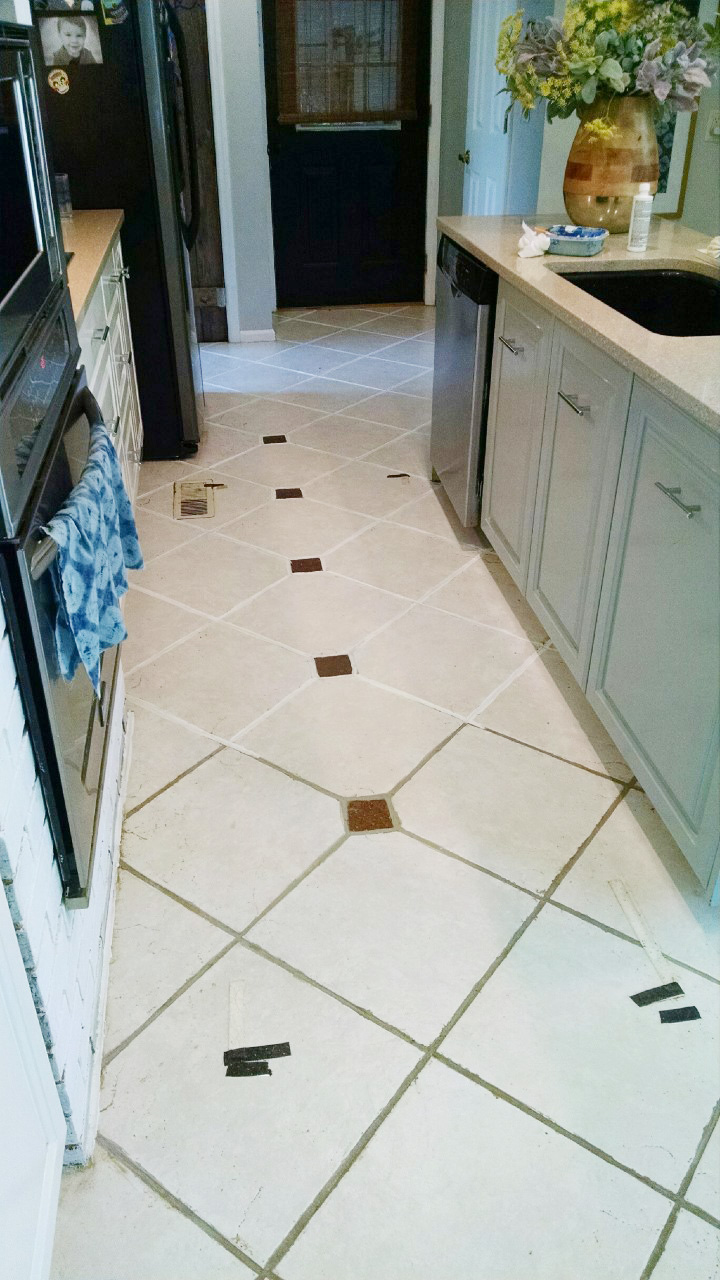
The Easiest Way to Clean Filthy, Neglected Tile Flooring
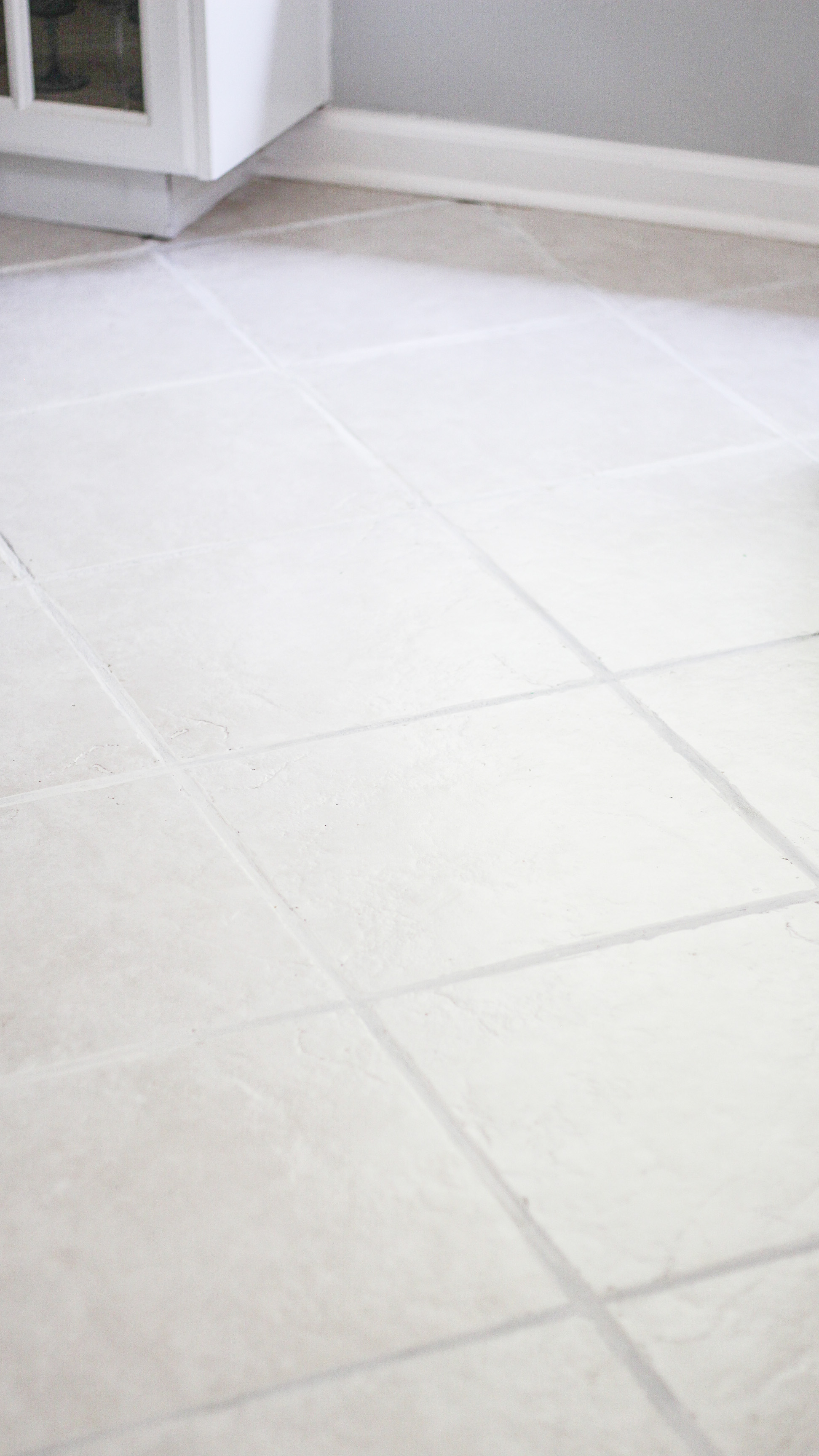
How To Clean Dirty White Tiles to make Pure White Tiles At Home

How To Deep Clean A Tile Floor Maid Sailors

The Easiest Way to Clean Filthy, Neglected Tile Flooring
Clean White Tile Floor 3d Rendering Stock Illustration

White Tile Floor Clean Condition Grid Line Background Stock Photo

Related Posts: