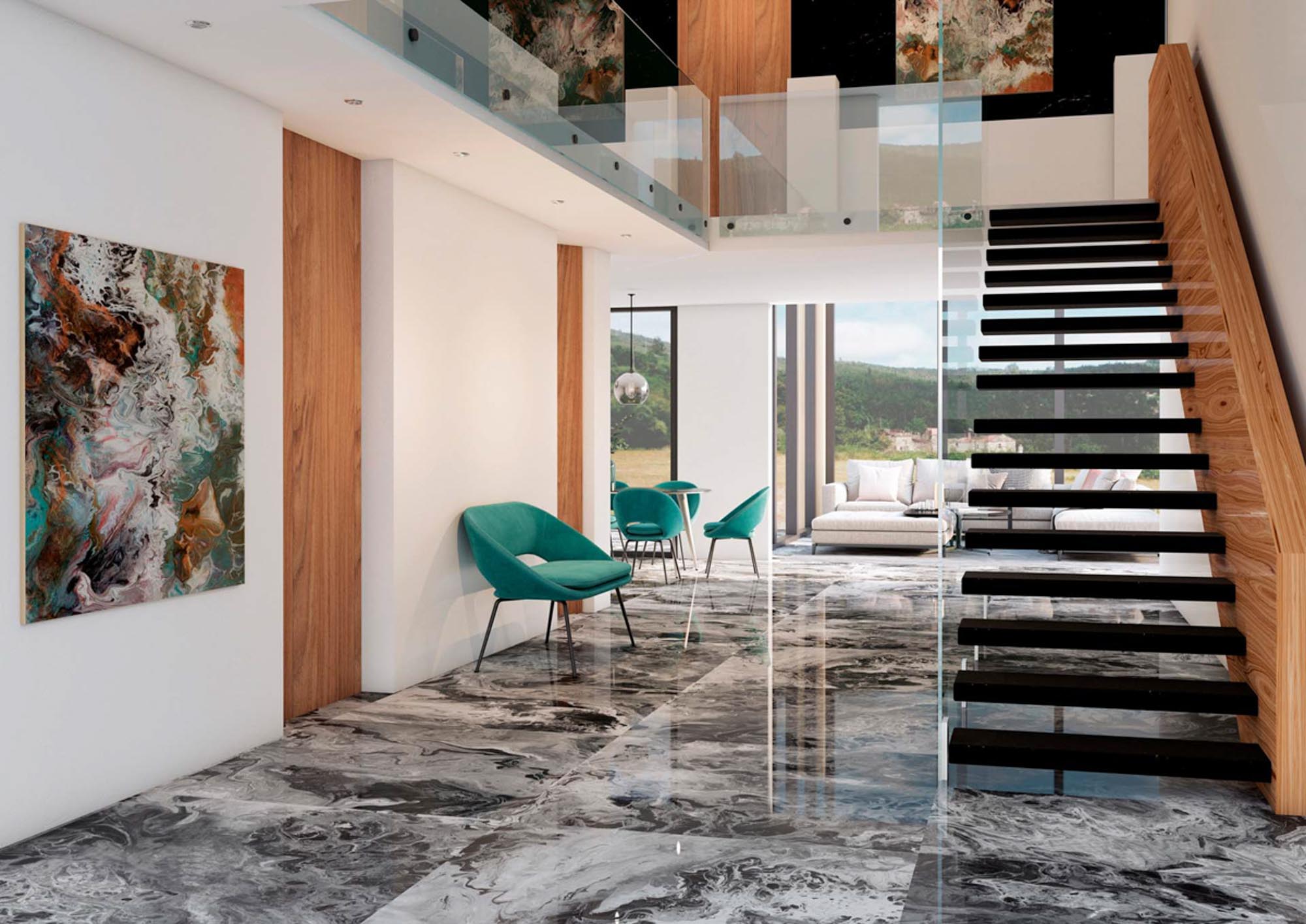
When I first walked into that stunning Italian villa during my honeymoon five years ago, I was completely mesmerized by the Carrara marble floors that flowed seamlessly from room to room. The way the natural veining caught the Mediterranean sunlight streaming through the windows created an atmosphere of timeless elegance that I knew I wanted to recreate in my own home. After returning from that trip, I became obsessed with the idea of installing marble floor tiles in my master bathroom and foyer. What followed was an incredible learning experience about selecting, installing, and living with one of nature’s most beautiful flooring materials, complete with unexpected challenges and rewards that have shaped how I think about luxury in everyday spaces.
Choosing the Perfect Marble: A Stone Selection Adventure
My quest for the perfect marble began at a local stone yard where I spent an entire Saturday morning wandering among towering slabs, running my hands over different surfaces, and marveling at the incredible variety of patterns and colors available. I quickly learned that no two pieces of marble are identical, which made the selection process both exciting and overwhelming. The sales representative taught me to look beyond just the surface beauty and consider factors like hardness, porosity, and vein consistency that would affect long-term performance in my home.
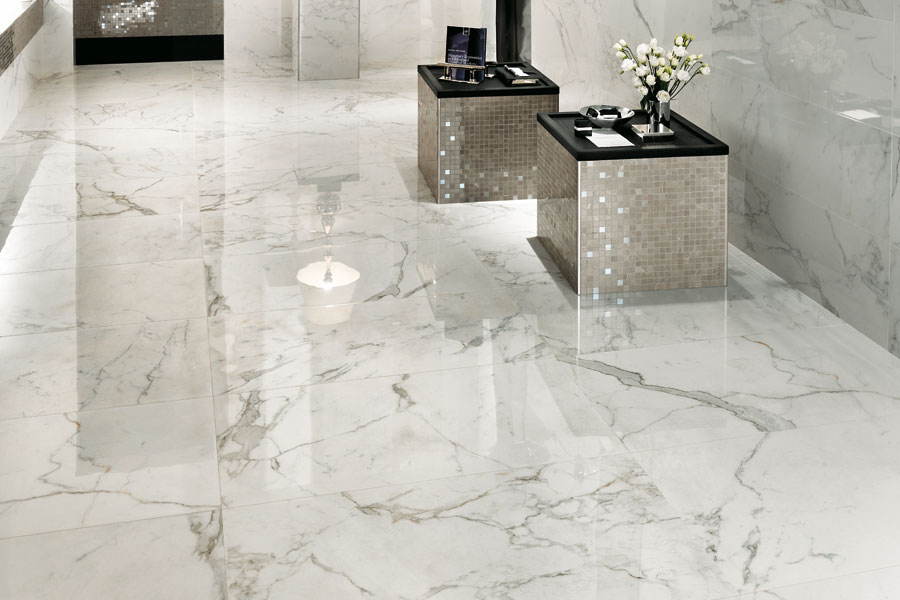
I fell in love with Calacatta marble for its dramatic white background and bold, flowing gold veins that reminded me of abstract artwork. However, I discovered that this premium stone came with a premium price tag that stretched my budget significantly. After careful consideration and examining dozens of alternatives, I settled on a beautiful Thassos marble with subtle gray veining that provided the clean, luxurious look I wanted at a more reasonable cost. The uniformity of the veining meant easier matching during installation while still maintaining that distinctive marble character.
The process of selecting individual tiles taught me patience and attention to detail I never knew I possessed. I spent hours at the stone yard laying out potential tile combinations, checking for color consistency and complementary vein patterns. My contractor advised me to purchase extra tiles to account for natural variations and potential breakage during installation. This proved invaluable when we discovered that some tiles had hidden fissures that became apparent only during cutting. The extra inventory allowed us to maintain consistent quality throughout the installation without delays.
Installation Realities: More Complex Than I Expected
I naively assumed that installing marble tiles would be similar to ceramic tile installation, but I quickly discovered that natural stone requires specialized techniques and considerably more expertise. The weight of marble demands a perfectly level, structurally sound substrate that can support the additional load without flexing. My contractor had to reinforce the bathroom subfloor with additional joists and install a cement backer board system that added both time and cost to the project, but ensured long-term stability.
The cutting and fitting process fascinated me as I watched skilled craftsmen work with diamond-blade wet saws to create precise cuts without damaging the stone’s natural beauty. Each cut had to be planned carefully to maintain vein continuity and minimize waste, since marble’s natural patterns don’t allow for the random placement possible with manufactured tiles. I learned that wet cutting is essential not only for clean edges but also for dust control, as marble dust poses health hazards that require proper ventilation and cleanup procedures.
Sealing became a critical part of the installation process that I hadn’t fully appreciated initially. My installer applied a penetrating sealer before grouting to prevent staining during installation, then applied a final coat after cleanup. The sealing process requires specific timing and environmental conditions to achieve optimal protection. I watched nervously as we tested the sealer’s effectiveness with water drops, adjusting application techniques until we achieved consistent absorption resistance across all tiles. This attention to detail during installation has paid dividends in terms of long-term performance and appearance.

Daily Living: The Beauty and the Beast
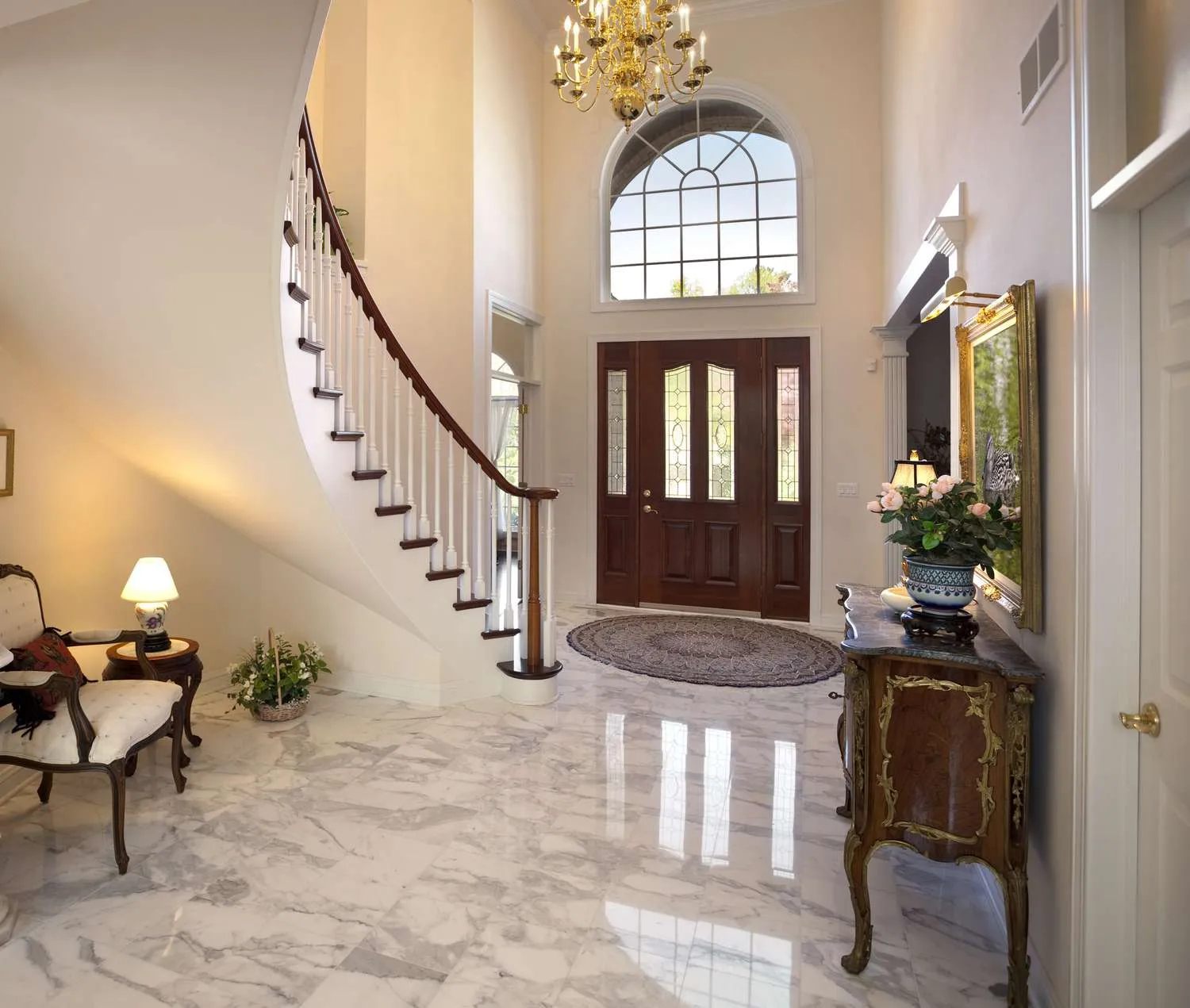
Living with marble floors has been a study in contradictions that perfectly illustrates the relationship between luxury and practicality. On one hand, I wake up every morning to floors that look like they belong in a five-star hotel, with natural patterns that catch light beautifully and create an atmosphere of refined elegance that never fails to impress visitors. The cool temperature of marble underfoot during summer months provides welcome relief, and the timeless beauty means I never tire of the aesthetic that has remained consistently stunning over three years.
However, marble’s sensitivity to acidic substances became apparent within my first month when I accidentally dripped lemon juice during breakfast preparation. The acid etched a small, dull spot that required professional polishing to repair. I quickly learned to keep pH-neutral cleaners on hand and address spills immediately, developing cleaning habits that felt restrictive initially but became second nature over time. Coffee, wine, and even some cleaning products became potential enemies that required constant vigilance to prevent permanent damage.
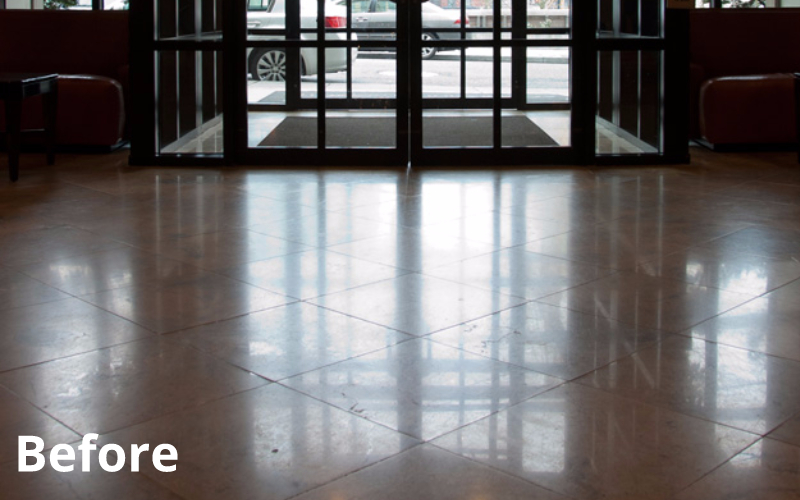
The maintenance reality of marble floors means accepting that patina and character marks will develop over time, which I’ve grown to appreciate as part of the stone’s natural aging process. Small scratches and slight wear patterns in high-traffic areas have created a lived-in beauty that feels more authentic than the pristine showroom appearance I initially tried to maintain. Learning to embrace these imperfections as character rather than flaws has transformed my relationship with these floors from anxiety-inducing to genuinely enjoyable.
Cleaning and Maintenance: Developing New Routines
My marble cleaning routine evolved significantly from my initial aggressive approach to a gentler, more effective system that preserves the stone’s natural beauty while maintaining cleanliness. I learned that less is often more with marble maintenance, as over-cleaning with inappropriate products can cause more damage than dirt accumulation. Daily maintenance now consists of dust mopping with microfiber cloths followed by damp mopping with pH-neutral stone cleaner diluted according to manufacturer specifications.
Weekly deep cleaning involves more thorough mopping with stone-specific cleaners that remove soap residue and hard water deposits without damaging the marble surface or compromising the sealer protection. I invested in a high-quality microfiber mop system that cleans effectively without scratching, and I learned to work in sections to prevent the cleaning solution from dwelling too long on the surface. Proper drying technique prevents water spots that can mar the marble’s natural shine and create buildup over time.
Professional maintenance has become an annual ritual that keeps my marble floors performing at their best. A stone restoration specialist evaluates sealer condition, addresses any minor etching or scratches, and reapplies protective coatings as needed. This professional attention costs roughly $300 annually but prevents major problems and maintains the investment value of my marble installation. I’ve learned to view this as essential maintenance rather than an optional luxury, similar to servicing a luxury automobile to maintain peak performance.
Cost Analysis: Understanding the True Investment
The financial reality of marble floor tiles extends far beyond the initial material costs, though even those exceeded my original budget significantly. Premium marble tiles cost between $8-15 per square foot for quality stone, before factoring in installation, substrate preparation, and sealing requirements. My 200-square-foot bathroom project ultimately required nearly double my initial flooring budget when I included all necessary components like specialized adhesives, sealers, and professional installation fees.
Installation costs proved substantially higher than ceramic or porcelain alternatives due to the specialized skills and equipment required for working with natural stone. My contractor charged premium rates for marble installation, explaining that the precision required and potential for costly mistakes justified the increased labor costs. The need for structural reinforcement, specialized cutting equipment, and an extended installation timeline added expenses I hadn’t anticipated but were essential for achieving professional results that would last decades.
Long-term cost considerations include maintenance supplies, professional cleaning services, and periodic resealing that add ongoing expenses to marble ownership. However, when I calculate these costs over the expected 50-year lifespan of quality marble floors, the annual cost becomes more reasonable. The significant increase in my home’s resale value, combined with the daily enjoyment and satisfaction these floors provide, makes the investment worthwhile for my situation and lifestyle preferences, though I recognize marble isn’t practical for every budget or household.

Lessons Learned: What I Wish I’d Known Before
If I could go back to the beginning of my marble tile journey, I would spend more time researching different marble types and their specific characteristics rather than focusing solely on appearance. Some marbles are significantly more durable and stain-resistant than others, and understanding these differences up front would have influenced my selection process. I also wish I’d better understood the importance of purchasing tiles from the same quarry lot to ensure consistent color and veining patterns throughout the installation.
The learning curve for living with marble floors was steeper than I anticipated, and I would have benefited from more detailed guidance about daily care routines and appropriate cleaning products. Establishing proper maintenance habits from day one would have prevented some minor damage and preserved the floors’ appearance more effectively. I also underestimated how much the floors’ beauty would influence my overall decorating choices, leading to unexpected updates in fixtures and furnishings to complement the marble’s elegance.
Most importantly, I’ve learned that marble floors require a mindset shift toward viewing them as living materials that develop character over time rather than static surfaces that should remain perfect indefinitely. Accepting that marble will show signs of use and aging has allowed me to enjoy their beauty without constant anxiety about protection and preservation. This perspective has transformed marble from a high-maintenance burden into a beloved feature that adds daily joy and long-term value to my home environment.
How do marble floors handle daily wear from pets and children?
My experience with two cats has been surprisingly positive. While marble can scratch, normal pet activity hasn’t caused significant damage. I keep their nails trimmed and use area rugs in high-traffic zones. The stone’s hardness resists many types of damage better than softer materials. However, accidents require immediate cleanup to prevent staining, and I’ve learned to keep appropriate cleaners easily accessible.
What’s the realistic maintenance time commitment for marble floors?
Daily maintenance takes about 10 minutes for my 200-square-foot area, mainly dust mopping and spot cleaning. Weekly deep cleaning adds another 20 minutes. The key is developing consistent habits rather than allowing problems to accumulate. Professional annual maintenance takes a day but prevents major issues. Overall, it’s more involved than ceramic but manageable once you establish routines.
How do marble floors perform in humid bathroom environments?
Properly sealed marble handles bathroom humidity well in my experience. The natural stone doesn’t warp or delaminate like some materials might. However, good ventilation remains important to prevent mold and mildew around grout lines. I run my exhaust fan during and after showers, and annual sealer maintenance ensures continued moisture protection.
Is the investment in marble tiles worth it for resale value?
Absolutely. My real estate agent estimates the marble installation added approximately 60% more value than the project cost. Quality natural stone appeals to buyers and suggests overall home quality. However, the investment only makes sense if you’ll enjoy the floors personally, as the maintenance requirements and costs continue regardless of appreciation benefits.

Can marble floors be repaired if damaged, or do sections need replacement?
Most marble damage can be professionally repaired through polishing and refinishing techniques. I’ve had minor etching and small scratches successfully addressed without replacement. Severe damage might require individual tile replacement, which is why purchasing extra tiles during installation is crucial. The repairability is one of marble’s advantages over many synthetic alternatives.
What’s the biggest surprise about living with marble floors?
The biggest surprise was how much I’ve grown to appreciate the imperfections and character marks that develop over time. Initially, I worried about every potential scratch or stain, but I’ve learned to view these as part of the stone’s natural aging process. The floors have become more beautiful and interesting with age, developing a patina that feels authentic and lived-in rather than sterile and precious.

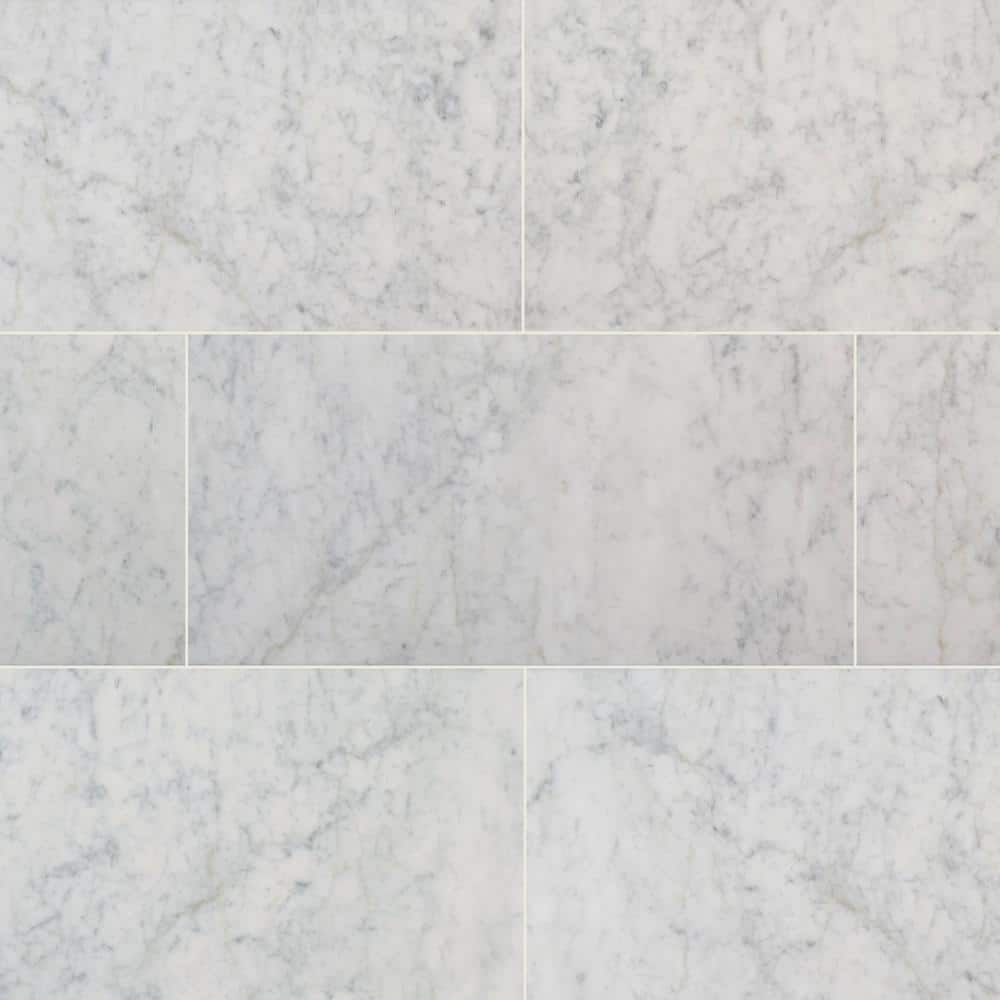
MSI Carrara White 12 in. x 24 in. Polished Marble Floor and Wall Tile (12 sq. ft./Case) TCARRWHT1224
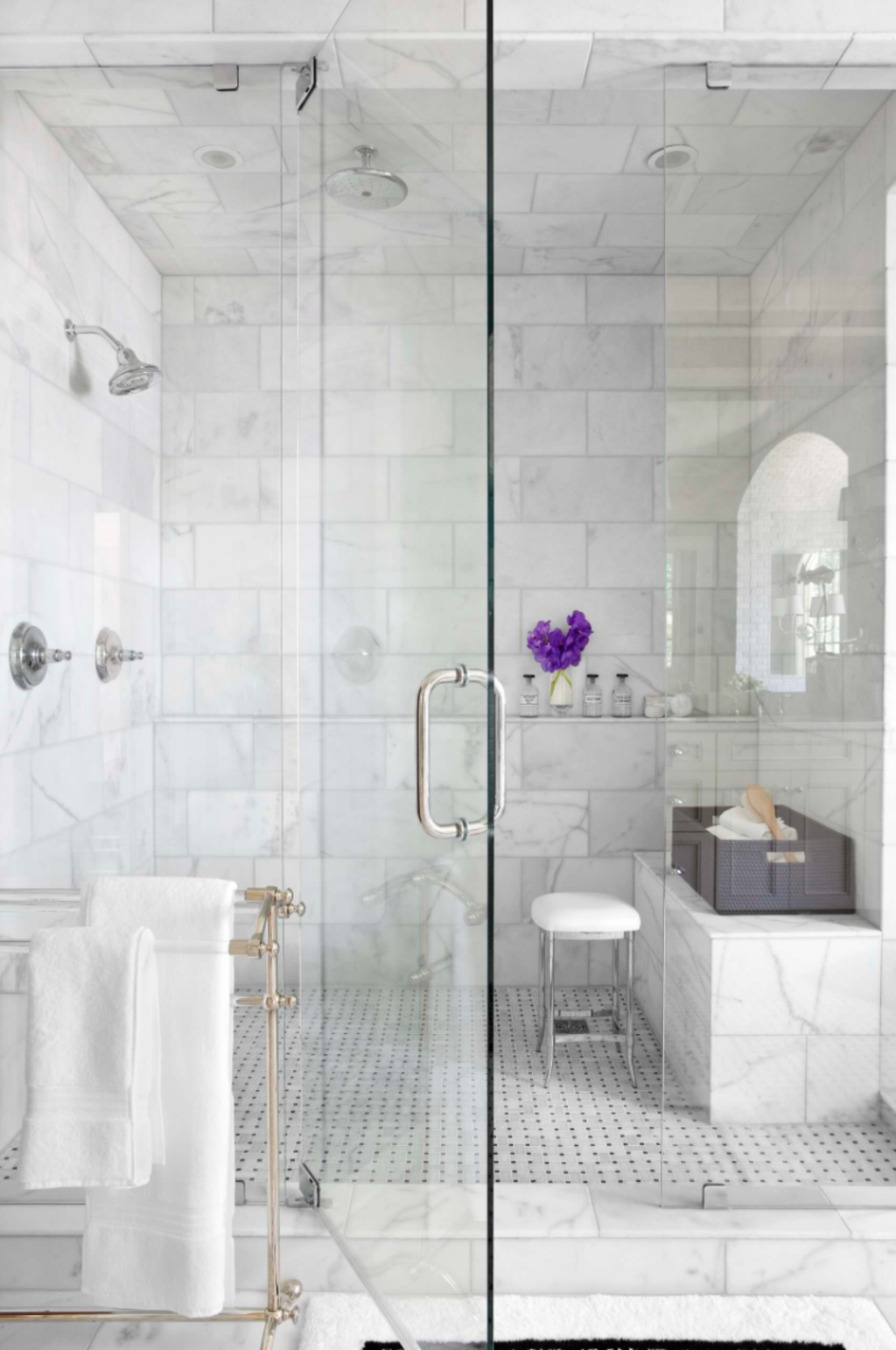
Want a marble bathroom? Consider these factors first
Large Format Tile Large Shower Tile
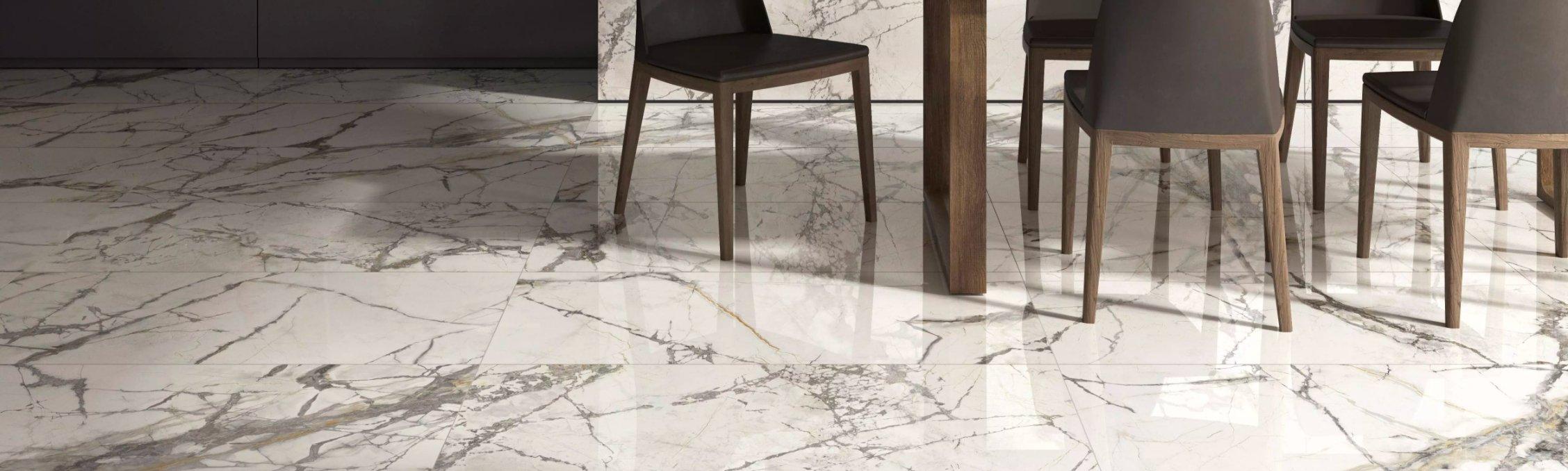
White Carrara Marble Tile – GOLD COAST TILE STORE – NERANG TILES

Ideas for the House

Related Posts: