When I first considered parquet laminate flooring for my dining room renovation, I’ll admit I was skeptical about whether it could deliver the sophisticated look I was after without breaking my budget. I had fallen in love with traditional parquet floors in European hotels and upscale restaurants, but the cost of real wood parquet was far beyond what I could justify for my home. After months of research and visiting countless showrooms, I discovered that modern parquet laminate technology has come incredibly far, offering stunning visual appeal and practical benefits that made it the perfect solution for my needs. The transformation it brought to my space exceeded every expectation I had.
Understanding Modern Parquet Laminate Technology
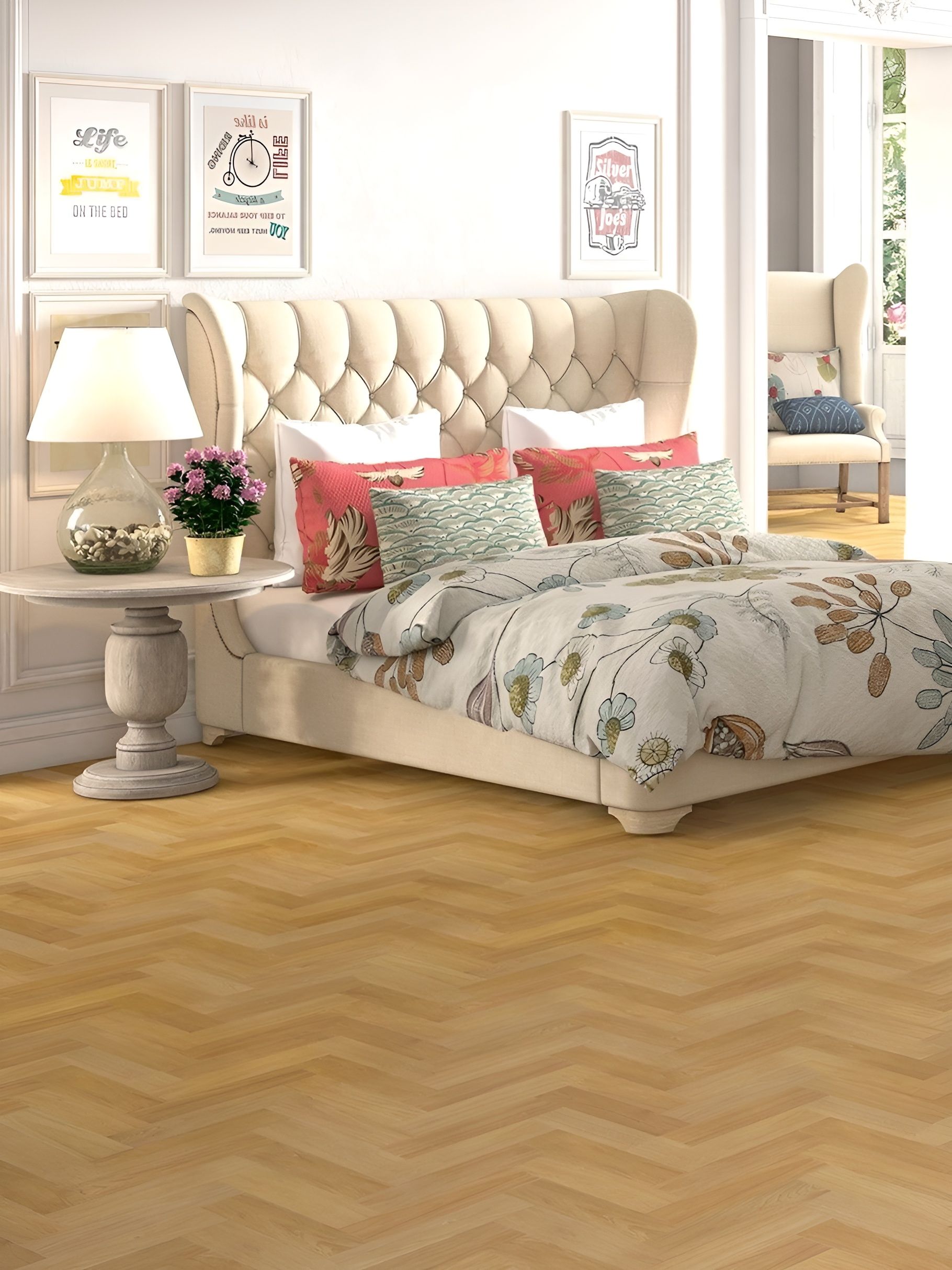
My journey into parquet laminate began with learning about the dramatic improvements in manufacturing technology over the past decade. When I compared samples from different eras, the difference was remarkable. Early laminate options looked fake with repetitive patterns and plastic-like surfaces, but the newer generation uses advanced photography and embossing techniques that create incredibly realistic wood grain textures and authentic-looking parquet patterns that fool even experienced contractors.
The sample I eventually chose featured a classic herringbone pattern with individual “planks” that measured roughly 4 by 16 inches, perfectly mimicking traditional parquet dimensions. What amazed me was the attention to detail in the printing process. Each plank had subtle color variations, realistic grain patterns, and even small knots and character marks that made the pattern look completely authentic. The surface texture was embossed to match the grain direction, creating both visual and tactile authenticity that impressed everyone who examined it closely.
I learned that the core construction of quality parquet laminate is just as important as the surface appearance. The high-density fiberboard core I selected provided excellent stability and impact resistance, while the attached foam underlayment reduced noise transmission and added comfort underfoot. The locking mechanism was engineered specifically for the stress patterns created by parquet layouts, ensuring long-term stability even with the complex grain directions inherent in geometric parquet patterns.
Choosing the Right Parquet Pattern for My Space
Selecting the perfect parquet pattern became an exciting design adventure that taught me so much about how flooring patterns affect room perception. I started by creating mockups using cardboard cutouts in different parquet layouts, spending hours arranging and rearranging them to see how each pattern would work with my furniture placement and room proportions. The classic herringbone pattern I initially favored looked stunning but felt overwhelming in my 12×14 dining room, making the space appear smaller and busier than I wanted.
After experimenting with various options, I discovered that a simple basketweave pattern created the perfect balance of visual interest and spatial harmony for my room. The rectangular blocks, each containing four parallel planks, provided the sophisticated parquet aesthetic I wanted while maintaining clean lines that complemented my contemporary dining furniture. The pattern was complex enough to add character but not so busy that it competed with my chandelier or artwork for attention.
I also learned the importance of considering the room’s traffic flow when selecting parquet patterns. More complex patterns like chevron or intricate geometric designs can create visual confusion in high-traffic areas, while simpler patterns like the basketweave I chose provide sophistication without overwhelming the space. The pattern direction also matters significantly, as running the primary lines toward the main focal point (my dining table) created a sense of flow that draws guests naturally into the room and makes gatherings feel more intimate and welcoming.

Installation Challenges and Solutions I Discovered
Installing parquet laminate turned out to be more complex than regular plank laminate, requiring careful planning and precision that I initially underestimated. The geometric patterns mean that every piece must align perfectly with its neighbors, and there’s much less room for error than with straight plank installations. I quickly realized that starting point selection was critical, as small misalignments compound quickly in parquet patterns, potentially creating noticeable problems by the time you reach the room’s perimeter.
My contractor used a technique called “dry laying” for the first several rows, arranging pieces without locking them together to ensure perfect alignment before committing to the installation. This process took considerably longer than standard laminate installation, but it prevented costly mistakes and ensured the pattern maintained its geometric integrity throughout the room. We also had to account for the room’s dimensions carefully, adjusting the starting position to minimize small cut pieces at the edges that could disrupt the pattern’s visual flow.
The cutting requirements for parquet laminate proved much more demanding than I expected. Unlike straight planks that typically only need length adjustments, parquet pieces often require complex angled cuts to maintain pattern integrity around room perimeters and obstacles. My installer invested in a high-quality miter saw and spent considerable time measuring and marking each piece precisely. While this attention to detail added time and cost to the project, the flawless finished appearance made every extra hour worthwhile.

Maintenance Lessons I Learned the Hard Way
My first year with parquet laminate taught me that while it’s much easier to maintain than real wood parquet, it does require some specific care techniques to keep it looking its best. The geometric patterns and multiple grain directions mean that dust and debris can settle in ways that aren’t immediately obvious, requiring more frequent cleaning than I initially anticipated. I learned to use microfiber mops that capture particles effectively rather than just pushing them around between the pattern elements.
I discovered that cleaning direction matters more with parquet than with straight plank flooring. Rather than following one consistent direction, I found that using small circular motions helps address the multiple grain directions and pattern elements more effectively. This technique ensures that I’m working with the embossed texture rather than against it, preventing streaking and ensuring even cleaning across the entire surface. Regular vacuuming with appropriate brush attachments became essential for maintaining the crisp appearance of the pattern lines.
The biggest maintenance lesson came after accidentally spilling red wine during a dinner party. While the laminate surface was protected by its wear layer, I learned that quick cleanup is even more critical with parquet patterns because liquid can settle along pattern lines and become more noticeable than on straight planks. I now keep appropriate cleaning supplies easily accessible and address spills immediately. The good news is that once properly cleaned, my parquet laminate shows no signs of staining or damage from various spills and mishaps over the past two years.
Comparing Costs: Budget Reality Check
When I started pricing parquet laminate, I was pleasantly surprised to find options that fit comfortably within my renovation budget, though I learned that quality varies significantly across price ranges. The premium parquet laminate I ultimately chose cost about 40% more than basic straight plank options, but still came in at less than half the price of engineered hardwood parquet. The investment felt justified when I considered the dramatic visual impact and the long-term durability I was getting for the money.
Installation costs proved higher than standard laminate due to the complexity and precision required for parquet patterns. My contractor charged approximately 25% more for labor compared to straight plank installation, citing the additional time needed for pattern layout, precise cutting, and careful alignment. While this added to the total project cost, I felt the investment was worthwhile given the flawless finished appearance and the specialized skills required to achieve professional results.
Looking back after two years, I’m convinced that parquet laminate delivered exceptional value for my investment. The sophisticated appearance has enhanced my home’s resale potential significantly, and the durability has exceeded my expectations despite heavy use during numerous dinner parties and family gatherings. When I calculate the cost per square foot over the expected 20-year lifespan, parquet laminate becomes an incredibly economical way to achieve high-end flooring aesthetics without the maintenance requirements and replacement costs associated with natural materials.
Long-Term Performance and Satisfaction
After living with parquet laminate flooring for over two years, I can honestly say it has exceeded my expectations in terms of both appearance and durability. The sophisticated pattern continues to impress guests, and I still enjoy the visual interest it brings to my dining room every single day. The quality of the surface imaging has remained remarkably consistent, showing no signs of the fading or wear that I worried might occur in high-traffic areas around my dining table.
The stability of the installation has been outstanding, with no gaps, lifting, or other issues that sometimes plague laminate floors. The specialized locking system designed for parquet applications has maintained perfect alignment throughout seasonal humidity changes and the daily stress of furniture movement and foot traffic. I’ve been particularly impressed with how well the floor has handled the weight and movement of my heavy dining room furniture without showing any signs of compression or damage.
Perhaps most importantly, the parquet laminate has maintained its sophisticated appearance without requiring the intensive maintenance that traditional wood parquet would demand. I don’t worry about water rings from glasses, scratches from chair legs, or the periodic refinishing costs that come with natural wood floors. The combination of beautiful aesthetics and practical durability has made this one of the best home improvement decisions I’ve made, providing daily enjoyment and peace of mind that continues to validate my choice.

How does parquet laminate compare to real wood parquet in appearance?
I’m consistently amazed by how realistic modern parquet laminate looks. The advanced printing and embossing technology creates grain patterns and textures that fool most people at first glance. While real wood has subtle variations that laminate can’t perfectly replicate, the difference is only noticeable under very close inspection. For the dramatic cost difference, the visual similarity is remarkable.
Is parquet laminate more difficult to install than regular laminate?
Yes, parquet patterns require significantly more precision and planning than straight plank installation. The geometric layouts demand perfect alignment and more complex cutting around room perimeters. I strongly recommend professional installation unless you have extensive DIY flooring experience. The labor cost increase was about 25% in my case, but the flawless results justified the investment.
How well does parquet laminate handle moisture and spills?
My experience has been very positive with moisture resistance. The surface wear layer protects against spills when cleaned up promptly, and I’ve had no issues with warping or damage from typical household moisture. However, standing water should still be avoided, and the seams require prompt attention if liquid penetrates. Overall, it’s much more forgiving than real wood parquet.
Does the complex pattern make cleaning more difficult?
Initially, I found cleaning required more attention than straight plank floors, but I developed effective techniques quickly. Using circular motions with microfiber mops works better than straight-line cleaning for the multiple grain directions. Regular vacuuming is important to prevent debris accumulation in pattern lines. Once you establish good habits, maintenance is quite manageable.
What’s the expected lifespan of quality parquet laminate?
Based on my research and two years of experience, quality parquet laminate should last 15-20 years with proper care. The wear layer protection and stable core construction provide excellent durability. My floors show no signs of wear despite heavy use, and the manufacturer’s warranty suggests they’re confident in long-term performance. The cost per year makes it an excellent value proposition.
Can parquet laminate work in rooms other than formal spaces?
Absolutely! While I chose it for my dining room, parquet laminate can work beautifully in living rooms, bedrooms, and even kitchens with appropriate moisture precautions. The key is selecting patterns that complement the room’s function and size. Simpler patterns like basketweave work well in casual spaces, while more complex designs suit formal areas. Versatility is one of its great advantages.

Wood Laminate Flooring

Related Posts: