Marble flooring brings timeless elegance to bathrooms, creating a spa-like atmosphere with its natural veining and luminous surface. This premium material offers both aesthetic appeal and functional benefits, making it a popular choice for homeowners seeking to elevate their bathroom design. While marble requires specific care and maintenance, its ability to stay cool underfoot and resist humidity makes it particularly suitable for bathroom environments. Understanding marble’s characteristics, installation requirements, and care needs helps ensure beautiful, long-lasting results that justify the investment.
The Unique Qualities of Marble
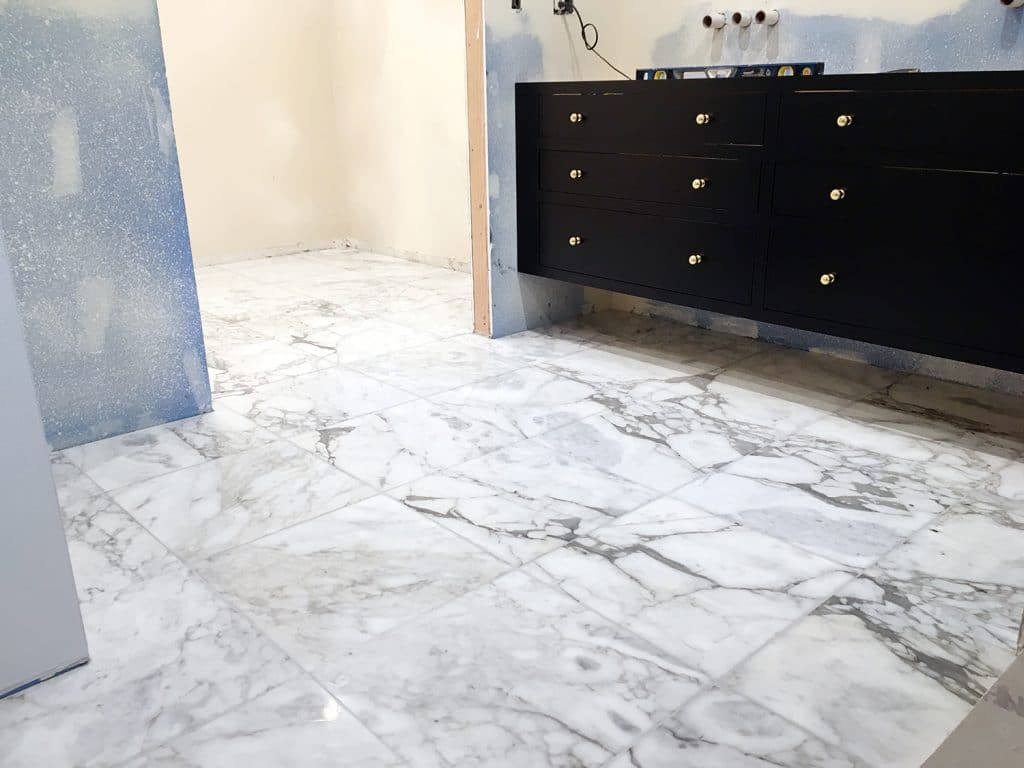
Marble’s distinctive appearance comes from its crystalline structure and mineral veins, with no two slabs being exactly alike. Available in white, gray, beige, green, and even black varieties, each type offers different patterns and color intensities. Carrara marble features soft gray veining on a white background, while Calacatta marble displays bolder, more dramatic streaks. These natural variations create floors with organic beauty that manufactured materials struggle to replicate.
Beyond aesthetics, marble possesses physical properties ideal for bathrooms. Its natural coolness feels refreshing underfoot, especially in warm climates. The stone’s density makes it highly durable when properly maintained, capable of lasting decades. Unlike some materials that become slippery when wet, honed marble finishes provide adequate traction for bathroom safety while still maintaining an upscale look.
Marble reacts uniquely to its environment, developing a patina over time that many consider part of its charm. This living surface changes slightly with use, gaining character rather than simply wearing out. While some may view this as a drawback, others appreciate how marble floors tell the story of a home through subtle aging that adds to their authenticity.
Selecting the Right Marble Type
White marble varieties like Carrara and Statuario remain classic choices for bathrooms, creating bright, airy spaces that reflect light. These lighter stones make small bathrooms appear larger while providing a neutral backdrop for various design styles. However, they show water spots and stains more easily than darker options, requiring more frequent maintenance to keep their pristine appearance.
Darker marbles like Nero Marquina or Portoro offer dramatic contrast and better conceal everyday wear. Their deep black backgrounds with gold or white veining create bold statements in contemporary bathrooms. These darker stones naturally hide minor scratches and water marks better than light marbles, though they may show dust and lint more prominently.
For those seeking balance, mid-tone marbles like Crema Marfil or Emperador provide warmth without extreme maintenance demands. These beige and brown varieties work well in traditional and transitional bathrooms, complementing both light and dark cabinetry. Their natural color variations help disguise the effects of daily use while still offering marble’s characteristic elegance.
Surface Finishes and Safety Considerations
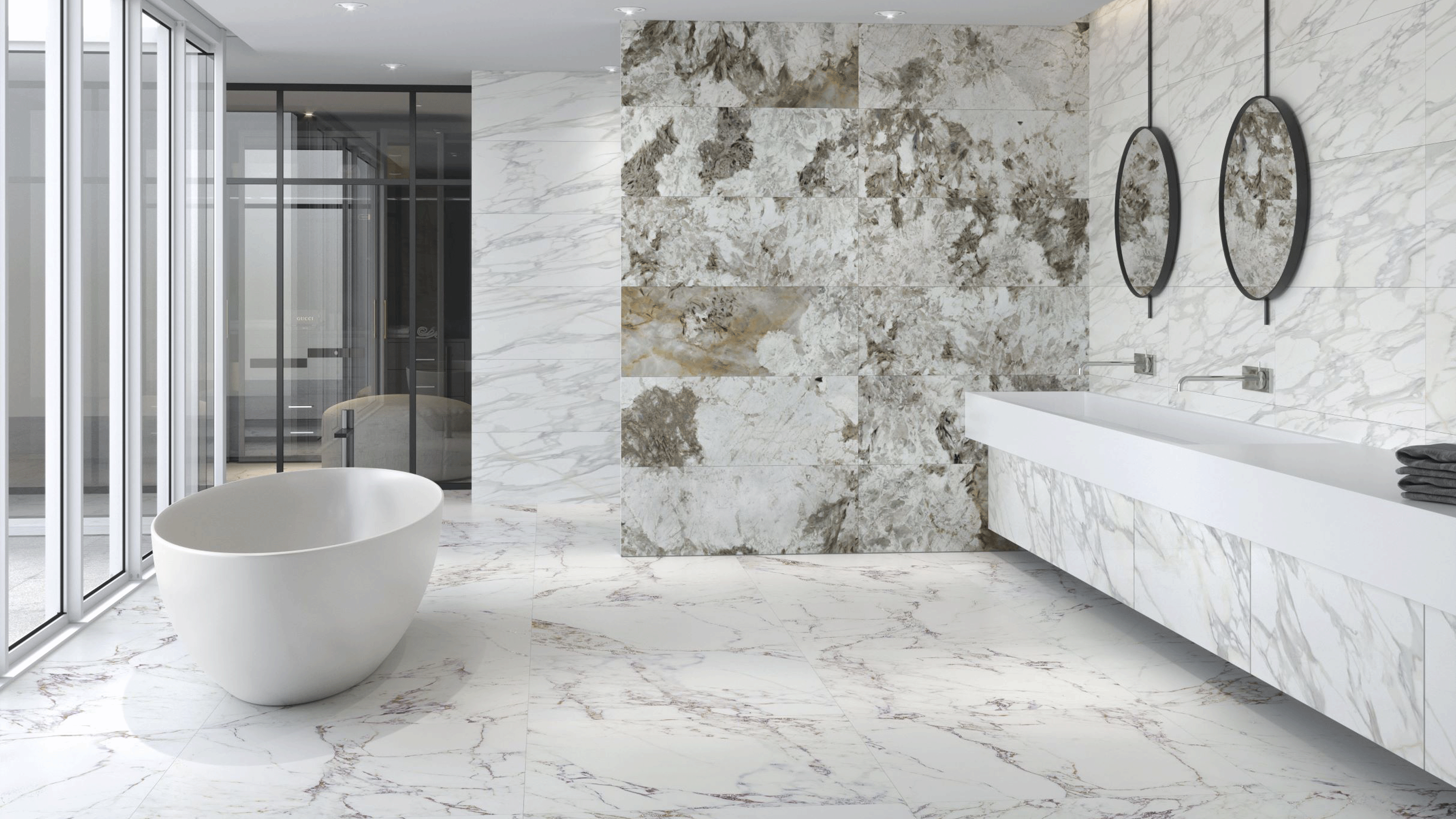
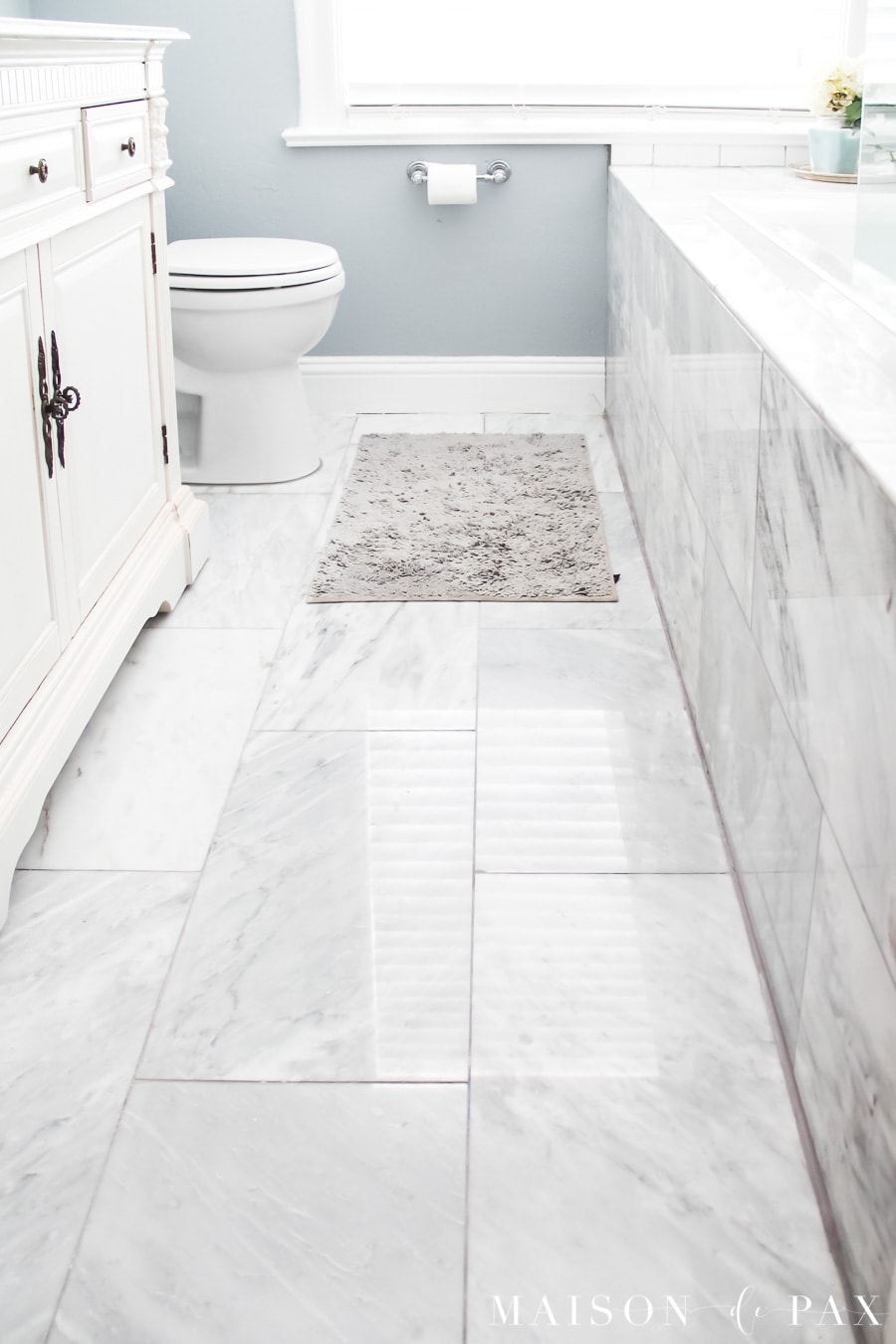
Polished marble offers the highest shine and best showcases the stone’s natural veining, creating a luxurious wet-room effect. However, this glossy finish becomes slippery when wet, making it less ideal for family bathrooms or homes with elderly residents. Polished surfaces also show water spots and footprints more noticeably, requiring frequent wiping to maintain their appearance.
Honed marble provides a matte finish with better traction for wet environments. This surface treatment reduces slipperiness while still allowing the stone’s beauty to shine through. Honed finishes better conceal minor scratches and everyday wear, making them more practical for busy households. Many homeowners prefer this subtler look for its understated elegance and improved functionality.
Textured finishes like tumbled or brushed marble offer the most slip resistance, mimicking the look of aged stone. These treatments create slightly uneven surfaces that provide excellent grip, ideal for shower floors or homes with safety concerns. While they lack the reflective quality of polished marble, textured finishes develop rich patinas over time that many find appealing.
Installation Requirements and Challenges
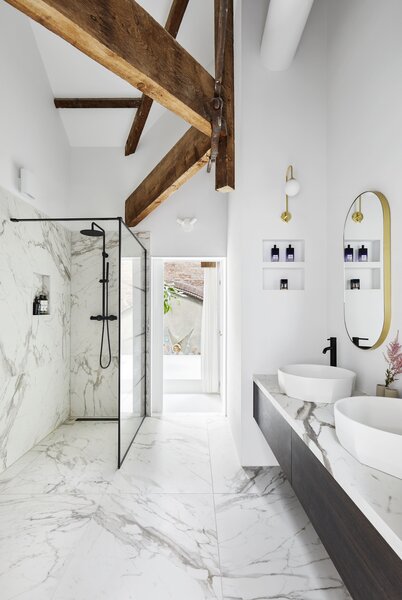
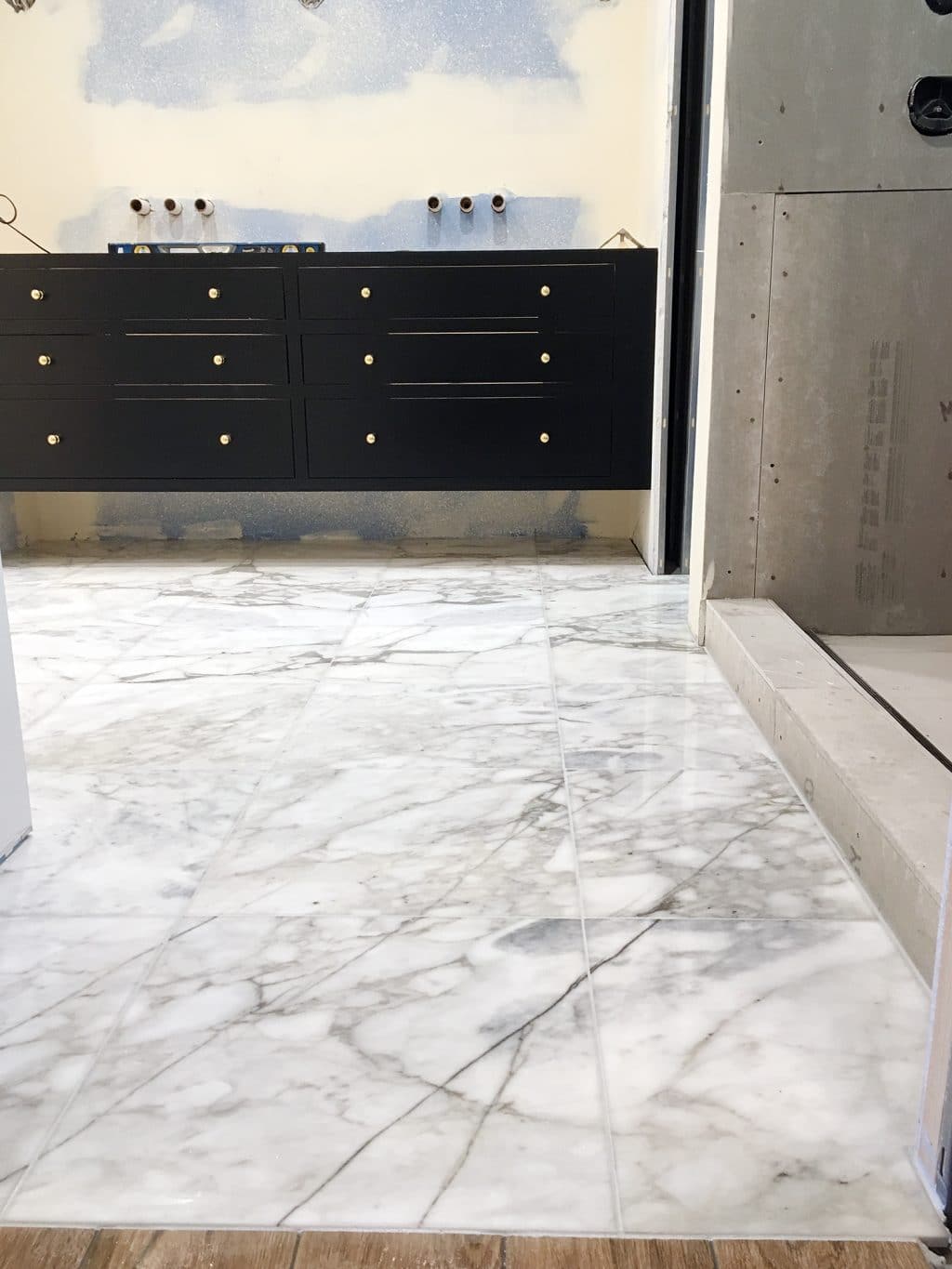
Proper subfloor preparation proves critical for marble tile installation. The substrate must be perfectly flat, rigid, and free of movement to prevent cracking. In bathrooms, an uncoupling membrane between the subfloor and marble helps prevent cracks from shifting structures. Professional installers often use reinforced mortar beds for large-format marble tiles to ensure proper support.
Marble’s weight demands a structural assessment before installation. The stone’s thickness (typically 3/8″ to 3/4″) adds significant load to floors, requiring verification that the structure can support it. In upper-level bathrooms, engineers may need to evaluate floor joists and reinforcement needs. This consideration becomes especially important for larger marble slabs or pattern layouts.
Layout planning requires extra attention with marble due to its natural variations. Dry-laying tiles allows for color and pattern matching before permanent installation. Bookmatching (arranging consecutive slabs like mirror images) creates dramatic symmetrical designs but requires precise cutting. Professional installers group tiles by shade for consistent appearance across the floor.
Maintenance and Long-Term Care
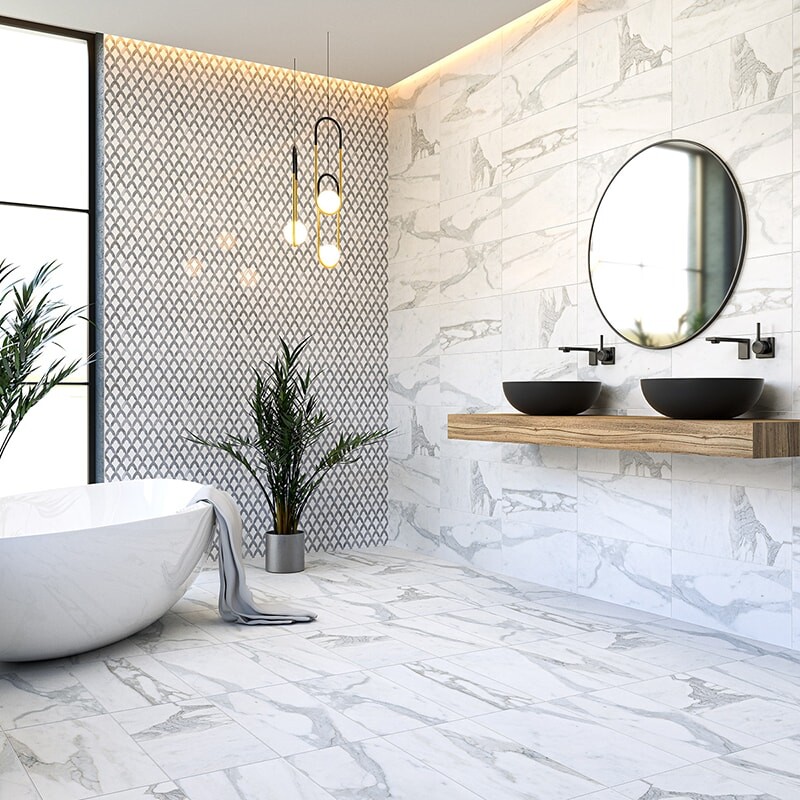
Daily maintenance preserves marble’s beauty between deeper cleanings. Wipe up water spills promptly to prevent mineral deposits from forming. Use soft microfiber mops for regular cleaning, avoiding abrasive tools that could scratch the surface. pH-neutral stone cleaners specifically formulated for marble prevent etching and maintain the stone’s natural shine.
Sealing forms the cornerstone of marble protection. Penetrating sealants fill the stone’s pores to repel water and stains, with frequency depending on marble type and bathroom usage. Light marbles typically need resealing every 6-12 months, while darker varieties may last 1-2 years between applications. Simple water tests (if water droplets darken the stone, it’s time to reseal) help determine when protection renews.
Address stains and etching promptly to prevent permanent damage. Poultices draw out oil-based stains, while mild acidic solutions can brighten etch marks in honed marble. For polished surfaces, professional refinishing may be needed to restore shine to etched areas. Establishing a consistent care routine prevents minor issues from becoming major problems.
Cost Considerations and Value
Marble flooring represents a significant investment compared to ceramic or porcelain alternatives. Material costs range from 5−20 per square foot depending on the variety, with rare marbles costing even more. Installation adds 5−15 per square foot due to the specialized skills and materials required. These prices make marble one of the more expensive bathroom flooring options.
Despite higher upfront costs, marble offers excellent long-term value. Properly maintained marble floors can last 50 years or more, outlasting many alternative materials. The stone’s timeless appeal also adds resale value to homes, appealing to buyers seeking luxury finishes. In high-end real estate markets, marble bathrooms often become selling points that justify their initial expense.
Budget-conscious homeowners can incorporate marble strategically to control costs. Using marble as an accent in shower floors or borders reduces square footage while still delivering visual impact. Mixing marble with less expensive materials like porcelain in complementary colors creates designer looks for less. These approaches make marble more accessible without sacrificing its luxurious effect.
Is marble flooring practical for a family bathroom?
Marble can work in family bathrooms with proper precautions and realistic expectations. Choose honed or textured finishes for better slip resistance and easier maintenance. Darker marble varieties hide stains and wear better than light options. Establish clear rules about wiping up spills and using bath mats near sinks and tubs. While marble requires more care than some alternatives, many families appreciate its beauty enough to accommodate the extra maintenance.
How does marble compare to porcelain tiles that look like marble?
Marble-look porcelain offers similar aesthetics with greater durability and lower maintenance. While porcelain resists stains, scratches, and moisture better, it lacks marble’s natural depth and luminosity. Real marble develops a unique patina over time that manufactured tiles can’t replicate. The choice depends on priorities—porcelain for practicality, marble for authenticity. High-end marble-look porcelain can approach real marble’s cost while offering easier care.
Can you install heated flooring under marble?
Marble works exceptionally well with radiant heating systems. The stone’s thermal conductivity efficiently transfers heat from the warming elements to the surface. Marble also retains heat longer than many other materials after the system turns off. Proper installation requires an experienced professional to ensure even heat distribution and prevent damage to the stone or heating elements. Always use a thermostat to prevent overheating that could crack the marble.
What’s the best way to prevent water spots on marble floors?
Regular sealing forms the first defense against water spots. After showering, use a squeegee or towel to remove standing water from the floor. Install proper ventilation to reduce overall bathroom humidity. For existing spots, buffing with a dry microfiber cloth often removes fresh marks. Older mineral deposits may require poultice treatments or professional polishing. Some homeowners embrace the natural patina that develops from water exposure as part of marble’s character.
How do you repair cracked or chipped marble tiles?
Hairline cracks can often be filled with color-matched epoxy resin, then polished to blend with the surrounding surface. For more significant damage, individual tiles can be carefully removed and replaced by a stone professional. This requires matching the original marble’s lot, as natural stone varies between batches. Prevent future cracks by avoiding heavy impacts and addressing any subfloor movement issues that may have caused the initial damage.
Does marble flooring make a bathroom feel colder?
Marble does feel cooler underfoot than many other materials, which some find refreshing in warm climates. This characteristic makes it particularly pleasant in master bathrooms or warm-region homes. During colder months, area rugs provide warmth where needed. The stone’s thermal mass actually helps regulate room temperature, feeling neither as cold as ceramic nor as warm as vinyl in extreme temperatures. Those concerned about cold floors should consider adding radiant heating beneath the marble.

PVC Self-Adhesive Waterproof Wallpaper 3D Marble Floor Tiles Murals Bathroom Non-slip Wall Paper 3D Flooring Home Decor Stickers

Livelynine White Peel and Stick Floor Tile Waterproof Vinyl Flooring Sheet Marble Stick On Flooring Tiles for Kitchen Basement Bedroom Bathroom

Why Marble Might Be Wrong for Your Bathroom
Try This: Herringbone Marble Tile – A Beautiful Mess
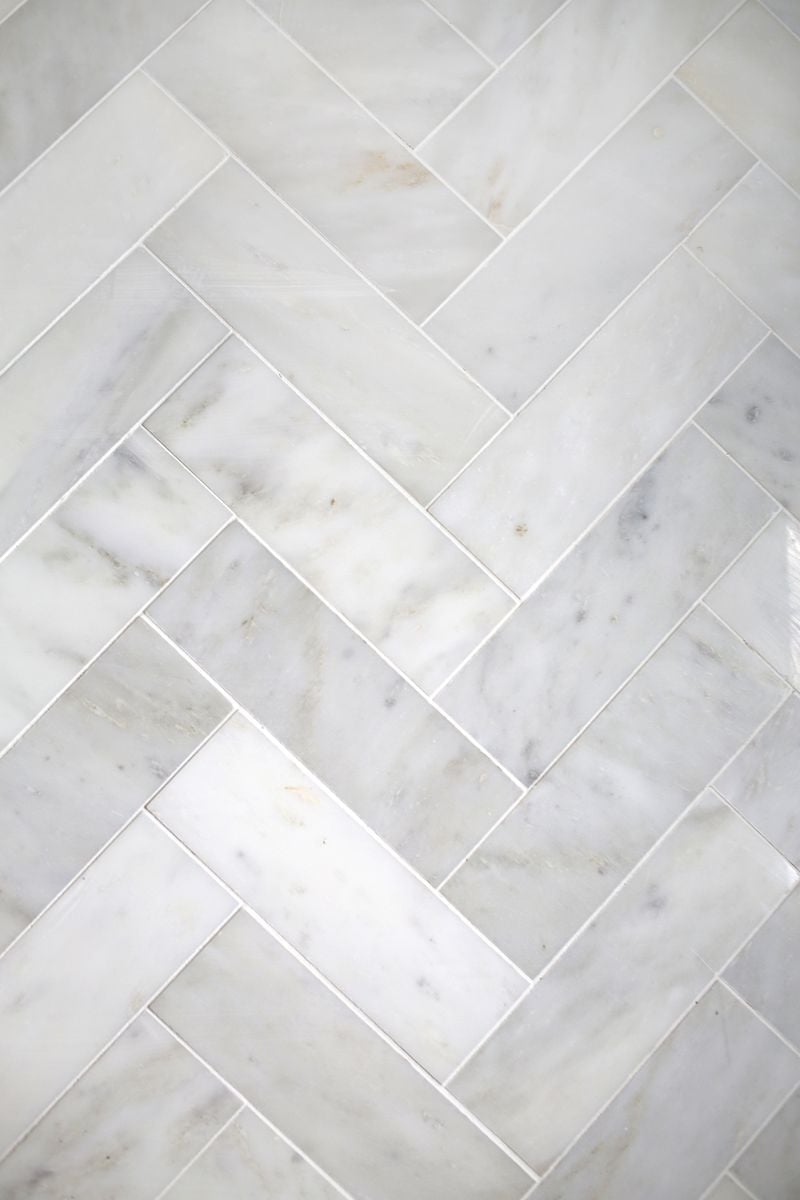
Marble Bathroom Floors

Related Posts: